

I remember the moment clearly. I was cruising down the highway, feeling confident, when suddenly my car started drifting to the right. I instinctively griped the steering wheel tighter, frustration bubbling up. It was a small shift, but enough to make every drive feel like navigating through unpredictable waters. That lightbulb moment made me realize I wasn’t alone—many drivers unknowingly face this issue, and it’s more common than you’d think.
Understanding the Root Cause of Your Car’s Drifting Problem
This persistent drifting isn’t just annoying; it’s a sign that something in your car needs attention. The good news? With a bit of understanding, you can pinpoint the culprit and get back to smooth, straight drives. Often, the real cause is related to wheel alignment, suspension issues, or uneven tire wear. These problems can develop gradually, making them easy to overlook until they start affecting your safety and comfort.
Did you know that misaligned wheels can cause your vehicle to pull to one side, leading to uneven tire wear and reduced fuel efficiency? According to auto repair experts, regular tune-ups include alignment checks that can prevent drifting and improve overall vehicle handling.
Is Diagnosing Wheel Alignment Worth the Hassle?
Early in my repair journey, I mistakenly believed that a simple tire rotation was enough to fix my drifting problem. I was wrong. Not catching the real issue led to uneven tire wear and more costly repairs later. Trust me, ignoring this can turn into a bigger headache. Proper tire alignment isn’t just about steering—it’s about safety, efficiency, and peace of mind.
If you’ve noticed your car pulling to one side, don’t just brush it off. It could be a sign that your alignment is off or that suspension components need attention. Want to learn how to identify other symptoms? Check out this troubleshooting guide to snag insights on common auto repair issues before visiting the shop.
Next up, we’ll explore practical steps to diagnose and fix this drift so you can reclaim your driving confidence. Ready to get to the root of the problem? Let’s dive in.
Check Your Tire Pressure First
Start with a simple yet crucial step: inspect your tire pressure using a reliable gauge. Under- or over-inflated tires can cause uneven contact with the road, leading to drifting. Use the vehicle’s recommended PSI, usually found on the driver door jamb. If you find irregular pressure, adjust accordingly, and test drive to see if the issue persists.
Assess Tire Tread and Wear Patterns
Uneven or worn-out tires are common culprits. Look for bald spots, cupping, or feathering. To do this, remove the wheel cover if necessary, and inspect the tread evenly across the width. If you notice uneven wear, it indicates misalignment or suspension issues. Replacing tires or getting a wheel alignment can eliminate drifting caused by tire problems.
Time to Realign Your Wheels
Wheel alignment involves adjusting the angles of your wheels so they sit perfectly straight relative to the vehicle’s chassis. Think of it as fine-tuning a musical instrument; misalignments are like strings out of tune. Schedule a professional alignment, especially if your vehicle has hit a pothole, curb, or if your tires show uneven wear after a rotation. Proper alignment enhances handling and prolongs tire life.
Inspect Suspension Components
Your suspension acts as the car’s shock absorber, maintaining stability. Worn or damaged parts like ball joints, tie rods, or bushings can cause steering issues and drifting. To diagnose, visually check for excessive play or leaks, or consult a mechanic. Replacing faulty components restores proper steering response and prevents drifting.
Perform a Test Drive After Repairs
After making adjustments or replacing parts, go for a controlled test drive. Preferably on an empty, straight road. Gently let go of the steering wheel for a moment; if the car veers off, further adjustments might be necessary. Keep track of any unusual noises or handling quirks. Document your observations to assist your mechanic if needed.
Consider Professional Help for Persistent Issues
If you’ve tried these steps and your car still drifts, it’s time to visit an auto repair specialist. Complex problems like camber misalignment, steering rack issues, or internal suspension wear require advanced diagnostics. Remember, neglecting drifting problems can compromise safety and lead to more costly repairs down the line.
For comprehensive troubleshooting, refer to this troubleshooting guide. It helps you identify other underlying issues before heading to the repair shop, saving time and money on unnecessary repairs.
Correcting a drifting problem is about precision, patience, and understanding your vehicle. Every step, from checking tire pressure to suspension inspection, brings you closer to a smooth, safe ride.
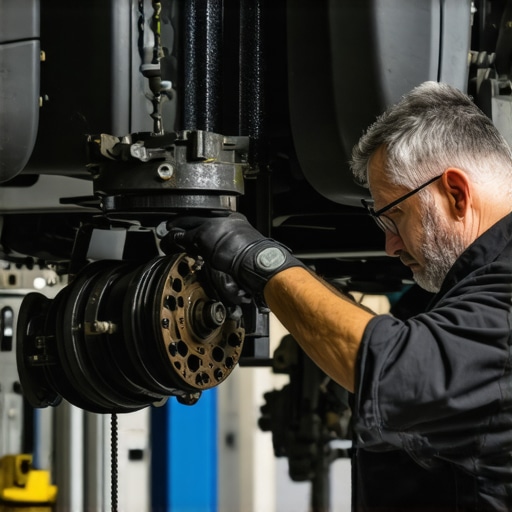
When it comes to maintaining our vehicles, there’s a lot of misinformation floating around. Many drivers stick to myths that can lead to unnecessary repairs or missed opportunities for optimizing performance. As an auto repair expert, I’ve seen precisely how these misconceptions can cause more harm than good. Let’s unpack some of the most pervasive myths and reveal the hidden nuances that savvy car owners should know.
Why Regular Tune-Ups Are Not Just About Changing Fluids
Contrary to popular belief, a tune-up isn’t a simple oil change or spark plug replacement. Many assume that as long as the engine sounds fine, everything is okay. In reality, a comprehensive tune-up involves diagnosing the entire ignition, fuel, and emission systems to ensure optimal efficiency. Skipping this can lead to subtle issues that affect fuel economy and engine longevity. For more advanced strategies, visit this guide.
The Trap of DIY Auto Repairs
It’s tempting to fix minor problems yourself to save money, but this often backfires—especially with critical systems like brakes. There’s a common misconception that brake repairs are straightforward, yet improper servicing can cause uneven wear, decreased stopping power, or even complete failure. For instance, replacing brake pads without proper rotor inspection can lead to squealing or pulsation. To understand the true complexities involved, check out this detailed overview of brake repairs.
How Overlooking Suspension Leads to Hidden Damage
Many drivers overlook suspension issues, thinking they’re merely about comfort. But ignored suspension not only causes uneven tire wear and poor handling—they can also mask more serious problems like steering rack wear or subframe damage. This oversight can turn into costly repairs if not addressed early. Remember, a smooth ride depends on more than just the tires; it’s about the whole system working harmoniously. For company-specific advice, explore this troubleshooting resource.
Advanced Car Maintenance Questions to Ask Your Mechanic
Are you aware of the nuances behind preventive maintenance, such as the difference between spark plug gap settings or the implications of fuel injection cleaning? These microscopic adjustments can have significant effects on engine performance and emissions. For example, a misadjusted spark plug gap can cause misfires, increasing fuel consumption and emissions. Staying informed about such details helps you communicate better with your mechanic and make educated decisions. To stay ahead, read this expert guide on maximizing your vehicle’s lifespan.
Understanding the real intricacies of auto repair empowers you to avoid pitfalls, save money, and keep your vehicle running at peak performance. Remember, the devil is in the details—so always question the familiar, and don’t settle for surface-level fixes. Are you guilty of any myths? Share your experiences below!
Keeping Your Car Running Smoothly Over Time
Maintaining your vehicle for long-term performance demands more than just routine oil changes. It requires the right toolkit, consistent upkeep, and an understanding of how modern technology can assist your efforts. As someone who’s been in auto repair for years, I can assure you that having a dedicated set of specific tools makes all the difference in diagnosing and fixing issues promptly, saving you money and extending your car’s lifespan.
One tool I swear by is a reliable diagnostic scanner, like the Bluelogger OBD2 scanner. It seamlessly interfaces with your smartphone via Bluetooth, allowing real-time monitoring of engine performance and fault codes. Unlike generic code readers, the Bluelogger provides detailed data that help pinpoint problems such as misfires or sensor failures, enabling targeted repairs or maintenance actions. Personally, I’ve used it to catch issues early, preventing minor glitches from becoming major overhauls. For example, catching an early throttle position sensor failure before it triggered a check-engine light saved a costly replacement later.
Another piece of equipment I recommend is a high-quality torque wrench, calibrated professionally at least once a year. Proper torque ensures components like brake rotors and suspension parts are neither too tight nor too loose, which can cause premature wear or catastrophic failures. I prefer digital torque wrenches over manual ones because they give precise readings, reducing guesswork. Consistent torque application during service, especially when replacing brake pads or wheel bearings, prolongs their lifespan and guarantees safety. Regularly check your wrenches’ calibration—this small step can be a game-changer in maintaining long-term reliability.
Staying Ahead with Software Updates and Service Schedules
Modern cars incorporate advanced electronics that benefit significantly from software updates—sometimes called reprogramming or flashing. Many manufacturers release updates that improve fuel efficiency, rectify known issues, or enhance safety features. Connecting your vehicle to a quality scan tool or visiting your mechanic for regular updates ensures your car is operating at its best. Additionally, adhering to a comprehensive service schedule, available at this checklist, helps catch issues early, avoiding costly repairs down the line.
To keep tabs on components like brakes, a digital caliper is invaluable for measuring pad thickness or rotor runout with high precision. This small but effective tool allows for proactive decisions—like when to replace the brake pads before they cause damage or compromise safety. It’s important to remember, regular inspection and timely replacement of parts are crucial for long-term reliability. For example, monitoring brake rotor thickness and surface condition helps avoid warped rotors that can lead to vibration and decreased stopping power.
How do I maintain brake performance over time?
Brakes are one of the most critical safety components, and their performance depends heavily on routine checks and maintenance. I recommend regularly inspecting brake pads and rotors, listening for unusual noises, and checking the brake fluid level—because contaminated or low brake fluid can lead to pedal pulsation or brake failure. A proactive approach, like replacing brake fluid every two years, preserves hydraulic integrity, especially in regions with harsh weather or high mileage. For comprehensive information on brake system upkeep, visit auto repair trends that emphasize proactive service.
Looking ahead, the integration of smarter diagnostic tools powered by AI and machine learning is poised to revolutionize auto maintenance. Vehicles will self-diagnose issues and alert owners or mechanics automatically, streamlining repairs and reducing downtime. Embracing these advances could mean fewer unforeseen breakdowns and longer-lasting vehicles.
I encourage all vehicle owners to try out a professional-grade diagnostic scanner like the Bluelogger, especially for early problem detection. Incorporating precise tools and disciplined maintenance routines will ensure your car remains dependable mile after mile. Ready to take your auto care to the next level? Start by scheduling a comprehensive inspection and consider investing in a high-end diagnostic tool—you’ll thank yourself in years to come.

Remember, consistent maintenance and the right tools are your best allies in keeping your vehicle performing at its peak. Don’t underestimate the value of regular inspects and investing in quality equipment—it pays off by preventing costly repairs and ensuring safety on every journey. For more expert insights, visit this resource. Stay proactive, and your car will thank you for the care you give it.
What I Wish I Knew Before Starting Auto Repairs
- Ignoring subtle hints can lead to big problems: Early signs like slight pulling or unusual noises are signals—don’t dismiss them. Recognizing these can save you money and time. I learned this the hard way when overlooking tire wear led to costly suspension repairs.
- A well-calibrated torque wrench is a game-changer: Proper torque application prevents component failure. Investing in a quality digital torque wrench has helped me avoid over-tightening and prolonged the lifespan of crucial parts like brake rotors.
- Not all myths are harmless: Believing that a simple oil change fixes all issues might cause you to overlook deeper problems. Proper diagnosis is essential. Exploring credible resources on auto repair can guide you to make smarter decisions.
Tools and Resources That Made a Difference in My Auto Maintenance Journey
- Reliable diagnostic scanners like the Bluelogger offer real-time insights and help catch problems early, saving money. I’ve used it to identify issues with engine sensors before they triggered warning lights.
- Quality calibration tools ensure that components like brake pads and suspension parts are installed correctly, which is crucial for safety and durability. Regular calibration of my torque wrench has been invaluable.
- Official guides and reputable blogs provide in-depth knowledge beyond basic YouTube tutorials. I highly recommend resources like the auto repair guides found at this link for their comprehensive advice.
Your Next Steps Toward Confident, Safe Driving
Remember, auto repair isn’t just about fixing problems—it’s about empowering yourself to maintain your vehicle effectively. Taking proactive measures and investing in the right tools can dramatically extend your car’s lifespan and keep you safe. Start small: inspect your tires, check your alignment, and familiarize yourself with trustworthy repair resources. Every step you take increases your confidence behind the wheel and reduces dependency on costly repairs. So, why wait? Begin implementing these lessons today, and enjoy the peace of mind that comes with expert-level auto care.
Have you ever faced a surprisingly simple fix that saved you hundreds? Share your stories below—I’d love to hear how you’ve turned auto repair myths into practical wins.
,