
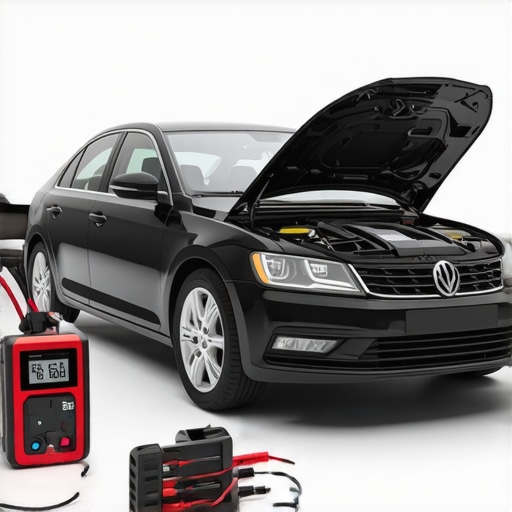
Have you ever jumped into your car after a long trip only to find the battery dead as a doorstop? It’s a frustrating moment—like your vehicle is playing a cruel joke on you when you need it most. I used to think that driving longer would naturally recharge my car’s battery, but I kept ending up stranded at the most inconvenient times. One morning, I finally had a lightbulb moment that changed everything. If you’re tired of playing battery roulette, stick around—I’ll share what I discovered from my own frustrating experience and how you can avoid the same pitfalls.
The Hidden Culprit Behind That Persistent Battery Drain
Here’s the deal: a car battery can die even after a long drive when there are underlying issues preventing it from holding a charge. I found out the hard way that it’s not just about how long you drive but also about the health of your entire electrical system. Factors like a failing alternator, parasitic draws, or corroded terminals can all drain your battery faster than you think. Surprisingly, according to automotive experts, a battery can lose more than 50% of its capacity due to a small but constant parasitic drain—those sneaky electrical gremlins that keep sapping power even when your car is off. (source: The Real Reason Your Battery Dies Every Winter)
Is a Battery Replacement the Only Answer?
When I first faced this issue, I assumed my battery was just old and needed swapping out. That was my biggest mistake early on. I replaced my battery twice before realizing the real problem was more complex. It’s common to overlook simple causes like loose connections, faulty alternators, or corroded terminals—things that a quick inspection could have caught. So, before heading straight for a new battery, it’s wise to rule out these common issues. If you’re unsure how to diagnose these problems, a professional consultation at a trusted auto shop could save you money and headaches. Speaking of which, if you need expert advice or assistance, don’t hesitate to get in touch through their contact page.
Now that we’ve covered what causes your battery to die unexpectedly, let’s move on to actionable steps to troubleshoot and fix these issues, so you can keep your car running smoothly and avoid those dreaded roadside moments.
**
Test Your Battery’s Voltage
Start by checking your battery voltage with a multimeter—aim for around 12.6 volts when the engine is off. I once used a multimeter borrowed from a neighbor’s toolbox, and my hands trembled slightly as I read 11.8 volts—signaling a drained battery. If the reading is low, your battery might be the culprit, but don’t jump to conclusions yet.
Inspect Terminals and Cables
Ensure battery terminals are clean and tightly connected; corrosion acts like rust on a bicycle chain, impeding proper flow. I once found my terminals covered in white crusty residue, causing intermittent power issues. Disconnect the terminals (wear gloves!), clean with a wire brush, and reconnect securely.
Check for Parasitic Draws
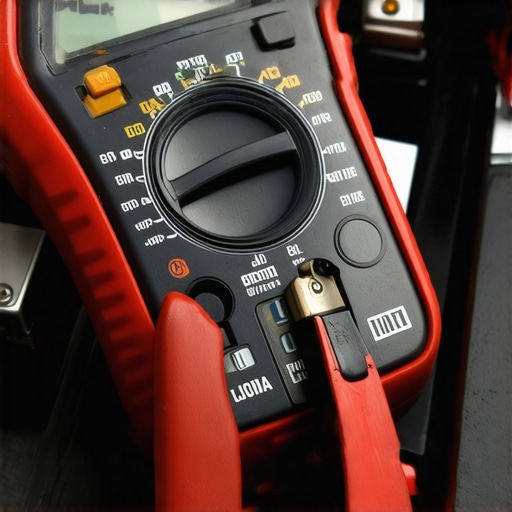
A common cause of unexpected drain is electrical components that stay active after shutdown. To diagnose, turn off the car, then disconnect the negative terminal and set your multimeter to measure current (amps). Place one probe on the battery post and the other on the cable end—if you see more than 50 milliamps, there’s an abnormal draw. When I did this, I realized my trunk light stayed on due to a faulty switch, draining my battery overnight.
Identify Faulty Alternator or Charging System
Start your engine and measure voltage again; it should read between 13.8 and 14.4 volts. If it’s lower, your alternator may not be charging the battery properly. I once drove to a mechanic, who confirmed my alternator was failing—saving me from a roadside breakdown. A faulty alternator is like a weak heart—your battery’s lifeline depends on it.
Perform a Load Test
Use a load tester at an auto shop or professional service to see how your battery handles simulated starting conditions. This step is crucial because a battery might pass a simple voltage test but still be unable to deliver the necessary current during startup. A quick load test revealed my battery’s internal cells were weakening, prompting a replacement that solved ongoing drain issues.
Monitor and Maintain Regularly
Regular inspections and maintenance can prevent surprise failures. Check terminals, keep your battery clean, and ensure your electrical system is free of unnecessary draws. Scheduling routine tune-ups through sources like this guide can extend your battery’s lifespan and keep your vehicle reliable. I now perform monthly voltage checks, which helped me catch a parasitic draw early and save money.
Seek Professional Help When Needed
If diagnostics point to an electrical issue beyond your scope, don’t hesitate to contact a trusted mechanic. They can perform advanced tests to pinpoint elusive problems, such as a failing relay or wiring short. Remember, professional expertise can be your best asset—more than once, a simple inspection uncovered a hidden wiring fault that was draining my battery.
When it comes to automotive care, many car owners cling to misconceptions that can lead to costly mistakes and even compromise safety. One widespread myth is that regular tune-ups are unnecessary if the car seems to run fine. In reality, neglecting scheduled maintenance can result in decreased fuel efficiency and unexpected breakdowns, as detailed in expert guides like this article. Many believe that brake service is just about replacing pads, but proper inspection of the entire system—including rotors and fluid—is essential to avoid dangerous failures.
Investing in Quality Equipment for Car Care
Maintaining your vehicle’s health over time requires more than just knowledge—having the right tools makes all the difference. I personally swear by a few specialized devices that have saved me both time and money during routine maintenance and troubleshooting. A high-quality digital multimeter, for example, is indispensable for accurately assessing battery health, electrical system integrity, and charging performance. I recommend the Fluke 117 Electricians True RMS Multimeter; its precision and durability are unmatched, making it a staple in any serious DIY auto toolkit.
Another tool I can’t live without is a cordless panel lift or a jack stand with a quick-release mechanism. This allows safe and comfortable access to the underside of the vehicle without risking unstable support. For detailed inspection and minor repairs, I rely on a set of precision screwdrivers and a magnetic pick-up tool—these small yet powerful helpers ensure I don’t lose screws or struggle with tight spots. Proper lighting, like a rechargeable LED work light, ensures I can see every corner clearly, which is critical for diagnosing issues in tight engine bays or corroded terminals.
Embracing Software and Diagnostic Systems
Beyond physical tools, I utilize dedicated diagnostic software compatible with OBD-II scanners. A reliable scan tool provides real-time data on engine parameters, fault codes, and sensor statuses. Personally, I use the OBDLink EX device paired with their mobile app—this combo offers comprehensive insight without breaking the bank. Such tools help me troubleshoot problems like misfires or transmission slips efficiently, often revealing issues before they escalate into costly repairs. Recently, I used a connection diagnostic app to identify a slow leak in my cooling system, saving me a trip to the mechanic.
How do I maintain my tools over time?
Keeping your equipment in top shape is straightforward but essential. Regularly calibrate your multimeter by testing against a known voltage source and clean your diagnostic connectors to prevent corrosion—these simple steps ensure accuracy when diagnosing problems. Store your tools in a dedicated, dry toolbox to prevent damage and keep a maintenance log to track tool upgrades or replacements. As technology advances, staying current with the latest diagnostic software updates can help you catch emerging issues early.
Future Trends in Automotive Maintenance Tools
The industry is rapidly moving toward smarter systems—integrating artificial intelligence with diagnostic devices and developing more user-friendly interfaces. Automotive tools are becoming more intuitive, enabling even enthusiasts to perform complex repairs with confidence. Embracing these innovations now positions you ahead of the curve. For instance, some of the most advanced diagnostic systems can suggest repair solutions based on fault patterns, reducing guesswork and improving accuracy.
If you’re serious about long-term vehicle care, start by investing in a quality multimeter and pairing it with a reliable diagnostic app. These tools will empower you to proactively identify and fix issues, extending your car’s lifespan and ensuring safety on every trip. Ready to elevate your auto maintenance game? Dive into learning how to interpret your scan results and perform basic repairs—then visit this contact page if you need expert guidance or professional service.
Lessons Car Owners Often Miss That Can Save You Big
- One of the toughest lessons I learned was that a smooth-running engine relies heavily on understanding your vehicle’s quirks. Regularly listening for odd sounds or unusual vibrations can be early signs of issues that might otherwise escalate. Ignoring these hints cost me hundreds in repairs that could have been avoided with attentive observation.
- Another insight I wish I had embraced sooner is the importance of consistent electrical system checks. Simple tasks like inspecting for corrosion or loose connections are quick but powerful actions that extend your battery’s lifespan. Over time, neglecting these small maintenance steps can lead to unexpected failures, leaving you stranded.
- My game-changing realization was that investing in quality diagnostic tools and understanding their readings unlocks a new level of independence in auto care. Learning to interpret voltage levels, fault codes, and system statuses enables proactive maintenance, saving time and money. This shift from reactive to preventive care transformed how I view vehicle health.
Tools and Resources That Boost Your Auto Knowledge
- Fluke 117 Multimeter: This durable, accurate multimeter has become my go-to for assessing battery health and electrical issues. Its reliability means I trust every reading, making troubleshooting precise and straightforward.
- OBDLink EX Connector: Pairing this device with the mobile app allows me to access real-time engine data and fault codes instantly. It’s like having a mechanic in my pocket, providing peace of mind and quick diagnostics.
- Auto Repair Guides and Articles: Regularly reading trusted sources like auto repair trend insights and maintenance checklists keeps me informed about best practices and emerging technologies, empowering me to make better decisions for my vehicle’s health.
Fuel Your Drive with Confidence and Care
Embarking on your auto maintenance journey is not just about fixing problems—it’s about fostering a proactive mindset that saves money, surprises, and stress. The insights you’ve gained from my experiences combined with the right tools can elevate your car care routine from basic to expert level. Remember, the road to a reliable vehicle starts with small, consistent actions. So, why not take that first step today? If you need personalized advice or professional assistance, don’t hesitate to reach out for support. Your car will thank you, and so will your future self.