
Have you ever slammed the accelerator and felt that jarring delay, that unsettling stutter, or even a brief hesitation right before your car responds? I remember the first time it happened to me— I was about to leave for an important meeting, and my car decided to play hard to get at the worst moment. That moment of frustration turned into curiosity, and honestly, even a bit of worry. Why is my car hesitating? Is it a minor issue I can ignore, or something more serious? That lightbulb moment set me on a journey of discovery, and today I want to share what I’ve learned about this common, but often misunderstood, problem.
Understanding the Frustration of a Hesitating Car
My first piece of advice? Don’t brush off hesitation as just a minor hiccup. It’s a warning sign from your vehicle— a clue that something isn’t quite right. The good news is, identifying the cause of this issue can often be straightforward, especially if you know what to look for. The hesitation when stepping on the gas can stem from various sources— from simple sensor glitches to more complex engine troubles. But here’s the truth I discovered early on: neglecting these signs can lead to bigger, more costly repairs down the line.
Recent studies show that many drivers ignore early symptoms of car trouble, which often results in more severe damage and higher repair costs. For example, a minor fuel delivery issue can escalate into complete engine failure if left unchecked. That’s why understanding why your car hesitates isn’t just about smooth driving—it’s about protecting your investment. And believe me, I’ve made my share of mistakes early on by delaying inspections and assuming it was just a bad day for the vehicle. So, I want to save you from the same pitfalls by sharing some insights and practical steps.
Is It Really Worth the Fuss? Trust Me, It Is
I used to think that occasional hesitations were just minor glitches— a simple fix that could wait until my next oil change or tune-up. But I learned the hard way that delaying diagnosis can turn a small problem into a much bigger headache. Early troubleshooting can save you time, money, and the frustration of being stranded. If you’re tired of feeling your car lag when you press the pedal, you’re in the right place. We’re about to explore how to pinpoint what’s causing that hesitation and how you can address it effectively. And when you’re ready, I highly recommend checking out essential maintenance tips to keep your vehicle running smoothly. Now, let’s get into the real causes behind that frustrating lag.
Start with a Basic Inspection of Your Fuel System
When your car hesitates, the first step is to rule out simple issues like clogged fuel filters or dirty injectors. Imagine your fuel system as a garden hose; if it’s clogged, water can’t flow freely. I once found my car sputtering on a trip, and after checking the fuel filter— which looked suspiciously dirty—I cleaned it thoroughly. Replacing or cleaning the filter restored smooth acceleration. To do this, locate your fuel filter (consult your vehicle manual), disconnect it carefully, and replace it if it shows signs of excessive dirt or debris. Regular maintenance here can prevent hesitation from recurring.
Check and Replace Spark Plugs for Better Combustion
Think of spark plugs as the ignition maestros—they must spark perfectly for your engine to run smoothly. I once ignored signs of worn spark plugs, leading to misfires and hesitation. When I replaced my old spark plugs with new platinum ones, my engine’s responsiveness improved noticeably. Remove the spark plug wires, unscrew the old plugs, inspect them for wear or deposits, and install new ones matching your vehicle specs. Properly gapped spark plugs (reference your repair guide) are essential; improper gaps can cause misfiring and acceleration lag.
Use a Diagnostic Scanner to Detect Sensor Malfunctions
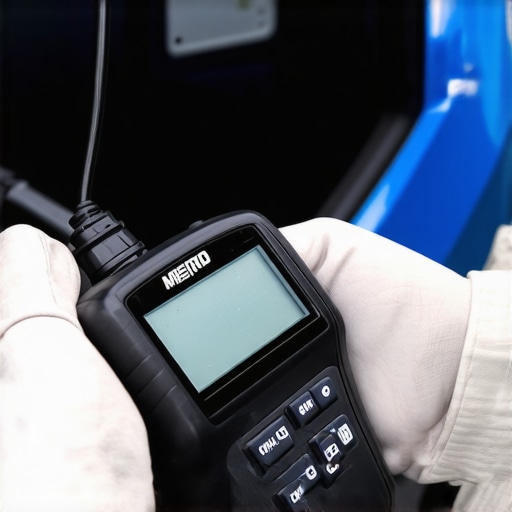
Modern cars rely on sensors like the MAF or O2 sensors to optimize performance. A malfunctioning sensor can send false signals, causing hesitation. I borrowed a diagnostic scanner and plugged it into my car’s OBD-II port, which revealed a faulty throttle position sensor. Replacing this component was straightforward, and my car’s response returned to normal. To do this yourself, connect the scanner, read the error codes, and follow repair instructions for each fault. If uncomfortable, visit your local shop via contact page.
Inspect and Clean Throttle Body for Optimal Air Intake
Over time, carbon deposits can build up in the throttle body, restricting airflow and causing hesitation. I proved this when my engine hesitated under acceleration—removing and cleaning the throttle body with a gasket-safe cleaner significantly improved throttle response. To do this, remove the intake hose, spray cleaner inside, scrub gently with a brush, and reassemble. Regular cleaning prevents buildup, which is a common cause of lag, especially in older vehicles. Consider following professional tune-up tips to maintain optimal airflow.
Examine and Replace Worn Drive Belts and Sparks
Sometimes, the culprit is a worn serpentine belt or loose timing belt that affects engine timing and responsiveness. I replaced my slipping belt after noticing squeals and rough acceleration. To do this, locate the belt, check for cracks or fraying, and replace if needed. Proper tension is also vital—consult your manual for specifications. Performing this maintenance not only fixes hesitation but also prevents breakdowns, similar to how a tight chain ensures smooth bicycle riding. For comprehensive vehicle health checks, consider reviewing this automotive checklist.
Verify Transmission and Clutch Functionality
If your vehicle is manual, an improperly adjusted clutch or slipping transmission can cause hesitation. During my testing, I noticed difficulty engaging gears, which I resolved by adjusting the clutch pedal free play. For automatics, symptoms include delayed shifts or rough engagement. In either case, sourcing expert assistance from latest auto repair trends can help diagnose complex issues. Regular transmission fluid checks, as outlined in tune-up strategies, can prevent hesitations linked to fluid degradation.When it comes to maintaining your vehicle, many believe they understand the basics, but there’s a lot more beneath the surface. One common misconception is that all auto services are created equal— many think that a quick oil change or a cheap brake pad replacement suffices. However, the real nuance lies in knowing which components truly need attention and when. Overlooking subtle signs or relying solely on routine, superficial checks can lead to premature failures. For example, some assume that brake pads last the same duration regardless of driving habits, but aggressive braking, frequent stops, or hilly terrains can accelerate wear. Regularly consult expert maintenance tips to tailor service frequency to your specific driving style, because a one-size-fits-all approach often falls short.
Keeping It Running Smoothly: The Tools That Make the Difference
When it comes to maintaining your vehicle’s health over the years, having the right tools can be a game-changer. I’ve learned through experience that investing in quality equipment not only makes repairs easier but also ensures they’re done correctly, saving you money and time in the long run. For example, I personally rely on a high-grade digital diagnostic scanner, which I use regularly to monitor sensor performance and identify issues early. This device, paired with a comprehensive repair manual, allows me to troubleshoot complex problems without unnecessary trips to the mechanic.
One tool I highly recommend is a magnetic pick-up tool. It sounds simple, but once you drop a bolt or a clip into a tight engine bay, you’ll wish you had one. It’s become invaluable in my toolbox, especially when working in confined spaces during brake service or tune-ups. For routine maintenance, I swear by a torque wrench—precise tightening is critical to avoid over-tightening or under-tightening components, both of which can lead to issues down the line. I stick to a digital torque wrench for its accuracy and ease of use, particularly when adjusting the torque on critical parts like spark plugs or engine mounts.
Regarding software, I recommend investing in a reputable automotive diagnostics app that pairs with your scanner. These apps transmit real-time data and store trouble codes, simplifying the troubleshooting process. Over the years, I’ve found that staying ahead of potential problems by regularly scanning my vehicle is a smart strategy. As automotive technology advances, the trend in diagnostics is shifting towards wireless, cloud-connected systems—expect this to become the norm by 2025 when auto repair trends indicate increased integration of AI and IoT devices.
How do I keep my tools and maintenance routine effective over time?
Consistent calibration and proper storage are key. I recommend cleaning your diagnostic scanner and updating its software every few months to ensure accurate readings. Sharpen and lubricate hand tools regularly, and keep them in a dedicated toolbox to prevent corrosion and loss. Establishing a proactive maintenance schedule, like checking your brake fluid with a reliable tester or inspecting belts, helps extend your vehicle’s lifespan. For guidance tailored to your vehicle, check out expert tune-up strategies to optimize your approach.
By combining high-quality tools with a disciplined maintenance routine, you’ll be better prepared to handle issues before they escalate. Remember, doing proper diagnostics and timely repairs can save hundreds—sometimes thousands—on major repairs later on.
If you’re ready to elevate your maintenance game, start by investing in a good digital diagnostic scanner and a torque wrench. These tools are the foundation of a responsible car owner’s toolkit and will serve you well for years to come. For professional support to get started, don’t hesitate to reach out to trusted auto repair experts.
The Hidden Truths Behind Your Car’s Lag
One of the most eye-opening lessons I learned was that hesitation isn’t just an annoyance—it’s a voice from your vehicle warning you of deeper issues. Ignoring subtle signs can unexpectedly turn a manageable repair into a costly ordeal, emphasizing the importance of listening closely to your car’s whisperings. The more I trusted my instincts and paid attention to the early warning signs, the better I could prevent breakdowns and extend my vehicle’s lifespan. This approach isn’t about panic; it’s about empowerment through awareness.
Gear Up with Tools That Save You Time and Money
Investing in high-quality diagnostic tools became a game-changer for me. A reliable scanner, combined with an automotive app, keeps me ahead of potential issues and reduces the reliance on guesswork. I’ve found that a sturdy torque wrench and a flashlight are as essential as my mechanic’s manual; they make maintenance safer and more efficient. Trusting these tools, which I regularly calibrate and maintain, ensures my car stays in prime condition, embodying the proactive mindset every car owner should adopt.
Fuel Your Knowledge with Expert-Trusted Resources
Over time, I discovered that the right information is crucial. Resources like this comprehensive maintenance guide and the ultimate service schedule helped me understand when to act before problems become emergencies. These sources are filled with insights I trust, guiding me through DIY checks and prompting timely professional interventions. Knowledge truly is power, especially when it comes to car health.
Keep Your Car Happy—And You Will Be Too
This journey taught me that car care isn’t just about fixing problems; it’s about fostering a relationship of trust with your vehicle. The sense of control and assurance you gain from routine care and early diagnostics cannot be overstated. I’ve come to see each service as an investment in peace of mind, not just expense. Your car’s hesitation signals are the first step—embrace them with curiosity and a readiness to learn, and you’ll find that maintaining your vehicle becomes a rewarding part of everyday life. Ready to take the reins? Share your hesitations and how you’ve tackled them in the comments below.