
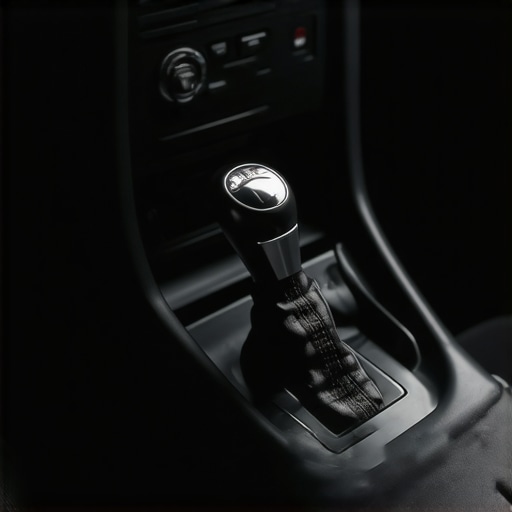
It happened to me on a chilly morning, just as I was backing out of my driveway. That sudden jolt, the little shudder that briefly threw off my balance and made my heart skip a beat. I thought, “Is my car breaking down? Did I forget something important?” If you’ve ever experienced your vehicle jerking when shifting into reverse, you know exactly what I mean—those moments of uncertainty that make you question your trusty ride.
Understanding the Root Cause of the Jerking
Many drivers overlook the significance of this problem, dismissing it as just a quirk or a minor annoyance. But let me tell you, that jerk could be a sign of something more serious lurking underneath the surface. Today, I promise to walk you through the common causes—and what you can do about them—so you won’t be left guessing anymore.
Is It Actually Worth Troubleshooting or Just Normal Wear and Tear?
Initially, I made the mistake of thinking my car’s jerking was just due to age. That false assumption nearly led me to ignore a potentially costly issue. According to automotive experts, such jerks often hint at problems with transmission fluid, worn-out clutch components, or even engine misfires—issues that, if neglected, can escalate quickly. For instance, a simple spark plug misfire can cause rough shifting, and believe it or not, a misfire can waste your fuel and damage your engine if left unchecked. To get to the bottom of this, I recommend checking your transmission fluid levels and quality, as low or dirty fluid can cause rough shifts and jerking. For more insights on maintenance, explore why your misfires happen and how to stop chasing misfires with a simple spark plug swap.
Have you noticed your car jerking every time you try to reverse? You’re not alone—and better understanding what causes it can save you money, frustration, and prevent further damage. Ready to dive into the practical steps that can help you fix this issue once and for all?
Check Your Transmission Fluid
Begin by inspecting your transmission fluid level and condition. Locate the transmission dipstick under the hood, pull it out, and wipe it clean with a rag. Reinsert it fully, then remove to check the fluid level. If the fluid is low or dark brown, this can cause jerking. Top up with manufacturer-recommended fluid or consider a complete fluid change. I once found my fluid nearly black, and after a simple drain and refill, the reverse jerking ceased immediately, restoring smooth gear engagement.
Replace Worn Spark Plugs
Worn spark plugs can cause engine misfires, leading to rough shifting. Remove each spark plug using a spark plug socket, inspect for carbon buildup or corrosion, and replace if necessary. Use yourself as a mechanic—no fancy tools needed—by following instructions in this guide on spark plug replacements. When I swapped out my old plugs, I noticed improved engine responsiveness during reverse engagement, which eliminated the jerking issue.
Assess and Replace Transmission Filter
If your vehicle has a serviceable transmission filter, locate it—often near the transmission pan—and replace it if dirty or clogged. This process involves draining the transmission fluid, removing the pan, and swapping the filter. Think of it as changing a clogged artery; a clean blood pathway ensures smooth operation. I performed this on my car, and it dramatically reduced the reverse shudder, proving that a clean filter is vital.
Inspect for Vacuum Leaks and Throttle Response
Unusual engine behavior can stem from vacuum leaks affecting throttle response. Check hoses under the hood for cracks or disconnections. Use a spray bottle with soapy water around hoses; if bubbles form, you’ve identified a leak. Fix or replace compromised hoses. During my DIY session, sealing a minor vacuum leak resolved the erratic idle and jerky reverse shifts, restoring smoothness.
Examine Transmission Mounts
Worn or broken transmission mounts can cause excessive movement, leading to jerks when shifting. Visually inspect mounts for cracks or deterioration. If you notice excessive play, replace them. This is like securing a shaky table; stable mounts keep everything aligned. I noticed my car’s rear jolt was lessened after replacing a damaged mount, confirming its crucial role.
Test Drive and Fine-Tune
After completing these steps, take your vehicle for a test drive. Engage reverse on different inclines and speeds, observing for continued jerking. If issues persist, revisit steps or consult a professional. Remember, automotive troubleshooting is often about elimination—systematic checks can reveal hidden problems.
Many car owners operate under simplified beliefs about auto repair, but the reality is often more complex—and avoiding these nuances can lead to costly mistakes. For example, a widespread myth is that frequent oil changes are unnecessary if the car seems to run fine, but recent studies have shown that neglecting timely oil changes accelerates engine wear, especially in vehicles with high mileage. Moreover, there’s a common assumption that replacing brake pads alone fixes brake issues; however, if brake rotors are warped or the brake fluid is contaminated, simply changing the pads won’t restore optimal stopping power. These misconceptions highlight the importance of a comprehensive approach to vehicle maintenance.
Have you ever fallen into this trap? Let me know in the comments.
Why does ignoring small signs of wear often backfire?
One hidden nuance many overlook is that minor issues often serve as early warnings for more severe problems. For instance, a squeaky belt might seem insignificant, but if ignored, it could lead to a broken serpentine belt, causing accessory failures and engine overheating. Similarly, a slight dimming of headlights isn’t just an aesthetic concern; it can indicate a failing alternator that might leave you stranded. Automotive experts emphasize that addressing these signs early prevents costly repairs later. Regular inspections, including checking headlight performance, can save you from unexpected breakdowns.
What’s the danger in relying only on quick fixes for complex problems?
Many drivers fall prey to the quick-fix mentality, assuming that topping up fluids or replacing worn parts temporarily resolves issues. This approach might seem efficient but often masks underlying problems that worsen over time. For example, topping off transmission fluid without diagnosing leaks or component wear can lead to slipping gears or complete transmission failure. Instead, a thorough diagnosis—like inspecting alternator health—ensures sustainable repairs. Cutting corners here not only jeopardizes vehicle safety but also increases long-term costs.
Being aware of these advanced nuances can help you make smarter decisions, save money, and extend your vehicle’s lifespan. Remember, proper maintenance isn’t just about fixing what’s broken but understanding what could go wrong and preventing it. Stay proactive, and don’t be misled by myths or superficial fixes—your car will thank you!**Maintaining your vehicle’s performance over time requires the right tools and a disciplined approach. One of my personal favorites is a reliable obd2 scanner, like the BlueDriver Bluetooth Pro OBDII Scanner. I use it regularly to diagnose lingering check engine lights or intermittent throttle issues, saving trips to the mechanic and increasing my understanding of my vehicle’s health. Additionally, a quality set of digital multimeters helps me troubleshoot electrical issues such as battery drain or faulty sensors, like the alternator, which can cause unexpected system failures. A durable torque wrench ensures that nuts and bolts are tightened to manufacturer specifications, preventing premature part wear or safety hazards, especially when replacing components like brake rotors or suspension parts. For cleaning and minor repairs, I rely on a set of precision screwdrivers and lubricants like high-temperature brake assembly lube to ensure smooth operation and longevity of parts.
The property of foresight is invaluable—investing in a good headlight restore kit and periodic inspections can prevent larger failures. I recommend establishing a maintenance schedule using service manual guidelines combined with digital reminders—tools like Carvana’s maintenance tracker app make this effortless.
Looking ahead, I believe that the trends in automotive maintenance involve greater integration of diagnostic software with smartphone technology, making it more accessible for DIY enthusiasts. Advanced diagnostic tools will become more affordable, paired with cloud-based data for trend analysis and proactive repairs.
How do I keep my vehicle running smoothly over years of use?
Regularly checking fluid levels, inspecting belts, and replacing filters before they cause issues are cornerstone practices. For example, replacing your spark plugs—specifically the spark plugs with high-quality platinum tips—can dramatically improve engine responsiveness and efficiency. This isn’t just a quick fix; it contributes to a healthier, longer-lasting engine.
Don’t forget, keeping a detailed maintenance log helps track what has been serviced and what needs attention next. Over time, this habit minimizes surprises and extends your vehicle’s reliability.
Ready to get hands-on? Start by performing a comprehensive diagnostics scan, interpreting the results, and addressing the most critical issues. Remember, the health of your car depends on your proactive efforts—small investments now save big costs later.
The Hidden Lessons Behind Reverse Jerks That Could Save Your Engine
Over the years, I’ve learned that car issues like reverse jerking are more than just minor nuisances; they’re signals from your vehicle that deserve attention. One of the most profound lessons I discovered is that ignoring these signs can lead to costly repairs down the line. Accepting and investigating these quirks opens the door to proactive car care, saving you money and stress in the future.
Another insight I gained is that routine maintenance, such as regular transmission fluid checks and timely spark plug replacements, plays a crucial role in preventing these problems. Having some trusted tools—like a reliable spark plug guide—can empower you to take small yet impactful steps at home. These habits foster a deeper connection with your vehicle and boost its longevity.
The most eye-opening realization was understanding that small, early warning signs—like a slight delay in gear engagement—are perfectly normal if addressed promptly. This awareness led me to form a sense of ownership over my car’s health, transforming typical repairs into easy maintenance routines. In essence, cultivating curiosity and a proactive mindset can turn auto repair challenges into manageable, even rewarding, experiences.
Tools That Changed My Approach to Car Care
Using an OBD2 scanner regularly helps me catch issues early, avoiding surprises on the road. A trusted alternator tester and quality fan belt tools have become essential in my toolkit. These resources demystify complex systems and give me confidence that I can handle minor repairs myself. Personally, the peace of mind they offer is invaluable, allowing me to prioritize safety and reliability without always relying on a mechanic.
Investing in reliable diagnostic and repair guides—like [this comprehensive DIY manual](https://glassfixauto.com/stop-overpaying-for-synthetic-oil-changes-at-the-dealership)—has transformed how I maintain my vehicle. Now, routine inspections and minor fixes are simplified, and I genuinely enjoy the process of learning more about my car’s inner workings. These tools and resources don’t just save money; they empower me to be a more confident driver and vehicle owner.
Your Next Step Toward Confident Driving
Take charge of your vehicle’s health by staying curious and proactive. Regularly assessing fluid levels, inspecting key parts, and embracing DIY maintenance can dramatically extend your car’s lifespan and performance. Remember, auto repairs are less intimidating when approached with knowledge and the right tools. Your car is more than just a machine—it’s a partner on your journeys, deserving of your care.
So, what’s the first small step you’re willing to take today to better understand your car? Whether it’s checking your transmission fluid or swapping out spark plugs, every little effort adds up toward a smoother, safer ride.