
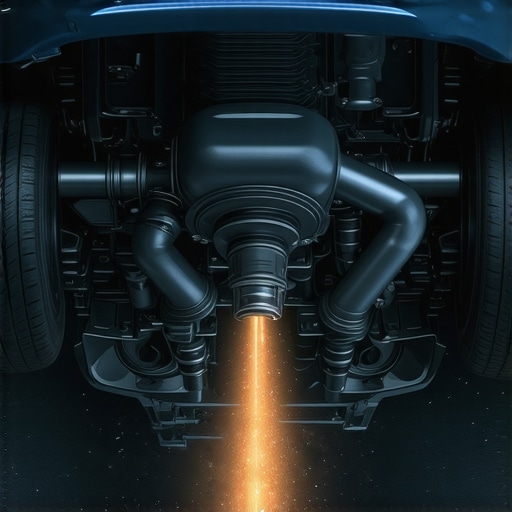
One morning, I hurried out to my driveway, eager to get to work. As I started my car, a sudden, foul smell hit me hard—like rotten eggs. Then, as I pressed the gas pedal, the odor intensified, and I began to wonder: what’s going on with my ride? That lightbulb moment made me realize I wasn’t alone—many drivers face this pungent mystery and have no idea where to turn for answers.
Why Does My Car Smell Like Rotten Eggs When I Accelerate?
The smell of rotten eggs, often described as sulfurous, typically points to a problem with the vehicle’s emissions system or exhaust. When you accelerate, it’s like flipping a switch that reveals underlying issues. In my case, I learned that sulfur compounds in the exhaust fumes might be escaping due to a faulty catalytic converter or an engine misfire. These components are crucial—they convert harmful gases into less toxic emissions. If they’re compromised, you can experience that distinctive sulfur odor, especially during acceleration when exhaust gases are more forcefully expelled.
It’s no small matter. Not addressing this smell not only makes your drives unpleasant but could also indicate more severe problems, such as increased emissions and potential damage to your engine. From personal experience, overlooking this warning can lead to costly repairs down the line. That’s why I promised myself I’d get to the root of the odor—and I want to help you do the same. Today, we’ll delve into the common causes and straightforward fixes for that rotten egg smell.
Is It Worth Worrying About the Odor or Just a Nuisance?
Initially, I thought it was just a weird smell that would pass. But over time, I realized ignoring it could harm my engine and the environment. A mistake I made early on was dismissing the odor as a minor issue and delaying my inspection. That delay only worsened the problem. According to automotive experts, a failing catalytic converter can lead to a buildup of sulfur gases, which, if left unchecked, might cause your exhaust system to overheat or your engine to perform poorly. For more details on how regular maintenance can prevent such issues, check out this guide on tune-ups.
Have you experienced this rotten smell during acceleration? If so, keep reading—because understanding the root cause is the first step toward a safer, more pleasant ride. Let’s explore the common culprits and simple solutions you can implement today.
**
Inspect the Catalytic Converter First
Think of the catalytic converter as a city’s waste management plant; it transforms harmful gases into harmless ones. When it’s clogged or malfunctioning, sulfurous fumes can escape, causing that rotten egg smell. To check this, start your engine and look for signs like decreased performance or overheating. If you notice sluggish acceleration or abnormal heat, the converter may be failing. I once experienced this myself when after a long drive, I tried to inspect the converter visually—carefully removing the shield to avoid burns—and found signs of melting ceramic inside. Replacing the catalytic converter is crucial; otherwise, the smell won’t go away. For guidance, see how regular tune-ups improve car health.
Test for Exhaust Leaks
Leaks in the exhaust system can send sulfur smells into the cabin. To pinpoint this, park your car in a well-ventilated area, start the engine, and listen for hissing sounds or look for black soot around joints. Wearing safety gear, use a mirror to inspect the exhaust pipe closely. I once used a flashlight and a mirror to find a tiny crack near the muffler, which was the culprit. Sealing small leaks with high-temperature exhaust tape can temporarily fix the issue; however, a professional repair or replacement is advised for long-term safety. Discover more about exhaust system repairs here.
Assess Engine Performance and Misfires
A misfiring engine can lead to incomplete combustion, resulting in sulfurous gases leaking into the exhaust. To check this, monitor engine response: rough idling, stalling, or reduced power are signs. Use an OBD-II scanner to see if any codes relate to misfires or sensor issues. I remember borrowing a scanner from a friend and seeing P0302 code indicating a cylinder misfire. Fixing spark plug gaps or replacing faulty coils often clears these symptoms. For detailed troubleshooting, visit auto repair troubleshooting tips.
Perform Regular Maintenance Checks
Prevent issues by scheduling routine tune-ups, much like maintaining a garden keeps pests away. Check your vehicle’s emission system and replace filters as needed. An often overlooked step is inspecting for black soot around the tailpipe, hinting at rich fuel mixtures that can worsen sulfur smells. When in doubt, consulting with a professional mechanic can pinpoint the exact cause—like I did when I experienced persistent odors, which led me to a faulty oxygen sensor. Regular tune-ups not only prevent this smell but improve fuel efficiency and reduce emissions, as detailed here.
Seek Professional Help When Needed
If after your inspections the smell persists, don’t hesitate to visit a trusted auto repair shop. Their expertise can diagnose issues invisible to the untrained eye. Think of it as calling in a specialist for a stubborn plumbing leak—you might fix the surface problem but need expert diagnosis for the real cause. You can find trusted service providers via contact us.
Many vehicle owners assume that all auto services are straightforward and that following basic advice suffices for optimal performance. But in my experience, misconceptions about brake service, tune-ups, and car maintenance can lead to costly mistakes. One prevalent myth is that replacing brake pads alone will solve all braking problems. While necessary, if you neglect other components like rotors, brake fluid, or calipers, you might still experience issues. A thorough brake service involves inspecting and maintaining the entire system, not just the pads. Rushing into repairs without understanding these nuances can cause further damage. According to industry experts, incomplete or superficial repairs can compromise safety and longevity of your braking system. Therefore, it’s crucial to comprehend what an effective brake service entails and to avoid shortcuts that seem convenient but are ultimately risky. Additionally, many drivers overlook the importance of regular tune-ups, believing they are only necessary before hitting trouble. In reality, routine tune-ups improve fuel efficiency, engine performance, and prevent breakdowns. The common mistake is to delay scheduling these essential services until symptoms become severe, which often leads to more expensive repairs. I recommend adhering to your manufacturer’s suggested maintenance schedule and understanding what each service covers. For instance, inspecting sensors and filters during a tune-up can preempt issues before they escalate. Think about it this way: a well-maintained vehicle performs better, lasts longer, and saves you money. But what about myths related to auto repair that can mislead even seasoned car owners? One I often encounter is the idea that using cheap or generic parts always saves money. Contrarily, using subpar components can cause immediate failures or reduce the lifespan of repairs. Trusting quality parts and professional expertise ensures that your investment pays off in the long run.
Have you ever fallen into this trap? Let me know in the comments. Now, let’s explore an advanced question that many car enthusiasts might ask:
Why is it essential to perform a complete diagnostics check before any brake or engine repair, even if symptoms are localized?
Performing a comprehensive diagnostics check uncovers underlying issues that are not immediately apparent but could cause significant problems if left unaddressed. Modern vehicles are complex, with interconnected systems; a symptom like brake squealing might be linked to ABS sensor malfunction, worn brake fluid, or even steering component issues. Relying solely on visible or immediate symptoms can lead to incomplete repairs, which may only provide temporary relief. For example, a study by the Automotive Service Association highlights that 80% of vehicle breakdowns are caused by overlooked underlying issues that a full diagnostic could detect early. This proactive approach saves money and enhances safety, ensuring that repairs address root causes—and not just symptoms.
In conclusion, avoiding common misconceptions and understanding the nuances in auto service can profoundly impact the performance and safety of your vehicle. Don’t settle for quick fixes; invest in thorough inspections and professional maintenance, and your car will thank you over the years. If you’re unsure about your vehicle’s needs, reach out to trusted experts who follow best practices—like at our shop—to keep your ride smooth and safe for the long haul.
Maintaining your vehicle’s performance over the years requires more than just routine oil changes; it demands the right set of tools and a strategic approach to long-term care. Having invested in quality equipment and adopting effective methods, I’ve found that keeping my car reliable and efficient isn’t just about fixing problems—it’s about preventing them before they start.
How do I maintain my car’s health over time?
One of the most empowering steps I took was investing in a reliable OBD-II scanner. I personally use the BlueDriver diagnostic tool because it provides professional-grade readings and allows me to clear error codes swiftly. Unlike generic scan tools, BlueDriver integrates with my smartphone, offering detailed explanations and repair suggestions based on the codes, which saves time and guides me towards effective fixes.
Alongside diagnostics, I regularly check and replace specific fluids. For example, brake fluid degrades over time, absorbing moisture that can impair braking performance. I adhere to a strict schedule—flushing brake fluid every two years as recommended by auto industry experts. A quality brake fluid tester, like the Delay-O-Meter, helps me monitor fluid condition and avoid guesswork, ensuring my braking system remains responsive and safe.
Additionally, I keep a set of essential hand tools—ratchets, sockets, screwdrivers, and a torque wrench—carefully selected for their durability and precision. I prefer tools from Snap-On because of their reliability in high-torque applications, which is crucial when working on components like suspension or brake assemblies. Using proper tools prevents damage and ensures safety during DIY maintenance.
Another aspect is employing software updates and tune-ups. I utilize manufacturer-approved software update tools to load the latest firmware into my vehicle’s controller units, optimizing engine performance and fuel efficiency. Regular tune-ups, supported by a diagnostic checklist, help me identify issues early. For detailed procedures on tuning and diagnostics, I consult this resource.
Looking forward, auto diagnostics are moving towards even greater integration with AI and cloud computing, enabling real-time vehicle health monitoring. This trend promises to make preventive maintenance more proactive, reducing breakdowns and extending vehicle lifespan.
One actionable tip I highly recommend: invest in a quality diagnostic scanner and learn to interpret the codes yourself. It’s a game-changer that empowers you to address minor issues before they escalate, saving both money and stress. By combining this with routine fluid checks and using the right tools, you’ll keep your vehicle performing reliably for years to come. Ready to get started? Check out our contact page to find expert advice tailored to your car’s needs.
Lessons That Changed My Approach to Brake and Auto Care
- Never underestimate the power of routine inspections. Discovering a small leak early on can save you from costly repairs and unexpected breakdowns, as I learned the hard way when delaying a brake fluid change led to a seized caliper.
- Understanding the interconnectedness of systems matters. When I found my engine misfiring, I realized that sensors and wiring could be at fault, not just the obvious components. Regular diagnostics can reveal hidden issues before they escalate.
- Trusting genuine parts and professional advice makes all the difference. Opting for high-quality brake pads and following expert repair guides helped me extend the life of my brake system and avoid unnecessary replacements.
Tools and Resources That Keep My Car Running Smoothly
- BlueDriver Diagnostic Scanner: It’s my go-to for quick codes and detailed explanations. Having the right diagnostic tool empowers me to catch issues early and understand what my car needs.
- Consumer Reports Auto Repair Guides: Trusted for their thorough, unbiased advice on maintenance schedules and component quality. They’ve helped me make informed decisions on repairs and upgrades.
- Automotive Forums and Community Groups: Connecting with fellow enthusiasts and professionals provides real-world tips and troubleshooting insights that you won’t find in generic manuals.
Your Car’s Future Starts Today
Taking control of your auto care journey isn’t just about fixing problems—it’s about building confidence and extending your vehicle’s lifespan. By embracing routine checks, expert recommendations, and the right tools, you can enjoy safer, smoother rides for years to come. So, are you ready to start implementing these lessons and take your car’s health into your own hands?
What’s the first step you plan to take to improve your vehicle’s maintenance routine? Let me know below!