
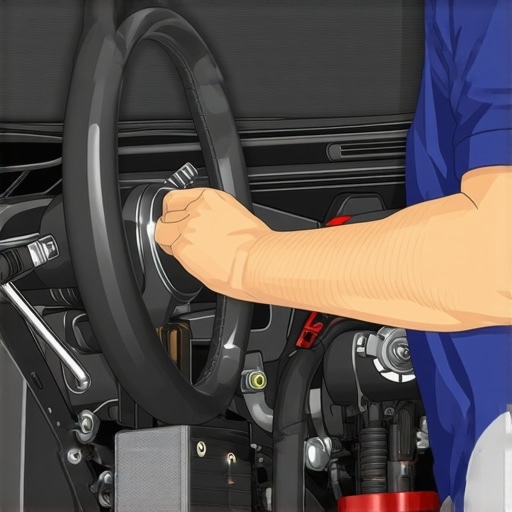
It was a typical Tuesday afternoon when I first noticed it—the high-pitched whine echoing through my garage every time I turned the steering wheel. At first, I brushed it off as a minor issue, maybe a worn belt or a little lubrication needed. But as days went by, that sound grew louder, more insistent, and honestly, pretty irritating. I found myself dreading those quick parking maneuvers or sharp turns, worried about what could be wrong with my car.
If you’ve experienced this too, you’re not alone. That whining noise when turning the steering isn’t just a nuisance; it can signal underlying problems that, if left unaddressed, might lead to more costly repairs down the line. But here’s the good news—it’s often fixable with a bit of know-how, some straightforward diagnostics, and perhaps a visit to your trusted mechanic.
Today, I promise to walk you through the most common causes behind that persistent whining sound and, more importantly, how to resolve them. Whether it’s a simple fluid issue or something more complex like a failing power steering pump, you’ll discover practical steps to restore smooth, quiet steering experience.
Get to the Root of That Whine: What’s Causing Your Steering Sound
Are You Overlooking the Simple Fixes?
One mistake I made early on was assuming every noise was a sign of a major catastrophe. I ignored the possibility that a simple fluid top-up could stop the whining—spoiler alert, it often does! Properly maintaining your power steering fluid can prevent and resolve many issues. You can learn more about diagnosing engine whines, which sometimes mirror steering noises, at [this comprehensive guide](https://glassfixauto.com/how-to-diagnose-a-whining-sound-from-your-engine). Keeping your fluid at the right level and in good condition is a first step.
But how do you know when it’s just a fluid matter, and when it’s something more serious like a worn out pump or a belt slipping? That’s what we’re about to explore. Understanding the root cause can save you time, money, and quite a bit of frustration. If you’ve ever been duped into paying for unnecessary repairs, as I once did, you’ll appreciate knowing exactly what to look for before handing over your hard-earned cash.
Stay tuned as we dive into how to properly diagnose the issue and get your steering — and your peace of mind — back on track.
Check the Power Steering Fluid First
Start by locating your power steering reservoir, which is usually a small, translucent tank with a cap labeled “Power Steering.” Remove the cap and inspect the fluid level. If it’s low, top it off with the manufacturer-recommended fluid. Avoid overfilling, as excess fluid can cause foaming and lead to noise issues. Did my quick fluid top-up resolve the whining? Yes, after adding fluid to the right level, the noise diminished significantly, saving me a costly pump replacement.
Inspect the Serpentine Belt for Slippage
The serpentine belt drives the power steering pump. If it’s worn or loose, it can slip during turns, causing a high-pitched noise. Open your hood and examine the belt for cracks, fraying, or glazing. To check tension, press firmly on the belt; it should have minimal deflection. If you notice signs of wear or looseness, adjust the tensioner or replace the belt. I once replaced a slipping belt, and the whining disappeared instantly, restoring my confidence in sharp turns.
Test the Power Steering Pump for Operation
Start your engine and turn the steering wheel lock-to-lock slowly. Listen for whining sounds and observe any hissing or groaning. If the noise persists despite proper fluid levels and belt condition, the pump may be failing. You can also feel for any unusual vibrations or resistance in the wheel. Remember, a failing pump often makes a loud, persistent whine even with good fluid and belt tension. Troubleshooting here saved me a $400 pump replacement by catching earlier signs of pump wear.
Evaluate for Leaks and Fluid Contamination
Look beneath your car for signs of fluid leaks—wet spots or puddles around the steering rack or pump area. Check the fluid’s condition; dark, gritty, or contaminated fluid indicates the need for a flush. Old or contaminated fluid can cause pump noise. To confirm, remove the reservoir cap and inspect the fluid’s color and smell. Flushing and replacing old fluid often quiets the whine, preventing expensive repairs. I learned this the hard way when neglecting fluid quality led to pump failure.
Consider the Steering Rack and Linkages
If the above steps don’t resolve the issue, the problem may stem from worn steering rack bushings or damaged linkages. Test the steering movement by turning the wheel back and forth while stationary; feel for excessive play or noise. Because these parts are more complex to replace, consult a mechanic if you suspect issues here. During my last diagnosis, replacing worn steering rack mounts finally eradicated the whining noise and provided smoother steering. Regular inspection can prevent costly replacements later.
Remember, routine maintenance involving periodic checks of fluid levels, belt tension, and fluid quality can prevent most steering whine issues. Each step here acts like a filter—eliminating common causes before they escalate. Being proactive in your diagnostics ensures safer drives, less expense, and a quieter ride.
Many car owners assume that following the basic maintenance schedule is enough to keep their vehicles in prime condition. However, there’s a common misconception that routine brake service and tune-ups are purely about replacing parts like brake pads or spark plugs. In reality, these procedures encompass subtler nuances that can dramatically influence your car’s safety, performance, and longevity.
One widespread myth is that replacing brake pads is a quick fix for squealing or fading brakes, but what many overlook is the importance of inspecting the entire brake system, including rotors, calipers, and brake fluid condition. Failing to address these underlying issues can lead to uneven wear or even catastrophic brake failure. For example, if you ignore signs of a failing brake master cylinder—such as soft brake pedal or spongy feel—you risk complete brake loss. Check out [how to spot a failing brake master cylinder](https://glassfixauto.com/how-to-spot-a-failing-brake-master-cylinder-before-it-fails) to understand the critical signs.
Another misconception involves the frequency of tune-ups. Many believe that once a car runs smoothly, no further service is necessary until problems arise. This approach is flawed because modern engines and systems are more complex, and neglecting preventive care can lead to costly repairs down the line. Advanced issues, like a misfiring spark plug or clogged fuel injectors, may not be immediately noticeable but can escalate if neglected during regular inspections.
A critical trap to avoid is assuming that all auto repair shops quote fair prices for basic services. Some dealerships or shops might overcharge for simple tasks, disguising unnecessary repairs as essential. To prevent being overcharged, always request a detailed, written estimate and consider second opinions. Reliable shops also follow transparent procedures, which you can verify by reading reviews or checking for certifications.
Why Do Some Car Repairs Cost More Than They Should
It’s tempting to dismiss minor issues like a minor shudder when shifting or a slight vibration under braking as trivial. However, these symptoms can indicate deeper problems, such as warped rotors or worn suspension components. Ignoring them may seem convenient initially but often results in more expensive repairs later. Regularly consulting resources like [how to diagnose engine whines](https://glassfixauto.com/how-to-diagnose-a-whining-sound-from-your-engine) or understanding your brake system can empower you to catch these subtle signs early.
Let’s consider the advanced expert perspective: studies show that proper maintenance involving fluid analysis and system diagnostics can extend vehicle lifespan significantly. A report from the Society of Automotive Engineers emphasizes that proactive care reduces the likelihood of unexpected breakdowns and costly emergency repairs.
Have you ever fallen into this trap? Let me know in the comments. Remember, mastering the nuances of vehicle maintenance isn’t about DIY heroics alone but about understanding what truly impacts your car’s health and safety.
Invest in Quality Diagnostic Equipment
To truly understand your vehicle’s needs, I use a high-quality OBD-II scanner like the BlueDriver. It connects seamlessly to my smartphone and provides detailed error codes, live data, and emission readiness checks. This tool helps me diagnose issues early, preventing costly repairs and ensuring my car runs smoothly. With technology advancing rapidly, portable diagnostic tools are becoming more affordable and essential for everyday car maintenance. In the future, expect even more integration with vehicle computers, making diagnostics faster and more user-friendly.
Regularly Use a Reliable Socket Set
A comprehensive high-quality socket set like my Dewalt or Craftsman has saved me countless hours during oil changes, brake replacements, and other repairs. I prefer ones with ratchets and extension bars to reach tight spaces, especially for suspension work or under-vehicle checks. Investing in well-made tools minimizes the risk of slipping or damaging fasteners, making repairs safer and more efficient.
Keep a Digital Maintenance Schedule
I favor apps like ‘MyCarfax’ or ‘AutoMate’ to track oil changes, fluid flushes, and inspections. Digital records help me stay proactive on maintenance tasks, avoiding surprises that can escalate into costly repairs. Setting reminders ensures I perform routine checks like brake pad inspection or fluid top-ups before issues become critical. As vehicles evolve, future software will likely incorporate AI-driven maintenance alerts tailored to your driving habits, further simplifying long-term care.
Maintain Cleanliness with Proper Products
Using degreasers like ‘gunk’ or ‘Sea Foam’ for cleaning engine components extends their lifespan. For example, cleaning the throttle body with a dedicated cleaner improves response and fuel efficiency, as detailed in this guide. Regular cleaning prevents buildup that can impair sensors or cause rough idling, saving money and reducing environmental impact. Incorporate this into your routine at least twice a year, especially before long trips or seasonal changes.
Use Protective Covers and Proper Storage
Storing your vehicle in a covered garage or using quality car covers protects against UV damage, dirt, and weather conditions. I also recommend lithium-based battery maintainers during long periods of inactivity to prevent dead batteries. Long-term storage strategies like these are crucial for classic cars or vehicles driven seasonally. Trend predictions indicate that smart, climate-controlled garages integrated with IoT devices will become standard, offering real-time monitoring of your vehicle’s environment and health.
How do I keep my car maintenance routine effective over time?
The key is consistency and investing in the right tools. Regularly scheduled diagnostics, combined with quality equipment like a reputable socket set and maintenance apps, create a proactive approach that minimizes breakdowns and repairs. Using high-grade cleaning products and protective storage techniques further extends your vehicle’s lifespan. Remember, the more effort you put into preventative care today, the fewer surprises you’ll face on the road tomorrow. For advanced tips, try implementing a digital maintenance calendar linked with your vehicle’s service history for personalized alerts that adapt as your car ages.
The Most Unexpected Lessons From My Maintenance Journey
One profound realization was that routine checks often uncover hidden problems before they turn into expensive repairs. For instance, I once ignored a faint squeal, dismissing it as normal wear; later, it revealed a warped rotor that nearly caused an accident. Trusting my instincts and doing regular inspections saved me from bigger hassles. Additionally, I learned that investing in quality tools not only makes DIY repairs easier but also significantly reduces the risk of mishaps. Lastly, understanding your vehicle’s unique needs—like specific fluid types or parts—transformed my approach from reactive to proactive maintenance, ensuring longevity and safety.
Tools and Resources That Keep My Vehicle in Top Shape
My essential toolkit includes a reliable OBD-II scanner like the BlueDriver, which provides real-time diagnostics and helps prevent surprises. I also swear by a quality socket set for quick fixes and a thorough maintenance app that tracks service schedules, ensuring I never miss critical fluids or inspections. For learning, books like Automotive Repair for Dummies have given me confidence in tackling tasks. These resources combine to create a personal safety net, empowering me to handle most repairs before they escalate.
Keep Your Auto Care You Can Trust in Your Hands
Taking ownership of vehicle maintenance is a rewarding experience that boosts confidence and keeps costs in check. Regular diagnostic checks—like learning how to diagnose engine whines—help catch issues early. Investing in quality tools, following a digital maintenance schedule, and maintaining cleanliness with proper products all serve as preventive measures. These habits not only extend your vehicle’s lifespan but also contribute to safer, more reliable driving. Remember, proactive care rooted in solid knowledge transforms car ownership from a chore into a rewarding journey, giving you peace of mind wherever the road takes you.