

It was mid-July, the kind of humidity that makes your shirt stick to your back the second you step outside. I pulled my old sedan into the driveway, clicked the key to ‘off,’ and waited for the silence. It never came. Instead, my car sounded like a Boeing 747 preparing for a cross-Atlantic flight. That cooling fan was spinning so fast I thought the car might actually hover. I figured, ‘Hey, it’s 95 degrees, let it cool down.’ Huge mistake. I woke up to a stone-cold battery and a car that wouldn’t even click. If your engine fans stay at high speed constantly, you aren’t just wasting power; you’re likely staring at a fail-safe mode designed to keep your engine from melting into a puddle of aluminum. [image]
Your Car Sounds Like a Jet Engine and It’s Driving Me Crazy
I’ve spent a lot of time under hoods, and I can tell you that a fan stuck on high is the car’s way of screaming for help. Usually, the Engine Control Unit (ECU) triggers high speed because it’s lost its mind or it’s terrified of the heat. Have you ever walked away from your car only to hear that roar continuing for ten minutes? I’ve been there, and I’ve even seen cases where your radiator fan stays on after the engine is off for no apparent reason. We are going to figure out exactly why your cooling fan is acting possessed and how to fix it before it costs you a new motor or a tow truck.
Is This Going to Be a Thousand-Dollar Repair?
This is the first thing everyone asks me. The short answer? Probably not. While a failing ECU can be pricey, the most common culprits are remarkably cheap. However, if you ignore it, you risk blowing a head gasket or destroying your battery. According to AAA, cooling system failure is one of the leading causes of mechanical breakdown on the highway, and that constant fan is your early warning system. I remember once I tried to ‘fix’ this by just pulling the fuse—classic rookie move. I almost turned a simple repair into a nightmare because I didn’t understand the hidden cost of skipping a scheduled coolant flush. Have you ever faced this specific problem where the noise just won’t stop?
Stop Chasing Ghosts and Look at the Sensor First
The biggest mistake I ever made was assuming the fan itself was broken. I bought a brand new assembly, spent three hours sweating while I installed it, and guess what? The new one did the exact same thing. The fan is just a soldier following orders. The real general is usually the Coolant Temperature Sensor (CTS). If that sensor fails, it often defaults to ‘maximum cooling’ because the computer would rather be too cold than let the engine explode. This often coincides with other weird symptoms, like when your engine temperature spikes only when idling. Before you spend a dime on big parts, we need to check the signal. If you’ve ever found yourself troubleshooting common auto repair issues before visiting the shop, you know that fans are usually the loudest symptom of a much deeper, silent problem.
Stop Guessing and Start Testing the Sensor
To fix a fan that won’t shut up, you have to realize that the sensor is the middleman between the heat and the brain. If you want to know if yours is toast, you can actually use the best way to test an engine thermostat at home as a starting point, because a stuck thermostat can mimic sensor failure. But more often, the sensor is simply sending the wrong voltage. I’ve seen people replace their entire radiator when all they needed was a $20 plastic plug. A faulty sensor is like a broken thermometer; it tells the car it’s boiling even if it’s freezing.
Why the Wiggle Test Saves You a Hundred Bucks
Before buying parts, check the connector. Heat makes plastic brittle and wires fray. I once spent an entire Saturday on an old sedan thinking the ECU was fried. It turned out the wire was just loose enough to lose signal intermittently. If you’re worried the car is lying to you, learn how to tell if your computer is giving you a false error code before you start throwing money at sensors. A bad connection is like a bad phone line; the message gets garbled, and the fan goes into emergency mode. I used a bit of electrical cleaner and a toothbrush to scrub the pins, and the ‘jet engine’ sound vanished instantly.
Hunt Down the Stuck Relay That Refuses to Sleep
Think of a relay like a light switch. When it gets old, the internal points can literally weld themselves together from the heat of the electricity. This means even when you turn the car off, the ‘switch’ is stuck in the ‘on’ position. If you’ve noticed how to spot a bad ground wire causing electrical issues, you know that electrical gremlins love to hide in the fuse box. 
Swap Your Relays to Rule Out Mechanical Failure
Here is a pro trick: most cars use the same relay for the fan and the horn or the AC clutch. If you suspect a stuck fan relay, find one with the same part number in the fuse box and swap them. If the fan stops but your horn stops working, you’ve found your culprit for five dollars. It’s much more effective than paying for how professional diagnostics found my ghost electrical leak if the fix is just a simple plastic cube. This was the exact scenario I faced with a neighbor’s SUV; we swapped the horn relay in, and the car was quiet for the first time in a week.
Look at the AC Pressure Sensor Before You Panic
Your cooling fan serves two masters: the engine temperature and the air conditioning system. If your AC pressure sensor is failing, it might tell the car the AC pressure is dangerously high, which triggers the fan to run on its highest setting to cool the condenser. This is why maximizing your cars lifespan with expert tune up strategies always includes checking the refrigerant levels. If the car thinks the AC is exploding, that fan will scream until the battery dies. If your fan shuts off when you unplug the AC compressor, you know exactly where the ghost is hiding.
I see it every week: a customer comes in asking for a ‘tune-up’ because their car is acting sluggish, thinking a set of spark plugs is a cure-all. But here is the truth that most shops won’t tell you: the traditional ‘tune-up’ died in the 90s. Modern cars are rolling computers that require a completely different approach to maintenance. If you are trying to maximize your cars lifespan with expert tune up strategies, you have to look past the filters and plugs and start looking at the data streams and thermal management systems we just discussed.
Why Modern Tune-Ups Are Mostly a Fairy Tale
People often get trapped in the mindset that ‘new parts equal a fixed car.’ This is exactly why that cooling fan keeps running even after you swap the sensor. We’ve been conditioned to think of car service as a checklist of parts to replace rather than a system to calibrate. In my experience, a ‘hesitation’ is rarely a bad plug; it’s more likely a carbon-filthy intake or a lazy O2 sensor. If you really want your car to run right, you need to look at brake service myths and what you need to know before you let a shop sell you on ‘lifetime’ parts that don’t exist.
Stop Blaming Warped Rotors for Your Shaking Steering Wheel
Here is a contrarian view for you: your brake rotors are probably not warped. I know, every mechanic says they are, but iron rotors rarely actually ‘warp’ into a potato chip shape. What you’re actually feeling when your car pulses every time you hit the brakes is uneven pad transfer. When you get your brakes too hot and then sit at a red light with your foot clamped down, a tiny layer of friction material ‘welds’ itself to the rotor. This creates a high spot of cementite. The Society of Automotive Engineers (SAE) has documented that ‘disc thickness variation’ (DTV) caused by these deposits is the real culprit 99% of the time, not a bent piece of metal. 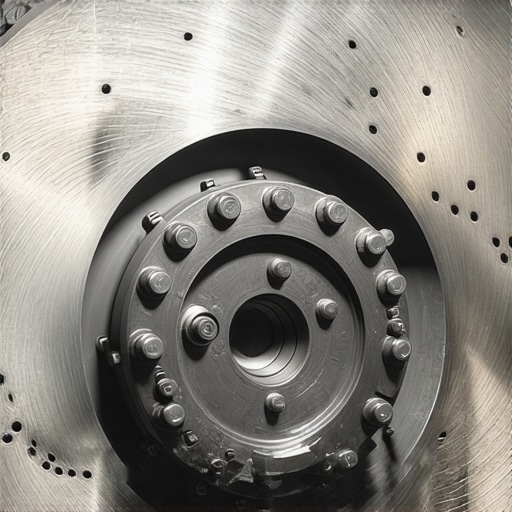
Why Do My Rear Brakes Wear Out Before the Fronts?
This is a question that stumps even seasoned DIYers. Historically, front brakes did 70% of the work. But on newer vehicles, Electronic Brake-force Distribution (EBD) and modern traction control systems rely heavily on the rear brakes to keep the car level and prevent ‘nose dive.’ If you notice your rear pads are gone in 20,000 miles while the fronts look new, don’t panic. It’s actually the real reason your rear brakes wear faster than fronts—the computer is using them to stabilize your ride. However, the ‘oops’ factor here is driving too gently after a replacement. If you don’t learn the simple way to bed in new brake pads by performing a series of aggressive stops, you’ll never establish that even transfer layer, and you’ll be back in the shop for ‘warped’ rotors in three months.
Have you ever fallen into the trap of replacing parts only to have the same problem return? Let me know in the comments. Digging into the nuances of how these systems talk to each other is the only way to stop chasing ghosts and start actually fixing the machine.
I am going to let you in on a secret: that twenty-dollar code reader you bought at the big-box store is essentially a toy. If you are serious about stopping that jet-engine fan sound or figuring out why your car hesitates during high-speed merges, you need bi-directional control. I personally use an Autel or Launch diagnostic tablet because it allows me to ‘talk’ to the car. I can literally command the radiator fan to turn on at low speed, or tell the fuel pump to prime, just to see if the circuit is alive. Without this, you are just a parts-changer hoping for a lucky break. If you really want to maximize your cars lifespan with expert tune up strategies, you have to move beyond reading codes and start analyzing live data streams.
Get a Real Diagnostic Scanner or Stay in the Dark
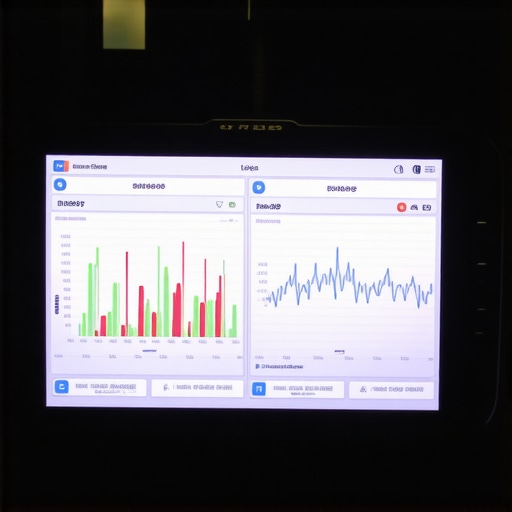
When I’m looking at a cooling issue, I don’t just wait for a light to pop up. I watch the ‘Coolant Temp’ and ‘Target Fan Speed’ live on my screen while I drive. This is how you spot a ‘lazy’ sensor before it fails completely. As noted in the Bosch Automotive Handbook (30th Edition), electrical systems and electronic control units now account for nearly 40% of a vehicle’s total value, which means the mechanical parts are only as good as the data they receive. If you are still relying on a dashboard needle, you are already behind. To stay ahead, follow a car service checklist how to keep your vehicle in top shape that prioritizes these digital health checks over simple oil changes.
How do I maintain my car’s complex electrical and braking systems over time?
The answer is consistent, data-driven inspections. For brakes, this means more than just looking at pad thickness. You should be using a moisture tester on your brake fluid every year. Brake fluid is hygroscopic—it absorbs water from the air—which lowers the boiling point and corrodes your ABS valves from the inside out. When you are understanding brake system repairs as a vehicle owner, you realize that a $100 fluid flush every two years can save you a $2,000 ABS module repair later. This is the difference between a car that lasts 100,000 miles and one that hits 300,000 with the original transmission and sensors intact.
The Future of Home Repair is Digital Telematics
I predict that by 2025, the ‘check engine light’ will be obsolete. Instead, your car will send a telemetry report directly to your phone, telling you exactly which relay is failing before the fan even starts screaming. We are already seeing this shift in auto repair trends to watch in 2025, where predictive maintenance is replacing reactive fixing. If you want to be ready, stop fearing the wires. If you’ve already checked the basics and the mystery persists, try troubleshooting common auto repair issues before visiting the shop by using a digital multimeter to check your ground points. I’ve fixed more ‘unfixable’ cars with a simple wire brush on a rusty ground bolt than I have with expensive new modules. My big tip for you today: buy a digital multimeter and learn how to do a voltage drop test on your battery and alternator cables; it is the single most powerful diagnostic skill you can own.
The Hardest Lesson I Learned About Chasing Electrical Ghosts
I spent years being a ‘parts-changer’ before I became a technician. The biggest hurdle was admitting that my eyes were lying to me. Just because a fan is spinning fast doesn’t mean the fan is bad. In fact, if you find that your radiator fan stays on after the engine is off, the fan is almost certainly doing exactly what it’s told. The lightbulb moment for me was realizing that every component is part of a conversation. If you don’t hear the whole story, you’ll always buy the wrong part.
I also learned that heat is the enemy of every plastic connector in your engine bay. If you’ve been troubleshooting common auto repair issues before visiting the shop, always look for the ‘green crusties’—that corrosion that hides inside a wire. It’s the difference between a five-minute fix and a five-hour headache. Never assume a sensor is dead until you’ve verified it has a clean path to speak to the computer. It saves your wallet and your sanity.
The Gear That Actually Belongs in Your Toolbox
If you’re ready to get serious about your own repairs, start with a decent digital multimeter. It’s the only way to see if your alternator is actually charging or if you have a bad ground wire. I also suggest downloading a digital copy of your car’s factory service manual. Unlike the generic ones at the store, these have the specific ‘logic’ your ECU uses to trigger fan speeds. Finally, don’t ignore the basics while chasing complex issues; keep a car service checklist how to keep your vehicle in top shape to ensure your foundation is solid before you start diagnosing sensors. #IMAGE_PLACE_HOLDER_E#
Don’t Let the Complexity Intimidate Your Next Fix
Cars have changed, but the satisfaction of fixing one hasn’t. Whether you’re trying to maximize your cars lifespan with expert tune up strategies or just trying to stop a noisy brake pulse, remember that you are the master of the machine. The technology is just a new language to learn. Get out there, open the hood, and start listening to what your car is actually trying to tell you. Proper car service is a journey, and every ‘jet engine’ sound you silence is a victory for your DIY skills.
Have you ever spent a fortune on parts only to find out the fix was a simple loose wire or a dirty connector? Let me know your biggest ‘ghost in the machine’ story below.