
I was kneeling in my driveway last Saturday morning, coffee cooling on the oil-stained pavement, staring at my rear wheels in a state of genuine confusion. I’d just pulled the calipers off to do what I thought was a routine check-up after hearing a faint metallic chirp. My front pads? They were thick, healthy, and looked like they had another twenty thousand miles of life in them. But the rears were a different story. They were paper-thin, nearly kissing the rotors with their metal backing plates. It felt like a total betrayal of everything I’d learned about cars over the last twenty years. We were always taught that the front of the car handles seventy percent of the braking force, right? I felt like a victim of one of those brake service myths we all hear at the local parts shop. [image_placeholder_1]
The Day I Realized My Brake Knowledge Was Outdated
For the longest time, I operated under the ‘front-first’ rule without question. I even made the embarrassing mistake a few years back of only ordering front pads for my wife’s SUV, assuming the rears were fine. I ended up having to pay for an emergency tow because I didn’t realize a tiny leaking brake caliper in the back was actually the least of my worries—the pads were simply gone. It turns out, modern engineering has changed the game while we weren’t looking. Today, I’m going to explain exactly why your car is eating those rear pads for breakfast. We’re going to look at how understanding brake system repairs in the modern era is less about old-school physics and more about the invisible computer chips tucked away in your engine bay. My goal is to make sure you never get caught off guard by a grinding sound in the back when you still have plenty of life in the front.
Wait, Aren’t Front Brakes Always the First to Go?
It’s a fair question, and if you’re skeptical, you’re in good company. I used to think the same thing until I started digging into the specs of newer Electronic Brake Force Distribution (EBD) systems. According to engineering data from SAE International, these systems are designed to engage the rear brakes more aggressively during light, everyday stops to prevent the car’s nose from ‘diving’ forward. This keeps the vehicle level and makes your commute feel a lot smoother, but it puts a surprising amount of work on those smaller rear components. Another huge factor is your traction control system. Modern cars are constantly ‘nibbling’ at the rear brakes to keep you pointed straight on slippery roads or during tight corners. You might not even feel the pedal vibrate, but those rear pads are working overtime behind the scenes to keep you safe. If you’ve noticed a squeak from the rear wheels lately, it might not be a mechanical failure—it might just be your car’s way of telling you that its safety systems have been busy and the pads are finally reaching their limit. Plus, have you seen how small rear pads are? They have much less surface area than the fronts, so even with equal work, they hit the wear indicators much sooner. Before you go out and buy a whole new set, make sure you know how to bed in new brake pads properly so you aren’t just throwing money away. Have you noticed your rear wheels getting covered in black dust while the fronts stay clean? Drop a comment and tell me if you’ve been seeing the same weird wear patterns I have.
Get That Wheel Off for a Real Look
Looking through the spokes of your alloy wheels with a flashlight is a good start, but it’s often a lie. You’re only seeing the outer pad. On most rear calipers, the inner pad—the one you can’t see—is the one that does the heavy lifting and wears out first. I learned this the hard way with an old sedan where the outer pads looked brand new, while the inner pads had ground a deep groove into my rotors. To truly assess the situation, you need to follow a proper car service checklist and actually pull the wheels. Once the car is securely on jack stands, check the thickness of both pads. If you see a significant difference between the inner and outer pad, you aren’t just looking at normal wear; you’re looking at a mechanical bottleneck. This kind of troubleshooting common auto repair issues early on can save you from replacing expensive rotors prematurely.
The Tiny Pins That Cause Big Headaches
Think of your brake caliper like a sliding glass door. If the tracks are full of gunk or lack lubrication, the door sticks. In the world of brakes, those ‘tracks’ are your slide pins. I remember working on a neighbor’s truck where the rear pads were completely shot on one side but fine on the other. When I tried to pull the caliper off, it wouldn’t budge. The slide pin was bone-dry and rusted into the bracket, essentially keeping the brake pad pressed against the rotor even when his foot was off the pedal. This is why a simple pad swap isn’t enough. You must pull those pins, clean them with brake cleaner, and apply a high-temperature silicone ceramic grease. If the pins are pitted or scored, replace them. Neglecting this is exactly why your brake rotors keep warping every few months—the constant heat from a ‘draging’ pad ruins the metal’s integrity. 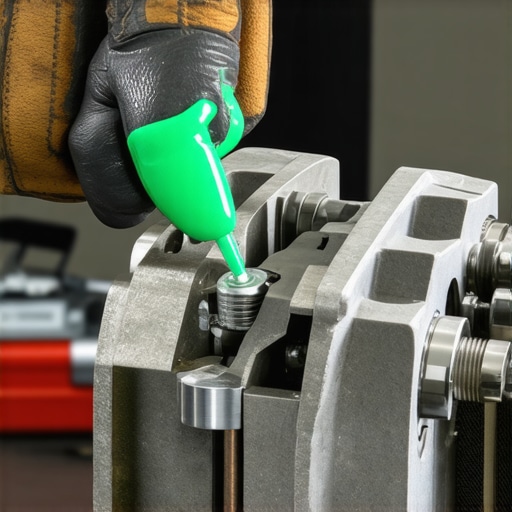
Don’t Let Your Computer Fight Your Wrench
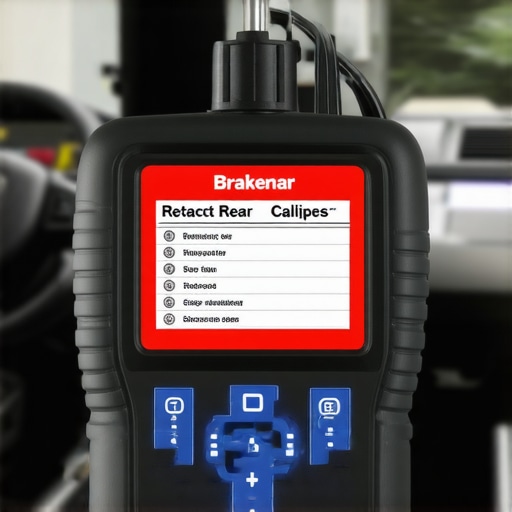
If your car was built in the last decade, there is a high chance it has an Electronic Parking Brake (EPB). Instead of a cable you pull, there’s a little motor on the back of the caliper. Here is the ‘meat’ of the modern repair: you cannot simply use a C-clamp to compress these pistons like we did in the 90s. If you try, you’ll likely crack the internal plastic gears and turn a $50 pad job into a $600 caliper replacement. You often need to put the car into a ‘Service Mode’ via the dashboard menus or a scan tool to retract that electronic motor. This is a critical part of how to maximize your car’s lifespan with expert tune-up strategies. While you’re back there, look at the flexible rubber line leading to the caliper. If it looks swollen or cracked, you need to know how to spot a collapsed brake hose because a hose that acts like a one-way valve will keep your rear brakes applied, wearing them down in a matter of weeks regardless of how well you greased the pins. Stopping the ‘burn’ on those rear pads requires checking the fluid, the hardware, and the software in equal measure.
Stop Blaming Your Calipers for Extra Brake Dust
Many of my buddies come to me complaining that their rear wheels are filthy while the fronts look brand new. The common assumption is that the rear brakes are ‘sticking.’ But here is the contrarian truth: in the modern era of vehicle stability, your car is likely using the rear brakes for things you don’t even associate with stopping. Systems like torque vectoring use the rear brakes to ‘pull’ the car into a turn, often without you feeling a thing. If you’re seeing dust, it’s frequently a sign that your car’s safety tech is doing its job perfectly. This is one of the many brake service myths that lead people to replace parts they don’t need. Instead of assuming a failure, look at how you drive. High-speed highway commuting with active cruise control will eat rear pads twice as fast because the computer uses them to maintain following distance without upsetting the car’s balance.
Why Do Modern Cars Rely So Heavily on Rear Friction?
It comes down to a sophisticated shift in engineering. A study by researchers at the Technical University of Darmstadt highlighted that increasing rear brake bias during non-emergency stops significantly reduces ‘pitching’—that annoying nose-dive feel. By keeping the car flat, you maintain better tire contact patches across all four corners. However, this means those tiny rear pads are performing much more ‘work cycles’ than they did in the 90s. When you combine this with how regular tune-ups improve fuel efficiency and safety, you realize that the brake system is no longer a standalone mechanical part; it’s a software-driven safety suite. 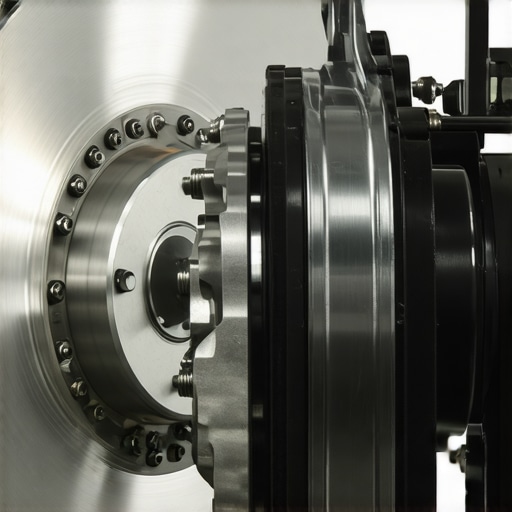
The Hardware Trap That Ruins a Fresh Pad Job
Here is the ‘oops’ factor that kills most weekend projects. Most people buy the pads, slap them in, and call it a day. But if you don’t replace or meticulously clean the stainless steel abutment clips—the ‘tin’ the pads sit in—you are asking for trouble. Road salt and grime build up under those clips, creating ‘rust jack.’ This invisible buildup squeezes the pad ear and prevents it from retracting properly. This is the real reason why your brake rotors keep warping or why you get that annoying rhythmic thumping. You aren’t just doing a pad swap; you are performing a surgical cleaning of the bracket. If those pads don’t slide with the flick of a finger, they will overheat and glaze over in a week. Have you ever fallen into this trap and ended up with a spongy brake pedal or a ruined rotor? Let me know in the comments. To truly maximize your car’s lifespan with expert tune-up strategies, you have to treat the hardware with as much respect as the pads themselves. Troubleshooting common auto repair issues like this before you start can save you a whole Sunday of frustration. If you aren’t sure where to start with your specific model, check out our car service checklist to see what else you might be overlooking while the wheels are off.
I learned the hard way that a standard socket set just doesn’t cut it anymore for a modern driveway understanding brake system repairs. If you’re working on a vehicle made in the last decade, the most important tool in your arsenal isn’t a bigger breaker bar; it’s a bi-directional scan tool. I personally use an Autel MaxiCheck because it allows me to command the Electronic Parking Brake (EPB) into ‘Service Mode.’ Without this, you’re literally fighting a computer-controlled motor with a C-clamp, and that is a battle your wallet will lose every single time. By using the software to retract the calipers, you ensure that the internal screw mechanism is fully recessed without putting undue stress on the plastic gears inside the motor housing. If you want to stay ahead of the game, looking into auto repair trends to watch in 2025 will show you that we’re moving toward even more software-integrated systems where physical tools are secondary to digital commands.
How do I keep my modern brake system healthy for the long haul?
Long-term health for a modern brake system isn’t just about friction; it is about fluid chemistry. Just like I learned with my transmission—and why I’ll never skip a transmission fluid change again—fresh fluid is the lifeblood of these high-pressure systems. Modern ABS and Stability Control modules have incredibly tight tolerances. According to the Bosch Automotive Handbook (11th Edition), the hydraulic response time in modern stability control systems must be under 150 milliseconds to effectively counteract a skid. Moisture-contaminated fluid lowers the boiling point and causes internal corrosion in these expensive modules. I recommend a pressure bleeder like the Motive Products version; it allows you to flush the entire system solo while ensuring no air bubbles are introduced into the ABS pump. This is a vital part of any the ultimate car service guide and should be done every two years regardless of mileage.
Why the Future of Stopping Looks Like a Tablet
As we move toward a world of Electric Vehicles (EVs) and Hybrids, the very nature of a brake service myths is evolving. We are entering the era of ‘brake-by-wire.’ In these systems, there is no physical connection between your foot and the master cylinder under normal conditions. The computer reads the pedal pressure and decides whether to use the electric motor for regenerative braking or the pads for friction. This means your pads might actually last 100,000 miles, but they are more prone to seizing because they aren’t being used frequently enough. Using these tune-up your car for peak performance tips will keep your stopping power consistent even when the software is doing the heavy lifting. To truly maximize your car’s lifespan with expert tune-up strategies, you need to pivot from ‘changing worn parts’ to ‘preventing seized parts’ through regular lubrication of the caliper slides. Try this today: Clean your brake fluid reservoir cap meticulously before opening it to prevent even a single grain of sand from entering—that one tiny grain can ruin an ABS valve. If you’re unsure about the state of your system, checking your car service checklist is the best way to ensure you haven’t missed a critical software update or fluid flush that could compromise your safety on the road.
Hard Truths from My Driveway
Looking back, the biggest mistake I made wasn’t using the wrong tools; it was using the wrong mindset. I treated my new SUV like my old 1994 truck, and the computer laughed at me. Modern understanding brake system repairs means accepting that your car is smarter than your elbow grease. I’ve realized that rear pads are the new ‘canary in the coal mine’ for your stability control system; if they wear fast, your car is working hard to keep you safe.
I also stopped falling for those common brake service myths that suggest rear brakes are just ‘along for the ride.’ In reality, they are the anchors that keep your vehicle level and your traction steady during every light stop. If you ignore them, you aren’t just risking a squeak; you’re risking the mechanical balance of the entire chassis.
Finally, the biggest lightbulb moment was realizing that ‘clean’ doesn’t always mean ‘functional.’ Even if the pads have plenty of meat left, seized hardware or a sticking slide pin can kill a rotor in a matter of miles. I now make it a rule to scrub those stainless steel abutment clips until they shine, ensuring the pads can move with zero resistance.
The Gear That Saved My Saturday
To do this job right, I had to upgrade my toolbox beyond the standard wrench set. I no longer start a rear brake job without my bi-directional scan tool to handle the electronic parking brakes safely. Next on my list is a pressure bleeder, which turned a two-person headache into a ten-minute solo task. Finally, I always keep a tub of high-temperature silicone ceramic grease on hand. Using these specific tools is the best way to maximize your car’s lifespan with expert tune-up strategies while avoiding the ‘comebacks’ that happen when cheap parts seize up.[image_placeholder_final]
Master Your Machine
Don’t let the complexity of auto repair trends to watch in 2025 scare you away from your own garage. With the right information and a bit of patience, you can maintain your car’s stopping power better than any quick-lube shop ever could. Performing a thorough brake service is about more than just fresh friction; it’s about the pride of knowing your family is safe because you did the job correctly from the pins to the pistons. Have you ever been shocked to find your rear pads were completely gone while the fronts looked brand new? Let me know your story in the comments below!