
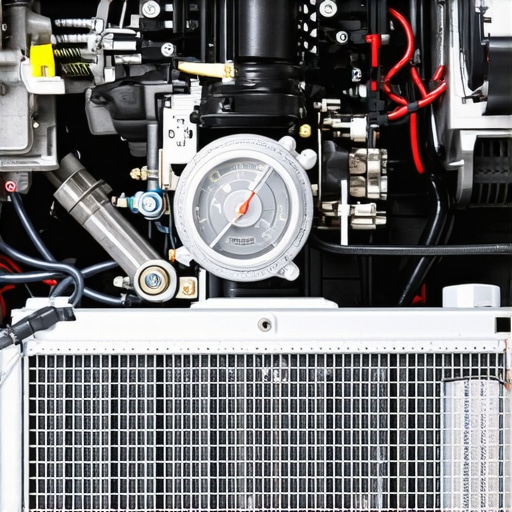
Ever been cruising along, feeling pretty good about your smooth ride, and then suddenly, your engine starts to overheat the moment you hit the AC button? I remember the first time this happened to me. I was late for an appointment, sweating buckets, and just when I needed my cooling system the most, my car decided to throw a tantrum. That lightbulb moment hit me hard when I realized it wasn’t just a random glitch—it’s a common issue that many drivers face.
Why Your Engine Temp Spikes When the AC Is On
As odd as it sounds, your car isn’t trying to sabotage you. The problem often lies deep within your cooling and air conditioning systems working against each other. When the AC kicks in, it demands extra power from the engine, which can cause additional stress on the cooling system if it’s not in top shape. Think of it like asking a tired runner to sprint up a hill; if their muscles aren’t prepared, they’ll struggle.
But it’s not just about the extra workload. Sometimes, a failing radiator fan, low coolant levels, or a worn-out serpentine belt can be the culprits that cause your engine to heat up when the AC is humming away. Early on, I made the mistake of ignoring minor overheating signs, thinking I could just top off the coolant or ignore the warning. Trust me, that was a costly mistake. Regular maintenance can prevent these issues from snowballing.
If you’re unsure whether your cooling system is operating correctly, you’re not alone. Many car owners overlook essential upkeep, leading to bigger problems down the line. Curious to learn how to diagnose and fix this problem yourself? Check out [this comprehensive car tune-up guide](https://glassfixauto.com/tune-up-your-car-for-peak-performance-essential-maintenance-tips) to ensure your vehicle stays cool and reliable.
Stay with me, because in the next section, we’ll explore the most common causes behind engine overheating when the AC is on, and what you can do about them. Whether you’re a seasoned DIYer or just want to understand your car better, these insights will help keep your engine running smoothly and prevent embarrassing breakdowns on hot days.
Inspect the Cooling System Thoroughly
First, locate your radiator and check for blockages or debris that might hinder airflow. Remove any leaves or dirt accumulated on the radiator fins. After clearing debris, inspect the radiator hoses for cracks or leaks, squeezing them gently to feel for soft spots indicating damage. Remember, a clogged radiator can cause engine overheating, especially under added load from the AC. During my own experience, I found a stubborn layer of dirt obstructing airflow, and after a thorough cleaning, the engine temperature stabilized.
Ensure Coolant Levels Are Adequate
Open the radiator cap (when the engine is cool) and check the coolant level. If it’s below the recommended mark, top it off with the appropriate mixture of coolant and distilled water. Avoid overfilling, which can cause pressure issues. I once neglected this step, leading to intermittent overheating under AC load. Regularly verifying coolant levels is like giving your engine a hydration boost, much like water intake for a runner during a race.
Test the Radiator Fan Operation
With the engine running and AC on, observe the radiator fan. It should activate within a few minutes. If it doesn’t, the fan motor or the relay might be faulty. You can test the fan by connecting it directly to the battery—be cautious and wear protective gear. If the fan doesn’t run when wired, replacing the fan motor is necessary. Neglecting this can cause overheating when extra power demands from the AC strain the cooling system. Once I replaced a faulty fan motor, engine temps dipped to normal even on hot sunny days.
Examine the Serpentine Belt Condition
The serpentine belt drives accessories including the alternator and water pump. A worn or slipping belt can hinder water pump operation, leading to overheating. Check for cracks, fraying, or glazing on the belt surface. If the belt appears damaged or loose, replace it promptly. I vividly recall a time I ignored a slipping belt, which resulted in slow water pump rotation and engine temp spike under AC load. Replacing the belt restored proper circulation and cooled down the engine.
Verify the Thermostat Functionality
The thermostat regulates coolant flow. A stuck-open thermostat causes the engine to run cold, but a stuck-closed thermostat can trap hot coolant, causing overheating. Remove the thermostat for testing by placing it in hot water—if it doesn’t open at the specified temperature, replace it. During an earlier fix, swapping out a malfunctioning thermostat brought temperatures back to normal. Consider this step essential because a faulty thermostat can mimic other issues without obvious visual cues.
Perform a Pressure Test on the Cooling System
Use a radiator pressure tester to check for leaks. Attach the tester to the radiator cap opening, pump to the recommended pressure, and watch for drops indicating leaks. Sealed leaks might be hidden behind engine components, so consider professional diagnostics if suspicion exists. I once discovered a tiny leak behind the pulley after a pressure test, which was undetectable visually but had caused continuous overheating episodes.
Address the AC Load Specifically
Remember, turning on the AC increases engine load by demanding extra power, which can expose cooling system weaknesses. If all else appears fine, but overheating occurs only when AC is on, consider upgrading the radiator or adding an auxiliary fan. In my experience, installing a secondary fan dramatically improved cooling when AC was running during summer afternoons.
Schedule Regular Maintenance Checks
Preventative care extends your vehicle’s lifespan. Regularly replacing coolant, inspecting fan operation, and checking belts can detect early signs of cooling system wear. For comprehensive guidance, visit this car service checklist. Keeping your cooling system in top shape reduces the risk of overheating issues, especially during hot weather or when running the AC frequently.
When it comes to vehicle maintenance, many car owners operate under misconceptions that can lead to costly mistakes. Contrary to popular belief, a basic tune-up isn’t just about replacing spark plugs or changing oil; it’s a nuanced process that requires understanding the vehicle’s unique needs and the latest technological advancements. For instance, relying solely on old-school methods, like sticking to a routine that ignores diagnostic data, might cause you to overlook emerging issues that advanced diagnostics could reveal. I’ve seen numerous cases where drivers thought an engine was fine because it passed a basic inspection, only to discover significant problems months later, leading to expensive repairs. This highlights the importance of embracing a comprehensive approach backed by tech and expertise.
Are DIY Repairs Always The Cost-Effective Solution?
Many believe that tackling auto repairs at home saves money, but this is often a trap. Without proper knowledge and tools, DIY fixes can sometimes exacerbate problems or cause safety issues. For example, attempting to repair brake systems without understanding the intricacies can lead to incomplete repairs, risking your safety and that of others. According to expert insights from this guide on brake repairs, even minor mistakes in brake service can result in diminished stopping power or total failure. It’s wise to recognize when a problem exceeds your expertise and seek professional help.
Another common misconception is that all car services are created equal. In reality, not every shop uses the latest diagnostic tools or follows manufacturer-specific protocols. Choosing a shop that leverages modern technology can significantly improve the accuracy of diagnostics and the longevity of repairs. For example, recent trends in auto repair innovations show how AI-driven diagnostics are revolutionizing vehicle care.
Beyond the basics, understanding the subtleties of car maintenance can profoundly impact your vehicle’s performance and safety. Regularly scheduled tune-ups that incorporate advanced diagnostics not only prevent breakdowns but also improve fuel efficiency and extend engine life. Moreover, overlooking specific issues like the condition of serpentine belts or coolant system nuances can cause significant engine problems, especially under demanding conditions.
So, have you ever fallen into this trap? Let me know in the comments. Remember, being informed about these hidden nuances empowers you to make smarter maintenance decisions and saves money in the long run.Maintaining your vehicle’s optimal performance requires more than just routine checks; it demands the right tools, a strategic approach, and ongoing vigilance. Personally, I swear by a few precision instruments that have transformed my maintenance routine, making it easier to catch issues before they escalate. One indispensable tool I use regularly is a digital infrared thermometer. It allows me to quickly assess engine temperatures at various points, helping identify overheating components early—saving me from costly repairs. For example, I routinely check the radiator hoses and thermostat housing to ensure temperatures stay within safe ranges, especially during summer or after a long drive. This proactive approach aligns with expert advice from auto industry trends predicting the increasing role of diagnostic tech in vehicle longevity.
Furthermore, I rely on a quality engine scan tool compatible with my vehicle’s OBD-II port. This device provides real-time data on engine performance, emissions, and sensor health. Unlike basic code readers, my scanner integrates with smartphone apps to offer suggestions and tutorials—empowering me to perform minor repairs or diagnostics at home. Such tools are essential for any enthusiast serious about *keeping it working* over the years.
When it comes to routine maintenance, I recommend scheduling regular inspections of belts, hoses, and coolant levels, complemented by data from your OBD-II scanner. Periodic flushes of the cooling system, for instance, can prevent the buildup of deposits that impede heat transfer, thereby extending radiator and water pump lifespan. This strategy dovetails with what I’ve seen work well—consistent preventative steps that save money and avoid breakdowns.
Looking ahead, the trend points toward smarter maintenance systems that leverage AI diagnostics and predictive analytics. As vehicle electronics become more sophisticated, adopting advanced tools now will prepare you for a future where your car can *tell* you precisely when something needs attention—before symptoms manifest.
To ensure you stay ahead, consider integrating a thermal imaging camera into your toolkit. These devices can spot irregular heat patterns around engine components, indicating potential failures before they cause damage. If you haven’t tried one yet, I suggest testing it during your next coolant flush or belt inspection—it’s an eye-opening experience that can reveal hidden issues.
How do I maintain my car over time? Consistent monitoring with precision tools, coupled with scheduled professional inspections, keeps my ride reliable and safe. Plus, adopting tech-savvy solutions like diagnostic scanners aligns with the industry’s move toward smarter diagnostics. For more insights on maximizing your vehicle’s lifespan, don’t miss [this expert guide](https://glassfixauto.com/maximize-your-cars-lifespan-with-expert-tune-up-strategies). I encourage you to try using a digital infrared thermometer on your cooling system—it’s a game-changer for early detection of overheating issues and prolonging your vehicle’s life.
Lessons the Garage Won’t Tell You About Cooling System Mysteries
One of the most eye-opening experiences I had was realizing that seemingly minor issues, like a sluggish radiator fan or a small coolant leak, could lead to major overheating when the AC is on. The biggest lesson I learned was that combining routine inspections with proactive diagnostics often uncovers hidden problems before they turn into costly repairs. The second insight was understanding that a perfect cooling system doesn’t just involve topping off coolant—it’s about ensuring every component, from belts to sensors, is working harmoniously. Lastly, I discovered that knowledge is power; equipping myself with the right tools and info transformed how I approach vehicle care, saving time and money in the long run.