
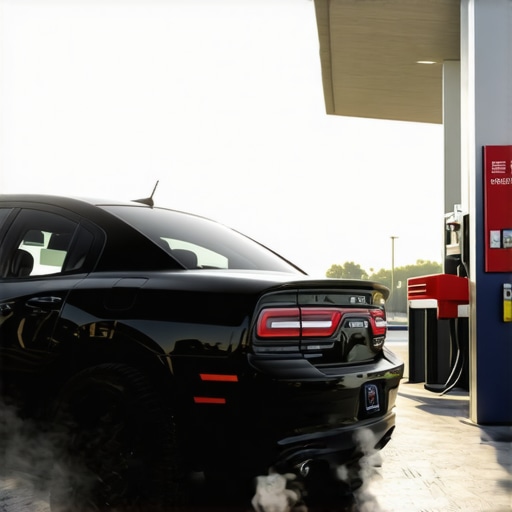
Ever been stopped at the pump, eagerly filling your tank, only to be greeted by a sudden, unmistakable smell of gasoline lingering in your car afterward? It’s a stomach-churning moment that makes you wonder if your vehicle is about to blow. I remember my own frustration when I first noticed that pungent odor right after fueling—panic set in. Was it a leak? A sign of something worse? That lightbulb moment led me down a rabbit hole of auto repair mysteries, and I want to share what I discovered along the way.
What’s Really Going on When Your Car Smells Like Gas After a Fill-Up?
Understanding why your car emits that telltale gasoline scent immediately after refueling is key to tackling the issue head-on. Unlike a simple in-and-out fill-up, this problem hints at underlying issues that could range from minor leaks to more serious fuel system concerns. The good news? Many of these problems are fixable with a little know-how and some timely maintenance.
Could a Small Leak Be the Culprit?
One common cause for lingering gas smells is a tiny leak in the fuel system—perhaps a loose gas cap or a cracked hose. I once hurriedly tightened my gas cap without realizing it wasn’t sealing properly, which was enough to cause fumes to escape. Properly sealing your gas cap can often eliminate the odor, and for the small leaks, replacing worn hoses or fittings can do the trick. Don’t underestimate the importance of regular inspections; a failure to catch small leaks early can lead to bigger, costlier problems down the line. For a comprehensive checklist on keeping your vehicle in top shape, check out this car service checklist.
But how do you know if it’s just a minor fix or something more serious? That’s what we’ll explore next. Have you noticed that smell lingering long after refilling? Keep reading; the solution might be closer than you think.
Inspect the Fuel System for Leaks
Start by visually examining your fuel system components. Look for cracked or damaged hoses, loose fittings, or signs of fluid leakage around the fuel tank and lines. I once noticed a small crack in a fuel line while lying under my car after a short drive; replacing it immediately stopped the fumes from seeping out. Use a flashlight and, if needed, a mirror to access tight spaces. Remember, even a tiny leak can cause noticeable odors; don’t dismiss small cracks.
Seal the Gas Cap Properly
Ensure your gas cap is sealing tightly. An improperly closed cap can let vapors escape, causing that persistent smell. During one refuel, I forgot to twist the cap until it clicked, which led to fumes escaping and lingering around my vehicle. To fix this, remove, check for debris or damage, and tighten it until you hear a click. Replacing a worn-out gas cap can be a quick fix. This simple step is often overlooked but is crucial in containing vapors and preventing odors. For more tips on maintaining your fuel system, visit this car service checklist.
Test the Fuel System for Tightness
After visual inspection, perform a pressure test to identify leaks that aren’t immediately obvious. Use a fuel system pressure tester, which can be rented or bought at auto parts stores. Connect the tester to the fuel rail or Schrader valve, apply pressure, and observe if the pressure holds. A drop indicates a leak somewhere downstream. When I did this on my car, I found a loose clamp that was allowing vapors to escape. Tightening clamps and replacing faulty components restored proper sealing. If unsure, consider consulting an experienced mechanic to avoid safety risks.
Check the Evaporative Emission Control System
The EVAP system captures fuel vapors to prevent them from escaping into the atmosphere. Problems here often cause persistent gasoline smells. Components like the charcoal canister, purge valves, and vent valves can malfunction or become clogged. Inspect for cracked or disconnected hoses connected to these parts. I replaced a clogged purge valve, which ceased the odor problem. Regular inspections of the EVAP system help prevent fumes from leaking and ensure compliance with emission standards. To learn more about this system’s intricacies, explore understanding brake system repairs, as many systems share common principles.
Replace Worn Hoses and Fittings
Over time, hoses and fittings degrade due to heat and exposure to fuel. If visual inspections reveal cracks or brittleness, replace them immediately. During my experience, swapping out an aging rubber hose drastically reduced the fumes. Use OEM or high-quality aftermarket parts for reliability. Remember, timely replacement prevents leaks that could lead to more severe fuel system issues or safety hazards. Keep an eye on your vehicle’s maintenance schedule, and incorporate checks for hoses and seals regularly by consulting here.
Schedule Professional Inspection if Issues Persist
If troubleshooting these steps doesn’t resolve the smell, seek professional assistance. A certified mechanic can conduct comprehensive diagnostics, including smoke tests to detect leaks in concealed areas. Sometimes, complex fuel system problems or subtle leaks require specialized equipment and expertise. Remember, persistent gasoline odors not only indicate a repair need but also pose safety risks. It’s better to get a precise diagnosis than to risk ignition or health hazards—consult experts by visiting this contact page.
Many car owners believe that scheduling a tune-up or service is simply about following a fixed timeline, but in reality, there are nuanced details that can make or break your vehicle’s longevity and safety. For instance, the myth that all engines need the same maintenance interval regardless of driving habits can lead to unnecessary repairs or neglected issues. In my experience, understanding the specific needs of your vehicle’s make, model, and usage pattern is crucial—something like using a generic approach is a surefire way to miss critical signs.
Are Modern Diagnostics Replacing Traditional Tune-Ups?
While some folks think routine tune-ups are obsolete thanks to advanced onboard diagnostics, this isn’t entirely true. Modern technology can identify many issues, but it doesn’t replace the value of a qualified mechanic’s educated eye. Blindly trusting the ‘check engine’ light without proper inspection can conceal underlying problems—like failing sensors or worn components—that are better addressed proactively. As highlighted in tech trends reports, integrating both diagnostic tools and expert assessment ensures optimal performance and safety. Overlooking this balance often results in costly repairs down the line.
Another trap to avoid is the assumption that premium parts always guarantee better repair longevity. While better quality parts are often more reliable, installation quality and correct part selection matter more. Installing cheap brake pads, for example, could lead to increased wear and noise, negating any initial cost savings. This highlights why understanding the nuances—like material compatibility and manufacturer specifications—is vital for effective auto repair. For a deeper dive into brake system essentials, see our auto repair trends to watch in 2025.
Thinking ahead, many shop owners overlook the importance of routine preventive measures like cleaning fuel injectors or inspecting serpentine belts. Neglecting such details can cause minor issues to snowball into major failures. Regular maintenance, guided by a comprehensive car service checklist, is essential for avoiding these pitfalls. Have you ever fallen into this trap? Let me know in the comments and share your experience with overlooked maintenance!
Mastering Maintenance with Precision Tools
Keeping your vehicle running smoothly over the long haul demands more than just good intentions; it requires the right equipment. I personally rely on a high-quality scan tool like the Autel MaxiCOM to perform comprehensive diagnostics. Unlike generic codes, this device offers advanced insights into engine, transmission, and ABS systems, helping me pinpoint issues before they escalate. For routine fluid checks and minor repairs, a reliable multimeter and a basic set of hand tools are indispensable. I prefer those with ergonomic handles and corrosion-resistant blades, as they stand up to frequent use in rugged environments.
In my experience, using a power torque wrench is crucial when dealing with critical fasteners, such as wheel lug nuts or suspension bolts. Proper torque prevents over-tightening, which can damage components, or under-tightening, risking safety issues. Remember, a good torque wrench is an investment — I suggest models with a digital readout for maximum precision and ease of use.
Why Do I Need Specialized Software?
Beyond hardware, software tools like OBD-II diagnostic apps are game changers. I personally advocate for OBDeleven for Audi and Volkswagen vehicles, as it allows real-time data monitoring, actuation tests, and error code clearing right from my smartphone. This level of control gives me a clear picture of what’s happening under the hood without costly trips to the shop. As advancements in automotive tech continue, integrating software diagnostics into regular maintenance plans becomes even more vital.
Tactics for Ensuring Long-Term Results
Consistent maintenance is key. I schedule quarterly inspections using a comprehensive checklist to track fluid health, brake pad wear, and belt condition. Documenting the results helps me identify trends, like gradual brake pad wear that might otherwise go unnoticed until it causes brake fade. Additionally, I use a magnetic drain plug to gather ferrous debris from oil changes, giving clues to engine health without invasive procedures. This proactive approach isn’t just about fixing problems — it’s about preventing them, saving money and enhancing safety.
Scaling Up Your Car Care System
If your vehicle has multiple drivers or is part of a fleet, automation becomes your ally. I recommend investing in a centralized dashboard with a predictive maintenance platform. This system aggregates data from various vehicles, schedules routines, and alerts you of emerging issues before they become critical. Technologies like telematics are leading this shift, and early adoption can extend your vehicle lifespan significantly.
How do I maintain my auto repair tools over time?
Proper maintenance of your tools ensures accuracy and longevity. Regular calibration of torque wrenches, cleaning digital sensors, and replacing worn-out brushes or batteries in your diagnostic equipment keep everything functioning optimally. Personally, I set calendar reminders to service my tools every six months, especially before peak repair season. Additionally, storing tools in a clean, dry environment prevents corrosion and damage. Remember, well-maintained tools are the foundation of effective car care, and investing in their upkeep pays dividends in safety and reliability. For additional insights on tool maintenance, check out our essential maintenance tips.
Looking ahead, the integration of AI-driven diagnostic systems suggests a future where vehicle maintenance becomes even more automated and precise. Staying ahead will mean adopting these tech innovations early and continually refining your toolkit. Why not try calibrating your torque wrench today or updating your diagnostic software? Small steps now can lead to big improvements in your vehicle’s performance and lifespan.
What No One Tells You About the Gas Smell After Refueling
Throughout my years working on cars, I’ve learned that that lingering gasoline odor isn’t just an annoyance—it’s a message from your vehicle. Sometimes, it’s a tiny leak that’s easily fixed, but other times, it signals deeper issues like EVAP system malfunctions. Recognizing these subtleties has saved me from costly repairs and safety hazards. Trust me, tuning into your car’s quiet hints can make all the difference in extending its lifespan and maintaining safety.
Valuable Tools and Resources That Changed My Approach
One game-changer was investing in a high-quality scan tool like the Autel MaxiCOM. It gave me clearer insights than generic diagnostic codes and helped me troubleshoot issues like fuel vapor leaks more effectively. Additionally, regularly consulting the car service checklist kept me proactive and prevented small problems from escalating. Lastly, learning from reputable sources such as auto repair trend reports kept me updated on innovations that improve vehicle longevity.
Your Car’s Secrets Are Within Reach—Seize the Moment
Being able to diagnose and fix your fuel system issues isn’t just about saving money—it’s about empowering yourself as a car owner. Take the initiative today: check your gas cap, inspect hoses, and consider pressure testing your system. Small efforts can yield big safety benefits and extend your vehicle’s life. Remember, every car has a story—your attention to detail writes the next chapter. Don’t wait for a warning light; be proactive and keep your car running smoothly for miles to come.