
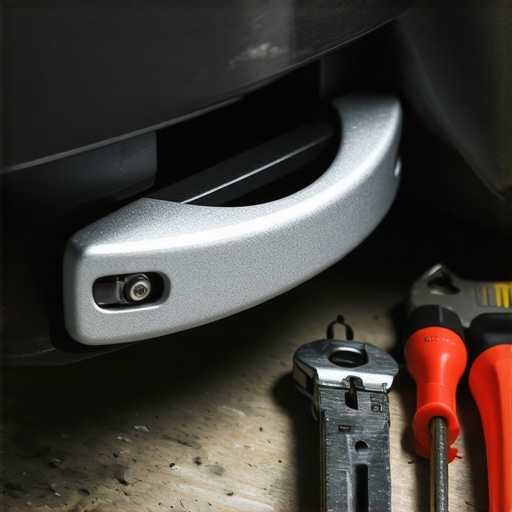
Ever been in the middle of unloading groceries or trying to grab something from your trunk, only to find it stubbornly refusing to open? That frustrating moment when your trunk latch jams just when you need it the most. I remember the first time it happened to me—I had a car full of shopping bags, and the trunk wouldn’t budge. Talk about a perfect recipe for stress! That lightbulb moment made me realize: a stuck trunk latch isn’t just annoying; it can also be a sign of underlying issues that, if left unchecked, might lead to costly repairs down the road.
Why a Stuck Trunk Latch Can Get Worse Fast
When your trunk latch is jammed, it’s tempting to ignore it or try to force it open—which is a big mistake. The latch mechanism is delicate and designed with safety in mind, so applying too much force can break parts or damage the locking system entirely. Over time, dirt, debris, corrosion, and even minor misalignments can cause the latch to seize up. If you don’t address it early, you might find yourself unable to access your trunk at all, or worse, dealing with a malfunction that affects your car’s security.
From personal experience, I learned that a sticking latch is often a symptom of minor wear and tear that can be fixed with simple adjustments—saving you from much bigger headaches later. And trust me, it’s a relief to resolve that nagging issue once and for all. Curious about what causes these issues and how to fix them for good? Stick around. We’re going to walk through the steps that will help you troubleshoot and repair that stubborn latch, so your trunk opens smoothly every time.
Is a Stuck Trunk Latch Worth Your Time? Absolutely!
Now, I’ll admit—my early mistake was trying to ignore the problem until it became worse. I thought I could wait it out or grease the latch with a quick spray. Turns out, that’s a common misconception. Proper troubleshooting and maintenance are crucial. Regularly inspecting and cleaning your latch can prevent most issues, saving you the hassle and money. Want to learn the easy way to keep your trunk working perfectly? Check out [this guide on troubleshooting common auto repair issues](https://glassfixauto.com/troubleshooting-common-auto-repair-issues-before-visiting-the-shop). Ready to fix that stubborn latch and prevent future problems? Let’s get started.
Assess the Latch Condition and Gather Tools
Start by inspecting your trunk latch visually—look for rust, debris, or misalignment. I once encountered a severely corroded latch covered in dirt, which made me realize that a thorough cleaning was essential. Gather basic tools: a screwdriver set, penetrating oil (like WD-40), a rag, and gloves. Wearing gloves protects your hands from dirt and potential sharp edges during disassembly.
Clean and Lubricate the Latch
Apply penetrating oil generously to the latch mechanism, especially around moving parts and hinges. Let it sit for 10-15 minutes to loosen grime and rust. Use a rag to wipe away dirt and old grease. I once spent an extra ten minutes cleaning and lubricating, which immediately improved the latch’s responsiveness. This simple step often resolves minor sticking issues and prevents future corrosion.
Check for Obstructions and Realign the Latch
Inspect for any foreign objects or debris blocking the latch, and remove them carefully. Ensure the latch aligns properly with the catch when closing. If misaligned, loosen mounting bolts slightly and reposition the latch manually to see if it catches smoothly. During my last fix, realigning the latch with a screwdriver restored full functionality without needing replacement.
Test the Latch Mechanism
Close the trunk multiple times, listening and feeling for smooth operation. If it sticks again, repeat cleaning and lubrication. If the latch remains stubborn, consider adjusting the strike plate or replacing worn parts.
Replace or Repair Damaged Parts
If any component shows signs of excessive wear or damage, such as a bent latch arm or broken spring, replace it promptly. Use original parts when possible to ensure correct fit and operation. My personal experience shows that timely replacement prevents the inconvenience of being unable to access your trunk in emergencies.
Prevent Future Issues with Regular Maintenance
Schedule periodic inspections and lubrication of your trunk latch—similar to routine car tune-ups. Regular upkeep minimizes dirt buildup, prevents corrosion, and prolongs latch lifespan.
When it comes to maintaining your vehicle, many car owners believe they understand the basics, but the reality is often more nuanced than popular myths suggest. One common misconception is that brake inspections are solely about replacing worn pads; in truth, comprehensive brake service involves inspecting calipers, rotors, brake lines, and fluid condition to prevent serious safety issues. Overlooking these aspects can lead to uneven wear, reduced braking efficiency, or complete system failure, which can be dangerous and costly. Another misconception is that a routine tune-up is just an oil change; however, a true tune-up includes checking and replacing spark plugs, ignition wires, filters, and sometimes sensors—ensuring optimal engine performance and fuel efficiency. Many owners delay these services, assuming they’re unnecessary unless there’s a noticeable problem, but early intervention can avert breakdowns. A common trap during auto repairs is trusting quick fixes over thorough diagnostics; for example, using quick-lube services to ‘grease’ the vehicle without identifying underlying issues can mask problems until they escalate. Advanced vehicle systems today integrate sensors and electronics that require specialized diagnostic tools—ignoring these nuances can result in ineffective repairs. Curious about the more subtle factors affecting vehicle longevity? For instance, did you know that improper coolant levels or incorrect tire pressure can cause engine stress or uneven brake wear? This highlights the importance of understanding not just the ‘what’ but the ‘why’ behind automotive maintenance. According to automotive expert Mark Cooney, a well-executed brake service considers all components’ interplay, emphasizing preventative care over reactive fixes. The misconception that all auto repairs are equally straightforward can be detrimental; complex systems like ABS or traction control demand specialized knowledge, and attempting DIY fixes without proper tools may worsen the problem. Are you aware of how modern car diagnostics can pinpoint issues invisible to the naked eye? Regularly visiting a qualified mechanic and following a detailed service checklist can save your vehicle from unexpected failures—learn more about effective maintenance routines on our car service checklist. To sum up, developing a deeper understanding of the nuances behind brake and auto service helps you make informed decisions, avoid pitfalls, and extend your vehicle’s lifespan. Have you ever fallen into this trap? Let me know in the comments.
Maintaining your vehicle’s performance over time requires more than just occasional check-ups; it demands the right tools, consistent routines, and an understanding of modern automotive systems. As vehicles become increasingly complex with integrated electronics and sophisticated mechanics, standard maintenance approaches may fall short. Investing in high-quality, specific tools ensures that you can perform effective diagnostics and repairs, saving you money and extending your car’s lifespan.
Tools That Make a Difference in Auto Maintenance
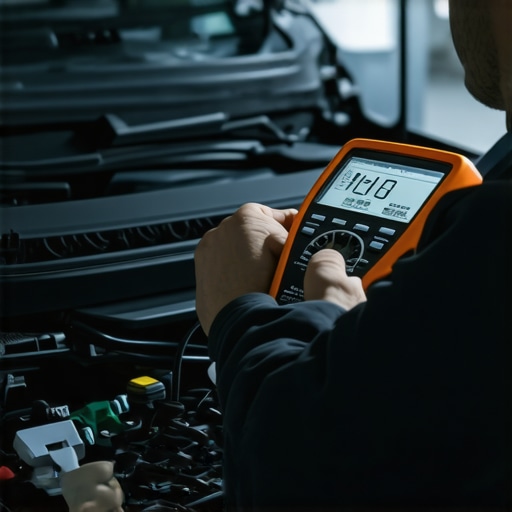
Firstly, I recommend a professional-grade multimeter. This device allows you to accurately diagnose electrical issues, such as faulty sensors or weak connections, which are common in modern cars. I personally rely on the comprehensive multimeter guides to master readings and troubleshoot efficiently. Additionally, a code scanner compatible with your vehicle’s make and model is invaluable. It deciphers OBD-II codes, pinpointing issues that might otherwise go unnoticed until they become costly repairs.
When it comes to routine maintenance like tune-ups, having a quality torque wrench ensures that bolts are tightened to manufacturer specifications, preventing future mechanical failures. I prefer digital torque wrenches with preset settings; they provide precision and ease of use, especially in tight engine bays.
Implementing a Systematic Maintenance Routine
Beyond tools, establishing a routine schedule based on your vehicle’s specific needs is crucial. Regular inspections of belts, hoses, and fluid levels prevent unexpected breakdowns. For instance, keeping a detailed service checklist helps track maintenance tasks like brake pad inspections, coolant top-offs, and oil changes, effectively catching issues early.
Modern tools like diagnostic software are evolving rapidly, allowing technicians to preemptively address problems through predictive analytics. This is where predictive maintenance is heading—using data-driven insights to prevent failures before they happen.
How do I maintain long-term vehicle health?
Consistent maintenance combined with the right tools, like a high-quality jack, jack stands, and fluid hand pumps, ensures safety and efficiency during repairs. Investing in expert tune-up strategies can significantly prolong your vehicle’s lifespan and optimize performance. Remember, preventive steps today lay the groundwork for reliable transportation tomorrow.
If you haven’t already, try implementing a periodic diagnostic scan with your code scanner every few months. It’s a proactive way to catch issues early and avoid costly repairs. Want personalized advice or assistance with your vehicle? Contact us and let’s get your car performing at its best for years to come.
What I Wish I Knew About Brake Service Early On
One of the most impactful lessons I learned was the importance of proactive brake inspections. Relying solely on brake pads showing wear can be misleading; internal components like calipers and brake lines can deteriorate silently. Regular, thorough checkups saved me from unexpected brake failure, especially during emergencies. Remember, investing a little time and effort now can prevent costly repairs later, ensuring your safety and peace of mind.
My Favorite Tools for Auto Maintenance Success
Having the right equipment makes all the difference. I swear by a high-quality multimeter for electrical diagnostics—it’s invaluable for uncovering hidden issues. A reliable code scanner helps me understand the vehicle’s brain, avoiding guesswork. Plus, a good torque wrench ensures bolts are tight and safe, protecting my investment and loved ones. These tools have empowered me to perform maintenance with confidence and precision.
Encouragement to Keep Your Vehicle Healthy
Your car is more than just a metal box; it’s a trusted companion that keeps you moving through life’s journey. Regular maintenance, combined with a curious mind and the right tools, transforms auto care from a chore into an empowering routine. Don’t wait for warning lights or strange sounds—take small, consistent steps today. Your future self will thank you for choosing to nurture your vehicle’s health and performance.