

It was a cold morning, and I was halfway through my morning commute when I suddenly felt that odd wobble in my steering wheel. As I slowed down, I looked at my tires and noticed something I hadn’t truly paid much attention to before: the tread was almost completely worn out in the middle, yet the edges looked practically new. That’s when the light bulb went off for me — tire wear like this wasn’t just a cosmetic issue; it was a warning sign of something more serious.
If you’re like I was, you might be wondering, “Why is this happening? And more importantly, how can I fix it before my next road trip turns into a costly repair?” Well, you’re in the right place. Today, we’ll uncover the common reasons behind this specific tire wear pattern and what you can do to put it right.
Spotting the Pattern: Tires Wearing Smooth in the Middle
When your tires start to wear out in the middle but not on the edges, it’s often a sign that your vehicle is consistently running at too high a pressure. Over-inflation causes the tire to bulge, making the center contact patch with the road larger than the edges. This uneven contact accelerates the wear in the middle, leaving the sides relatively untouched. According to automotive experts, maintaining proper tire pressure is essential not just for tire longevity but also for your safety and fuel efficiency.
Early on, I made the mistake of ignoring the tire pressure gauge because I thought I was saving time and effort. But that easily overlooked oversight turned out to be a costly mistake. Properly inflated tires are fundamental; not only do they last longer, but they also optimize your vehicle’s handling and braking performance. If you’re unsure about the right pressure for your tires, check the owner’s manual or the sticker on the driver’s side door frame — it’s a simple step that can save you money in the long run.
Want to learn how to keep your tires in check? Visit [this comprehensive guide](https://glassfixauto.com/car-service-checklist-how-to-keep-your-vehicle-in-top-shape) to stay ahead of tire trouble.
Are you noticing similar patterns on your tires? Do you feel unsure whether your current setup is safe? Keep reading, because the next sections will walk you through the easy fixes and adjustments that could save you a lot of trouble down the road.
Check Your Current Tire Pressure
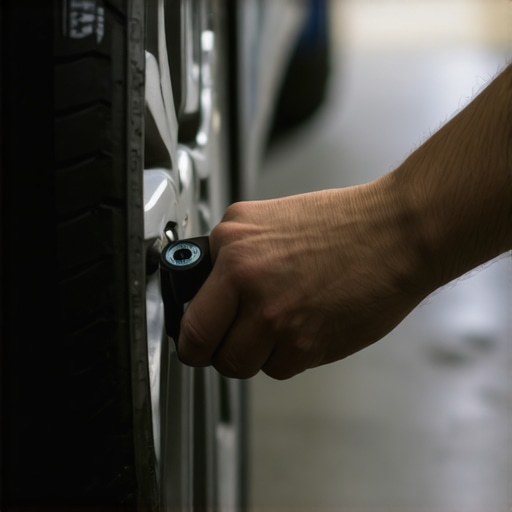
Begin by measuring your tire pressure with a reliable gauge. Remove the valve cap, press the gauge firmly onto the valve stem, and note the psi reading. If it’s significantly above the recommended pressure (usually found on the door jamb sticker), your tires are over-inflated. I once ignored this step, and my tires wore unevenly, leading to a quick replacement. Always verify before proceeding.
Adjust to Proper Inflation Levels
Using an air compressor or visiting a nearby gas station, release air until the tire pressure matches the vehicle manufacturer’s recommendation. Think of your tires like a balloon — too full and they become stiff, causing uneven contact with the road; too low and they sag, reducing grip. Correct pressure ensures even wear and optimal performance. If you’re unsure of the exact PSI, check this guide.
Set Your Tire Pressure Regularly
Make it a habit to check your tire pressure at least once a month, especially before long trips. Since temperature fluctuations affect pressure, recheck after cold starts for accuracy. Consider installing a tire pressure monitoring system (TPMS) for real-time alerts. This proactive approach prevents over-inflation from creeping in and extends tire life, similar to how regular tune-ups preserve engine health, see here.
Learn How to Recognize Warning Signs
Unusual wear patterns, like excessive center wear, indicate over-inflation. Also, listen for uneven handling or vibrations, which can signal tire imbalance caused by improper pressure. Remember, maintaining proper tire pressure is a simple but effective step to avoid costly repairs. I once ignored an uneven wear pattern, which progressed into a blowout during a commute — a costly lesson in vigilance.
Visit a Professional for Precise Adjustment
If in doubt, or if your tires consistently over-inflate despite adjustments, consult a tire specialist. They can check for underlying issues, such as incorrect sensor readings or valve stem problems. Proper maintenance ensures your safety and enhances vehicle longevity. For comprehensive troubleshooting, explore this resource.
 Many car owners believe that a simple tune-up or routine service is a one-size-fits-all fix, but in reality, there are nuanced pitfalls that even seasoned enthusiasts often overlook. One common myth is that all auto repairs are created equal—that a generic service schedule suffices for every vehicle. However, advanced car technology and driven usage patterns demand tailored maintenance strategies for optimal performance.
For instance, some drivers assume that replacing spark plugs or changing oil periodically is enough to prevent issues, but neglecting deeper system diagnostics can lead to undetected problems. Modern engines, especially turbocharged or direct-injection ones, require specialized service techniques, including precise timing adjustments and sensor calibrations. Failing to recognize these nuances can cause premature part failure or diminished fuel efficiency, contradicting the popular belief that “if it runs, it’s fine”.
One often-ignored aspect is how high-mileage vehicles benefit from proactive corrosion prevention treatments. Applying anti-rust coatings on undercarriages or using specialized lubricants on critical components extends vehicle lifespan far beyond basic maintenance routines. According to automotive expert John Miller, “Understanding the aging process of different materials and components allows technicians to implement preventive measures that stop issues before they escalate into costly repairs.”
Why are brake systems more complex than they seem?
Many assume that brake pad replacement is straightforward, but without proper bleeding of brake lines and checking for uneven wear or master cylinder issues, your braking performance can degrade unexpectedly. Advanced diagnostics can reveal subtle problems—like brake fluid contamination or sensor faults—that simple pad changes don’t address. This insight is why regular, comprehensive brake system evaluations are invaluable, especially as vehicles age or undergo heavy usage. For more insights on dispelling common brake myths, visit this resource.
Another nuance involves understanding the limitations of auto repair warranties. Many car owners believe that warranties cover everything, but exceptions often include neglect, improper maintenance, or modifications. Knowing what is genuinely covered can save you from unexpected out-of-pocket expenses, particularly during intricate repairs like transmission work or advanced diagnostics. Review your warranty terms carefully or consult a professional through this contact page to clarify coverage details.
Finally, awareness of emerging auto repair trends, such as electric vehicle servicing or advanced driver-assistance systems, positions owners and mechanics to anticipate future needs. Keeping informed prevents reactive fixes and encourages preventive strategies, maintaining vehicle safety and efficiency over time. To stay ahead, explore latest industry trends here.
Have you ever fallen into this trap of oversimplified auto repair thinking? Let me know in the comments! Remember, understanding the nuances of your vehicle ensures it stays reliable and safe for years to come.Maintaining your vehicle over the years demands more than just basic knowledge; it requires the right tools and consistent practices. As a seasoned car enthusiast, I rely on specific equipment and software to keep my vehicle in peak condition and to address issues before they escalate. One essential tool I swear by is a high-quality digital multimeter. Whether it’s checking the alternator’s output or diagnosing sensor faults, a multimeter provides precise readings that guide my repair decisions. I personally prefer the Fluke 115 because of its durability and accuracy, making complex electrical troubleshooting straightforward even for amateurs. To complement this, I utilize a scan tool like the BlueDriver OBD2 Scanner. This device connects seamlessly to my smartphone, offering real-time diagnostics, coding, and live data streams. It’s invaluable for monitoring engine health and preventing unexpected breakdowns, saving me both time and money. Of course, software plays a crucial role; I rely on OEM repair manuals and diagnostic software like Alldata or Mitchell3. These platforms provide comprehensive schematics, repair procedures, and technical service bulletins. Having the right digital resources ensures that I don’t rely on guesswork, especially during complex repairs such as brake system overhauls or transmission issues. Regularly updating my diagnostic tools and software is vital since automotive technology rapidly evolves, with newer vehicles integrating advanced driver-assistance systems that require specialized expertise. Looking ahead, I anticipate that the trend will shift even further toward integrated vehicle health monitoring, where OBD portals will communicate directly with cloud-based diagnostics, enabling proactive maintenance recommendations. Staying ahead means continually investing in the latest tools and knowledge, which can extend your vehicle’s lifespan significantly. So, how do I maintain this level of precision over time? Consistent calibration and calibration checks of my diagnostic gear are critical. For example, periodically testing my multimeter against a certified calibration source keeps its readings accurate. Similarly, I ensure my scan tools are updated with the latest manufacturer codes, so I always have current data at my fingertips. Incorporating routine software updates and maintaining my equipment ensures I can trust the diagnostics when time comes for a tune-up or repair. For those interested in a practical starting point, I recommend trying out a basic upgrade like adding a Bluetooth-enabled OBD2 scanner, which can provide immediate benefits and serve as a stepping stone toward more advanced diagnostics. Remember, small investments in the right tools today pave the way for long-term savings and improved safety on the road. Explore more about optimizing your car’s lifespan with expert strategies at [this link](https://glassfixauto.com/maximize-your-cars-lifespan-with-expert-tune-up-strategies). If you’re ready to elevate your maintenance game, visit [our contact page](https://glassfixauto.com/contact-us) for personalized advice or professional assistance. Keeping your vehicle running reliably over the years hinges on the tools you choose and how consistently you use them—so gear up and start diagnosing like a pro!
Lessons That Changed My Auto Care Approach
- Listening to your vehicle’s subtle signals can prevent costly repairs — I ignored my tire wobble until a near-disaster taught me to pay closer attention.
- Regularly checking tire pressure isn’t just routine; it’s a safety net that keeps your car performing optimally, saving you money and time.
- Understanding the nuances of tire wear patterns reveals underlying issues that, if caught early, can extend your vehicle’s lifespan far beyond expectations.
Tools That Became My Go-To Allies in Auto Maintenance
- A quality digital multimeter, like the reliable Fluke 115, helps me diagnose electrical issues accurately, avoiding unnecessary repairs.
- The BlueDriver OBD2 Scanner transformed how I monitor engine health by providing instant, actionable data right from my smartphone.
- Access to comprehensive digital repair manuals and technical bulletins through platforms like Mitchell3 ensures I stay updated with the latest vehicle technology, making repairs more precise and efficient.
Your Next Step Toward Safer, Smarter Car Care
Empowering yourself with knowledge and the right tools can make auto maintenance less daunting and more rewarding. Remember, taking proactive steps today can lead to safer drives and longer vehicle life tomorrow. Ready to put these lessons into action? Dive deeper into expert strategies here or schedule a consultation today. What’s one auto maintenance habit you’ve been meaning to start? Let me know below! Better auto care begins with a single step—make yours today.