
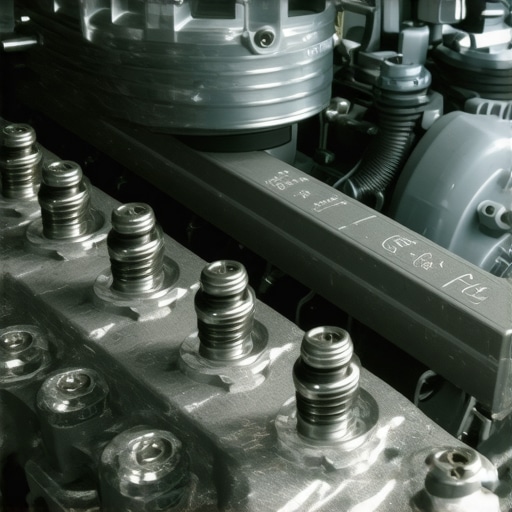
Have you ever been stranded on the side of the road, frustration bubbling up as your engine sputters and stalls? We’ve all been there—those moments when our trusty car suddenly misbehaves and we’re left questioning whether it’s a minor glitch or something more serious. I remember the first time my car hesitated to start on a cold winter morning; I ignored it, thinking it was just a minor issue. But soon enough, the rough idling and sluggish acceleration made me realize I was facing a potential fuel system problem. It’s a lightbulb moment that many drivers experience sometime down the line.
Why Monitoring Your Fuel System is More Important Than You Think
Understanding when your fuel injection system needs a cleanup isn’t just about keeping your engine running smoothly—it’s also about avoiding costly repairs and ensuring optimal fuel efficiency. A dirty fuel injector can silently cause your car to burn more gas than it should, leading to unnecessary expenses. Plus, neglecting this component may result in worse engine performance, increased emissions, and even damage to other critical parts. According to research by the Vehicle Inspection Institute, poor fuel injector performance is a common culprit behind declining vehicle efficiency and escalating repair costs, especially in modern cars with complex fuel systems.
Have You Faced This Problem?
If you’ve noticed your car misfiring, experiencing hesitation during acceleration, or idling roughly even after a recent tune-up, these could be signs that your fuel injectors are clogged or in need of cleaning. Early detection makes a big difference—it can save you hundreds of dollars and keep your car running like a charm. In the sections ahead, I’ll share practical ways to identify if your car needs a fuel injection cleaning, so you can take confident action before small issues become big headaches.
Ready to become more familiar with your vehicle’s needs? Let’s dive into how you can tell if that engine hesitation is just the tip of the iceberg and what steps you can take to restore optimal performance.
Start with a Visual Inspection
Before diving into cleaning, open your hood and perform a thorough visual check of your engine bay. Look for any obvious signs of leaks, cracked hoses, or corroded connectors related to your fuel delivery system. I once noticed a loose fuel line clamp that was causing minor fuel odor; tightening it improved performance temporarily, but cleaning the injectors was needed for lasting results. This first step helps identify external issues that could mimic or contribute to injector problems.
Use a Fuel System Cleaner
Fuel additives are your friend here. Purchase a reputable fuel system cleaner designed for your vehicle’s engine size, and add it to your tank. Ensure the tank is at least half full to allow thorough circulation. During a recent weekend, I poured in a higher-grade cleaner before a long trip. Driving for about 30 minutes afterward helped the chemical reach the injectors and loosen debris. Remember, these cleaners work best when the fuel system is relatively full, ensuring the cleaner circulates through all injectors evenly.
Perform a Professional Fuel Injection Service
For a more comprehensive clean, consider visiting a mechanic for a professional fuel injection service. This involves connecting a specialized cleaning machine directly to your fuel rail, which bypasses the need to add chemicals to your tank. During my first appointment, the technician used a pressurized cleaning unit, and I noticed immediate improvements—smoother acceleration and better fuel economy. This method effectively removes stubborn deposits, restoring your injectors’ optimal spray pattern.
Inspect and Replace Fuel Filter
A clogged fuel filter can hinder injector performance by restricting fuel flow. Locate your filter (consult your vehicle’s manual if needed), and check its condition. If it appears dirty or hasn’t been replaced in over 30,000 miles, plan to replace it. I once delayed replacing a neglected filter, which caused raw fuel to bypass the injectors and led to rough running. Replacing it made a dramatic difference, highlighting how vital this step is.
Test Your Vehicle’s Performance
After cleaning, test drive your car to evaluate improvements. Pay attention to engine smoothness, acceleration response, and fuel efficiency. If issues persist, consider a more detailed diagnosis, such as checking for ECU errors or inspecting the fuel pressure regulator. For example, I once noticed my car still hesitated, leading me to discover a failing fuel pressure regulator—another culprit often linked with injector problems. Regular performance evaluation ensures your cleaning efforts translate into lasting benefits.
Maintain with Routine Checks
Prevent future issues by scheduling routine fuel system maintenance. Use quality fuel, replace your fuel filter as recommended, and periodically add cleaner during refueling. Remember, proactive steps save money and keep your engine humming. For comprehensive electrical checks that can complement this process, see 3 electrical checks during your 2026 car service. Implementing these techniques will extend your fuel system’s lifespan and improve overall performance.
Many car owners believe that regular tune-ups and basic repairs are straightforward tasks, but in reality, there’s a lot of nuance that often goes unnoticed. For instance, a common misconception is that replacing parts like spark plugs or brake pads is always sufficient, but what many overlook is the importance of diagnosing underlying issues before jumping to replacements. Failing to do so can lead to repeated failures and higher costs later on. Additionally, some repair shops exploit this ignorance, pushing unnecessary services or rushing through essential steps, which can compromise the safety and durability of your vehicle.
A significant pitfall is misunderstanding the true purpose of a “tune-up.” Many think it’s just swapping out old spark plugs or air filters, but a comprehensive tune-up should include checking electrical systems, spark timing, and engine sensors. Skipping these steps might temporarily keep your car running but can hide deeper problems like misfire issues or fuel inefficiencies, which a simple tune-up won’t fix. To get a sense of what else might be missed, explore how to clear a stubborn misfire.
Why do so many drivers rely solely on visual inspections for brake safety?
This is a trap because visual cues don’t tell the whole story. Brake pads might look fine, but internal components like the caliper pistons or brake fluid quality could be compromised. For example, the brake fluid can internalize moisture leading to corrosion—even if the pads appear good—causing spongy pedal feel or reduced braking performance. Regularly checking the brake fluid condition and pedal response is crucial; neglecting this can result in sudden brake failure, especially during emergency stops.
Many drivers also believe that if a brake squeal occurs, simply applying brake cleaner will fix it. However, squealing can be caused by uneven brake pad wear, warped rotors, or a buildup of debris in the caliper assembly. Using specialized techniques helps target the root causes rather than just silencing the noise temporarily. Remember, making assumptions without proper diagnostics often leads to costly mistakes.
Watch Out for These Advanced Maintenance Traps
Many car owners miss the subtle signs of failing components like the brake booster or even the alternator. For instance, a slight delay in power steering response or intermittent electrical issues might seem minor but could indicate deeper problems. A failing alternator, for example, can cause your battery to drain unexpectedly, leaving you stranded. Recognizing these subtle cues and addressing them early saves money and keeps your vehicle reliable. For guidance, see how to identify a failing brake booster or signs of a failing alternator.
Another common oversight involves neglecting the electrical system during routine maintenance. Modern vehicles depend heavily on sensors and electronic modules; even a minor lapse in electrical checks can result in poor engine performance, transmission issues, or warning lights that remain unresolved. A professional electrical check can detect anomalies early, preventing expensive repairs down the line. As experts suggest, integrating electrical diagnostics into standard service routines is a best practice that many shops overlook.
In summary, moving beyond superficial fixes and understanding the complex interplay of vehicle systems is essential for true automotive maintenance mastery. Don’t fall for the trap of simplicity; dig deeper, ask questions, and get a comprehensive diagnosis. Have you ever fallen into this trap? Let me know in the comments.
Stay Ahead with the Right Equipment
Keeping your vehicle in top shape over the long term requires more than just knowing what to do; it demands having the right tools at your disposal. I personally rely on a high-quality digital multimeter because it allows me to quickly diagnose electrical issues, such as failing sensors or drained batteries, without guessing. Investing in a professional-grade code reader is equally essential; it can read proprietary manufacturer codes, saving hours of frustration. For instance, my preferred OBD-II scanner not only reads error codes but also clears them and monitors real-time data—crucial for diagnosing intermittent faults that could affect your electrical systems.
Software That Empowers Your Maintenance
Beyond physical tools, diagnostic software has revolutionized do-it-yourself maintenance. I recommend using a comprehensive vehicle-specific diagnostic app like OBDLink, which connects wirelessly via Bluetooth to your smartphone. This software provides detailed insights into your car’s health, including live sensor data, readiness monitors, and emissions status. In my experience, regularly reviewing this data helps identify potential issues, such as a gradually declining fuel pressure or creeping brake system faults, before they become costly repairs. As vehicle technology grows more complex, upgrading your diagnostic software becomes even more crucial for effective maintenance.
Long-Term Maintenance—Consistency Over Speed
Establishing a routine schedule for inspections, fluid replacements, and software updates ensures your vehicle remains reliable. I personally adhere to a maintenance checklist that includes inspecting the brake fluid (brake fluid checks) every six months and testing battery health at least once annually, especially before winter. Using professional-grade products like Gunk Engine Degreaser or MagnaFlow oil filters guarantees durability and performance. Moreover, keeping detailed service records not only helps maintain vehicle value but also assists mechanics during repairs, as they can quickly identify recurring issues.
Scaling Up Your Car Care
When you’re ready to extend your maintenance routine beyond basic checks, consider investing in a portable hydraulic lift. This device transforms a simple garage into a professional workshop, allowing you to inspect and service components like the suspension or the transmission with ease. With proper training—available through online courses such as those on AutoFair’s maintenance tutorials—you can safely perform tasks that once required a costly visit to the mechanic. As vehicle technology advances, developing DIY skills ensures you stay in control and reduce long-term repair costs.
In the future, expect diagnostic tools to become more AI-driven, predicting failures before they happen and guiding maintenance schedules dynamically. For now, prioritize mastering the tools you have—like your code reader and software—and stick to a disciplined routine. As a practical step, I encourage you to try integrating a software check of your vehicle’s readiness monitors during your next service. This proactive approach can reveal hidden issues, such as failing emissions components, and save you from unexpected breakdowns.
Remember, consistent maintenance and the right equipment aren’t just about avoiding breakdowns—they’re about ensuring your car serves you reliably for years to come. How do you plan to upgrade your toolkit or routine this year? Share your thoughts and experiences in the comments below.
,
The Hidden Truths that Changed How I Care for My Car
- One of the most valuable lessons I learned was that superficial inspections can be deceptive. A visual check on its own isn’t enough—dirt, internal wear, or subtle leaks often go unnoticed but can cause major issues over time.
- I discovered that investing in quality diagnostic tools, like a reliable OBD-II scanner, transformed my DIY approach. It gave me insights into hidden problems, saving me from costly repairs and ensuring my vehicle’s longevity.
- Patience and routine maintenance, rather than rushing to fix when problems appear, make a difference. Scheduling regular checks inspired confidence and kept my car performing at its best long-term.
- Understanding that modern vehicles integrate complex electrical systems means adapting my maintenance routine. Incorporating electrical diagnostics early on protects me from unexpected breakdowns and costly repairs.
- The biggest lightbulb moment was realizing that a comprehensive approach—covering fuel systems, brakes, electricals, and routine checks—is essential. Skipping steps or ignoring small signs often leads to bigger headaches down the road.
Tools That Became My Auto Safety Allies
- OBD-II diagnostic scanner: A trusted companion for real-time insights, error codes, and quick diagnostics. I use models that read manufacturer-specific codes for completeness.
- Quality fuel system cleaner: Ensures smooth fuel delivery and injectors’ health. I prefer reputable brands linked to proven results.
- Electrical testing gear: A multimeter allows me to verify sensors, voltages, and wiring integrity—vital for troubleshooting modern motor vehicles.
- Service manuals and online resources: Staying informed through trusted websites like the GlassFixAuto blog helps me understand what’s normal versus worrying noise or performance issues.
Keep Your Car Feeling Young—Every Day
It’s empowering to realize that your vehicle’s long-term health hinges on proactive care and using the right tools. Every small step you take now, like routine inspections and diagnostics, safeguards your peace of mind and your wallet.
What’s one maintenance habit you’ve recently adopted that made a noticeable difference? Share your experience below—I love hearing how fellow drivers take control of their car’s well-being!