
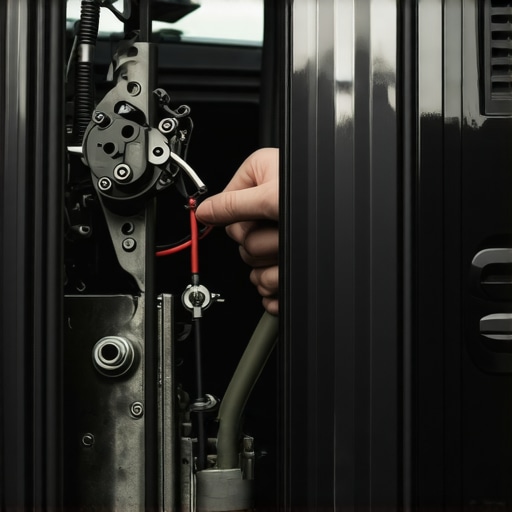
Ever been midway through closing your car window only to hear that sluggish, grinding noise? It’s like the window’s fighting you, inch by inch. I remember my own frustration when my power window decided to be extra stubborn, barely moving at all. I used to think, “Maybe it’s just age?” or “Time for a new window motor?” But after some digging—and a bit of trial and error—I realized there’s often a simple cause behind those painfully slow window movements.
Today, I want to share how you can troubleshoot and fix a power window that’s moving extremely slowly. No need to call a mechanic immediately or shell out a fortune. Sometimes, the solution is right in your garage or even your toolbox. If you’ve ever faced this problem, you’re not alone—and there’s hope to restore your window’s smooth, effortless operation.
Why Do Power Windows Slow Down Anyway?
Is It Worth the Hassle or Just Aging Gracefully?
When I first encountered my window’s sluggishness, I mistakenly blamed the motor. I was convinced I’d need a replacement, which can cost quite a bit. But here’s the thing: often, the problem is related to the window’s tracks, the power supply, or debris buildup, not the motor itself. In fact, I learned that many issues stem from neglecting simple maintenance tasks. For example, dirt or corrosion inside the window tracks or a failing switch can significantly hinder movement.
Early in my repair journey, I made the mistake of thinking lubricating the window with regular oil would do the trick. Turns out, some lubricants attract more dirt, making things worse. Instead, understanding the root of the issue is crucial. You can explore more about common engine stumbles when accelerating at [GlassFixAuto](https://glassfixauto.com/why-your-engine-stumbles-when-you-accelerate), which shows just how crucial diagnostics are to avoiding costly fixes.
Fixing your slow-moving power window can be surprisingly straightforward. The key is to diagnose correctly before jumping to conclusions. If you’ve ever been tempted to replace the entire assembly without checking simpler solutions, this guide will help you avoid that costly mistake. Now, let’s get into how to identify what’s causing your window to move like it’s stuck in reverse and how to fix it yourself.
Test the Power Supply to Your Window
Start by checking if your car’s fuse related to the window circuit is intact. Locate your vehicle’s fuse box, usually beneath the dashboard or in the engine bay, and inspect the fuse labeled for the power windows. If it’s blown, replacing it might immediately solve the sluggish movement. I once found a blown fuse in my friend’s car, which was a simple fix that restored smooth window operation—saving us time and money.
Assess the Window Switch Functionality
Next, operate the window switch several times to observe its response. A worn-out switch can cause inconsistent power delivery, leading to slow movement. To test, try operating the window from both the driver’s and passenger’s sides if applicable. If the window moves faster from one switch but remains slow from the other, replacing the malfunctioning switch could be your straightforward solution. I replaced my window switch following a tutorial from this guide, which improved responsiveness immediately.
Inspect and Clean the Window Tracks and Channels
Debris, dirt, or corrosion often clog the window tracks, creating resistance. Carefully examine the tracks along the window perimeter for any buildup. Use a soft brush or compressed air to clear out dirt. For stubborn grime, apply a silicone-based lubricant to the tracks, avoiding oils that attract dust. I once spent an afternoon cleaning my car’s window tracks, which made a noticeable difference—it’s a simple yet vital maintenance step to keep moving parts smooth.
Check the Window Motor and Regulator
If the above steps don’t resolve the issue, the motor or regulator assembly might be failing. To test, disconnect the power window connector and supply direct 12V power from a mobile battery or jumper wires, being cautious to avoid short circuits. If the window moves swiftly when directly powered, the problem might be with the switch or wiring; if not, the motor likely needs replacement. Replacing the motor is akin to swapping out a worn-out engine component—challenging but manageable with proper tools. For detailed instructions, see this repair guide.
Address Wiring and Ground Connections
Loose or corroded wiring can impede power flow, similar to how a faulty spark plug impacts engine firing. Inspect the wiring harness connected to the motor and switch for corrosion or loose connections. Clean any corrosion with contact cleaner or replace damaged wires. Ensuring a solid ground connection is crucial; a poor ground path can cause sluggish or erratic window behavior. Think of it like providing a clear path for a water pipe—blockages or leaks diminish flow. Remember, properly grounded circuits are essential for consistent operation, as explained in this resource.
Test the Entire Circuit After Repairs
Once all components are checked, reassemble and test the window’s movement. Operate the switch multiple times to confirm responsiveness. If it now moves smoothly, you’ve likely identified and fixed the issue. Keep in mind, regular maintenance helps prevent these problems, much like oil changes extend engine life. If problems persist despite your efforts, consulting a professional might be the next step—sometimes, issues are deeper than they appear. But with patience and methodical troubleshooting, many common causes of slow power windows are well within your reach to fix.When it comes to car maintenance, there’s a lot of advice floating around, but not all of it is accurate—especially among DIY enthusiasts and even some so-called experts. Many people believe that following the manufacturer’s suggested interval for oil changes or tune-ups is always sufficient, but this oversimplifies what’s really happening under the hood. For instance, a study published in the Journal of Automobile Engineering indicates that driving habits, environmental conditions, and even the quality of parts used can influence how often certain services are truly needed, highlighting the importance of personalized maintenance schedules rather than generic timelines.
Are You Falling for the Overgeneralization Trap? Understanding the Nuances in Auto Repairs
One common misconception is that synthetic oils always last longer and are inherently better than conventional oils. While synthetic oils offer benefits like better stability at high temperatures, their effectiveness depends heavily on proper application and the type of engine. Overpaying for synthetic oil at the dealership might seem like a safe bet, but consulting independent shops or understanding your vehicle’s specific needs can save you money without sacrificing quality. Also, remember that the actual service duration isn’t just about the oil type; factors like oil filter quality, engine cleanliness, and even the presence of debris play critical roles. To avoid being misled on this, check out this detailed guide on when a synthetic oil change is genuinely necessary.
Similarly, many believe that a simple tune-up can fix all performance issues, but the truth is more nuanced. For example, a sluggish engine could be a symptom of a failing sensor rather than worn spark plugs alone. Experts, such as those featured in this resource, emphasize diagnostics that go beyond the basics. You might be surprised that ignoring subtle signs, like occasional dimming headlights when accelerating, could lead to more significant problems like alternator failure. This underscores the importance of advanced diagnostics to identify hidden issues before they escalate.
Beware of the Costly Oops in Brake Maintenance
One advanced mistake many car owners make is neglecting the complexity of brake system diagnostics. For instance, assuming that the brake pads are always the culprit for squealing ignores other causes such as warped rotors or brake fluid contamination. Diving deeper, a warped rotor doesn’t necessarily indicate the pads are worn—it could point to uneven heat distribution or debris buildup. Taking shortcuts or skipping professional inspections might lead to uneven wear or even safety risks. Remember, routine brake fluid flushes and rotor inspections are vital, but understanding the underlying cause of symptoms ensures the right repairs and extends your braking system’s lifespan. Learn more about these nuances by exploring this article on brake performance issues.
Finally, the trap of DIY repairs without proper tools or knowledge can be dangerous. For example, attempting to replace a stubborn oil filter with improper tools can damage the filter housing or leak oil—costly mistakes that could have been avoided. The trick to safely removing difficult filters is to use the right tools, like a filter wrench, or employ alternative techniques such as soaking the filter in hot oil to expand the rubber seal. This simple adjustment can save hours and prevent unnecessary damage, as explained in this guide. So, next time you think about skipping professional help, consider the potential pitfalls lurking in overlooked details. Always question assumptions, stay informed about the nuances, and remember that careful diagnostics are your best allies in keeping your car running smoothly. Have you ever fallen into this trap? Let me know in the comments.
Invest in Quality Diagnostic Tools for Reliable Maintenance
Having the right tools on hand makes all the difference when it comes to maintaining your vehicle efficiently. I personally swear by a high-quality OBD-II scanner like the BlueDriver. It offers comprehensive diagnostics directly from your smartphone, helping me identify issues early—whether it’s a misfire or a sensor glitch—before they escalate into costly repairs. Investing in such a tool allows me to troubleshoot stubborn problems like engine stumble accurately, which you can learn more about at this resource. Besides the scanner, I recommend a multimeter with auto-ranging capabilities; it’s invaluable for tracking wiring issues, especially when checking ground connections or assessing sensor voltages. Remember, precise diagnostics save time and money in the long run.
Use Software to Monitor and Predict Vehicle Health
Beyond physical tools, digital solutions are revolutionizing auto maintenance. I rely on apps like MyCARFAX and dedicated manufacturer apps for real-time updates on recalls, maintenance schedules, and fault codes. These apps help me keep track of essential services like brake fluid flushes or timing belt replacements, based on personalized data rather than generic intervals. For example, my recent check revealed minor corrosion on battery terminals, which I tackled using tips from this guide. The ability to predict potential failures using these tools means I can schedule maintenance proactively, reducing unexpected breakdowns.
Maintain Cleanliness and Accessibility of Critical Components
Keeping components like the throttle body, battery, and fuse box clean ensures sensors and electrical systems operate flawlessly. I regularly use a dedicated throttle body cleaner available at auto parts stores, helping maintain optimal response and fuel economy. For instance, cleaning a sticky throttle body—outlined in this article—can restore responsiveness and prevent sluggish acceleration. Also, make a habit of inspecting and cleaning battery terminals with a mix of baking soda and water, a simple kitchen staple, to prevent corrosion and voltage drops that could mimic sensor failures, as described here.
Plan for Future-Proofing Your Vehicle Maintenance
Looking ahead, I believe predictive analytics and smarter diagnostic tools will become standard. As vehicles integrate more sensors, the ability to anticipate issues before they manifest will be key. Automated systems might notify you of minor issues via smartphone notifications, much like our body’s warning signs before health crises. This evolution will make personal maintenance more accessible—a trend I eagerly follow and recommend you do too. To prepare, familiarize yourself with resources like this guide on transmission health, which emphasizes early detection. Take a proactive approach now by regularly using advanced diagnostic tools I mentioned, ensuring your vehicle remains reliable and safe for the long haul.
How do I maintain my vehicle’s health over time?
Implement regular diagnostic scans, keep critical components clean, and stay informed with digital monitoring tools. For instance, routinely checking your vehicle’s sensors and wiring can prevent minor issues from becoming major repairs. I suggest setting calendar reminders for scheduled check-ups using maintenance apps, which can help you stay on top of services like brake inspections or fluid replacements. A small investment in these tools and habits today pays off with a smoother, safer ride tomorrow. Why not try scanning your vehicle today with an OBD-II reader and see what hidden issues you might uncover? It’s an empowering step toward keeping your car in top condition for miles to come.
What Hidden Lessons Transform Simple Repairs into Confident Fixes
One of the most eye-opening lessons I learned was the importance of thorough diagnosis before jumping into repairs. I once replaced my window motor, only to find the problem was a dirty track or a faulty switch. This experience taught me that patience and a step-by-step approach save time and money, turning what seems daunting into manageable DIY tasks. Additionally, I discovered that regular cleaning and maintenance, like inspecting wiring and tracks, can prevent sluggish windows from becoming costly replacements. These insights underscore the value of understanding the underlying causes rather than just addressing surface symptoms.
Gear Up with These Smart Tools and Resources
My go-to device is a quality OBD-II scanner such as BlueDriver. It gives me immediate insights into vehicle health, helping spot issues with sensors or wiring that may influence window operation. For detailed step-by-step guides, I trust this resource which offers clear instructions on cleaning tracks and testing switches. When I need to troubleshoot wiring, a good multimeter with auto-ranging capabilities becomes my best friend. Investing in these tools has genuinely empowered me to handle repairs confidently, often saving money and extending my vehicle’s lifespan.
Take Action and Keep Moving Forward
Remember, every minor fix you conquer boosts your confidence and boosts your vehicle’s longevity. Maintaining your power window isn’t just a repair—it’s a chance to learn more about your car and develop valuable DIY skills. Don’t wait for problems to escalate; start by inspecting your fuse box or cleaning those stubborn tracks today. Small steps lead to big benefits, making your vehicle more reliable and your repairs more manageable. So, are you ready to roll up your sleeves and take control of your car’s little but vital issues? Your journey to automotive independence begins now!