
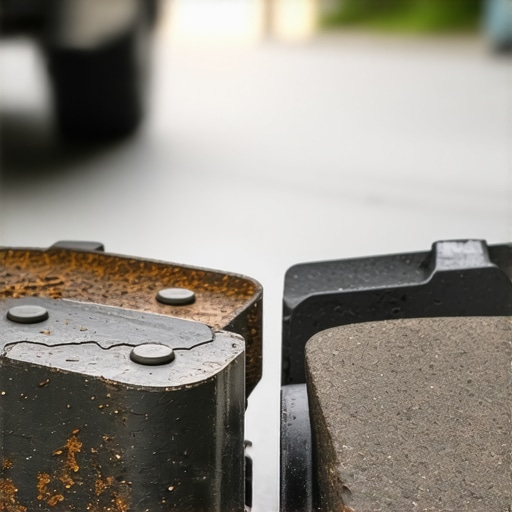
Have you ever skipped on the brake pads during a routine auto shop visit because the price seemed too good to pass up? I used to do the same thing, thinking I was saving a few bucks. But let me tell you—it was a costly mistake that I learned the hard way. One hot summer day, just as I was cruising on the highway, my brakes gave out unexpectedly. Luckily, I managed to stop in time, but it made me realize that cheap brake pads can cost you far more down the road.
Why Cutting Corners with Brake Pads Can Backfire
In my early days of car maintenance, I believed that all brake pads served the same purpose. I’d pick the most affordable option on the shelf without much thought. However, I overlooked a crucial detail: quality varies significantly, and it directly impacts your safety and wallet. When low-cost pads wear out faster and need replacing sooner, it might seem like a bargain at first, but extended over multiple replacements, it can double or even triple your expenses. Plus, cheap pads often lack proper friction material, leading to more wear on rotors and even risking brake failure in extreme cases.
This mistake is more common than you’d think. According to the National Highway Traffic Safety Administration (NHTSA), approximately 22% of vehicle crashes involve braking issues, many stemming from subpar brake components. It’s a stark reminder that saving a few dollars now could be a dangerous gamble later. The question is, how do you spot the good from the bad without overpaying? That’s what we’ll uncover today.
Is It Really Worth Skimping on Brake Quality?
Trust me, I learned this lesson the tough way. I assumed all brake pads were created equal until I replaced a set that looked similar on the surface but wore out within months. I wish I had known earlier that choosing cheaper options often means sacrificing durability, safety, and long-term cost savings. If you’ve faced a similar dilemma, keep reading—because I’ll share practical insights and tips to help you make better choices and avoid costly mistakes in auto repairs.
Now, let’s dive into understanding why opting for inexpensive brake pads can end up costing you three times more in the end—and what signs to watch out for to protect yourself and your vehicle.
Inspect the Existing Brake System Carefully
Before replacing your brake pads, I learned the importance of a thorough inspection. I usually jack up the car, remove the wheel, and check the rotor surface for grooves or discoloration. This helps determine whether rotors need resurfacing or replacement as well. Remember, skimping here can lead to uneven brake wear or vibration during braking. For detailed checking techniques, visit this guide.
Choose the Right Brake Pads Based on Your Driving Needs
Next, selecting high-quality brake pads is crucial. I compare brands and types—ceramic, semi-metallic, or organic—based on driving habits. For example, I prefer ceramic pads if I want quiet operation and less brake dust, but for heavy loads or towing, semi-metallic might be better. Don’t just go for the cheapest; instead, look for reputable brands with proven durability. This decision influences your safety and long-term costs.
Match the Pad Material to Your Vehicle and Use
Once I picked the right material, I ensured compatibility with my car’s make and model. I checked the vehicle’s manual or consulted a trusted auto parts store. Wrong fitment can cause uneven wear or noise. Proper fitment ensures optimal performance and safety.
Remove Old Brake Pads Safely and Effectively
When removing old pads, I loosen the caliper bolts, carefully pry out the pads, and inspect the caliper piston for smooth movement. I used a C-clamp to gently push the piston back if necessary, preventing damage. This step is vital because a stuck piston can prevent proper pad seating. For stuck caliper pins, I use these tips. Proper removal prevents future issues and ensures a smooth new pad installation.
Preparation Is Key Before Installing New Pads
Before installing, I clean the caliper bracket with brake cleaner and check for rust or debris. I also lightly lubricate the caliper pins’ contact areas with high-temperature grease. This prevents squealing and ensures even pad movement. Avoiding these small steps can lead to noisy brakes or uneven wear. Check the rotor surface for cracks or scoring; if necessary, have it resurfaced or replaced to ensure a flat contact surface.
Install the New Brakes Correctly
I position the new pads into the caliper bracket, making sure they’re aligned properly. I then reinstall the caliper over the rotor and tighten the bolts to manufacturer torque specs. After installation, I pump the brake pedal multiple times to seat the pads firmly against the rotor, preventing pedal sponginess or soft feel. This step is often overlooked but is crucial for brake responsiveness.
Test Drive and Final Checks
Once everything’s assembled, I take a slow test drive, applying light pressure to ensure the brakes respond correctly without pulling or noise. I also listen for squeaks or vibrations, which may indicate misalignment. Regularly checking the brake fluid level and consistency post-installation can prevent issues like brake fade. For an easy way to verify wheel alignment, try this method. Properly installed and maintained brake pads keep you safe and save money in the long run.When it comes to auto maintenance, many car owners cling to misconceptions that can cost both time and money. Unlike the common belief that a routine service is straightforward, there’s a fine nuance often overlooked—particularly regarding diagnostics and the importance of understanding underlying issues rather than just addressing surface symptoms. For example, a seemingly minor steering whine might be mistaken for wheel bearing wear, but it could actually stem from a failing power steering pump, a nuanced diagnosis that demands more than just a quick fix. Experts recommend thorough inspections and understanding the interconnectedness of vehicle systems, as emphasized by automotive specialists like those at this guide.
Are You Spraying the Surface or Fixing the Root Cause? Discover How to Diagnose Properly
Many overlook that a quick repair often doesn’t resolve the root problem. For instance, changing brake pads without inspecting the caliper pistons or rotors may just be a temporary patch—leading to premature wear or even causing further damage. A study published by the Society of Automotive Engineers (SAE) highlights that unresolved underlying issues tend to recur, costing more over time. An advanced approach involves systematic checks and understanding system interdependencies, such as how a worn serpentine belt might silently affect the alternator or air conditioning efficiency—details that are easy to miss if you’re only chasing symptoms. Regular comprehensive diagnostics, rather than superficial repairs, can save you significant expenses and prevent breakdowns.
Furthermore, many believe that routine tune-ups are optional or only necessary when the car starts acting up. In reality, preventive maintenance like inspecting spark plugs, air filters, and fuel injectors can ensure smooth operation and long-term reliability. As explained in this article, catching issues early can avoid costly repairs downstream. So, for anyone keen on preserving their vehicle’s lifespan, adopting an advanced diagnostic mindset rather than relying solely on surface fixes is paramount. Remember, understanding the hidden nuances of auto repair empowers you to make smarter decisions and avoid the trap of expensive repeat repairs.
Investing in Quality Tools for Long-Term Reliability
When it comes to auto repair and maintenance, having the right tools isn’t just about making the job easier—it’s about ensuring safety and prolonging your vehicle’s lifespan. I personally swear by a high-quality digital multimeter because it allows me to accurately diagnose electrical issues, which can be subtle yet costly if overlooked. For instance, testing your battery’s load capacity with a reliable tester can prevent unexpected breakdowns, especially during cold months.
I also recommend a precision torque wrench. Proper torque application, especially on critical fasteners like wheel lug nuts or engine components, can prevent damage and safety hazards. Unlike generic wrenches, a calibrated torque wrench ensures you don’t over-tighten or under-tighten, both of which can lead to long-term problems.
Utilizing Smart Software to Track Maintenance
Beyond physical tools, I rely heavily on maintenance tracking apps that remind me when service intervals are due. For example, setting reminders for oil changes, filter replacements, and belt inspections ensures you’re not letting critical maintenance slide. These digital solutions often sync with vehicle data, making it easier to stay on top of what many drivers ignore until a costly repair arises.
One tool I find particularly effective is a Bluetooth-enabled OBD-II scanner which connects to my smartphone. This device provides real-time diagnostics, enables me to read and clear error codes, and even monitor live sensor data like oxygen levels or coolant temperatures. Regular use can reveal issues early, saving money and downtime.
Maintaining Performance: A Routine That Works
Establishing a proactive maintenance routine is the cornerstone of keeping your car in top condition. For instance, I perform a visual inspection of tires every month to catch uneven wear, which often signals alignment or suspension issues. Similarly, checking your serpentine belt periodically—especially if you notice whines during turns—can prevent sudden failures that leave you stranded. 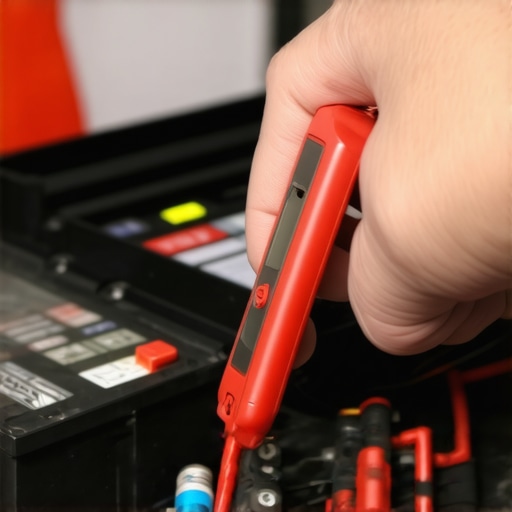
In addition, using specialized cleaning tools like a fuel injector cleaning kit periodically helps maintain engine efficiency. These small investments and routine checks can drastically extend the intervals between costly repairs.
Planning for Scalability and Future Repairs
As your vehicle ages, scaling your maintenance approach becomes crucial. Automation, like installing a transmission sensor upgrade, can help monitor performance and alert you to early signs of wear. I see a trend where predictive diagnostics, leveraging AI and machine learning, will play an increasingly significant role, allowing us to schedule repairs before major breakdowns occur. Investing in these smart tools now positions you ahead of the curve.
How do I maintain my auto repair tools over time?
Regular calibration and proper storage are key. For example, torque wrenches should be recalibrated annually to maintain accuracy, and storing tools in a dry, organized environment prevents rust. Additionally, keeping digital diagnostic devices updated ensures compatibility with new vehicle models and software standards. Implementing a simple maintenance schedule for your tools ensures they remain effective when you need them most. A tip from industry experts is to test your multimeter monthly on a known voltage source to verify its accuracy. Try this technique today to ensure your diagnostic tools are always reliable.
Lekcje, które zmieniły moje podejście do samochodowych napraw
- Najważniejszą lekcją było zrozumienie, że tanią oszczędność można zapłacić dwukrotnie, jeśli zaniedbamy jakość części. Gdy moje tanie hamulce zawiodły, zrozumiałem, że inwestycja w renomowane marki to bezpieczeństwo, które się opłaca.
- Małe oznaki, takie jak nierówne zużycie opon czy delikatne wibracje na kierownicy, mogą sygnalizować poważniejsze problemy. Zamiast ignorować je, warto skonsultować się ze specjalistą, aby uniknąć dużych wydatków w przyszłości.
- Regularna kontrola elementów układu hamulcowego i zawieszenia daje pewność, że nasz samochód jest gotowy na każde warunki, a my na bezpieczną podróż. Ja sam zacząłem korzystać z narzędzi diagnostycznych, by być na bieżąco.
Moje ulubione narzędzia i źródła porad
- Raybestos – zaufana marka części hamulcowych, która gwarantuje trwałość i bezpieczeństwo. Korzystanie z ich produktów to moja pewność, że hamulce zadziałają w kluczowym momencie.
- Autodata – baza informacji technicznych, którą polecam każdemu majsterkowiczowi. Dzięki niej mogę samodzielnie sprawdzić specyfikacje i procedury napraw, oszczędzając czas i pieniądze.
- YouTube – kanały ekspertów, które pokazują krok po kroku, jak wymienić np. klocki hamulcowe czy wyregulować układ zawieszenia. Osobiście polecam „ChrisFix” za konkretne i klarowne instrukcje.
Twój krok do pewności i bezpieczeństwa na drodze
Nie zaniedbuj regularnych kontroli i inwestuj w jakościowe części – to klucz do długotrwałej sprawności i bezpieczeństwa twojego samochodu. Pamiętaj, że drobne zaniedbania mogą zamienić się w poważne problemy, które będą cię kosztowały dużo więcej. Dbanie o auto to nie tylko obowiązek, ale też troska o własne bezpieczeństwo i komfort jazdy. Zacznij już dziś – twoja niezawodność na drodze czeka!
Co najbardziej martwi cię w utrzymaniu własnego samochodu? Podziel się swoimi doświadczeniami w komentarzach!