
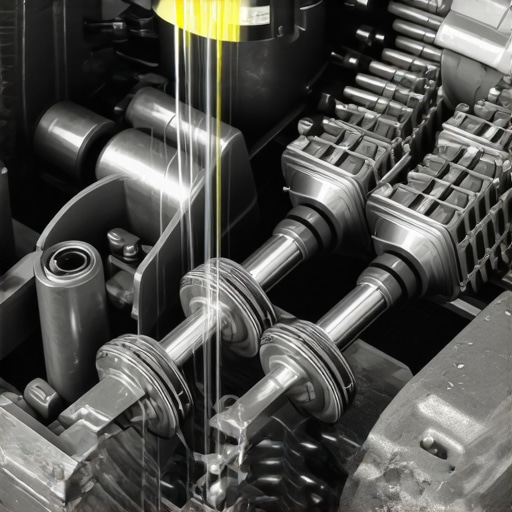
I remember the day I finally understood what was draining my wallet—the relentless ticking noise that turned into a clunk, then a costly repair bill. It wasn’t just bad luck or a sudden mechanical failure; it was neglecting a simple yet critical aspect of car maintenance: clean oil. That lightbulb moment made me realize how something as ordinary as oil—not just its quantity but its cleanliness—can be the hero in preventing expensive timing chain troubles.
The Hidden Power of Clean Oil in Protecting Your Engine
When I first started paying attention to my vehicle’s health, I thought topping off the oil was enough. I didn’t realize that over time, dirt, debris, and old sludge could turn that vital fluid into a gritty mess. This contamination accelerates wear and tear on engine components, especially the timing chain—a crucial part that keeps your engine in sync. An untreated, dirty oil can cause that chain to stretch, slip, or even break, leading to catastrophic engine failure.
Fortunately, maintaining clean oil isn’t complicated or expensive when you know what to do. Today, I’ll walk you through the facts and solutions that helped me save hundreds—and maybe thousands—by simply changing my approach to oil care. Plus, I’ll share a critical mistake I made early on that you definitely want to avoid.
Is Using Cleaner Oil Really Worth the Fuss?
Yes, and here’s why: Regularly changing your oil and opting for high-quality filters can drastically reduce engine deposits. According to a study by the International Journal of Automotive Engineering, engines with clean oil experience 30% less wear on critical parts like the timing chain. That’s a staggering difference, especially considering the cost of timing chain repairs which can run into thousands of dollars.
I used to ignore the importance of oil quality, thinking it was just a routine task. But skipping proper oil changes or settling for cheap oil set me up for unnecessary repairs. Trust me, investing in regular, clean oil changes isn’t just about keeping the engine happy—it’s about saving yourself from future headaches and expenses.
So, have you faced unexpected timing chain issues or wondered why your engine feels sluggish despite regular oil checks? If so, stick around. We’ll delve into the precise steps to keep your oil pristine and your engine running smoothly, avoiding those costly pitfalls altogether.
Drain and Replace the Old Oil Properly
Start by parking your car on a level surface, engaging the parking brake, and warming the engine for a few minutes to ensure the oil flows out smoothly. Then, open the drain plug using a wrench, allowing the old, contaminated oil to fully escape into a container. I once forgot to have a catch basin underneath, resulting in oil spilling onto my driveway, so always prepare your workspace ahead of time for a clean, efficient process. Let the oil drain completely, which may take several minutes. This step is crucial because residual old oil can mix with fresh, weakening the lubrication and accelerating engine wear.
Change the Oil Filter with Precision
Next, locate the oil filter—it’s usually accessible from the top or bottom of the engine, depending on your vehicle model. Using an oil filter wrench, carefully unscrew the filter, ensuring you have a catch basin to minimize mess. Take note of the filter’s orientation and compare it with the new one for proper installation. When I replaced mine, I made sure to dip a finger in new oil and lightly lubricate the rubber gasket of the new filter—this prevents leaks and ensures a tight seal. Installing the filter hand-tight and then snugging it an extra quarter turn is sufficient; over-tightening can damage the gasket or make future removal difficult.
Choose High-Quality Oil for Better Protection
Select an oil grade recommended by your vehicle manufacturer, typically found in the owner’s manual. High-quality synthetic oils contain fewer impurities and better resistance to breakdown, making them ideal for maintaining clean, effective lubrication. I learned this the hard way—I initially opted for the cheapest oil available, resulting in engine sluggishness after a few thousand miles. Upgrading to a synthetic blend improved my engine’s smoothness and helped prolonged intervals between oil changes. Remember, the type of oil impacts how well your engine’s internal parts are protected, especially the timing chain, which relies on proper lubrication to prevent stretch and wear.
Refill with the Correct Oil Quantity
Fill your engine with fresh oil using a funnel, pouring slowly to avoid overfilling. Consult your owner’s manual for the exact fluid capacity—overfilling can lead to foaming and engine damage, while underfilling starves vital components of lubrication. I once underestimated the amount needed, leading to low oil pressure warnings; after draining some out, I filled it precisely, which restored smooth operation. Once filled, use the dipstick to verify the level, wiping it clean and inserting it fully before checking. Aim for the safe zone marked on the stick, ensuring optimal performance and longevity of parts like the timing chain.
Proper Disposal of Old Oil and Filter
Never pour used oil down the drain or onto the ground—this damages the environment and can lead to hefty fines. Instead, take your old oil and filter to a recycling center or authorized disposal site. During my first oil change, I stored the used oil in a sealed container and delivered it to a local recycling facility, avoiding environmental harm while complying with local regulations. Proper disposal is vital to prevent contamination of water sources and preserve natural resources.
Set a Reminder for Regular Oil Changes
Time flies, and before you know it, dirty oil can cause severe engine issues, including timing chain problems. Mark your calendar based on your driving habits—every 3,000 to 5,000 miles for conventional oil, or up to 7,500 miles with high-quality synthetics. I finally adopted a maintenance schedule, which forced me to stay proactive. This habit ensures your oil remains fresh and contaminants are regularly removed, safeguarding your engine’s longevity.
Many car owners operate under misconceptions about auto repair and maintenance, leading to costly mistakes. One prevalent myth is that all brake services are the same; however, not understanding the specific needs of your brake system, such as differences between disc and drum brakes, can result in inadequate repairs. For instance, some believe that brake pads are a do-it-yourself job, but neglecting proper inspection can hide underlying issues like caliper corrosion, which require professional attention. To get ahead, it’s crucial to recognize the nuanced differences in brake components and services. Moreover, many overlook the importance of a comprehensive tune-up, assuming it’s just an optional upgrade. In truth, regular tune-ups optimize fuel efficiency and engine longevity, especially when tailored to your vehicle model and driving habits. Advanced errors often stem from relying solely on dashboard warning lights; these indicators are helpful but don’t replace detailed diagnostics. Modern engines involve complex systems such as variable valve timing, which require expert calibration during a tune-up to maximize performance. A common trap is underestimating the significance of high-quality parts and fluids—opting for cheaper alternatives might save money upfront but lead to faster wear and repeated repairs, ultimately increasing costs. Experts like automotive technicians emphasize the importance of adhering to manufacturer-recommended maintenance intervals, especially for vital components like timing chains and coolant systems, which can become critical failure points if neglected. Staying informed about auto repair trends, such as advances in synthetic oils or advanced sensor diagnostics, can give you an edge in proactive vehicle care. Having a detailed understanding of these nuances ensures that maintenance and repairs are performed correctly, preventing issues from escalating. Check out our guide on how regular tune-ups enhance vehicle performance for more insights. Remember, skimping on professional diagnostics or ignoring manufacturer specifications can lead to hidden costs over time. Become an informed owner, and your vehicle will thank you in the long run. Have you ever fallen into this trap? Let me know in the comments.
Mastering the Art of Car Care with the Right Tools
To keep your vehicle running smoothly over the years, investing in quality tools is non-negotiable. I personally rely on a high-torque digital torque wrench for oil filter replacements, ensuring a perfect seal without over-tightening—which can damage gaskets or cause leaks. My go-to is the CDI Torque 2503M. It’s precise, durable, and easy to use, giving me confidence during each maintenance session. Additionally, a good diagnostic scanner like the BlueDriver Bluetooth Pro helps me catch minor issues before they escalate, saving time and money.
Proper tools do more than just make repairs easier—they enable you to perform maintenance correctly, extend your vehicle’s lifespan, and avoid costly visits to the mechanic. As auto repair technologies evolve, so do the tools—think smart sensors and wireless diagnostic devices—paving the way for more accessible, DIY-friendly maintenance in the future.
How do I maintain consistent vehicle quality over time?
Establishing a routine with reliable equipment ensures that your car receives the care it deserves. Regularly inspecting and replacing parts like spark plugs, filters, or brake components using professional-grade tools can dramatically improve performance. Remember, a well-maintained car not only drives better but also retains its value longer. Take advantage of advanced techniques, such as performing a comprehensive tune-up, to keep your engine running at peak efficiency and prevent issues like timing chain wear. This proactive approach aligns with insights from industry experts emphasizing the importance of regular, quality maintenance to avoid unexpected breakdowns.
If you haven’t yet, try integrating a digital torque wrench into your toolkit. It ensures your repairs meet manufacturer specifications, reducing the risk of mistakes that could lead to long-term damage. Maintain a detailed service log to track your maintenance activities, facilitating timely interventions and fostering a mechanic-like professionalism from your own garage. As the automotive future leans toward smarter sensors and predictive diagnostics, staying ahead with the right tools will make all the difference in how smoothly your vehicle ages.
Interested in more advanced strategies? Explore how expert tune-up practices prolong your car’s life to deepen your maintenance game.
Lessons the Garage Taught Me About Auto Care
- One of the toughest lessons was realizing that neglecting small details, like monitoring oil cleanliness, can snowball into costly repairs, especially for essential parts like the timing chain.
- I learned that shortcuts, such as ignoring regular oil changes or choosing cheap filters, often come back to bite you in the form of engine sludge or component wear.
- The importance of trusted tools became clear when I upgraded to a high-quality torque wrench, which made my oil filter replacements precise and leak-free, saving me time and money.
- Adopting a proactive mindset—like setting reminders for oil changes—can significantly extend your vehicle’s lifespan and prevent unexpected breakdowns.
- Finally, I realized that understanding your car’s unique needs and resisting the urge to cut corners fosters a sense of ownership and confidence in your vehicle’s longevity.
Tools and Resources That Make a Difference
- High-Torque Digital Torque Wrench: For perfect-tightening of filters and bolts, I swear by the CDI Torque 2503M. It ensures every repair meets manufacturer specifications.
- Diagnostic Scanner: Catch minor issues early with tools like the BlueDriver Bluetooth Pro. It’s reliable and user-friendly for DIY diagnostics.
- Official Maintenance Manuals: Reference your vehicle’s service manual or reputable online resources like comprehensive car service guides to stay informed about recommended intervals and procedures.
- Environmental Disposal Centers: Always use local recycling centers for old oil and filters. Proper disposal isn’t just responsible; it keeps your environment safe and complies with regulations.
Your Move Towards Smarter Car Care
Taking control of your vehicle’s health through informed, consistent maintenance is empowering. Remember, a little knowledge combined with the right tools can prevent many headaches and save you money in the long run. Keep learning, stay proactive, and enjoy the ride—your car will thank you for it. Thinking about refining your auto care routine? Check out how expert tune-up strategies extend your vehicle’s life. Are you ready to dive deeper into DIY maintenance? Let me know your biggest challenge below!