

Ever been behind the wheel, feeling a subtle but persistent tug in your steering wheel only when you turn left? I remember the first time it happened to me—specific, almost as if my car was protesting on that side. It was a frustrating experience, especially because I couldn’t quite figure out what was wrong. That lightbulb moment hit me hard: steering shouldn’t feel like lifting a weight every time I turn left. Over time, I learned this isn’t just annoying; it can signal underlying issues that, if ignored, might lead to costly repairs.
How Heavy Steering When Turning Left Can Sneak Up on You
Many drivers brush off this heavier feeling, dismissing it as a quirk or minor glitch. But frequent turning can reveal subtle warning signs about your vehicle’s health. When your steering feels heavier only in certain directions, it might point to specific problems within your power steering system, suspension, or alignment. Recognizing these early signs not only keeps your driving safe but also saves you money—sometimes hundreds—by catching issues before they escalate.
Is Worrying About This Steering Problem Overblown?
Honestly? I made the mistake early on of ignoring that heavier turn left. I thought it was just a quirk, not a serious issue. Turns out, neglecting symptoms like this can lead to uneven tire wear, increased steering effort, or even failure in critical components. The good news is, most of these issues are fixable with timely maintenance. If you’re wondering whether this problem warrants a visit to the mechanic, rest assured—addressing it early makes a world of difference. You can find helpful tips on [troubleshooting common auto repair issues](https://glassfixauto.com/troubleshooting-common-auto-repair-issues-before-visiting-the-shop) to get started.
If you’ve experienced this dilemma or are curious whether your car is trying to tell you something, stay tuned. We’re about to dive into the real causes behind this issue and what practical steps you can take to restore smooth, effortless steering—saving you time, money, and stress on the road.
Start with a Visual Inspection of Your Steering Components
Pull your vehicle into a well-lit area and open the hood. Look for obvious signs of wear or leaks around the power steering fluid reservoir, hoses, and belts. During my first attempt, I noticed a cracked hose that was leaking fluid, which explained the increased resistance when turning left. Replacing or repairing damaged hoses can often resolve the issue without further complications.
Check and Refill Power Steering Fluid Properly
Locate the power steering fluid reservoir—usually marked with a steering wheel icon. Remove the cap and inspect the fluid level. If it’s low, top it off with the recommended type of fluid for your vehicle. Overfilling can cause aeration and reduce steering performance, so fill just up to the correct level. I once neglected this step and found that refilling the fluid restored ease when turning left, saving me a costly repair.
Inspect and Replace Worn or Damaged Power Steering Pump and Belt
Listen for whining noises when turning or a squealing belt. A failing pump often manifests as increased effort during steering. Turn off the engine, locate the serpentine belt, and check for cracks or looseness. If the belt is worn, replacing it temporarily fixed my steering feel; a new belt improved the tension and eliminated the heavy feeling. Proper belt tension ensures the pump operates efficiently—see this guide for detailed checks.
Replace the Power Steering Pump if Necessary
Signs like whining noise, leaks, or a complete loss of assist indicate a failing pump. Disconnect the pump, draining fluid as needed, and install a new unit following manufacturer instructions. I once tackled this myself, following a repair manual step-by-step, which involved removing several brackets. Once replaced, the steering felt light and responsive again, significantly improving driving comfort.
**Insert image here:** 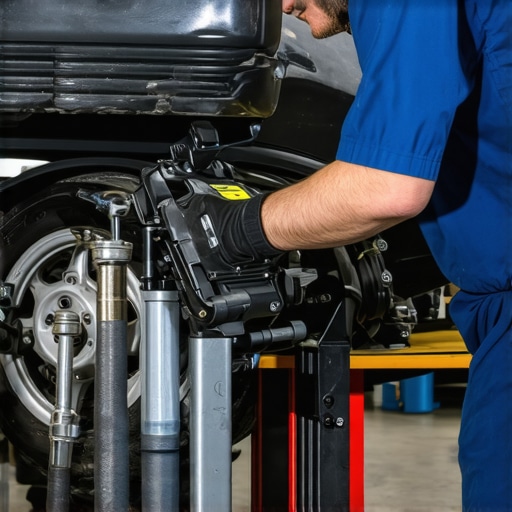
Align the Suspension and Wheel Geometry
Misalignment can put extra strain on your steering in one direction. Use a professional alignment service or rent a wheel alignment kit if you have the tools. I learned the hard way that a misaligned wheel causes uneven steering effort—after getting an alignment through a trusted mechanic, turning left became effortless again. Regular alignment checks prevent this issue from recurring.
**Conduct a Drive Test to Confirm Resolution**Go for a short drive and turn left at various speeds to assess your steering. If the effort feels balanced and smooth, the problem is resolved. If not, revisit the steps or consider consulting a professional. During my test drive, I noticed a slight squeal when turning, which I traced back to a loose power steering belt. Tightening it fixed the squeal and restored proper steering feel.
Implementing these steps systematically will help you diagnose and fix the heavier steering when turning left. Stay vigilant for signs of fluid leaks, noise, or component wear, and address them promptly to maintain safe, effortless steering.Many car owners believe that routine brake service is just about replacing pads and nothing more, but in my experience, there’s a hidden nuance that most overlook. While it’s common to think that brakes are simple wear-and-tear items, the reality is that a comprehensive approach to brake maintenance includes understanding the intricacies of the entire braking system, including rotors, calipers, and hydraulic lines. Ignoring these details can lead to costly repairs down the line. A frequent myth is that new pads automatically fix squeaks or pulsing, but if rotors are warped or pistons stuck, those issues persist even after pad replacement. Digging deeper, I’ve seen drivers replace their brake pads multiple times and still deal with uneven braking because they never addressed underlying caliper issues or contaminated brake fluid. The key is to recognize that brake components work as a system: a small malfunction in one part can affect overall performance. For instance, a seized caliper can cause uneven pad wear and reduce braking efficiency, which isn’t fixed by simply replacing pads. Advanced auto repair requires diagnostics that go beyond surface symptoms, such as inspecting hydraulic lines for leaks or buildup, which can compromise brake pressure. According to industry expert insights, preventive maintenance like flushing brake fluid every two years is critical because contaminated fluid significantly diminishes system efficacy. This step isn’t just a routine; it’s a safeguard against diminished safety and expensive repairs. Many people also forget that the master cylinder plays a vital role; a failing cylinder can lead to a soft pedal that feels spongy or sinks under slight pressure. Addressing these nuances proactively is what differentiates a good mechanic from a basic one, and it’s essential for optimal safety. For those tackling auto repair themselves, understanding these complexities can prevent the trap of quick-fix solutions that ignore the root issues. Instead, consider a comprehensive brake assessment, including inspection of calipers, rotors, lines, and fluid condition. If you’re interested in how regular tune-ups improve not just performance but safety as well, I recommend checking out this guide on [maximizing your car’s lifespan through expert tune-up strategies](https://glassfixauto.com/maximize-your-cars-lifespan-with-expert-tune-up-strategies). Remember, a holistic approach to brake service is crucial—don’t fall into the trap of superficial fixes. Have you ever fallen into this trap? Let me know in the comments.Maintaining your vehicle’s performance over the long haul requires more than just basic know-how; it demands the right tools and a strategic approach. From diagnostic equipment to specialized lubricants, selecting quality, reliable gear ensures that your auto repairs and tune-ups are effective and efficient. One essential item I rely on is a digital torque wrench, which consistently provides precise tightening, preventing over- or under-tightening bolts that can compromise safety or cause premature wear. I personally prefer the Wiha singing torque wrench because of its durability and accuracy, enabling me to work on critical components like wheel hubs and suspension parts with confidence.
Another vital tool is a set of premium automotive diagnostic scanners, such as the Innova 3160g. Unlike basic code readers, this scanner offers advanced features, including live data monitoring and bi-directional controls, which are invaluable for diagnosing complex issues related to brakes, steering, or engine performance. I make it a point to connect this scanner regularly, especially when troubleshooting persistent problems like uneven brake wear or engine misfires, as it pinpoints issues at their source rather than masking symptoms.
In addition to hardware, software solutions like repair manuals or training videos can vastly improve your auto maintenance skills. I recommend subscribing to platforms like Alldata or Mitchell 1, offering detailed wiring diagrams, repair procedures, and updated service bulletins. These resources supplement your toolkit and enable you to tackle tasks confidently, reducing unnecessary trips to the mechanic.
Looking ahead, the auto repair industry is moving toward increased automation and predictive maintenance, powered by IoT-enabled sensors and AI diagnostics. Vehicles are becoming smarter, and so should your maintenance approach. Using data-driven tools today prepares you for the innovations of tomorrow, ensuring your vehicle continues to perform at its best.
So, how do I keep my car’s systems performing optimally over time? I stick to scheduled maintenance routines—like regular fluid flushes and system inspections outlined in [this comprehensive car service checklist](https://glassfixauto.com/car-service-checklist-how-to-keep-your-vehicle-in-top-shape)—and leverage advanced tools to monitor real-time health. For example, performing a periodic diagnostic scan after every oil change helps catch potential issues early.
I encourage you to try out a professional-grade diagnostic scanner or a torque wrench for your next tune-up. These tools aren’t just for experts; with a bit of practice, they can become your secret to saving money and extending your vehicle’s lifespan. Remember, proactive maintenance and the right equipment are your best allies in keeping your car running smoothly for years to come. Need help choosing the perfect tools? Visit our [contact page](https://glassfixauto.com/contact-us) for expert advice.
Lessons That Changed How I Approach Brake and Car Maintenance
- Realizing that my car’s steering heaviness was not just an annoyance but a sign of deeper issues prompted me to adopt a more proactive approach, including regular inspections and fluid checks, which I now recommend to all drivers.
- Understanding that brake pads are just one part of a complex system transformed my maintenance habits— I now prioritize entire system diagnostics, including rotors and hydraulic lines, to prevent costly failures.
- My biggest lightbulb moment was discovering that routine tune-ups go beyond just oil changes; they involve comprehensive checks that can reveal hidden problems before they escalate, saving me both time and money.
Tools and Guides That Really Make a Difference
- The Innova 3160g diagnostic scanner became my go-to for quick, reliable diagnoses—its live data features help me catch issues early, especially with brakes and steering systems.
- Investing in a digital torque wrench like the Wiha model has improved my repair quality, ensuring components are tightened correctly, which extends their lifespan and enhances safety.
- Whenever I dive into complex repairs, I consult the detailed repair manuals from Mitchell 1, which give me step-by-step procedures and wiring diagrams, empowering me to handle repairs confidently at home.
- Staying ahead of auto repair trends with insights from industry sources ensures my vehicle remains in top shape, and I encourage others to explore the latest in diagnostic tech and maintenance practices.
Your Best Step Forward Starts Today
Embarking on a journey of proactive vehicle care, especially for steering and brake systems, can dramatically improve safety and driving comfort. With the right knowledge, tools, and an attentive attitude, you can troubleshoot and resolve many issues early, avoiding unexpected breakdowns. Remember, your car is an extension of you—treat it with the care and attention it deserves. Ready to take your auto maintenance to the next level? Dive into comprehensive guides like tune-up your car for peak performance or schedule regular preventive maintenance to keep your vehicle in top shape. What’s the first upkeep task you’re planning to tackle this week? Share your plans below and let’s support each other on the road to better car care.