
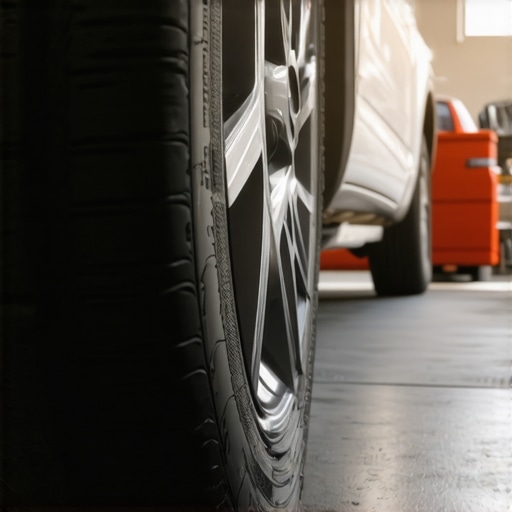
It hit me one morning, just as I was pulling out of my driveway, noticing that familiar wobble in my steering wheel. I’d been told for years to rotate my tires regularly—every 6,000 miles, they say. But that day, I realized I’d been following a rule that might not be as set in stone as I thought. Have you ever felt that nagging doubt, wondering if you’re overdoing it or missing something crucial about car maintenance?
Why Tire Rotation Timing Can Be More Flexible Than You Think
When I first started paying attention to tire rotation, I was disciplined — sticking to the 6,000-mile schedule without question. Over time, however, I discovered that the optimal frequency isn’t a one-size-fits-all answer. Driver habits, tire type, and road conditions all influence how often your tires need attention. In fact, some experts suggest that under certain circumstances, you might extend that interval without risking your safety or damaging your tires. It’s a bit liberating to know that, sometimes, common rules are more guidelines than strict commandments. If you’re curious about how to tweak your maintenance routine for maximum savings and safety, I’ve got some insights that might surprise you.
Is Following the 6,000-Mile Rule Actually Worth the Hype?
Early in my DIY days, I made a pretty rookie mistake—ignoring irregular tire wear because I was convinced I’d already hit my scheduled rotation. That oversight led to wobbling brakes and uneven wear, costing me more in repairs down the line. It taught me a valuable lesson: not all guidelines are universally necessary if you understand your driving style and vehicle health. Modern vehicles and tires are more resilient, and with some simple checks, you might stretch that mile interval. Ready to learn how to personalize your tire care? I’ll walk you through the facts backed by industry standards and real-world experience.
Assess Your Driving Style and Vehicle Condition
Start by evaluating your daily driving habits. Are you mostly city-driving or on the highway? Do you carry heavy loads? Check your owner’s manual for recommended rotation intervals, but remember, these are flexible based on your driving. To get a clear picture, regularly inspect your tires for uneven wear or bald spots. During my first self-rotation attempt, I noticed uneven tread after 8,000 miles—an indication I could extend the interval or need to adjust my driving style. Understanding your vehicle’s unique use case is crucial for tailoring your maintenance routine.
Mark Tires and Plan Your Rotation Pattern
Use a washable marker or chalk to label each tire’s position—front-left, front-right, rear-left, rear-right. Planning a cross-pattern rotation (front to back and swapping sides) helps ensure even wear. For example, I once rotated my tires in a
Many car owners believe that brake service and routine auto repairs are straightforward, but in reality, there’s a nuanced landscape that many overlook. Common myths persist, leading drivers to either overmaintain, overspend, or neglect crucial yet less obvious issues. Let’s explore some of these misconceptions and the advanced pitfalls that even seasoned enthusiasts sometimes fall into.
Are You Falling for the Myth That All Brake Pads Last the Same Length?
It’s a widespread belief that brake pads are universally durable and will wear out after a fixed interval, like 50,000 miles. However, the truth is far more complex. The material composition—ceramic, semi-metallic, organic—significantly influences longevity, especially when combined with driving style and environmental conditions. For example, aggressive braking in city traffic accelerates pad wear dramatically, sometimes leading to uneven wear patterns that can compromise your entire braking system. Rather than relying solely on mileage estimates, regularly inspecting your brake pads for thickness and warping is essential. For a detailed understanding, check out this comprehensive guide to brake myths.
Moreover, manufacturers often specify different maintenance schedules based on specific driving scenarios, emphasizing the importance of personalized service rather than generic timeframes. It’s an advanced nuance that can save you money and ensure safety—so stay vigilant and don’t accept the one-size-fits-all narrative blindly.
Spotting the Trap: The Oops of Ignoring Subtle Auto Repair Signs
One common mistake drivers make is dismissing minor symptoms as unimportant. A squealing brake just as you start your drive, or a slight shudder when braking, could hint at underlying issues like warped rotors or impending caliper failure. Ignoring these early signs might lead to costly repairs later, such as total brake system overhauls or even compromised safety. Regular inspections are your best defense. An insightful resource on this is this troubleshooting guide, which helps you identify issues before they escalate.
Especially with brake components, it’s crucial to understand that not all noises or vibrations are equal—some are benign, but many are urgent warnings. Taking action early can often prevent accidents or hefty repairs. The danger lies in underestimating these subtle clues or delaying repairs, leading to what I call the ‘accident cascade effect.’
Are Advanced Diagnostics the Key to Truly Professional Auto Care?
For serious car enthusiasts or those wanting a truly thorough approach, embracing advanced diagnostic practices can be transformative. Modern vehicles are fitted with onboard computer systems that can reveal hidden faults invisible to the naked eye—think of engine misfires, sensor misreads, or subtle fluid leaks. Technologies like OBD-II scans and precision wheel alignment are now essential components of an expert’s toolkit. This is especially relevant for diagnosing issues that aren’t immediately obvious but could impact safety and performance long-term.
Studies, including automotive trend reports like this analysis of future repair trends, highlight how embracing such diagnostic tools is becoming standard practice among top service centers. Going beyond routine checks and investing in these diagnostics can keep your vehicle in peak shape and avoid surprises when you least expect them.
So, next time you think about brake service or any auto repair, remember—there are layers of complexity beneath the surface. Recognizing and understanding these can empower you to make better decisions and trust your vehicle’s health to real experts. Have you ever fallen into this trap? Let me know in the comments!
Investing in Quality Auto Maintenance Tools
To truly take control of your vehicle’s longevity, having the right tools is essential. I personally recommend a high-quality digital multimeter, like the Fluke 115, for diagnosing electrical issues. It allows me to quickly check battery voltage, alternator performance, and sensor outputs with precision. For inspecting brake components without removing wheels, a magnetic borescope is invaluable; I use one from Depstech, which provides clear images in tight spaces, helping me spot wear or damage early. These tools save me trips to the mechanic and empower me to understand my car’s condition better.
Mastering Basic Diagnostics for Long-Term Savings
Beyond physical tools, embracing software diagnostics has revolutionized car maintenance. An OBD-II scanner, such as the BlueDriver, communicates directly with your vehicle’s computer, revealing trouble codes and sensor data. Personally, I use BlueDriver because it provides detailed explanations and suggested fixes, which considerably cuts down diagnostic time. Regularly checking your vehicle’s emissions system readiness and sensor health helps catch issues early, preventing costly repairs down the line. As technology advances, I believe integration with smartphone apps will become standard, making diagnostics more accessible for everyone.
Frequent Maintenance Checks Keep Problems at Bay
Consistent inspections of fluids, filters, and wear items are the backbone of reliable vehicle performance. I schedule quarterly checks based on the guidelines from this comprehensive service guide. For example, changing the engine oil before it becomes thick and sludgy keeps the engine cool and reduces wear. Similarly, inspecting brake fluid and replacing it every two years ensures braking performance remains optimal. Implementing a checklist helps me stay disciplined, and I recommend setting reminders to stay on top of these tasks.
Predicting and Preventing Breakdowns
Anticipating issues before they occur is a game-changer. Using vibration analyzers like the VOTWEEK Vibration Meter, I monitor my car’s bounce and shudder patterns during routine drives. Sudden changes can signal failing shocks or misaligned wheels. I also rely on tire pressure monitoring systems (TPMS) equipped in many vehicles nowadays—these alert me to air leaks that could cause uneven wear or blowouts. Combining these tools with software diagnostics enables a proactive approach, extending your car’s lifespan and maintaining safety. For a detailed look at essential preventative measures, check out this resource.
Looking Ahead: The Future of Auto Care
As vehicle technology continues to evolve, so will the tools and methods for maintenance. I predict that integrated, AI-powered diagnostic platforms will become the norm, offering real-time health assessments and maintenance alerts. Wearable sensors might soon monitor vital components continuously, providing early warnings of wear or failure. Embracing these innovations now will put you ahead in the maintenance game. I encourage you to start by trying out an advanced diagnostic tool like the BlueDriver and see firsthand how it transforms your understanding of your vehicle’s health.
How do I maintain my tools and systems over time?
Regular calibration and updating of your diagnostic software safeguard accuracy. Keep tools like multimeters and sensors clean and stored properly to prevent damage. Periodic research into new technologies can also keep your toolkit current. Investing in quality gear now pays dividends in reliability and long-term savings, making your auto maintenance more effective and less stressful. Remember, staying informed and equipped is the best way to ensure your vehicle continues to serve you well. For more tips, visit this troubleshooting resource.
Lessons That Turned My Auto Care Game Around
- Embracing flexibility in tire rotation schedules taught me to listen to my car rather than blindly follow rules. Recognizing subtle signs like uneven tread wear allowed me to extend intervals safely, saving money while maintaining safety.
- Understanding that not all brake pad wear follows the mileage guide was eye-opening. Regular inspections and having the right diagnostic tools prevent unnecessary replacements and unexpected breakdowns, making maintenance feel more like a proactive art than a reactive chore.
- Learning to interpret warning signs, like faint vibrations or odd noises, helped me catch issues early. This approach transformed my attitude from reactive to preventive, ultimately protecting my vehicle’s longevity and my peace of mind.
My Go-To Resources for Smarter Car Care
- Auto repair trend reports keep me updated on future innovations, helping me anticipate upgrades and choose the best diagnostics tools for my needs.
- I trust specific guides on transmission issues to better understand complex symptoms, empowering me to discuss concerns confidently with mechanics.
- The comprehensive maintenance checklists serve as my personal road map, ensuring I don’t overlook small but vital service points.
Keep Your Heart in the Drive
Each of us has the potential to become a more informed and confident car owner. With the right mindset, tools, and resources, maintenance becomes an empowering journey rather than a stressful chore. Don’t wait for a breakdown—start applying these insights today and enjoy the road ahead with assurance. How do you plan to rethink your auto maintenance routine? Share your ideas below.