
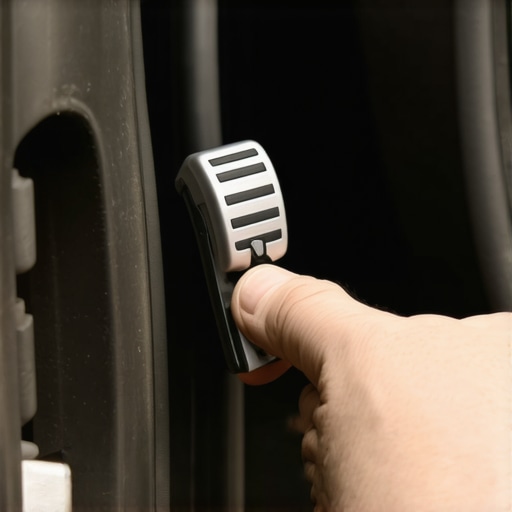
I remember the first time I pressed down on my brake pedal and felt it go soft, almost like pushing on a sponge. Panic set in. Was my brake system failing? Had I missed a crucial repair? That moment was a real wake-up call—and honestly, it can happen to anyone. A soft brake pedal isn’t just a minor annoyance; it can be a warning sign of something more serious beneath the surface. And trust me, ignoring it can lead to costly repairs—or worse, dangerous driving conditions.
Why Your Brake Pedal Might Feel Soft and Why It Matters
No one wants to hear that unsettling feel of a spongy brake pedal, especially when you’re trying to stop in time. The truth is, a soft pedal often indicates that your braking system isn’t functioning as it should. Common causes include trapped air in the brake lines or leaks that lead to a loss of hydraulic pressure. Both issues can compromise your ability to stop quickly, posing a significant safety risk. So, understanding what’s behind that pedal feel isn’t just about car maintenance—it’s about keeping you and your loved ones safe on the road.
Is Fixing Your Brake Pedal Even Worth It?
I used to think that a soft brake pedal was just another routine problem, something I could ignore until my next service. Big mistake. Early on, I made the mistake of relying solely on the brake fluid level, which didn’t always reveal the true issue. That oversight almost cost me dearly during a sudden stop. Learning from that mistake, I now know that diagnosing whether the problem is air in the system or a leak is crucial and more straightforward than it seems. For a deeper dive into how your brake system works and what repairs might be needed, check out this comprehensive guide.
If your brake pedal feels unusually soft or pedal resistance is inconsistent, it’s better to address the problem sooner rather than later. Coming up, I’ll walk you through the signs to watch for and the simple tests you can perform at home to identify the root cause. Because trust me, knowing the difference between air and a leak can save you a lot of hassle—and a potential accident.
Start with a Visual Inspection of Your Brake System
Before diving into any repairs, examine brake lines, hoses, and the master cylinder for obvious signs of leaks or damage. Gather your tools, including a flashlight, wrenches, and a clean container for brake fluid. Recall a time I found a cracked brake hose lurking behind the wheel well—initially missed in a quick glance, it turned out to be the culprit. Addressing leaks early prevents further damage and ensures safety.
Check and Replace Brake Fluid If Needed
Low or contaminated brake fluid can cause a spongy pedal. Remove the brake fluid cap and inspect the level against the marks on the reservoir. If it’s dark or below the minimum, drain the old fluid using a turkey baster or siphon and refill with fresh brake fluid as specified in your owner’s manual. Flushing the system improves hydraulic pressure and pedal responsiveness. For proper procedures, see this comprehensive guide.
Bleed the Brake Lines to Remove Air
Air trapped in the brake lines compresses under pressure, leading to a soft pedal. Use a friend or a brake bleeding kit. Attach a clear hose to the bleed screw at each wheel, have your helper press the brake pedal slowly, then loosen the screw to let out air and fluid, tightening it before release. Repeat until the fluid runs clear without bubbles. Remember, starting with the wheel furthest from the master cylinder (usually rear passenger side) and working towards the closest (front driver side) ensures complete air removal. I once struggled with this process, but following a step-by-step tutorial kept me safe and effective. It’s crucial not to let the master cylinder run dry during bleeding, so keep the reservoir topped off.
Identify and Fix Leaks or Damaged Components
Leaking brake fluid indicates compromised components. Inspect the master cylinder, calipers, and wheel cylinders for wetness or corrosion. If you spot cracks or severe corrosion, replacement is necessary. For minor leaks, resealing or component repair might suffice. Remember, a leak reduces hydraulic pressure, which explains the soft pedal. For detailed troubleshooting, see this troubleshooting guide for auto repair issues.
Test the Pedal and Road Test
After completing repairs, pump the brake pedal several times to seat the pads and restore pressure. Check for firmness—if it still feels spongy, repeat bleeding. Take a cautious test drive in a safe area, applying consistent pressure to see if the pedal remains firm. If it still feels abnormal, consider consulting a professional. Remember, resolving brake issues is not just about stopping; it’s about ensuring your total safety on the road. Safe driving depends on your braking system performing flawlessly.
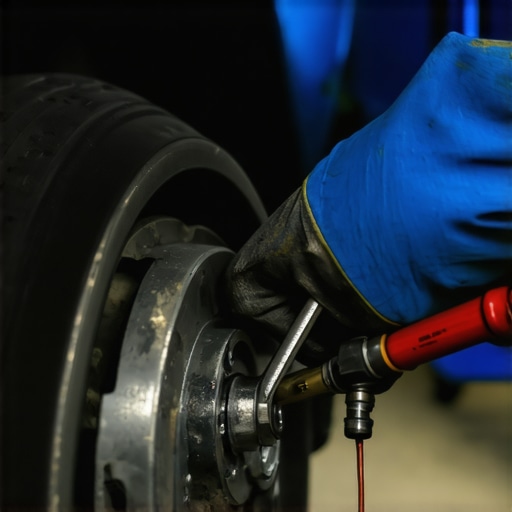 Many car owners operate under misconceptions that can lead to unnecessary expenses or safety risks, especially when it comes to brake service and routine tune-ups. For instance, one prevalent myth is that regular brake pad replacement alone guarantees safety. In reality, neglecting other components like brake fluid and calipers can be equally detrimental, emphasizing the importance of understanding the full brake system. Additionally, a misconception persists that tire rotations are optional; however, as insights from auto repair experts note, consistent rotation significantly extends tire life and maintains optimal handling. It’s also crucial to recognize that not all tune-ups are created equal—ignoring advanced diagnostics, such as inspecting spark plugs or sensors, can disguise developing issues until they escalate.
A common trap many fall into is assuming that adding a quick fix or a cheap fix will suffice in the long run. For example, temporary fixes on leaks or faulty sensors might seem cost-effective initially but often lead to more expensive repairs down the line. Understanding the nuanced differences between superficial repairs and comprehensive maintenance is vital. Experts recommend consulting your vehicle’s service manual and staying informed about auto repair trends, such as those discussed in latest trends, to make smarter decisions.
For example, I used to believe that topping off brake fluid was enough when I noticed a soft pedal, but after a detailed inspection, I realized that air introduced during simple top-ups can cause unsafe conditions. Proper bleeding and thorough system checks are necessary to prevent dangerous scenarios, underscoring the importance of not just routine service but intelligent, informed maintenance. Remember, neglecting advanced nuances can cause severe safety issues and hefty bills, so educate yourself and consider professional guidance for key services like brake repairs or engine tune-ups. To learn more about comprehensive vehicle maintenance, check out this ultimate guide. Have you ever fallen into this trap? Let me know in the comments.
Investing in Reliable Tools for Auto Maintenance
Maintaining your vehicle’s systems over time requires more than just basic know-how; it demands the right tools to ensure efficiency and safety. I personally swear by a high-quality automotive code scanner like the Autel MaxiSys MS909, which allows me to read and clear diagnostic trouble codes with precision. This device provides real-time data and helps me pinpoint issues quickly, saving me time and money on unnecessary repairs. For simple tasks like checking fluid levels or rotor wear, a digital caliper and a high-precision multimeter are indispensable. I rely on the Fluke 115 multimeter because of its durability and accuracy, essential for diagnosing electrical issues in modern cars.
When it comes to routine maintenance, I recommend a good set of standard mechanics’ hand tools: ratchet wrenches, socket sets, and screwdrivers. But beyond the basics, investing in an OBD-II scan tool with advanced features ensures you stay ahead of potential problems. As automotive systems become increasingly complex, relying on software like tune-up software can help you interpret diagnostic data more effectively and plan proactive maintenance.
Maintaining Performance Over Time
To keep your car running smoothly and extend the lifespan of critical components, implement a regular maintenance schedule. This includes fluid flushes, belt inspections, and brake system checks. I personally follow a detailed car service checklist that I tailor based on my vehicle’s age and mileage. Consistent use of tools like a tire tread depth gauge helps me determine when to replace tires, preventing blowouts and maintaining safe handling.
Looking ahead, the trend is moving toward more integrated diagnostic platforms that combine hardware and AI-driven software. Future tools might even predict failures before they happen, revolutionizing the way we perform maintenance. Staying updated with these advancements, as discussed in auto repair trends for 2025, will give you a competitive edge and save you money long-term.
How do I maintain my vehicle’s performance over time?
Consistently using advanced diagnostic tools, following a detailed maintenance schedule, and staying informed about the latest repair techniques are key. For example, regularly inspecting your brake system with a scan tool and physical checks can prevent costly failures—a procedure you can learn more about in the comprehensive brake repair guide. I challenge you to try upgrading to an OBD-II scanner with live data capabilities this month; it’s an empowering step toward proactive vehicle care and will help you spot issues before they escalate.
What the Hardest Lesson About Brake Service Taught Me
I once underestimated the importance of thorough brake inspection. Relying solely on visual cues, I ignored subtle signs of wear, which led to a sudden decrease in braking efficiency during a trip. That wake-up call made me realize the critical value of routine, detailed inspections and not just waiting for obvious issues to appear.
False Beliefs That Could Cost You Money and Safety
One common myth I’ve seen is that topping off brake fluid is enough to address a soft pedal. Wrong. It may mask underlying problems like air in the lines or leaks. These misconceptions can lead to costly repairs or dangerous driving conditions. Always dig deeper and consult trusted resources, like this comprehensive brake repair guide, for accurate info.
Invest in Tools That Keep You Ahead
Over time, I’ve learned that investing in reliable diagnostic tools—like an OBD-II scanner with live data—is invaluable. They empower you to identify issues early, saving money and increasing safety. A good multimeter and quality hand tools also make routine checks smoother and more effective. These investments are worth every penny for owners serious about their vehicle’s health.
Your Move—Keep the Brake System Strong
Taking proactive steps, like regular inspections and learning simple troubleshooting tips, can drastically improve safety and performance. Don’t wait for warning signs—be vigilant and informed. Remember, a well-maintained brake system is the foundation of safe driving, and your effort now can prevent bigger problems later. Ready to take control of your vehicle’s safety? Start today, and your future self will thank you.