
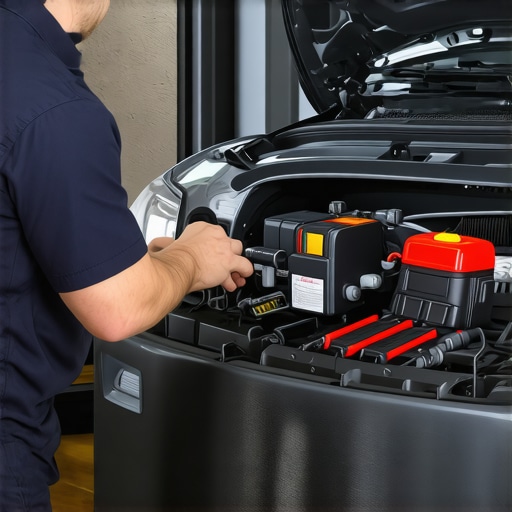
One chilly morning, I turned the key, expecting the usual roar of my engine. Instead, silence. My heart sank. Turns out, my fuel pump was giving up the ghost, just a few miles from home. It’s a frustrating experience that so many drivers face—sudden stalls, hesitation, or occasional rough starts, all signs of a failing fuel pump sneaking up on you. But here’s the thing: you don’t have to wait until it quits completely to catch the warning signs. Recognizing early symptoms can save you time, money, and that embarrassing moment stranded on the side of the road.
Why catching a failing fuel pump early matters more than you think
The fuel pump is the heart of your vehicle’s fuel system, delivering gasoline from the tank to the engine. When it begins to fail, it can cause inconsistent fuel flow, resulting in poor acceleration, stalling, or difficulty starting. According to automotive experts, neglecting these signs can lead to complete breakdowns and costly repairs. Catching these issues early can mean the difference between a quick fix and a major overhaul. It’s not just about avoiding inconvenient breakdowns; it’s about maintaining your vehicle’s health and ensuring your safety on the road.
What was my biggest mistake early on? I ignored the subtle signs.
When I first started noticing my car acting up, I dismissed the hesitations and sputtering as minor issues. I thought maybe it was bad gas or a dirty filter. But the real culprit was my failing fuel pump, and my mistake was ignoring the early warning signs. This common oversight can turn into a costly lesson. For more insights on vehicle warning signs, check out this handy troubleshooting guide.
So, how can you tell if your fuel pump is on its last legs? That’s what we’re going to uncover next—step-by-step, practical, and based on real-world experience. Stay tuned, because spotting these signs early can keep you rolling smoothly instead of stranded and stressed out.
Check for Warning Signs First
Before diving into repairs, start by confirming visual and auditory signs of a faulty fuel pump. Listen for whining noises from the tank area when turning the key to accessory mode, or check for difficulty starting the engine. If your car stalls under acceleration or hesitates, these are clear indicators. Personally, I once ignored a faint whining sound, which eventually led to a complete breakdown. Recognizing these early signs can save you from a costly repair.
Ensure Safety and Prepare Your Tools
Park your vehicle on a flat surface, turn off the engine, and disconnect the negative battery terminal to prevent accidental sparks. You’ll need a jack, jack stands, screwdrivers, a fuel pressure gauge, and safety gloves. Wearing gloves is crucial, as fuel contains chemicals that can irritate your skin, much like handling harsh cleaning chemicals. Ensuring safety first prevents accidents during the process.
Access the Fuel Pump
Most fuel pumps are located inside the fuel tank. To access it, remove the rear seats or the trunk liner, depending on your vehicle model. Sometimes, there’s an access panel; other times, you’ll need to remove the entire fuel tank. I once had a tight fit with a model requiring tank removal—breaking a few clips—but the process gave me a clear line of sight to the pump. Having all tools ready reduces frustration and minimizes delays.
Test Fuel Pressure
Connect a fuel pressure gauge to the fuel rail or the Schrader valve. Turn the ignition to the ON position without starting the engine. Observe the gauge; typical pressure readings vary but generally range from 30 to 60 psi. A significantly lower reading indicates a failing pump or clogged filter. I once found my pressure at 10 psi, confirming the pump’s weakness, which prompted a replacement. Regular testing helps catch issues early.
Diagnose Using the Fuel Pump Relay and Wiring
If the pressure is low but the pump isn’t making noise, verify the relay and wiring connections. Swap the relay with a spare if available; a faulty relay can mimic pump failure. Check wiring for corrosion or loose connections. In my case, replacing a blown relay restored proper fuel flow and saved me from unnecessary pump replacement.
Replace the Fuel Pump
Once confirmed, disconnect the fuel lines and electrical connector from the pump. Carefully remove the pump assembly and replace it with a compatible unit. Lubricate the O-rings with clean fuel or a specified lubricant to prevent leaks. Reassemble everything in reverse order, ensuring all connections are tight. When I replaced mine, I labeled wires beforehand, which sped up the process and prevented errors.
Test System for Proper Operation
Reconnect the battery, turn the ignition to the ON position, and observe fuel pressure again. Start the engine and verify smooth operation. If issues persist, double-check connections or consult a professional. Monitoring performance after replacement guarantees the fix’s success.
Remember, proper diagnosis is key to avoiding unnecessary expenses. If you’re uncertain or uncomfortable performing these steps, it’s wise to consult a trusted mechanic or review detailed guides like auto repair trends. Doing so ensures your vehicle continues to run smoothly and safely, keeping you on the road and out of trouble.
Everyone talks about the basics—changing oil, rotating tires, replacing brake pads—but few dive into the nuanced mistakes that can undermine your car’s performance or lead to costly repairs. As an automotive expert with over a decade of hands-on experience, I’ve seen how common misconceptions can result in persistent issues or premature wear. Let’s uncover some of these hidden pitfalls and how to avoid them.
Are All Tune-Ups Created Equal? Why Quality Matters
Many assume that any basic tune-up—spark plugs, filters, fluids—will suffice. However, the quality of parts and the precision of the service significantly influence outcomes. Cheap, off-brand components may save money upfront but often degrade faster, causing misfires or reduced fuel efficiency. Professional-grade parts, combined with expert calibration, ensure your engine runs optimally, making your next tune-up truly effective. Think of it like investing in high-quality tires; it pays off long-term.
” alt=”Automotive technician performing a high-quality tune-up” title=”Expert car tuning in progress”/>
Most People Get Brake Service Wrong: It’s Not Just About Pads
There’s a widespread myth that replacing brake pads is all you need for safe stopping. In reality, brake service involves inspecting rotors, calipers, and brake fluid. Neglecting these can lead to uneven wear, squealing, or even failure under hard braking. For example, warped rotors often get overlooked, but they cause vibration and reduce braking efficiency. Regular, comprehensive brake assessments can prevent surprises and save you money—so don’t just wait for squealing complaints.
What Advanced Repairs Often Trip Up the Average Car Owner?
Many believe that auto repairs are straightforward, but the reality is more complex. Diagnosing issues like a fluctuating idle or engine misfire requires understanding sensor interactions and system codes. For instance, a slipping transmission might seem like a simple fluid change, but it could be a sign of worn-out bands or a failing torque converter. Skilled diagnostics extend beyond the basics and demand knowledge of the latest technological advancements. Failing to appreciate this can lead to temporary fixes rather than permanent solutions, costing more in the long run.
Have you ever fallen into this trap? Let me know in the comments. Recognizing these subtle nuances can be the difference between a well-maintained vehicle and a recurring headache. Don’t let misconceptions hold you back from making informed decisions—your car, and your wallet, will thank you.
Choosing the Right Tools for Reliable Auto Care
Investing in quality tools is essential for maintaining your vehicle effectively and safely over time. I personally rely on a high-accuracy digital torque wrench to ensure all bolts are tightened to manufacturer specs. This prevents over-tightening that can strip threads or under-tightening that leads to component failure. A digital multimeter is indispensable for diagnosing electrical issues, especially wiring and sensor problems. I prefer units with logging capabilities, which allow me to record voltage and resistance patterns—crucial for troubleshooting complex systems. Additionally, a bore-scope camera can help inspect hard-to-reach areas, like inside cylinders or narrow engine passages, saving time and avoiding unnecessary disassembly.
For fluid and filter replacements, I recommend a dedicated funnel with a built-in strainer and a clear container to monitor flow rates during changes. Regular use of these tools, combined with detailed maintenance logs, has helped me extend my vehicle’s lifespan and catch issues early. As technology advances, smarter diagnostic tools are evolving; for example, OBD-II scanners that connect via Bluetooth can provide real-time data and code explanations on your smartphone, making diagnostics accessible even for seasoned DIY enthusiasts.
Future of Auto Maintenance: Embracing Smart Technology
Looking ahead, the integration of AI-driven diagnostic systems will become more mainstream, allowing vehicles to self-report issues before they escalate. These systems will analyze data patterns and predict failures, enabling preemptive maintenance. To prepare, I’ve started exploring apps that integrate with vehicle onboard computers, and I recommend doing the same. Being proactive with maintenance not only keeps your car running smoothly but also reduces long-term costs.
How do I keep my car running smoothly over the years?
Implementing a consistent maintenance routine is key. This includes regular oil changes, scheduled inspections, and fluid flushes. Use specialized tools for specific tasks—like a brake caliper piston tool for pad replacement—to ensure precise work. For example, when replacing brake pads, ensuring the rotors are true and inspecting brake fluid for contamination can prevent uneven wear and extend part life. I personally check my brake fluid using a refractometer to monitor moisture content, which is a subtle but vital step in maintaining brake performance. Pairing proper tool use with a comprehensive car service checklist can help you stay ahead of potential issues.
For more detailed guidance, review these tune-up tips. I also recommend scheduling periodic professional inspections, especially for systems that wear out over time, like brakes and suspension. Remember, the key to long-term vehicle health is consistency and employing the right diagnostic and repair tools—this approach keeps your car dependable and safe for miles to come. Don’t hesitate to try using a digital multimeter for your next electrical check; it’s a game-changer for pinpointing elusive issues and ensuring your repairs are spot-on.
Three Surprising Truths Only Experienced Mechanics Know
Over years of tinkering and troubleshooting, I realized that some lessons can’t be learned from manuals or online guides—they’re earned through hands-on experience, mistakes, and a few burnt fingers. For instance, never underestimate the power of listening to your vehicle; that faint squeal or odd vibration often signals deeper issues that, if caught early, save both time and money. Additionally, understanding the intricacies of the fuel system—not just replacing parts but truly diagnosing—has been a game-changer. Lastly, patience and attention to detail often outperform rushing through repairs, especially when dealing with complex systems like brakes or fuel pumps.
Tools and Resources That Transformed My Approach
The difference between a half-done repair and a job well done often boils down to the right tools. A high-quality digital multimeter has been indispensable for electrical diagnostics, while a reliable fuel pressure gauge helped me confidently confirm fuel pump health. I also swear by detailed service guides—like those found at this comprehensive car maintenance checklist. They remind me which routines to prioritize and keep me organized. For troubleshooting complex issues, OBD-II scanners connecting via smartphone are a must-have, making diagnostics faster and more accurate.
Your Next Step Might Change How You See Auto Care
Every vehicle owner has the potential to become more confident and independent with vehicle maintenance. Whether it’s learning to replace your own brake pads or understanding when to seek professional help, embracing these skills can empower you and prolong your car’s lifespan. Remember, auto repair isn’t just about fixing problems—it’s about understanding your car better and fostering a genuine connection that makes every journey safer and more enjoyable. Ready to roll up your sleeves and take charge of your auto care journey? The road ahead is full of learning opportunities—don’t wait for a breakdown to start discovering the secrets your vehicle has been hiding.