
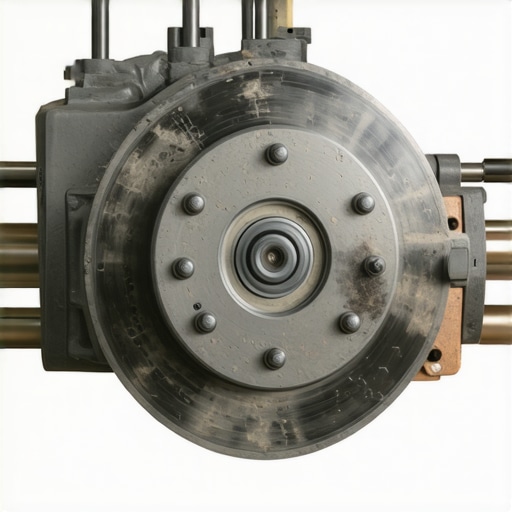
I’ll never forget the first time I heard that unsettling groan from my brakes when I slowly lifted my foot off the pedal in the morning. It was as if my car was complaining, and honestly, it caught me off guard. I thought maybe it was just a weird noise that would go away, but instead, it kept echoing every time I drove. That initial shock turned into a little investigation, and what I discovered has saved me a lot of trouble—and money—since then.
Deciphering that Groan: Is It Normal or Time for Action?
If you’ve experienced a similar rattling or groaning sound when releasing your brake pedal, you’re not alone. Many drivers encounter this issue at some point, and it’s often a sign that something isn’t quite right with your brake system. Luckily, understanding why it happens and what steps to take can make all the difference in maintaining your safety and avoiding costly repairs.
Is Brake Noise Actually a Big Deal, or Just Annoying?
At first, I ignored that groaning, thinking it was just a minor quirk. But ignoring brake noise can lead to bigger issues down the line. My early mistake was delaying a visit to the mechanic because I thought it was just a worn pad or moisture. The truth is, that sound can indicate anything from debris caught in the brakes to more serious problems like warped rotors or caliper issues. So, if you’ve faced this, don’t brush it off—better safe than sorry is my motto.
According to automotive experts, a groan when letting off the brake pedal is often related to the brake pad wearing down, a stuck brake caliper, or even the presence of rust on the rotors—especially after sitting overnight. These issues, if left unchecked, can compromise your stopping power and lead to more expensive repairs later. A good habit is to see it as a warning sign, prompting a quick check to keep your vehicle in top shape.
Start with a Visual Inspection of Your Brake Components
Park your vehicle on a flat surface, engage the parking brake, and turn off the engine. Remove the wheel on the affected side using a lug wrench, ensuring the vehicle is securely lifted with a jack. Inspect the brake pads for uneven wear or damage, and look for debris or rust on the rotor surface. This initial check helps identify obvious issues like worn pads or lodged dirt that can cause groaning noises. I once faced persistent noise and found rust buildup on my rotor, which I cleaned with a wire brush before reassembling, resulting in quieter brakes.
Remove and Examine Brake Pads for Wear or Damage
Carefully detach the brake caliper to access the pads. Measure the pad thickness—new pads usually have at least 8mm of friction material. If worn down to less than 3mm, or if you notice cracks or glazing, it’s time to replace them. Using a brake pad gauge simplifies this process. I replaced my worn pads myself after watching a quick tutorial, which saved me money and improved my understanding of the brake system.
Check for Stuck or Seized Brake Calipers
Attempt to move the caliper piston back into its housing using a C-clamp, ensuring it moves smoothly. If it doesn’t, or if it feels sticky or corroded, the caliper may be seized. Stuck calipers prevent proper pad retraction, leading to groaning when releasing the pedal. To address this, I cleaned the caliper slides with lubricant and applied anti-seize compound, which resolved the sticking issue. Regular inspection and lubrication help prevent such problems.
Assess Rotor Condition and Resurface or Replace as Needed
With the caliper removed, examine the rotor surface for grooves, warping, or rust. Measure the rotor thickness against manufacturer specifications using a micrometer. If the surface is uneven or beyond the minimum thickness, resurfacing or replacing the rotor is necessary. I opted for resurfacing my rotor after noticing light rust and minor grooves, which restored smooth braking and silenced the groan.
Clean and Lubricate Moving Parts for Smooth Operation
Apply high-temperature brake grease to caliper slides, pins, and contact points. Ensure that pistons move freely and that there’s no contamination causing sticking. Proper lubrication prevents calipers from sticking, reducing noise and uneven wear. During my last brake service, I used a dedicated brake lubricant to ensure all moving parts operated smoothly, which prolonged component life.
Reassemble and Test Drive Carefully
Once all parts are inspected, cleaned, and replaced if necessary, reassemble the brake system. Tighten all bolts to manufacturer torque specifications and reinstall the wheel. Afterward, gently test your brakes at low speeds—press the pedal firmly to check for noise, feel, and stopping power. Listening for groans during this test helps verify that the issue is resolved. Remember, if you’re unsure about any step, consulting a professional through this link can provide expert assistance to ensure safety.
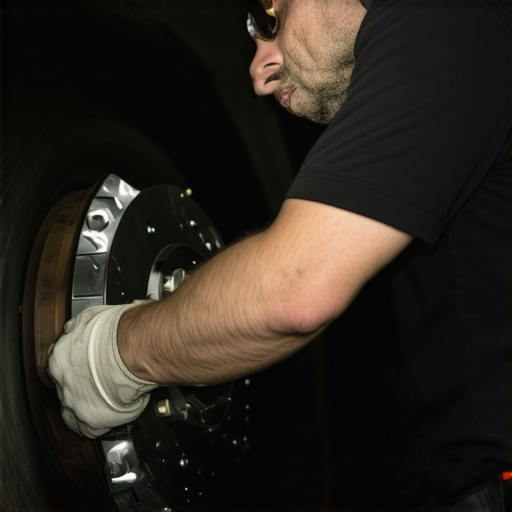 Many drivers believe that a simple oil change or brake pad replacement is all it takes to keep their vehicle in top shape. However, the real nuance lies in understanding the complex interplay of components and the myths surrounding routine auto repairs. For instance, there’s a common misconception that frequent tune-ups aren’t necessary if the car runs fine—nothing could be further from the truth. Regularly scheduled maintenance can prevent minor issues from escalating into costly repairs, as highlighted in expert automotive resources.
A trap many fall into is assuming that all auto repair shops follow the same standards. In reality, quality varies significantly, and choosing an unqualified mechanic can lead to improper repairs that might cause more harm than good. This is why it’s crucial to verify credentials and seek recommendations. For example, incorrectly balancing brake components can cause uneven wear and noise, which might be mistaken for normal operation.
The secret to truly understanding your vehicle’s needs involves learning about the less obvious signs of trouble. For example, a subtle vibration during acceleration might indicate worn CV joints or tire imbalance, not just a balancing issue. Addressing such nuances early can extend the lifespan of your vehicle and ensure safety.
Advanced car care also demands awareness of the latest industry trends. Staying informed about innovations like adaptive brake systems or smart engine diagnostics can give you a preventive edge. According to automotive technology experts, regularly updating your knowledge minimizes the risk of neglecting emerging issues.
Moreover, many car owners overlook the importance of checking the condition of fluids beyond engine oil—like transmission or differential fluid—which can be critical for preventing expensive repairs. Regularly reviewing these fluids helps maintain smooth operation and can identify problems before they manifest visibly.
Lastly, beware of the myth that all repairs are immediately urgent. While some issues require prompt attention—like brake failure—others, such as minor oil leaks, may be monitored before addressing. Developing this discerning approach can save money and avoid unnecessary repairs.
Have you ever fallen into this trap? Let me know in the comments. For tailored advice on maintaining your vehicle proactively, consider visiting our contact page and consulting with seasoned experts. Remember, understanding these hidden nuances empowers you to make informed decisions, ensuring your vehicle remains reliable and safe for years to come.
Keeping your vehicle running smoothly requires not only knowledge but also the right equipment. Over the years, I’ve refined my toolkit to include specific tools that make diagnosis and repair more efficient. For instance, a high-quality multimeter is indispensable for checking electrical systems, ensuring your battery, alternator, and sensors are functioning correctly. I personally prefer a digital multimeter with auto-ranging capabilities because it simplifies testing complex circuits without fuss. Here’s a guide that illustrates how I use it to verify your alternator’s health.
For brake maintenance, a set of precision brake caliper tools allows me to compress pistons safely and without damaging components. Investing in a brake piston tool kit has saved me countless hours during brake pad replacements. Additionally, an infrared thermometer helps measure rotor temperature during testing, ensuring even wear and proper braking performance. I find this especially useful for diagnosing uneven brake pad wear or warping rotors, which often contribute to long-term brake issues.
Beyond physical tools, software plays a critical role. Diagnostic scanners with OBD-II compatibility are now a must-have. I prefer a scanner with live data streaming, which provides real-time insights into engine parameters and fault codes. This empowers me to identify issues such as misfires or sensor failures early, preventing more serious damage. Regularly updating the scanner’s firmware ensures you’re catching problems based on the latest vehicle makes and models. For example, advanced diagnostic tools can even read manufacturer-specific codes, giving you a deeper understanding of your vehicle’s needs.
When it comes to long-term results, proper maintenance routines backed by accurate diagnostics are key. Scheduling periodic inspections using these tools helps catch minor issues before they become costly repairs. For routine inspections, I follow a detailed car service checklist, which ensures everything from fluid levels to belt conditions are optimal. If you want to maximize your vehicle’s lifespan, you might consider refining your tune-up strategy by integrating these diagnostics tools into your routine.
Looking ahead, I believe the future of auto maintenance will be driven by smarter diagnostic systems that leverage artificial intelligence. These systems will predict failures before they manifest, allowing for truly predictive maintenance. Staying ahead means investing in current technology and understanding its applications, which I highly recommend. Research suggests that adapting early to these innovations improves your vehicle’s reliability and reduces long-term costs.
To optimize your maintenance, try calibrating your diagnostic scanner regularly or learning basic electrical testing techniques. These small steps can significantly improve your ability to troubleshoot. For example, use your multimeter to verify the health of critical sensors, like the mass airflow sensor, which directly impacts engine efficiency. Don’t wait until a warning light appears—early diagnostics can save you money and downtime.
Stay proactive and keep your car functioning at its best—your wallet and safety will thank you. If you’re interested in a comprehensive approach, I recommend reviewing the specific maintenance strategies outlined here to further enhance your vehicle’s longevity.
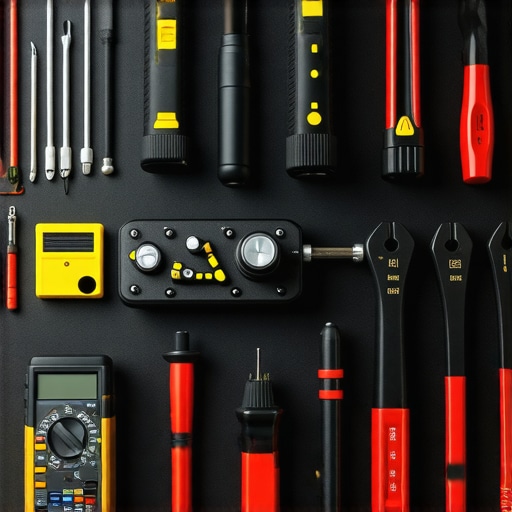
Equipping yourself with the right tools, like a reliable multimeter and diagnostic scanner, is the foundation of effective auto maintenance. These investments pay off by making troubleshooting faster and more accurate, ultimately saving you money and time in the long run. Give one of these tools a try today—your car’s performance will thank you.
Three Surprising Lessons I Learned from That First Brake Groan
- Don’t Discount Small Signs: That initial groan was a warning I ignored, thinking it was minor. Now I realize that seemingly minor noises often hide bigger issues, and addressing them early can save both money and safety. Learning to listen closely to your vehicle’s cues is invaluable.
- The Power of Routine Checks: Regular visual inspections and simple maintenance routines can prevent unexpected breakdowns. My quick visual check turned up rust buildup that, when cleaned, smoothed out my brakes and prevented further damage, proving that proactive care truly pays off.
- Tools Are Your Best Friends: Having the right diagnostic and maintenance tools empowers you to tackle many issues head-on. From caliper lubricants to multimeters, these tools not only save money but also give you peace of mind, making auto repair less daunting and more skillful.
Gear Up with My Favorite Resources for Better Car Care
- Essential Diagnostic Tools: A quality OBD-II scanner with live data functionality has transformed my ability to catch issues early. I trust brands that offer comprehensive updates and easy-to-interpret results, like the scanners available through trusted automotive retailers.
- Comprehensive Repair Guides: Books like “The Car Repair Manual” provide detailed, step-by-step instructions for various repairs, helping me build confidence and ensure proper procedures during maintenance.
- Reliable Parts and Accessories: Websites specializing in OEM parts have been my go-to for genuine replacements. Ensuring quality parts means longer-lasting repairs and safer driving.
Time to Act and Keep Your Brake System in Top Shape
Taking the initiative to understand and maintain your brake system isn’t just about avoiding noise—it’s about safeguarding your journey and loved ones. With the right knowledge and tools, you can turn auto care from a chore into a rewarding experience. So, what’s the first small step you’ll take today to ensure your brakes remain silent and effective? Share your plan below, and remember, if you ever feel uncertain, professional help is just a click away. Keep your vehicle in peak condition, and enjoy every mile ahead.