

I remember the moment vividly. I fired up my aging car one chilly morning, expecting the usual hum and a quick start. But instead, I was greeted with a strange blueish smoke billowing from the exhaust. My heart sank. This wasn’t normal, and honestly, it scared me a bit. I felt like I was sitting on a ticking time bomb, just waiting for that inevitable breakdown. That experience was my lightbulb moment — realizing that the color of my exhaust smoke could tell me more about my engine’s health than I ever imagined.
Uncovering the Hidden Signals Beneath the Exhaust
Since then, I’ve made it a priority to pay close attention to what my car’s exhaust is trying to tell me. Why? Because that plume of smoke is like a diagnostic report, revealing internal engine issues before they escalate into costly repairs or complete failure. Today, I want to share with you the secrets I’ve uncovered about exhaust smoke colors and what they can mean for your vehicle’s well-being. And trust me, catching these signs early can save you a lot of headaches and dollars down the road.
Is Smog Donning a New Badge of Honor or a Hidden Problem?
Most folks dismiss a puff of smoke as just an inconvenience or ignore it altogether. But in reality, it’s a warning sign shouting for attention. I made the mistake early on of ignoring minor smoke episodes, thinking they were just harmless emissions. That was a costly oversight. According to automotive experts, exhaust smoke comes in a few distinct colors, each indicating different issues — from oil consumption to coolant leaks. Recognizing these signs can make the difference between a minor fix and a major, expensive repair. Want to learn how to interpret these signals correctly? Keep reading, and I’ll guide you through the basics of smoke colors and what they reveal about your engine’s health.
Start With a Visual Inspection
When you notice smoke from your exhaust, kickstart your diagnostic process by observing the color, density, and consistency. I remember a morning when I saw a bluish tint wafting behind my car; this initial observation prompted me to take immediate action instead of ignoring it. Park your vehicle in a safe, well-lit area, start the engine, and let it idle. Watch the exhaust plume carefully — this is your first clue to what might be wrong.
Identify the Smoke’s Color and Its Significance
Different colors mean different issues. White smoke often indicates coolant entering the combustion chamber, which could mean a head gasket leak. Blue smoke suggests oil is burning, pointing to worn piston rings or Valve seals. Black smoke signals excess fuel being burned — typical in clogged air filters or fuel injector problems. Have a notebook ready; jot down your observations to compare with common diagnostic signs found in automotive guides or trusted resources.
Use a Practical Step-by-Step Approach
First, confirm the consistency of the smoke. Is it thick and continuous or thin and intermittent? Thick, persistent smoke usually signals a more serious problem requiring professional attention. Next, check your engine oil and coolant levels manually— this can quickly reveal leaks or consumption issues. Remember, an engine running low on oil or coolant can contribute directly to smoke production.
I once faced persistent bluish smoke in my car and decided to perform a quick oil and coolant check. I found the oil level was slightly below the recommended mark and the coolant had a faint milky tint. This raised a red flag. I then scheduled a visit to the mechanic, which prevented potential engine damage. Managing these initial checks can save you time and money, and help determine whether you can handle the problem yourself or need professional help.
Perform a Basic Compression Test
If you’re comfortable with DIY mechanics, a compression test can help assess engine health. This involves removing spark plugs and testing each cylinder’s compression with a gauge, which can indicate piston ring wear or valve leakage—common causes of smoke. Ensure the engine is cool and follow instructions carefully. If results vary significantly between cylinders, it’s a sign that professional repairs are likely necessary.
Leverage Expert Resources for Confirmation
While initial tests provide valuable clues, consulting expert resources such as detailed auto repair guides or reputable automotive blogs can help you interpret what smoke colors suggest. For comprehensive maintenance tips that prevent issues like these, check out this guide on tuning up your car. Remember, addressing these signs early by scheduling routine maintenance can dramatically extend your vehicle’s lifespan.
Schedule Professional Diagnostics When in Doubt
If your observations point to complex problems—like persistent white or blue smoke or unexplained coolant loss—do not hesitate. Contact a trusted automotive technician through our contact page. Experts have advanced tools like leak-down testers and computer diagnostics, which can uncover hidden issues preventing your car from performing optimally. Regularly scheduled auto service ensures those smoke signals are caught early, avoiding costly repairs later.
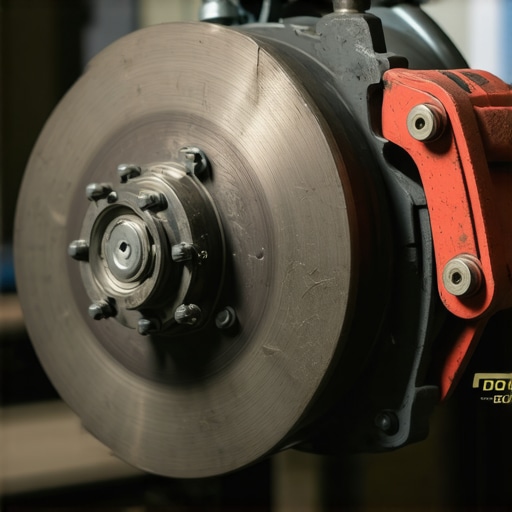
Many car owners operate under misconceptions that can lead to costly mistakes. One prevalent myth is that brake pads, once replaced, never need attention again. In reality, brake system maintenance involves more nuance; pads wear unevenly, rotors can become warped, and subtle signs of failure may be overlooked. Relying solely on brake pad thickness gauges or ignoring squeals can cause you to overlook critical issues before they escalate into dangerous situations.
Is Bigger Always Better When It Comes to Brake Components?
Contrary to popular belief, more expensive or larger brake parts don’t automatically guarantee better safety or performance. Upgrading to high-performance brake kits without considering your driving style or vehicle compatibility can lead to noise, uneven wear, or reduced lifespan. Understanding the specific needs of your vehicle and driving habits is essential—consulting detailed guides like this comprehensive brake guide can help you make informed decisions and avoid costly upgrades that aren’t suited to your needs.
Many assume that routine auto repairs are straightforward, but the truth is more complex. Overlooking subtle signs such as slight vibrations, uneven tire wear, or changes in pedal feel can lead to severe damage. It’s a common trap to neglect regular tune-ups, thinking they’re only necessary after a problem appears. However, as highlighted in this resource on maximizing vehicle lifespan, proactive maintenance saves money and extends your car’s functional life.
Why Do Some Repairs Fail Earlier Than Expected?
One hidden nuance is the quality of parts and proper installation. Using substandard parts or DIY repairs without proper knowledge can compromise system integrity, leading to premature failure. For instance, a poorly performed brake fluid flush or an improperly installed tensioner can cause uneven brake wear or system failure. External validation from professional mechanics and adherence to manufacturer specifications are vital—never cut corners. For insights on avoiding these pitfalls, check out auto repair trends to watch in 2025.
Beyond the basics, paying attention to the small signals your vehicle gives—such as a slight pull to one side or a soft brake pedal—can prevent bigger issues. Regularly scheduled auto service is not just maintenance; it’s a safeguard for your safety and wallet. Have you ever fallen into this trap of dismissing minor warning signs? Let me know in the comments.
Maintain Your Car Like a Pro: Tools I Recommend
Keeping your vehicle running smoothly over time requires the right tools and a disciplined approach. From basic diagnostics to advanced repairs, having quality equipment can make all the difference and help you save money. Personally, I rely on a combination of digital diagnostic scanners, high-quality hand tools, and software to monitor my car’s health and perform routine tasks effectively.
Invest in a Reliable OBD-II Scanner
An OBD-II diagnostic scanner is a must-have for modern car maintenance. I prefer models that connect wirelessly via Bluetooth to my smartphone, like the BlueDriver. This device provides comprehensive engine trouble codes, live sensor data, and real-time analysis, enabling me to pinpoint issues without a visit to the mechanic. Regularly checking for error codes can catch problems early, especially with sensors related to the brake and emission systems, thus avoiding costly repairs down the line.
Use the Correct Hand Tools and Maintenance Supplies
Quality ratchets, socket sets, and screwdrivers are essential for any repair or maintenance task. I personally keep a set from Snap-on for their durability and precision. For routine tasks like oil changes or brake pad replacement, specialized tools such as a brake caliper piston compressor or an oil filter wrench save time and prevent damage. Using the right tools not only ensures safety but also preserves your vehicle’s components for the long term.
Embrace Mobile Apps for Scheduling and Guides
Apps like myCarfax and AutoMate help track maintenance schedules, remind me when to perform tune-ups, and provide step-by-step repair guides. These resources are invaluable, especially for DIY enthusiasts. I’ve found that following manufacturer-specific repair procedures, as detailed in trusted automotive blogs or manufacturer manuals, leads to more effective maintenance and fewer surprises during repairs.
Experiment with Vehicle Monitoring Devices
GPS-based telematic systems like FitRacer or Automatic Pro can monitor driving habits, engine performance, and alert you to issues before symptoms become serious. For instance, these devices can detect subtle changes in acceleration or braking patterns, predicting brake system wear. Incorporating such technology into your maintenance routine helps extend your car’s lifespan by providing actionable insights.
Predicting Future Trends in Auto Maintenance Tech
The future of auto repair is leaning towards smarter, AI-powered diagnostics and remote monitoring. As connected car technology advances, expect to see more real-time health reports and predictive maintenance alerts integrated directly into your vehicle’s infotainment system. This evolution will empower vehicle owners to preempt failures and optimize service intervals, reducing long-term costs.
How do I keep my auto repair skills sharp over time?
Practicing regular maintenance, staying updated with the latest tools, and continuously learning from resources like this guide on tuning up your car are vital. Additionally, engaging with online communities and attending workshops can expand your skill set. For example, mastering simple diagnostic procedures, such as using your scanner to clear error codes or performing basic fluid checks, can save you money and give you confidence during unexpected breakdowns.
Remember, investing in the right tools and knowledge today prepares you for the inevitable challenges tomorrow. I recommend trying out an advanced diagnostic scan on your vehicle—it’s easier than ever with modern Bluetooth-enabled devices—and see firsthand how proactive diagnostics can improve your car’s longevity. Keep your vehicle in peak condition by integrating these strategies and tools into your maintenance routine.

Lessons Hidden in the Smoke You Ignored
One of the most surprising lessons I learned was that smoke color reveals more than just engine trouble—it uncovers habits and assumptions about car maintenance that could be costing you. I once dismissed a faint white haze, thinking it was just steam, only to discover a blown head gasket was slowly sneaking up on me. That moment taught me the importance of trusting my observations and not brushing off early warning signs. If you take the time to decode these signals, you’ll develop a keen intuition that saves money and keeps your vehicle reliable over time.
Navigate the Essential Repair Resources
Over the years, I’ve found certain tools and guides invaluable for maintaining my car’s health. This tune-up guide has redefined my approach to routine maintenance, emphasizing that proactive care prevents costly repairs. My trusted toolkit includes a durable digital OBD-II scanner from BlueDriver, which consistently helps me catch issues early. I also rely on trusted automotive blogs that provide practical, detailed instructions, empowering me to handle minor repairs confidently. These resources have become my go-to for making informed decisions and staying ahead of potential problems.
Your Turn to Reignite Confidence in Auto Care
Deciphering exhaust smoke may seem daunting at first, but with patience and the right tools, you can become your vehicle’s best detective. Remember, early detection of issues through visual cues and routine diagnostics not only protects your investment but also enhances your safety. Take the first step today—trust those subtle signs your car gives you and keep your ride running smoothly for miles to come. What’s the first warning sign you’ve noticed, and how did you respond? Share your experience below and join the conversation about smarter auto care.