
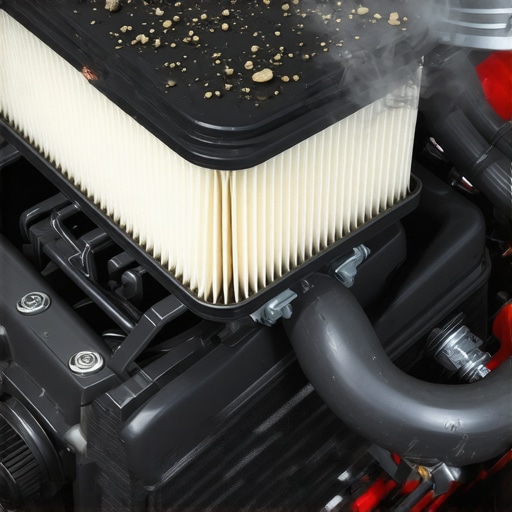
Ever been stranded on the side of the road feeling that sudden engine hesitation or rough idling? I remember the first time I experienced this frustrating situation—it was a chilly morning, and my car just wouldn’t run smoothly despite a recent tune-up. After some digging, I discovered a simple culprit: a clogged air filter. That lightbulb moment made me realize how something as small as a dirty air filter could wreak havoc on my vehicle’s fuel trim and engine timing, leading to wasted gas and potential engine damage.
The Hidden Impact of a Dirty Air Filter on Your Engine
One of the most overlooked maintenance tasks is regularly replacing or cleaning the air filter. When it gets clogged or dirty, it restricts airflow into the engine. This seemingly minor issue can cause your fuel trim to go off balance—meaning your fuel mixture becomes either too rich or too lean. Over time, this imbalance can shift your engine’s timing, causing misfires, increased emissions, and accelerated engine wear. The worst part? Many drivers don’t realize their air filter is the culprit until their engine performance drops significantly.
Will Ignoring This Slight Wi-Fi of Maintenance Hurt My Car?
Early on, I made the mistake of ignoring that small, dirty filter, dismissing it as a minor issue. But that oversight cost me more in fuel and repairs later on. According to automotive experts, replacing a clogged air filter can improve your fuel efficiency by up to 10% and even extend your engine’s lifespan. It’s a simple step that can save you money and prevent headaches, but only if you know when to act.
Start with a Comprehensive Inspection
Before diving into specific repair tasks, perform a thorough inspection of your vehicle. Check for visible leaks, worn belts, loose hoses, and worn brake pads. Think of your car as a patient at the mechanic—spotting early signs of trouble prevents bigger issues down the road.
Replace or Clean Essential Components
Air Filter and Fuel Filter
Remove the air filter as if you’re sorting through a clogged straw—dust and debris accumulate and choke airflow. Use a screwdriver to open the air filter housing, carefully take out the filter, and inspect for dirt. If it’s heavily soiled, replace it; if lightly dirty, clean it with compressed air, blowing from the inside out to avoid pushing dirt further in. Similarly, check and replace the fuel filter if your vehicle exhibits sputtering or sluggish acceleration. This simple step ensures the engine receives a clean, steady flow of fuel, much like a clean straw delivers smoother drinks.
Spark Plugs and Ignition System
Access the spark plugs by removing engine covers if necessary—use a spark plug socket and ratchet. Examine the plugs for signs of wear, such as carbon buildup or electrode erosion. Replacing worn spark plugs improves combustion, enabling your engine to run like a well-tuned guitar string. A messy job, but a small investment for better performance.
Tune-Up and Fluid Checks
Next, conduct a tune-up by replacing spark plugs, air filters, and checking timing belts or chains. Remember, timing is everything; if belts slip, your engine’s rhythm falters. Consult the vehicle’s manual or trusted guides, like this tune-up guide, to ensure proper procedures.
Simultaneously, check fluid levels: engine oil, transmission fluid, brake fluid, coolant, and power steering fluid. Use a clean rag or dipstick to verify levels—think of this as taking your car’s vital signs. Top off fluids according to manufacturer specs, and replace any that look discolored or have a burnt smell. Maintaining proper fluid levels keeps your car running smoothly and prevents overheating or component wear.
Brake System Maintenance
Don’t overlook brakes—they’re your vehicle’s most crucial safety feature. Regularly inspect brake pads for thickness; if they are less than 3mm, it’s time to replace them. Check brake rotors for grooves or uneven wear. For detailed brake diagnostics, refer to auto repair trends that highlight the importance of early brake care. Flushing brake fluid and replacing it with fresh fluid ensures stopping power remains responsive, much like sharpening your reflexes.
Test and Confirm Repairs
After completing maintenance, start the vehicle and listen for abnormal noises. Take it for a short test drive, observing how it accelerates, brakes, and handles. Use diagnostic tools or scan for error codes if necessary, as outlined in troubleshooting tips. This confirms your work has paid off and your car is back in optimal shape.
Schedule Regular Maintenance
Finally, establish a routine schedule for inspections and servicing based on your vehicle’s manual and usage. Remember, consistency reduces unexpected breakdowns, much like regular check-ups preserve your health. For detailed planning, consult this comprehensive guide on vehicle maintenance intervals.
Many vehicle owners operate under misconceptions about routine maintenance like brake service and tune-ups, which can lead to costly mistakes. One of the most pervasive myths is that all brake pads wear at the same rate, but in reality, driving habits, terrain, and even brake pad materials cause significant variability. Relying solely on the Maintaining your vehicle for the long haul requires more than just basic upkeep; it involves investing in reliable tools and adopting effective methods that ensure your car stays in optimal condition over years of use. One of my top recommendations is a high-quality automotive scan tool like the Autel MaxiCOM. I personally rely on this device because it offers comprehensive code reading, live data streams, and even ABS/SRS diagnostics. Unlike entry-level scanners, the MaxiCOM provides detailed insights, allowing me to identify potential issues early and prevent costly repairs.
Another indispensable tool is a torque wrench, essential for maintaining proper bolt tightness during braking or suspension work. I prefer a digital torque wrench because of its precision and ease of use. Regular use of this tool ensures that critical components are correctly fastened, reducing risks of component failure or accidents.
For fluid maintenance, I recommend a vacuum brake fluid bleeder. This device simplifies the process of flushing your brakes, ensuring the brake system remains responsive and safe. I personally find that a manual bleeder kit, combined with a clear tube, allows for better control during the process, and it’s a task I perform at least once every two years.
How do I maintain my vehicle’s systems over time?
Implementing a routine check and using specialized tools can vastly extend the lifespan of your car. For example, monitoring brake fluid quality with test strips can alert you to contamination before it causes brake failure. According to auto repair experts, investing in proper diagnostics and maintenance tools now will pay off as vehicle technology advances toward smarter, connected systems. In the future, expect diagnostic tools to become more integrated with mobile apps, providing real-time alerts and predictive maintenance recommendations. To jumpstart your long-term maintenance routine, I suggest starting with a comprehensive diagnostic scan after every major repair or every 6,000 miles to catch issues early. Use a reliable scanner like the Autel MaxiCOM, and complement it with regular fluid checks and component inspections. Incorporating these tools and methods now will help you avoid unnecessary breakdowns and save money over the lifespan of your vehicle. If you haven’t already, consider trying a diagnostic scanner for your next tune-up—it’s a game-changer in proactive car care and can give you peace of mind on the road.
The Hardest Lesson I Learned About Brake Service, Tune-Up, Car Maintenance
One eye-opening moment for me was realizing that neglecting simple components like the air filter can lead to significantly increased repair costs. I used to dismiss routine maintenance as unnecessary, but a sluggish engine made me see the truth—small issues compound quickly. Now, I understand that paying attention to minor details prevents bigger problems down the road, saving both time and money.
Tools and Resources That Make Maintenance Easier
The Autel MaxiCOM scanner has revolutionized the way I diagnose vehicle health. Its comprehensive code reading and live data streams give me peace of mind, knowing I catch potential issues early. I also swear by a digital torque wrench for proper bolt tightening, which is vital during brake or suspension work. These tools have empowered me to perform effective maintenance without relying solely on mechanics, reducing repair costs significantly.
Taking Your Car Up a Level Sometimes Means Changing Your Mind
Investing time and resources into proper diagnostics, like fluid quality checkers and brake fluid testers, has transformed my approach to car care. For example, monitoring brake fluid health prevents brake fading and costly replacements. Embracing proactive maintenance, backed by reliable tools and honest assessments, not only extends my vehicle’s lifespan but also keeps me confident on every trip.
What’s one small maintenance habit you’ve started that made a big difference? Share your story below—your experience could inspire someone to take better care of their car today!