
Nothing kills the joy of a Sunday drive like that relentless, high-pitched rattle coming from your dashboard. One moment, smooth sailing; the next, a noise that grates on your nerves and makes you question whether your car’s about to fall apart. I remember the first time I heard that sound—my stomach sank. For weeks, I ignored it, hoping it would go away. Spoiler: it didn’t. Instead, it just worsened, turning into an irritating background noise that overshadowed the radio and my peaceful drive.
It was during one particularly long commute that I had a lightbulb moment. That tiny, persistent rattle? It was a sign something was loose or misaligned inside my dash. But tackling it felt daunting—until I realized that fixing dashboard noises isn’t as complicated as it seems. And trust me, once you identify the root cause, the fix can be surprisingly simple.
Today, I promise to walk you through exactly how I eliminated that annoying rattle from my own vehicle. Whether it’s a loose panel, a vibration from a component, or something else, I’ll share the step-by-step process that turned my frustration into a fix. If you’ve been resisting taking a look yourself, thinking it’s complicated or expensive, I want you to know—it’s often just a matter of patience and a few basic tools.
But before we get to the practical tips, let me share a quick mistake I made early on that might save you some trouble. When I first tried fixing the rattle, I assumed it was a common issue with the entire dashboard or a major part that needed replacing. Turns out, many dashboard rattles are caused by loose screws or clips, which are easy to tighten or replace—no need to panic or visit the shop immediately. True fixing requires a bit of detective work, and I’ll show you how to do it systematically.
So, if you’re tired of that nagging sound turning every drive into an exercise in patience, stay with me. We’ll get to the bottom of this, and I’ll help you restore peace to your dashboard—and your mind. Ready to start? Let’s go into the details of what causes dashboard rattles and how to stop them for good.
Identify the Source of the Rattle
Start by listening carefully during a drive to pinpoint where the noise originates. Use your hands to gently tap or press on the dashboard panels while the engine is running; this helps reveal loose components. I once spent 15 minutes pressing on different panels before finding that the upper glove compartment was vibrate- ing against the dashboard — a simple push stopped the noise immediately.
Gather Basic Tools and Materials
You’ll need a screwdriver set, a trim removal tool, and possibly some replacement clips or screws. Think of it as a mini repair kit — just like a mechanic’s toolbox — for quick fixes. I kept a small toolkit in my glove box for just such emergencies, making the troubleshooting process smoother.
Secure Loose Panels and Components
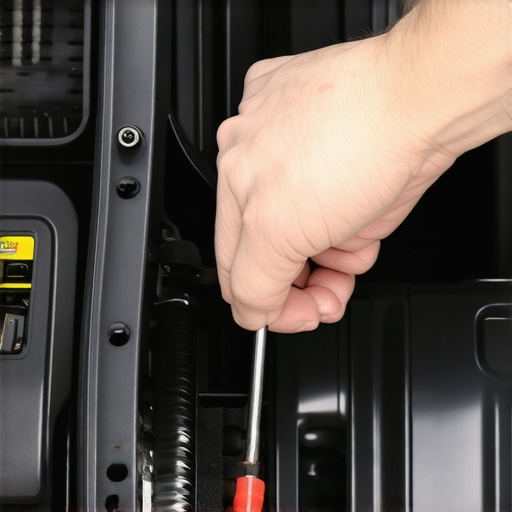
Carefully remove the panels or covers near the rattling area. Use the trim removal tool to avoid damaging the plastic clips. Inspect for any loose screws or clips; tighten or replace them as needed. I once found a loose screw behind the radio that was causing a persistent buzz; tightening it immediately stopped the rattle. Remember, subtle vibration can be caused by tiny loose parts, much like a chain’s weakest link.
Check the Mounts and Clips
Inspect all mounts and clips holding the dashboard components. Over time, these can break or loosen, especially after rough driving or temperature fluctuations. Replacing broken clips with new ones from an auto parts store can restore stability — and silence your dashboard.
Add Insulation or Padding if Necessary
If everything is secure but rattling persists, add foam or felt padding behind panels. This acts like cushioning in furniture, absorbing vibrations. I used old felt from a craft store to line the backside of a loose panel, which drastically reduced vibrations. These small tweaks often provide noticeable results without extensive disassembly.
Test and Confirm the Fix
Reassemble the panels carefully and take your vehicle for a test drive. Pay attention to the previously problematic areas. If the rattle remains, revisit earlier steps or consider more advanced options like checking the vehicle’s engine mounts or suspension components — sometimes, the noise source can be more complex. For detailed insights on common auto repairs, visit Troubleshooting Auto Issues.
Prevent Future Rattles with Regular Maintenance
Regularly inspecting and tightening your dashboard components can save you time and frustration. Think of it as a routine tune-up that keeps your car quiet and comfortable. For more guidance on maintaining your vehicle’s performance, check out Tune-Up Tips.
Many car owners believe that all auto repairs and services are straightforward and that a basic understanding is enough to handle most issues. However, this misconception can lead to costly mistakes and overlooked nuances. One common myth is that regular maintenance is only necessary when the car shows obvious problems. In reality, expert insights show that scheduled tune-ups and inspections prevent small issues from becoming major, expensive repairs. For example, neglecting routine brake service can cause uneven pad wear, leading to rotor damage—an expensive fix that could have been avoided through preventive maintenance. According to automotive expert John Davis, failing to adhere to manufacturer-recommended service intervals is a major oversight that compromises safety and engine longevity.
Many assume that using generic parts or delaying repairs will save money. Contrarily, high-quality replacements maintain performance and safety standards; cheap substitutes often result in frequent failures and higher long-term costs. Keep in mind, the misconception that all auto repairs are equally simple can trap car owners into attempting complex fixes themselves, risking further damage. For instance, replacing a brake caliper might seem manageable, but improper installation can lead to brake failure. To avoid such pitfalls, consult trusted guides or professionals about essential services like brake repairs—reading more on common brake repair myths can be enlightening.
Why do so many car owners underestimate the importance of proper troubleshooting? One advanced aspect often misunderstood is diagnosing the root cause of issues before fixing them. For example, a vibration during acceleration could be misattributed to tire imbalance, but it might stem from worn motor mounts or transmission problems. Investing time in proper diagnostics prevents unnecessary part replacements and ensures effective solutions. Automotive experts emphasize that evidence-based inspection methods, such as listening to specific sounds or performing test drives after repairs, are key to accurate diagnostics.
Have you ever fallen into this trap of oversimplifying auto repairs? Share your experiences in the comments below!
How can a car’s design influence the complexity of repairs and servicing?
Some vehicle designs, especially in modern cars, deliberately conceal critical components behind intricate panels to enhance aesthetics, making routine maintenance a challenge. These design choices can extend service times and increase costs if not properly understood. For instance, accessing the transmission fluid might require removing multiple panels, a task that novices should leave to professionals. Staying informed about your vehicle’s design can save both time and money, preventing frustration and accidental damage. To learn more about maintaining complex auto systems, visit the ultimate car service guide.
Equip Yourself with Trusted Auto Repair Tools
For maintaining your vehicle effectively, investing in high-quality, specialized tools is essential. I personally rely on a professional-grade digital multimeter like the Fluke 117. It provides precise readings for voltage, current, and resistance, helping me diagnose electrical issues quickly and accurately, reducing unnecessary part replacements. A torque wrench set is another must-have for ensuring fasteners are tightened to manufacturer specifications, preventing future problems. The SNAP-ON digital torque wrench I use allows me to maintain proper tension, which is critical for components like wheel lug nuts or engine bolts.
Embrace Software Solutions for Long-Term Maintenance
Modern vehicles, especially those with advanced onboard computers, benefit from diagnostic software. I recommend tools like OBD2 code readers with Bluetooth capabilities, such as the BlueDriver. These devices connect to your smartphone to instantly read trouble codes, provide explanations, and even suggest fixes. Using such software allows for proactive maintenance, catching issues early before they escalate into costly repairs. Regularly reviewing data trends with these tools can extend your car’s lifespan— I’ve seen my vehicle’s fuel efficiency improve after addressing minor sensor faults based on diagnostic reports. For detailed insights into the benefits of maintenance tracking, explore how regular tune-ups impact performance.
Master Basic Maintenance Techniques
Consistent preventive measures keep your vehicle dependable. Changing your own oil and oil filter is surprisingly straightforward with the right tools—like a Vise-Grip oil filter wrench, which firmly grips and turns stubborn filters without slipping. Additionally, checking and replacing your air filters with household items like household vacuum cleaner attachments or compressed air can improve engine breathing. Remember, a clean air intake boosts fuel efficiency and engine health, making it a worthwhile DIY task. For guidance on scheduling routine services, see your vehicle’s maintenance checklist.
Plan for the Future of Auto Care
As vehicle technology advances, diagnostic tools are becoming more sophisticated, integrating AI to predict failures before they happen. I predict that in the next five years, more car owners will adopt subscription-based diagnostic platforms that continuously monitor vehicle health and send alerts directly to their smartphones. Staying ahead of these trends ensures your vehicle remains reliable and safe.
How do I maintain tools and software over time?
Regular calibration and updates are vital. Digital multimeters and code readers should be calibrated annually, much like your vehicle receives scheduled maintenance. Software tools need periodic firmware updates to access the latest vehicle models and repair data. Personally, I subscribe to manufacturer updates and keep my devices synced via dedicated apps, which helps me stay prepared for emerging auto repair challenges. For advanced diagnostics, consider exploring future auto repair trends.
Try upgrading to a Bluetooth-enabled OBD2 scanner and start monitoring your vehicle’s health today — it will save you time and money in the long run! Remember, taking proactive steps with the right tools and techniques allows you to keep your car reliable and extend its lifespan, ensuring peace of mind on every journey.
Beyond the Basics: What My Experience Taught Me About Auto Repairs
The biggest lesson I uncovered is that most car noises, especially dashboard rattles, aren’t as intimidating or costly as they seem. Often, they boil down to simple loose screws or clips, which are easy to tighten or replace after a little detective work. The key is patience and a systematic approach, not a mechanical degree or thousands of dollars. Recognizing the real cause, not just guessing, saved me time and money, and it can do the same for you.
Another insight is that regular maintenance, like tightening panels or replacing worn clips, acts as a proactive shield against annoying noises. It’s about catching small issues before they grow into big problems—think of it as a wellness check for your car. Small investments in routine inspections and quick fixes keep your vehicle peaceful and your mind at ease.
Lastly, I realized that owning the right tools makes these DIY fixes straightforward. A simple trim removal tool and a screwdriver set can empower you to tackle many rattles without calling a mechanic. Combining these tools with a bit of know-how transforms auto repair from a daunting task into a rewarding craft. You become not just a driver but a confident caretaker of your vehicle’s comfort and safety.