
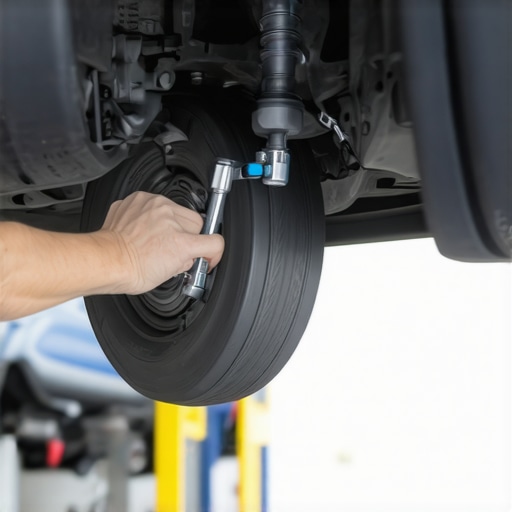
It hit me one rainy evening—there I was, inching my way home, when suddenly my brake pedal sank like a lead weight underfoot. Panic set in for a moment; I’d never experienced such a spongy feeling before, and the thought of heading to a shop with a car that felt unsafe made my stomach churn. That lightbulb moment revealed a frustrating truth: fixing a soft brake pedal doesn’t always require the fancy equipment or a professional lift. Just a little know-how and some DIY spirit can go a long way.
Why Your Brake Pedal Feels Soft and Why It Matters
Have you ever pushed your brake pedal and felt it give way too easily? That’s more than just inconvenient; it’s a serious safety concern. A spongy brake pedal often points to issues like air in the brake lines, a failing master cylinder, or old brake fluid. Understanding what’s happening under the hood can help you decide whether this is a quick fix or a sign of something more critical.
According to experts, brake fluid can absorb moisture over time, diminishing its effectiveness and leading to a spongy pedal. Regular maintenance, including checking and replacing brake fluid, can prevent this problem—something you can even do yourself with a little guidance. You don’t need a professional lift or tools, just the right approach and a bit of patience.
Is Fixing a Soft Brake Pedal Really Worth It Without a Lift?
Early in my auto repair journey, I made the mistake of thinking that only professionals could handle such issues. But experience showed me otherwise. For instance, bleeding your brakes to remove air doesn’t require a lift—just some basic tools and proper technique. You can even find detailed tutorials that walk you through the process step by step, like this one on troubleshooting common auto repair issues.
If you’ve faced a similar situation, you know how nerve-wracking it can be. But rest assured, fixing a spongy brake pedal at home is achievable. Let’s move from awareness to action—here’s how you can restore that firm, responsive feel your brakes should have, without the need for a mechanic’s bay or expensive equipment.
Drain and Replace Brake Fluid
Start by locating the brake fluid reservoir under the hood—it’s usually a small, transparent container with a cap labeled “Brake Fluid.” Use a turkey baster or a syringe to remove old fluid, then refill with fresh brake fluid suitable for your vehicle. This step is crucial because old, moisture-laden fluid can cause sponginess. I once did this on my friend’s car; after replacing the fluid, the brake pedal firmed up noticeably. Always dispose of used fluid responsibly.
Bleed the Brakes to Remove Air
Air in brake lines is a common culprit for a soft pedal. To bleed the brakes, you’ll need a wrench, a clear hose, and a friend to help. Locate the bleeder valves on each wheel—usually near the calipers or drums. Attach the hose to the valve, submerge the other end in a container with brake fluid, and have your helper press the brake pedal slowly. Loosen the valve slightly to let air and old fluid escape, then tighten it before your helper releases the pedal. Repeat this process until clear, bubble-free fluid flows out. I remember squeezing the brake gently; my first attempt was messy, but patience paid off.
Check for Leaks and Wear
Inspect all brake system components—hoses, calipers, master cylinder—for leaks or damage. Look for wet spots or cracks, especially around fittings. If you find any leaks, replacing the damaged parts is necessary, and you may need assistance from a mechanic if you’re uncomfortable. Regular inspections save lives, and this simple check can prevent larger failures down the line.
Adjust Brake Pedal or Master Cylinder
Under certain conditions, the brake pedal might need adjustment or your master cylinder might be failing. Consult your vehicle’s manual to learn the specific adjustment procedures—often, a simple bolt adjustment can restore pedal firmness. If the pedal remains soft despite these steps, consider replacing the master cylinder, which might require professional help, but understanding this process helps you communicate issues clearly with your mechanic.
Test Drive Safely and Confirm Fixes
After completing these steps, carefully test the brakes in an open space. Pump the pedal a few times to ensure it firms up and responds correctly. Remember, safety is paramount; if braking feels inconsistent, seek professional assistance before hitting busy roads. These DIY techniques can restore your confidence behind the wheel without a lift or complex tools, but don’t hesitate to consult trusted guides like Understanding Brake System Repairs for more in-depth information.
Many vehicle owners approach auto repair with misconceptions that can lead to costly mistakes. One pervasive myth is that every problem requires expensive diagnostic tools or professional intervention. However, seasoned mechanics know that sometimes, simple observations and basic maintenance can solve complex issues, especially with crucial systems like brakes or tune-ups. For instance, replacing spark plugs or changing oil can significantly improve performance if done correctly—yet many assume these are only for professional shops.
Why do some repair techniques fail or worsen the problem despite being popular tips?
The truth is, auto repairs often involve nuanced understanding of vehicle systems. Using the wrong type of brake fluid or over-tightening components can cause damage or reduce efficiency. A study by the Automotive Service Association emphasizes that improper maintenance practices are among top reasons for early vehicle failures. Thus, knowing the subtle differences—like understanding the specific brake fluid types or the correct torque for bolts—can make a lifesaving difference. A common trap is the belief that topping off fluids is enough, ignoring that fluids degrade over time and require thorough flushing or replacement to prevent issues like spongy brakes or engine overheating.
Another misconception revolves around tune-ups. Many think they’re obsolete or only necessary when problems occur. In reality, routine tune-ups—including inspecting belts, hoses, and sensors—maintain peak performance and prevent unexpected breakdowns. However, neglecting these can lead to diminished fuel efficiency and increased emissions. Visiting a trusted resource like this guide on tune-up essentials can help you understand what your vehicle truly needs.
Advanced drivers often overlook the importance of diagnosing issues early on—such as subtle vibrations, irregular noises, or minor fluid leaks—that could indicate deeper problems. For example, a slight pull to one side isn’t just an alignment issue; it might hint at uneven brake wear or a failing suspension component. Regular inspections can catch these anomalies before they become expensive repairs. Remember, a little knowledge about your car’s systems can prevent the common mistake of waiting until a warning light becomes critical. For more insights, explore this troubleshooting resource.
How can misdiagnosing minor issues lead to major repairs later?
When minor signs aren’t taken seriously, they often escalate. For instance, ignoring a soft brake pedal or subtle engine hesitation can result in costly replacements like master cylinders or fuel injectors. Understanding this, vehicle owners should prioritize early diagnosis and regular maintenance, which is more cost-effective and safer. Don’t assume that advanced diagnostics are always necessary; basic knowledge combined with careful observation often reveals the root cause. As you become more familiar with your car’s behavior, you’ll better differentiate between normal quirks and genuine problems. To sharpen this skill, check out auto repair trends and tips aimed at proactive vehicle care.
Have you ever fallen into this trap? Let me know in the comments.
Essential Tools for DIY Auto Maintenance
To truly keep your vehicle running smoothly over the long haul, having the right tools is non-negotiable. I personally swear by a high-quality ratchet set with deep sockets, as it allows me to access stubborn bolts on brake calipers and suspension components without fuss. A reliable torque wrench ensures I tighten bolts to factory specifications, preventing damage and ensuring safety. A good brake fluid extractor simplifies the process of flushing your brake system, saving both time and mess. For inspecting brake pads or shocks, a sturdy flashlight and a mirror on an extension are invaluable, helping me spot wear and leaks early before they become major repairs.
Leveraging Software for Vehicle Care
Modern vehicles are equipped with onboard diagnostics that can save you from costly surprises. I recommend investing in an OBD-II scanner compatible with your smartphone. Not only can it read error codes, but many apps also interpret them, guiding you toward simple fixes or indicating when professional help is necessary. Using diagnostic data allows me to schedule maintenance proactively, like timing a tune-up or replacing worn belts, rather than reacting to breakdowns. This approach aligns with the trend toward preventive maintenance, which is expected to become even more integrated with vehicle telematics in the coming years, according to industry forecasts (auto repair trends 2025).
How do I maintain my vehicle’s performance tools over time?
Maintaining your tools is as vital as maintaining your car. Regular calibration of torque wrenches, cleaning your diagnostic devices after each use, and replacing worn-out sockets and brushes extend their lifespan. Keep storage organized in a dedicated toolbox or cabinet, and avoid exposure to moisture or extreme temperatures—all of which can degrade their quality. For electronic tools, updating firmware and apps ensures compatibility with new vehicle models and access to the latest features. Treat your tools with the same care you give your vehicle to ensure they’re ready when you need them most and to get optimal results from every DIY project.
Future of Automotive Maintenance
As vehicle technology advances, so do the tools and methods for keeping cars in top form. Expect increased integration of smart diagnostics, augmented reality repair guides, and AI-powered maintenance scheduling. Staying ahead means investing in adaptable tools and continuous learning—like keeping your diagnostic apps updated or exploring online tutorials specific to your make and model. Embracing these innovations will help you execute more complex repairs confidently, saving money and extending your vehicle’s lifespan.
Lessons Only Experience Can Teach About Auto Repairs
- Don’t underestimate the power of simple maintenance. Replacing your brake fluid regularly isn’t just about routine—it’s about safety and saving money in the long run. I learned this early on when a fluid change made my brakes feel brand new after years of neglect.
- Not all tools need to be fancy—sometimes, a basic wrench and a clear plan are all you need. I wasted money on expensive diagnostic kits before realizing that understanding your car’s manual and having the right socket size are more vital than high-tech gadgets.
- Patience beats haste, especially when bleeding brakes or inspecting for leaks. Rushing can cause mistakes that are costly and time-consuming. The ‘slow and steady’ approach has saved me many headaches.
- Every problem is an opportunity for learning, not just fixing. When my car pulls unexpectedly, I see it as a chance to understand suspension alignment or brake wear, transforming frustration into knowledge.
Tools and Resources That Changed How I Maintain My Car
- Quality torque wrenches—trustworthy torque settings keep bolts safe without over-tightening. Investing in a good one, like the [quality torque wrench](https://glassfixauto.com/maximize-your-cars-lifespan-with-expert-tune-up-strategies), was a game changer for me.
- An OBD-II scanner—being able to read error codes right from your phone saves trips to the mechanic and helps catch issues early. I recommend models that come with intuitive apps; they make diagnosing engine problems straightforward.
- Official manuals and reputable online tutorials. My go-to source was the brake system repair guide. They provide detailed steps that boost confidence during DIY fixes.
- Educational books on auto repair—reading in-depth guides helped me understand the why behind each repair. A recommended title is Auto Repair for Dummies, which breaks down complex topics into friendly language.
Your Next Move After Mastering Basic Fixes
“Every skill you develop makes you more independent and confident on the road. Don’t hesitate to start with small repairs like changing your oil, inspecting brakes, or replacing filters. As you gain experience, tackle more complex projects, like brake bleeding or suspension checks, with the support of trusted resources. The journey to a well-maintained vehicle isn’t just about fixing problems but becoming proactive in understanding your car’s needs. Remember, the more knowledgeable you become, the safer and more cost-effective your driving life will be. Dive deeper into these topics by exploring troubleshooting guides and building a toolkit that empowers you every mile. Your dedicated effort today lays the groundwork for a smoother, safer ride tomorrow. How has learning to repair your car changed your perspective on vehicle maintenance? Share your story below!