
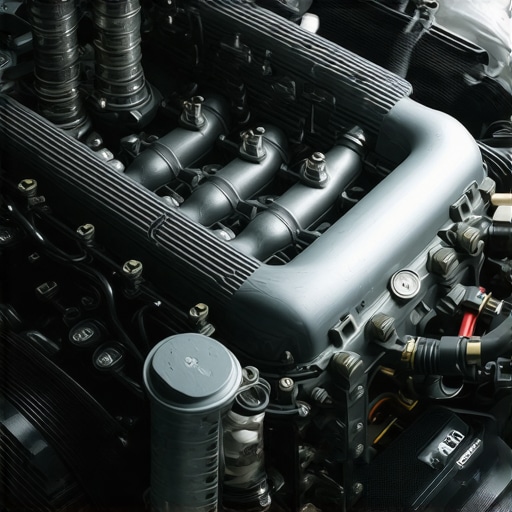
I remember that frustrating morning all too well. I was running late, rushing to get the kids to school, and decided to hop into my car without giving it a second thought. The engine was cold and eager, fired up with a satisfying roar. But as soon as I took a short drive and parked for a quick errand, I got back in—nothing. The engine turned over but refused to ignite. My heart sank. It was hot, and my car just wouldn’t catch. That lightbulb moment hit: There’s something about a hot engine that makes cars act up, and I wasn’t alone. Many drivers face this exact dilemma—your car struggles to start after it warms up, turning a simple task into a guessing game.
Decoding the Hot Start Problem
This frustrating issue isn’t just a quirk; it’s a common problem rooted in specific mechanical behaviors and component failures. The good news? Once we understand what’s behind it, you can tackle the issue head-on. Today, I promise to walk you through the main causes, share my personal experiences with similar breakdowns, and most importantly, help you avoid costly repairs. Whether you’re a seasoned gearhead or a casual driver, recognizing the warning signs and knowing what to check can save you time and money. Plus, knowing the right maintenance steps can keep your engine running smoothly, even on the hottest days.
Is This Just a Myth or Reality? Can Hot Starts Actually Be Fixed?
When I first faced this issue, I made the mistake of ignoring it, thinking it was just a temporary glitch. That was a mistake. I learned that ignoring hot start problems often leads to more serious damage down the line. And trust me, I’ve seen many drivers fall for the myth that hot engine problems are just part of aging cars or summer heat. The truth is, these issues are often fixable with some routine diagnostics and maintenance, rather than costly replacements. According to auto repair experts, diagnosing the root cause early can prevent breakdowns and extend your vehicle’s lifespan. If you’re experiencing this problem, you’re not alone—and it definitely warrants attention before it turns into a bigger headache.
Now, let’s dive into why these issues happen in the first place and how you can troubleshoot them effectively. Ready to turn that frustrating experience into a solved problem? Keep reading to discover the key causes and simple fixes that can restore your hot-start confidence.
Check the Battery and Starter First
When my car refused to start after warming up, the first step I took was inspecting the battery and starter. Use a multimeter to test the battery voltage; it should read around 12.6 volts. A weak or dead battery can mimic this issue. To verify the starter, listen for a clicking sound when turning the key. No sound indicates a possible starter failure. Replacing or charging the battery might be all you need, but if that doesn’t solve the problem, move to the next step.
Inspect Spark Plugs and Ignition System
Next, I examined the spark plugs. Remove them and check for corrosion or carbon buildup. Dirty or worn spark plugs can cause cold starts but fail when hot. Replacing old plugs with new ones can improve ignition. Also, check ignition coils for cracks or damage. An ignition system malfunction becomes apparent when hot, and replacing faulty components often resolves the issue.
Test Fuel Delivery Components
Since fuel issues are common culprits, I tested the fuel pump and injectors. Listen for the pump’s hum when turning on the ignition—if absent, the pump may be dead, especially when hot. Use a pressure gauge to verify fuel pressure; it should match the manufacturer’s specifications. A clogged fuel filter or failing pump can cause startup problems after engine warms. Replacing these parts restores proper fuel flow.
Evaluate the Crankshaft and Camshaft Sensors
Crankshaft and camshaft position sensors are critical for engine timing. When these sensors malfunction, they often work until they get hot, then fail. Use an OBD-II scanner to check for error codes related to sensor failure. If present, replacing these sensors is straightforward and can fix hot start issues effectively.
Inspect the Ignition Switch and Wiring
Sometimes, electrical issues in the ignition switch or wiring harness cause intermittent power failure. Wiggle the key to see if the connection is loose. Visually inspect wiring for burnt or frayed wires. Securing or replacing faulty wiring fixes the problem without extensive repairs.
Take Preventive Measures for Future
After resolving the issue, I scheduled a thorough tune-up with regular maintenance. Routine checks on spark plugs, fuel system, and sensors can prevent hot start failures. Keep your battery terminals clean and ensure the alternator is charging correctly. For detailed guidance on maintaining your vehicle efficiently, visit this tune-up tips page. Regular preventative care can save you from unexpected breakdowns and extend your car’s lifespan.
< >Many car owners believe that a basic tune-up or brake service is just a routine task, but in reality, there’s more beneath the surface than most realize. One common misconception is that these services are universally interchangeable or always necessary at fixed intervals. However, expert insights reveal that each vehicle has unique needs, and blindly following generic schedules can lead to unnecessary expenses or overlooked issues. For example, a study from automotive engineers indicates that premature or unnecessary replacements of parts like spark plugs or brake pads can sometimes cause more harm than good, emphasizing the importance of tailored maintenance plans.**
Why does a one-size-fits-all approach often backfire?**
Understanding your vehicle’s specific condition and history is crucial. Overlooking subtle signs during routine services can result in advanced problems down the line. For instance, many drivers assume that noise from brakes always indicates a need for replacement, but sometimes it’s just an adjustment or minor repair—saving money and time. An oops many fall into is the tendency to ignore fluid checks or misjudge the urgency of certain repairs. This mentality can escalate small issues into costly overhauls. To avoid this trap, regularly consulting a trusted mechanic and staying informed about your vehicle’s unique specifications is essential. For broader strategies on maintaining your car’s performance, check out our comprehensive ultimate maintenance guide. Understanding the nuanced differences in service needs helps you make smarter decisions and extend your car’s lifespan. Remember, routine maintenance is not just about ticking boxes but about proactive care. For instance, recent trends suggest that in 2025, auto repair will become increasingly sophisticated, employing data-driven diagnostics—so staying ahead with preventive checks now can save you from headaches later. Don’t fall into the trap of thinking that all repairs are purely reactive. Adopting an advanced, informed approach to service can ensure your vehicle remains reliable for years to come. Have you ever fallen into this trap? Let me know in the comments.
Keeping Your Car Running Smoothly with the Right Tools
Maintaining a vehicle over time requires more than just routine check-ups; it demands reliable tools and smart strategies to ensure longevity and performance. Personally, I lean on specific equipment that has proven invaluable in diagnosing issues early and performing precise repairs. A high-quality Digital Inspection Camera, for instance, allows me to peek into hard-to-reach areas like the engine bay or transmission housing, revealing hidden problems before they escalate. This small investment can save hundreds by catching leaks or corrosion early. Additionally, a professional-grade multimeter is essential for testing electrical components such as sensors, fuses, and wiring—key factors in preventing breakdowns related to electrical failures. When I check the alternator or battery connections, using a multimeter ensures accurate readings and helps me confirm whether parts are functioning optimally, reducing guesswork.
For cleaning and maintenance, I rely on specialized products like a magnetic pickup tool, which I use to retrieve dropped nuts or screws under the vehicle, avoiding the need for costly dismantling. Also, having a reliable torque wrench is vital for tightening bolts to manufacturer specifications, especially when working on critical systems like brakes or suspension. Applying the correct torque prevents damage and ensures safety. Furthermore, I stay ahead of trend by integrating diagnostic software compatible with OBD-II scanners. These tools plug into your vehicle’s port and decode error codes, streamlining troubleshooting without guesswork. As auto repair evolves, I predict that software-enabled diagnostics will become increasingly sophisticated, possibly integrating AI to predict failures before they happen, according to auto repair trends for 2025.
To keep your vehicle performing at its best over the long haul, regular maintenance is crucial. This includes routine oil changes, fluid checks, and sensor inspections. Using these specialized tools makes each task more accurate and efficient, helping prevent costly repairs and prolonging your car’s lifespan. Investing in quality equipment not only saves money but also gives you confidence during DIY repairs. I recommend trying a professional-grade multimeter combined with an OBD-II diagnostic scanner to identify issues early, especially since computer diagnostics are now central to vehicle health. These tools, alongside routine inspections, form the backbone of sustainable car ownership, turning maintenance from a chore into a strategic practice.
How do I maintain my vehicle tools over time?
Proper care and calibration are vital for ensuring your tools remain precise and effective. Regularly clean your multimeter’s probes and store it in a dry, protected case. Replace batteries as soon as they show signs of weakness to prevent inaccurate readings. Calibrate torque wrenches annually to maintain their accuracy, and keep diagnostic software updated to access new features and correct bugs. Investing in quality storage solutions helps organize your equipment, minimizing damage and loss. Staying diligent with maintenance of your tools directly correlates with the reliability of your repairs and diagnostics, ensuring your vehicle continues to serve you well for years to come.
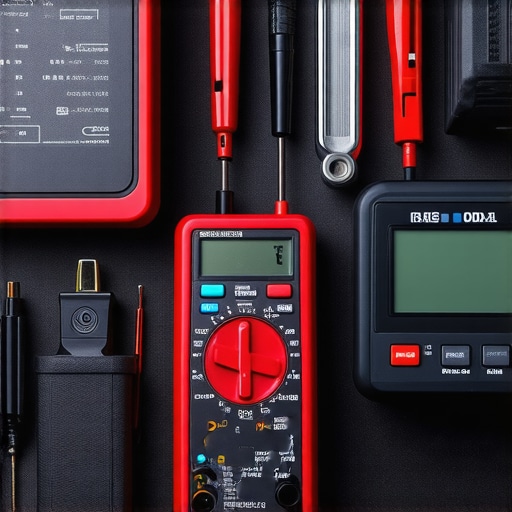
Here’s a snapshot of my essential toolkit, including a digital inspection camera, multimeter, torque wrench, and diagnostic scanner—each chosen for its reliability and value in routine and complex repairs alike.
Throughout my years in auto repair, I’ve realized that some of the most valuable insights come from the lessons learned the hard way. One of those revelations is how critical it is to pay close attention to your vehicle’s unique behaviors—tiny signs that, if ignored, can lead to costly repairs. For example, I’ve seen cars that seemed fine during a routine tune-up but then developed stubborn hot start issues because the owner overlooked subtle indications like inconsistent fuel pressure or sensor anomalies. My lightbulb moment was understanding that what appears to be a minor hiccup often signals a deeper mechanical or electrical problem, emphasizing the importance of proactive diagnostics and tailored maintenance. Knowing these nuances makes a real difference—not just in avoiding breakdowns but in extending your vehicle’s overall lifespan.
Another profound lesson is the peril of relying solely on conventional wisdom or generic service intervals. Every car has its own story, and blindly following generic schedules can sometimes do more harm than good. Trusting specific tools—like a reliable diagnostic scanner or a precise torque wrench—has been instrumental in preventing issues before they escalate. Moreover, staying informed with trends in auto repair, such as the push towards data-driven diagnostics in 2025, equips me to adapt and deliver better care for my clients. This approach underscores the value of continuous learning and the importance of customizing your vehicle maintenance based on real-time data and individual vehicle history.
Lastly, embracing a comprehensive toolkit has elevated my confidence in diagnosing and repairing complex problems. Equipment like a high-quality digital inspection camera allows me to uncover hidden engine issues early, while a multimeter helps verify electrical components’ health. These tools are not just gadgets—they’re essential investments that empower you to maintain your vehicle proactively. Remember, the key benefit of mastering hot engine start issues is not just fixing the problem but gaining a deeper understanding of your car’s unique needs, ultimately leading to safer and more efficient driving experiences. For more detailed guidance on routine maintenance, I recommend visiting this resource.
How I Learned the Hard Way to Listen to My Car’s Whisper
- Ignoring subtle signs like fluctuating idle speeds or inconsistent fuel pressure can turn a minor issue into a major headache. These signs often precede hot start problems, and catching them early makes all the difference.
- Relying on a one-size-fits-all maintenance schedule is a trap. Tailoring your service based on your vehicle’s specific needs and data helps prevent unexpected breakdowns, saving time and money.
- Investing in quality diagnostic tools transforms guesswork into precision. A good scanner and multimeter can identify hidden electrical or sensor issues that cause hot start failures.
- Continuing education about auto repair trends—like the shift toward AI diagnostics—keeps me ahead, ensuring I provide the best solutions possible for complex issues.
My Shield of Recommendations for Vehicle Care
- OBD-II diagnostic scanner: My go-to for decoding error codes and understanding what’s happening beneath the surface. It’s invaluable for diagnosing sensors and electrical issues that cause hot engine trouble.
- Digital inspection camera: This tiny device allows me to peer into engine bays, drain pans, and transmission housings without dismantling everything—saving time and uncovering hidden problems before they become emergencies.
- High-quality multimeter: Precise electrical testing ensures all sensors, fuses, and wiring are performing correctly, which is critical for addressing electrical causes of hot start issues.
- Reliable torque wrench: Proper tightening of crucial components like spark plugs and bolts prevents future failures and ensures safety during repairs.
Step into a Future Where Your Car’s Health Is Your Priority
Embracing these lessons and tools can transform your approach to vehicle maintenance. The goal isn’t just to fix problems but to build a preventive mindset that prioritizes your car’s longevity and performance. With continuous learning and the right equipment, you can confidently handle hot start issues and beyond, turning challenges into opportunities for smarter, safer driving. Remember, proactive care is the best investment you can make. Have you ever caught a subtle sign that saved you from a bigger breakdown? Share your experience below—I’d love to hear it!