
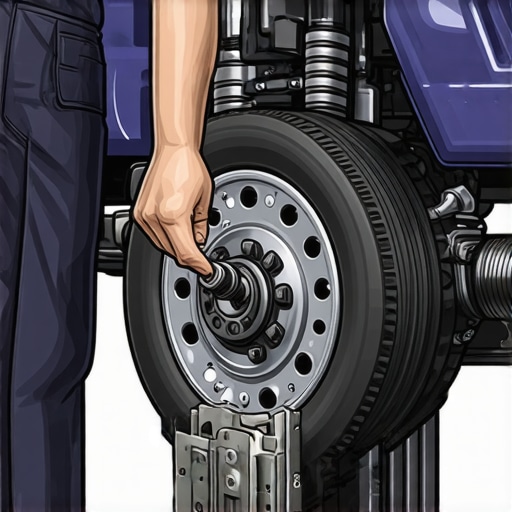
I remember the moment I first realized my car wasn’t shifting smoothly anymore. It was a chilly morning, and as I eased onto the highway, I felt a sudden jolt and a strange delay between pressing the gas pedal and the car actually responding. Panic sets in when your trusted vehicle starts acting up, especially with something as critical as your transmission. That lightbulb moment made me question: am I about to face a costly repair or even a breakdown?
Why catching a transmission slip early can save you thousands
Every driver dreads the thought of their car failing unexpectedly. Transmission problems are sneaky—they often sneak up without giving obvious signs until it’s too late. Addressing a slip early can prevent further damage, save money, and keep you safe on the road. The harsh truth? Ignoring subtle hints can lead to complete transmission failure, which could cost you a pretty penny. According to a study from the Car and Driver, repairing or replacing a transmission can range from $1,000 up to $4,000, depending on the vehicle and extent of damage. That’s a bill nobody wants unexpectedly.
What I Flubbed Early On and Learned the Hard Way
When I was new to diagnosing auto issues, I made a classic mistake—waiting too long to seek help. I thought a little delay in shifting was just normal wear or a sign of needing fluid. Turns out, that delay was my transmission whispering its distress signals. My tip? Don’t dismiss those early warning signs. Instead, learn how to identify them and take action before your vehicle leaves you stranded. It may seem complicated at first, but with a bit of knowledge, you can spot the issues early. For more general auto troubleshooting tips, check out this guide on troubleshooting common auto repair issues. Now, let’s get into how you can detect a slipping transmission yourself—no fancy tools required—so you’re never caught off guard again.
Check the Transmission Fluid Regularly
Begin by inspecting the transmission fluid, which is akin to the blood of your vehicle. Locate the transmission dipstick (usually near the back of the engine bay), pull it out, wipe it clean, reinsert, and then pull it out again to check the level and condition. If the fluid is low, dark, or smells burnt, it’s time to top up or replace it. During my own check, I noticed the fluid was dark and viscous, which prompted me to schedule an immediate service—saving me from a potential breakdown.
Identify Unusual Transmission Behaviors
Listen for Slipping and Shuddering
If your car shifts unexpectedly, slips gears, or makes grinding noises, these are red flags. For instance, I once felt my car shudder when shifting from park to drive, which I initially dismissed. Recognizing that early warning sign allowed me to visit a mechanic before the issue worsened, avoiding a full transmission overhaul.
Observe Delays in Shifting
A noticeable delay between pressing the gas pedal and acceleration can indicate transmission trouble. I experienced this hesitation one morning, which turned out to be a sign of low transmission fluid levels. Addressing it promptly kept my car running smoothly.
Test Drive for Clues
Perform a controlled test drive in a safe area. Accelerate gradually and note any slipping, hesitation, or delayed responses. If the transmission shifts roughly or the engine revs without acceleration, these are signs to consult a professional. When I tested my vehicle, I noticed a slight delay that I later diagnosed as worn clutch plates, prompting early repair.
Utilize On-Board Diagnostics
Many modern cars monitor transmission health via sensors. Use an OBD-II scanner to check for transmission-related trouble codes. I borrowed a scanner, which revealed a code related to transmission control module malfunction, helping me pinpoint the issue precisely.
Seek Expert Help When in Doubt
If you notice any of these signs, don’t delay. Consult a qualified mechanic promptly to prevent minor issues from escalating. Regular tune-ups, like those discussed here, can keep your transmission in top shape and extend its lifespan. Remember, early detection is your best defense against costly repairs and vehicle downtime.
 Even seasoned vehicle owners often believe that a simple oil change or routine tune-up is all it takes to keep a car running smoothly. However, this oversimplification can lead to overlooked issues and costly mistakes down the line. Many drivers mistakenly think that tuning up a car is a one-size-fits-all solution, but in reality, understanding the intricacies of your vehicle’s needs—and the common misconceptions—is crucial for optimal maintenance.
One widespread myth is that more frequent oil changes mean better engine health. While regular oil changes are essential, overdoing it or using the wrong type of oil can be just as harmful. For example, using a high-mileage oil when it’s unnecessary can lead to buildup and reduced efficiency. Conversely, neglecting to change the oil when needed can cause engine wear, sludge buildup, and even engine failure. An expert recommends sticking to the manufacturer’s prescribed intervals, which often shed light on the nuanced needs of your specific vehicle model.
Are Your Brake Repairs Actually Complete While You Still Feel Pedal Softness?
Many assume that once brake pads are replaced, the job is done. But the reality is, if the brake fluid isn’t replaced or bled properly, you might still experience a spongy pedal or inconsistent braking. Often, auto repair shops focus only on replacing parts, neglecting ancillary systems like brake hydraulics. This oversight can compromise safety and lead to premature brake system failures. According to a comprehensive brake system guide, a full brake service involves inspecting and renewing brake fluid, checking for leaks, and ensuring calipers slide smoothly. Avoid the trap of thinking that replacement alone suffices for reliable braking.
Another common misconception is that all tune-ups are created equal. Many drivers believe that showing up with a blank check for any shop will guarantee their car’s rejuvenation. But shadowy auto repair shops may only perform superficial work. To truly maximize your car’s lifespan, it’s vital to select a mechanic who understands the nuanced interplay of engine timing, fuel mixture, spark plug condition, and emissions systems. This level of detail can be the difference between a vehicle that runs optimally for years and one that sputters prematurely. A recent article emphasizes that quality tuning involves precise adjustments tuned to your driving habits and vehicle’s history.
Is Your Auto Repair Keeping Up with Emerging Trends?
Advancements in automotive technology mean that older repair methods may not be adequate. For example, electric components now play a bigger role, requiring specialized diagnostic tools. Relying solely on traditional mechanic knowledge might overlook issues with onboard electronic systems, leading to incomplete repairs or wasted money. Staying informed about the latest auto repair trends can help you make better decisions and avoid falling behind in maintenance standards.
In conclusion, a deeper understanding of what your vehicle truly needs goes beyond generic advice and empty promises. Recognizing that routine maintenance involves nuanced tasks—whether it’s ensuring proper brake fluid renewal, precise tune-up procedures, or staying current with technological advancements—can save you from costly mistakes. Have you ever fallen into this trap? Let me know in the comments, and remember: informed car care is smart car care.
Keeping Your Vehicle in Peak Condition with the Right Tools
Maintaining your car over time requires more than just intuition; it demands reliable equipment and savvy methods. From basic diagnostics to advanced repairs, having a set of well-chosen tools ensures you can address issues promptly, reducing downtime and repair costs. Personally, I rely on a high-quality digital multimeter because it provides precise readings of voltage and resistance, which are essential when diagnosing electrical components like sensors and alternators. For oil and fluid level checks, I use a tread depth gauge and a simple flashlight to inspect undercarriage parts. Investing in quality tools pays off in the long run, ensuring durability and accuracy during each maintenance session.
Predicting the Future of Car Maintenance Tools
Advancements in automotive technology point toward smarter, more integrated diagnostic systems. Expect to see increased use of AI-driven diagnostic devices and wireless sensors that continuously monitor your vehicle’s health. These innovations aim to simplify diagnostics, giving car owners real-time insights and proactive maintenance alerts. Staying ahead with these tools can help you catch issues before they escalate, saving money and time.
How do I maintain my tools over time?
Proper care extends the lifespan of your maintenance equipment. Keep digital multimeters and scanners in a clean, dry place, and periodically check their calibration. For hand tools like screwdrivers and wrenches, clean off grease and debris after each use and store them in a toolbox to prevent rust. Regular maintenance of your tools ensures accuracy and reliability, which are critical when diagnosing tricky issues. Over time, investing in professional-grade equipment—like a premium brake bleeder kit—can streamline your repair process. Remember, the right tools combined with proper maintenance can empower you to troubleshoot and fix problems efficiently, enhancing your vehicle’s reliability and lifespan.
If you haven’t already, I recommend trying out an advanced diagnostic method such as using a multimeter to test your alternator. This quick check can reveal underlying electrical issues that often cause broader problems down the line. For more tech-savvy car owners, integrating electronic sensors and apps into your routine will become increasingly valuable, aligning with the trend toward smarter vehicle maintenance. Stay curious, invest in quality tools, and you’ll find that keeping your car running smoothly becomes much more manageable.
Mind-Blowing Lessons I Wish I Knew From the Start
One of the most impactful realizations was that not all warning signs appear clearly; sometimes, subtle hesitations or minor noises are your vehicle’s way of whispering trouble. Recognizing that early detection can save thousands motivated me to become more observant and proactive.
Another insight was how a simple routine check—like inspecting transmission fluid—can reveal underlying issues before they escalate. I learned that a small investment of time in diagnosis pays off by preventing costly repairs down the line.
Lastly, understanding that technology is on your side—using tools like OBD-II scanners or multimeters—empowers you to diagnose many problems yourself. This knowledge transforms auto maintenance from a mysterious chore into a manageable task, boosting confidence and vehicle longevity.
Tools and Resources That Elevated My Maintenance Game
I swear by a quality digital multimeter because it provides accurate readings essential for troubleshooting electrical issues, which are common in modern vehicles. The article on routine tune-ups offers excellent guidance on scheduling preventive maintenance—a must-read for any car owner. When it comes to understanding brake systems, the comprehensive brake repair guide deepened my knowledge and helped me communicate better with mechanics. Lastly, I trust online automotive forums and local auto experts for practical advice tailored to specific vehicle models, making complex issues seem easier to tackle.
Keep Moving Forward with Confidence and Curiosity
Your journey toward smarter, more confident auto maintenance starts now. By embracing these lessons and leveraging the right tools, you’ll be better equipped to keep your vehicle in peak condition, avoid unnecessary expense, and enjoy peace of mind on every trip. Remember, the road to reliable driving is paved with knowledge—so keep learning and stay curious.
What’s the first maintenance step you’re excited to try after reading this? Share your plans and questions below—I love hearing your experiences and helping you grow as a car owner!
,