
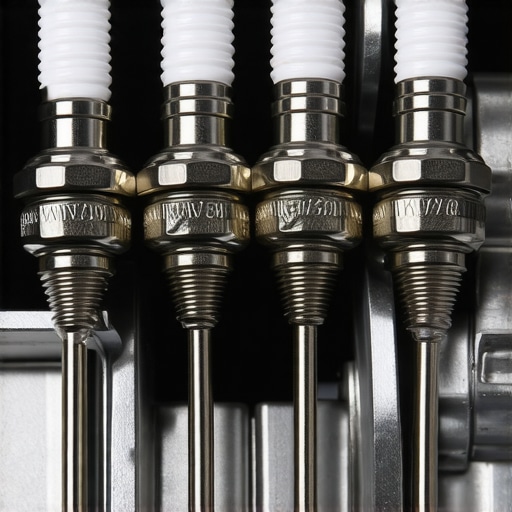
Have you ever been halfway through a drive when suddenly your engine starts to hesitate, or maybe you’re noticing that little tick-tick sound coming from under the hood? I remember the first time I experienced this I thought it was just a rough day for my car. Turns out, those tiny sparks inside your engine hold big clues about its health — and I only learned this the hard way after a misfire almost stranded me. That story is a common one among car owners, but here’s the good news: if you know what to look for, your spark plugs can become your best early warning system, saving you time, money, and frustration.
Deciphering Engine Mysteries Through Spark Plugs
Unbeknownst to many, your spark plugs are like the health report card for your engine. They ignite the fuel mixture so your car runs smoothly, but over time, they accumulate wear and deposits that tell a story about your driving habits and engine condition. For years, I would ignore minor misfires, dismissing them as harmless issues. But I soon realized that neglecting these signs led to bigger problems, like poor fuel efficiency and costly repairs. That mistake taught me that paying attention to your spark plugs isn’t just technical trivia — it’s a practical step toward better vehicle maintenance. Would you recognize the early signs of engine trouble if your spark plugs were sending subtle signals? Now is the perfect time to discover how these tiny components reflect your engine’s overall health and what actions to take to keep it running at peak performance.
Is Checking Spark Plugs Worth the Effort?
When I started inspecting my spark plugs myself, I found it surprisingly revealing. A quick visual check told me whether my engine was running rich or lean, whether I had oil leaks, or if my fuel mixture was off — things I would have only guessed at otherwise. Many car owners shy away from diagnostics because they think it’s complicated or unnecessary. But in reality, it’s a straightforward process that can prevent serious damage down the line. According to automotive experts, regular inspection of spark plugs can extend your engine’s lifespan significantly and improve efficiency — saving up to 30% in fuel costs (source: Glass Fix Auto). So, if you’ve felt that nagging hesitation or rough idling recently, you’re not alone — but more importantly, you’re not helpless. Your spark plugs are speaking, and it’s time to listen.
Getting Ready for Spark Plug Inspection
Before you dive into checking your spark plugs, prepare your workspace in a well-lit area with all necessary tools like sockets, a spark plug socket, a ratchet, and a gap gauge. Warm your engine slightly to soften carbon deposits, but ensure it’s cool enough to handle safely. I once attempted a quick check in a rush, only to burn my finger on a hot manifold; learning from that, I now always let the engine cool down to avoid injuries and get accurate readings.
Removing and Examining Spark Plugs
Loosen the Spark Plug
Use a spark plug socket attached to a ratchet to carefully unscrew the spark plug. Turn counterclockwise until it comes free. Be gentle to avoid damaging the ceramic insulator. During my first attempt, I stripped the threads because I used too much force—lesson learned: patience is key.
Assess the Condition
Visual inspection reveals a lot: look for deposits, fouling, cracks, or worn electrodes. A healthy spark plug has a light tan or grayish color; black, oily deposits indicate oil leaks or rich fuel mixture. I noticed my plugs were covered with carbon buildup, which explained my rough idling. This inspection is straightforward and can help pinpoint issues like fouling early.
Cleaning or Replacing Spark Plugs
Cleaning Technique
If the plug is just slightly dirty, clean it with a wire brush and a dedicated spark plug cleaner. Be cautious not to damage the ceramic or electrodes. For stubborn deposits, replace the plug entirely. Remember, cleaning isn’t a substitute for wear and tear; if the electrodes are worn down, replacement is inevitable. During a previous tune-up, I successfully cleaned a slightly fouled plug, restoring optimal performance.
Setting the Correct Gap
Use a gap gauge to measure the distance between the center and ground electrode. Consult your vehicle’s manual for the exact gap setting. Adjust if necessary by gently bending the ground electrode. Incorrect gap can cause misfires, so double-check after adjustment. I once installed a plug with an incorrect gap that led to poor ignition—fixing the gap made a noticeable difference.
Reinstalling and Securing
Thread the spark plug in by hand to avoid cross-threading, then tighten with a torque wrench to the manufacturer’s specifications. Over-tightening can crack the ceramic; under-tightening can cause leaks. Remember, proper torque ensures longevity and performance. After reinstalling all plugs, reconnect the ignition wires securely.
Test the Engine
Start your vehicle to verify smooth operation. Listen for misfires or rough idling. If issues persist, recheck your work or consider other engine diagnostics. I once overlooked a loose wire after replacing plugs, which caused rough running until I double-checked connections. Taking these steps methodically helps prevent future problems.
Many car owners approach brake service and auto repairs with misconceptions shaped by outdated advice or marketing hype. One prevalent myth is that replacing brake pads alone guarantees complete brake system health. In reality, focusing solely on pads can overlook underlying issues like warped rotors or worn calipers, which if neglected, compromise safety and lead to more costly repairs. As an expert, I emphasize that comprehensive diagnostics often uncover nuances that casual inspections miss, ensuring repairs address root causes rather than just symptoms.
Another trap that catches many is the belief that frequent brake fluid flushes are unnecessary unless there’s a visible problem. Contrary to this misconception, proactive fluid changes prevent moisture buildup that can corrode internal components—reducing the risk of brake fade or failure under heavy use. Regularly scheduled maintenance, as detailed in our comprehensive service guide, highlights that small preventive steps save money and enhance safety.
Are High-Performance Brakes Worth the Extra Cost? This Might Surprise You
Advanced braking systems like ceramic or carbon-ceramic brakes are often marketed as essential for high-performance driving. However, for everyday drivers, the real benefits are marginal unless you’re engaging in spirited driving or towing heavy loads regularly. In fact, over-investing in high-end brakes without proper setup can lead to issues like uneven wear or noise, negating their perceived advantages. Consulting with a trusted mechanic can help determine if your driving habits genuinely warrant such upgrades, or if routine maintenance is sufficient. For nuanced insights into brake system components and repair strategies, check this detailed guide.
One common oversight is assuming that all auto repairs are straightforward and don’t require expert intervention. For example, misdiagnosing a brake squeal as simple pad wear, without considering underlying causes like caliper dragging or rotor warping, can be dangerous. As highlighted in auto troubleshooting resources, complex issues benefit from professional diagnostics to prevent escalation.
How Do You Know When a Tune-Up Is Truly Needed?
Many drivers delay tune-ups until noticeable performance drops or warning lights appear. But the subtle nuances—like slight hesitation during acceleration, increased fuel consumption, or inconsistent idling—often signal the need for preventive maintenance. Relying on a calendar schedule without considering these symptoms can lead to missed opportunities for optimizations. Regular checkups, as discussed in expert tips, help catch issues early, ensuring your vehicle runs smoothly and efficiently.
Remember, genuine auto maintenance isn’t just about replacing parts—it’s about understanding the intricate interplay of components and how neglecting the nuanced signs can cost more in the long run. Have you ever fallen into this trap? Let me know in the comments. Staying informed empowers you to keep your vehicle in top shape and avoid unnecessary expenses.
Maintaining your vehicle over time requires the right tools and a systematic approach to ensure longevity and optimal performance. Personally, I’ve found that investing in quality equipment not only speeds up repairs but also improves the accuracy of diagnostics, saving me from costly mistakes. One staple in my garage is a digital torque wrench, which ensures I tighten bolts to manufacturer specs—crucial for components like spark plugs, brake components, and wheel lug nuts. Precision matters, especially when dealing with critical parts that could compromise your safety if improperly secured.
Another tool I swear by is a multimeter to monitor my vehicle’s electrical systems. Modern cars rely heavily on electronics, and a reliable multimeter allows me to quickly identify issues like faulty sensors or faulty wiring. I prefer a digital multimeter with auto-ranging capabilities and a good resolution, such as the model I use regularly, because it cuts down on testing time and increases accuracy.
Software tools play a vital role in modern car maintenance, too. I utilize diagnostic scanner apps that connect to my car’s OBD-II port; these tools provide real-time data on engine performance, fault codes, and emissions. My recommendation is a Bluetooth-enabled scanner compatible with your smartphone. It’s a game-changer because it allows me to clear trouble codes and monitor sensor data without a trip to the mechanic. For in-depth diagnostics, I pair this with professional-grade software, which—according to auto repair industry forecasts—is becoming increasingly essential as vehicles incorporate more complex electronics.
How do I maintain my car’s health over time?
Regular checks of vital fluids, brake system inspections, and using quality lubricants are fundamental. To stay ahead, I schedule routine tune-ups through trusted mechanics; they perform comprehensive diagnostics covering everything from spark plugs to transmission fluid. Partnering with a reliable auto repair shop ensures you get expert insights and proper maintenance for your specific make and model. Additionally, I keep a detailed maintenance log—tracking replacements and inspections—which helps identify patterns before small issues become costly repairs.
Predictive maintenance technology is also trending. Devices that monitor your vehicle’s vital signs via sensors and send alerts to your phone enable proactive care. As these systems evolve, expect more cars to integrate AI-driven diagnostics, allowing for even more precise maintenance scheduling. Embracing these advancements now gives me an edge in keeping my vehicle reliable for the long haul.
If you want to take your care routine to the next level, try calibrating your torque wrench to your vehicle’s specified tightening values for critical components like brake calipers or suspension parts. This small but impactful step can extend component lifespan and improve safety. Remember, maintaining your car isn’t just about quick fixes—it’s about building a comprehensive, proactive strategy using the right tools and knowledge. For detailed maintenance tips, see our expert guide.
Lessons Only Experienced Mechanics Get—And Wish They Knew Sooner
One of my most pivotal moments came when I realized that ignoring early signs from my spark plugs cost me both time and money. That bitter lesson taught me to trust my instincts and pay attention to the smallest engine quirks, knowing they hold the secrets to my car’s longevity. A common misunderstanding I had was underestimating how much a simple visual inspection can reveal—it’s like reading your engine’s diary without opening the hood. Also, I used to think that cleaner is always better for spark plugs, but I learned that sometimes, a worn electrode is a sign to replace, not clean. The biggest revelation was understanding that these tiny components can forecast major issues—if only I looked closely enough, my future self would thank me for catching problems early.