
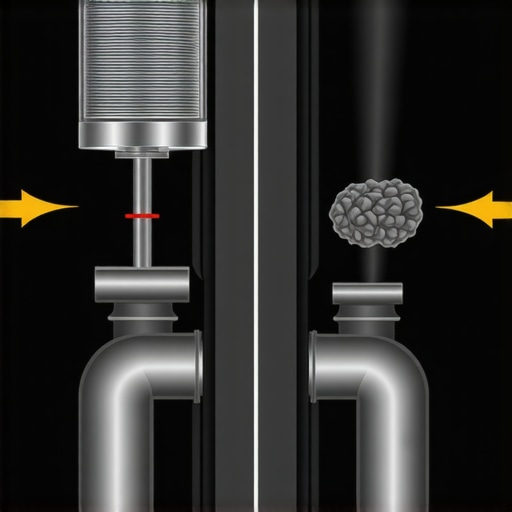
Imagine it’s a typical Monday morning. You hop into your car, expecting a smooth ride to work. But as you turn the key, the engine sputters and stalls unexpectedly. That uncomfortable, sinking feeling hits you—did you forget to fill up? Or worse, is there a deeper problem lurking beneath the surface? I’ve been there more times than I care to admit. That nagging doubt about whether my fuel system might betray me mid-drive led me to realize one crucial thing: if I didn’t pay attention to the signs of a clogged fuel filter, I could be stranded when I least expected it.
Why Spotting a Clogged Fuel Filter Early Is a Game-Changer
The fuel filter is a small yet vital part of your vehicle’s engine. Its main job? Keep dirt, rust, and debris from entering the engine, ensuring smooth combustion and optimal performance. Over time, however, this filter can become clogged, restricting fuel flow and causing all kinds of drivability issues. The scary part? Many drivers don’t notice the warning signs until their engine stalls completely, leaving them stranded or paying hefty repair bills.
Early detection is essential. When you recognize the subtle hints, you can schedule maintenance before a costly breakdown. Plus, understanding how to spot the signs of a clogged fuel filter keeps you ahead of potential pitfalls, saving you time and money—and keeping you safely on the road. If you’re curious about related maintenance tips, check out our latest auto repair trends.
Is This Warning Signal Just a Coincidence?
I used to ignore initial symptoms, thinking they were minor annoyances. For example, occasional rough idling or slight hesitation during acceleration. But early on, I made the mistake of dismissing these as trivial glitches. It wasn’t until I ignored these signs repeatedly that I found myself stuck on the side of the road, engine dead. According to automotive experts, neglecting signs like sluggish acceleration or engine misfires can escalate into complete fuel delivery failure, leading to engine stalls (source: Troubleshooting common auto issues). Recognizing these signs early on can save you a major headache and a hefty repair bill.
Now that we’ve outlined why catching a clogged fuel filter matters, let’s look at how you can identify the problem before your vehicle leaves you stranded.
,
Check for Engine Hesitation During Acceleration
Start your engine and gently press the gas pedal. If you notice a bogging feeling or hesitation, it could be a sign of restricted fuel flow. For example, I recall taking my car for a test drive after noticing slight roughness and feeling sluggish acceleration. I paid close attention to how the engine responded to throttle input, and the hesitation was subtle but noticeable. This initial sign prompted me to inspect the fuel system rather than ignore it.
Listen for Unusual Noises and Watch for Drivability Issues
Pay attention to sputtering or coughing sounds from the engine, especially during steady driving. Also, note if the engine stalls unexpectedly or if you experience loss of power. Once, I was driving on the highway when my car suddenly lost acceleration without warning. It turned out to be a clogged fuel filter, which I replaced following a quick diagnostic. Recognizing these signals early can prevent being stranded on the side of the road.
Perform a Fuel Pressure Test for Precise Diagnosis
Gather Necessary Tools and Equipment
Before starting, ensure you have a fuel pressure gauge rated for your vehicle’s pressure range and consult your vehicle’s manual for specifications. I remember borrowing a kit from a friend and following online tutorials to set up the gauge properly—a process that took about 15 minutes.
Connect the Gauge and Check the Pressure
Relieve fuel system pressure as recommended, then connect the gauge to the fuel rail or Schrader valve. Turn on the ignition without starting the engine. The gauge should match the manufacturer’s specified pressure range; if it’s significantly lower, your fuel filter is likely clogged. In my case, the pressure was half of the recommended spec, confirming the filter blockage.
Interpret Results and Decide on Replacement
If the pressure reading is low, replace the fuel filter promptly. Remember, a clogged filter restricts fuel flow, causing engine hesitation and stalling, just as I experienced. Regularly scheduling a fuel system check, especially if you notice warning signs, saves you from unexpected breakdowns.
Plan and Execute Fuel Filter Replacement
Locate the fuel filter—it’s often in the engine bay or under the vehicle along the fuel line. Before starting, disconnect the battery to prevent sparks, and wear safety gloves and goggles. Remove the old filter carefully, noting the direction of flow arrows, then install the new filter in the same orientation. After reconnecting fuel lines and securing fittings, turn on the ignition to pressurize the system and check for leaks. Performing this task yourself can save money, but if you’re unsure, consulting with professionals ensures safety and proper operation. For detailed steps, review our comprehensive maintenance guide.
Many car owners operate under myths that can lead to costly mistakes. A prevalent misconception is that all repairs, like tune-ups or brake services, are equally urgent or necessary at the same interval. However, I often see drivers rushing for replacements that aren’t actually needed yet, simply because they believe more frequent service is better. For example, some assume that changing their oil every 3,000 miles is mandatory regardless of their vehicle’s specific recommendations. Modern synthetic oils and advanced engine designs have extended these intervals, so always consult your vehicle’s manual or trusted sources like our ultimate car service guide to avoid unnecessary servicing.
A deeper nuance involves the timing of brake service. Many think it’s only about pad wear, but a common oversight is neglecting brake fluid degradation, which can happen even if your brake pads are brand new. Brake fluid absorbs moisture over time, reducing braking effectiveness and increasing corrosion risk. Regularly checking and replacing brake fluid as recommended can actually extend your brake system’s lifespan, saving you money in the long run. Don’t fall into the trap of waiting until you hear squeals or experience a spongy pedal; proactive maintenance is key.
Another often ignored detail concerns the importance of properly aligning your vehicle after service. Misalignment isn’t just about tire wear—improper alignment can cause uneven brake pad and rotor wear, leading to more frequent replacements and decreased safety. Many drivers skip alignment checks after major repairs, but experts advise that an aligned vehicle operates more smoothly and reduces unnecessary strain on various components. To keep your car in top shape, consider our comprehensive service checklist.
Now, let’s address an advanced question: Is there a benefit to performing a manual inspection of components like the serpentine belt or cooling system, even if they appear to be functioning well? The answer is a definitive yes. Visual inspections can reveal subtle cracks, leaks, or wear patterns that might not trigger error codes or immediate issues but could fail down the line. For instance, small cracks on a serpentine belt can quickly escalate into catastrophic failure, leaving you stranded. Regular detailed inspections, combined with knowledge from experts, can preempt emergencies and optimize maintenance schedules.
In essence, understanding and respecting these hidden nuances can significantly improve vehicle longevity and safety. Suspicion of myths and awareness of often-overlooked details will empower you as a responsible car owner. For more insights on advanced maintenance practices, visit our auto repair trends for 2025. Have you ever fallen into this trap? Let me know in the comments.
The Power of Precision: Tools I Trust for Auto Care
When it comes to keeping my vehicle in top shape, I rely on a carefully curated set of tools that ensure both safety and efficiency. One of my go-to essentials is a high-quality digital OBD-II scanner. This device allows me to quickly diagnose engine trouble codes and monitor real-time data, empowering me to catch issues like misfires or sensor failures before they escalate. I personally use the scan tools that provide detailed insights—they help me understand what’s happening under the hood without guesswork.
Alongside diagnostic gadgets, I swear by a torque wrench. Proper tightening of components like cylinder heads or wheel lug nuts is critical, and a quality torque wrench prevents over-tightening or under-tightening, which can cause costly damage. My favorite is the GearWrench Click-Type Torque Wrench; its precision and ease of use have saved me time and frustration during basic maintenance tasks like brake pad replacement.
For fluid checks related to tune-ups or brake service, nothing beats a digital multimeter. Even simple electrical diagnostics become straightforward. For example, testing the alternator’s voltage output or checking sensor wiring becomes much less tedious when I have a reliable multimeter at hand. I recommend models with auto-ranging features, such as the that I personally trust for accurate readings.
The Future of Auto Maintenance: Smart Tools on the Horizon
Looking ahead, the trend in auto repair is shifting toward integrated diagnostic systems and AI-driven analysis. These advancements promise faster, more accurate diagnostics, cutting down repair times and costs. I predict we’ll see increased adoption of wireless scan tools that sync with smartphone apps, providing real-time alerts about fluid levels, brake wear, and component health. Embracing these smart tools now can be a game-changer, especially for DIY enthusiasts aiming for professional-grade results.
How do I keep my tools working reliably over time?
Routine calibration and proper storage are key. For instance, torque wrenches should be recalibrated annually, and digital multimeters need regular testing against known voltage sources. When I keep my equipment calibrated, I ensure consistent, accurate diagnostics — saving me money and preventing misdiagnoses. Also, investing in quality storage cases prevents damage from dust and moisture, extending the lifespan of sensitive devices.
To maintain your tools effectively, make it a habit to inspect them after each use. Replace batteries in digital devices proactively and store everything in a climate-controlled environment. Minimizing exposure to extreme temperatures or moisture preserves their accuracy and durability. For advanced maintenance, I recommend trying a calibration service for your torque wrench—it’s worth the investment to ensure precision. Once you’ve got your tools dialed in, you’ll feel more confident tackling tasks like a pro, whether it’s a simple oil change or a complex brake overhaul. Remember, leveraging the right equipment isn’t just about convenience; it’s about safeguarding your investment and ensuring safety on the road. Consider reviewing our comprehensive vehicle maintenance checklist to integrate these tools into your routine like a seasoned mechanic.
Lessons That Accelerated My Auto Repair Journey
One of the hardest lessons I learned is that ignoring small warning signs can turn a simple issue into a major breakdown. For instance, that slight rough idle I dismissed earlier would have been a cue for a clogged fuel filter, saving me from being stranded. Recognizing signals like sluggish acceleration or unusual sounds early on prevented costly repairs and kept my vehicle running smoothly.
Another insight is that there’s no substitute for proper tools and knowledge. Relying solely on intuition can lead to missed diagnoses. Investing in quality diagnostic equipment, like a digital OBD-II scanner, transformed my approach, enabling me to identify problems before they escalate and ensuring my repairs are spot-on.
Finally, I realized that proactive maintenance is cost-effective. Scheduling regular checks for components like the fuel filter, brake fluid, and serpentine belt based on my vehicle’s manual not only extended its lifespan but also improved safety and performance. These lessons taught me that a little effort and awareness go a long way in mastering auto care.
Tools and Resources That Changed My Approach to Car Maintenance
My essential toolkit includes a reliable OBD-II scanner, which provides real-time engine data and error codes, allowing me to act swiftly. A quality torque wrench ensures bolts are tightened correctly, preventing leaks or part failures. For electrical diagnostics, I depend on a dependable digital multimeter, making troubleshooting straightforward. Additionally, I keep a comprehensive car maintenance checklist handy to stay on top of scheduled services, which has been instrumental in maintaining my vehicle’s health.
Seize the Wheel of Your Auto Maintenance Future
Embarking on your auto care journey can be empowering and fulfilling. The key is to stay curious and proactive—recognize the subtle signals your vehicle gives you and act before they turn into emergencies. With the right tools and knowledge, you’re not just fixing problems—you’re pioneering a long-lasting partnership with your car. Remember, every small step you take in understanding your vehicle today pays off in safer, smoother drives tomorrow. So, why wait for a breakdown? Start trusting your instincts and resources now to keep your auto in top shape. How have you recently addressed a small auto issue before it became a big problem? Share your experience below.