
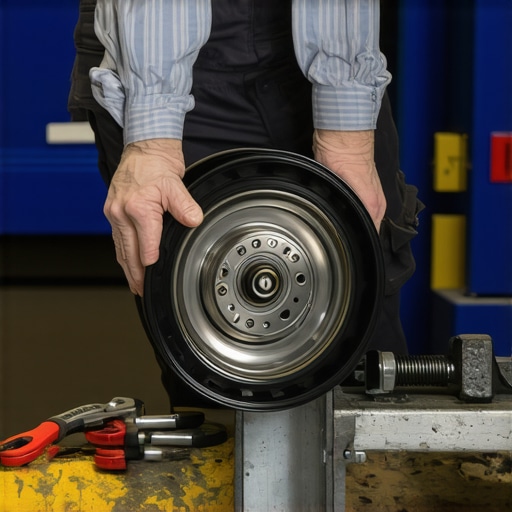
I’ll never forget the first time I heard that relentless squeal coming from my engine bay, just as I was pulling into my driveway after a long day. It’s that sound that instantly puts you on edge—like nails on a chalkboard. No matter how much I tried to ignore it, the squeak persisted, mocking me every time I started my car. That moment was a lightbulb flickering: maintenance issues can sneak up quietly and then explode into noise and frustration. But here’s the truth—most squeaky idler pulleys aren’t a sign of doom, just a little fix with the right approach.
Decoding the Squeal: Why Your Pulley Might Be Singing for Attention
Picture this: your engine is running smoothly, then suddenly, a high-pitched squeal slices through the quiet. That’s often the sound of a squeaky idler pulley, a small but essential component that guides your serpentine belt. When it starts squealing, it’s usually a warning sign that the pulley bearing is wearing out or the belt has become loose. Diagnosing this early can save you from bigger, more expensive repairs down the line. In my own experience, ignoring this sound led me to a costly belt replacement—so now I know better. Regularly inspecting your belt system not only keeps noise at bay but also ensures your car runs efficiently. To learn more about how routine tune-ups can maximize your vehicle’s lifespan, check out this guide.
Is a Squeaky Pulley Really Worth Worrying About?
I used to dismiss those squeaks as minor annoyances or just part of an old car’s charm—big mistake. Early on, I made the mistake of waiting until the noise worsened, which only led to pulley failure and additional belt damage. According to automotive experts, neglecting minor signs like pulley squeal can result in costly repairs and unexpected breakdowns. So, if you’ve been ignoring that high-pitched warning, ask yourself—have you faced a sudden breakdown that could have been prevented? Addressing squeaky pulleys promptly keeps your car running smoothly and prevents minor issues from becoming major headaches.
If you’re ready to take action and stop that squeal, stay tuned. I’ll walk you through the straightforward steps to quiet that annoying noise and keep your engine performing at its best. Remember, a little proactive maintenance today can save you a lot of money and hassle tomorrow. And if ever you’re unsure about diagnosing or fixing auto issues, don’t hesitate to contact auto experts who can help you get back on the road stress-free.
.
Inspect Your Belt and Pulley System
Begin by opening the hood and visually inspecting the serpentine belt and idler pulley. Use a flashlight if needed to see behind components. Look for cracks, glazing, or fraying on the belt, and check if the pulley spins freely without wobbling or making noise. I once noticed my belt had a shiny glaze, indicating it was slipping, which prompted a full inspection. This initial step helps determine if the pulley or belt is the culprit and avoids unnecessary parts replacement.
Loosen the Belt Tension
Locate the tensioner pulley and use a ratchet or breaker bar to relieve tension from the serpentine belt. Carefully slide the tensioner to create slack, then remove the belt from the idler pulley. Think of it like loosening a tight belt on a bicycle wheel before removing the tire; proper tension relief is crucial to avoid damage. While doing this, ensure you note the belt routing or take a picture for reassembly. This step makes subsequent pulley removal safer and easier.
Remove and Check the Pulley
Using the appropriate socket, unbolt the idler pulley from its bracket. Handle it gently to prevent dropping small components. Spin the pulley manually; if it feels rough, makes grinding noises, or wobbles, it’s time for replacement. I once ignored a wobbly pulley, which led to belt wear and eventually a snapped belt—costing me more repair. Replacing the pulley now prevents further damage and saves money.
Replace or Lubricate the Pulley
If the pulley just shows minor wear, applying a bit of high-temperature bearing grease can reduce squeal temporarily. But in most cases, a worn bearing warrants a new pulley. Match the replacement pulley to your vehicle’s specifications by checking part numbers or consulting your owner’s manual. When installing, hand-thread the bolts to avoid cross-threading, then tighten to manufacturer torque specs. This ensures the pulley functions smoothly and quietly.
Reassemble the Belt System
Route the serpentine belt according to your routing diagram or the picture you took earlier. Use your hand or a suitable tool to rotate the tensioner and slide the belt onto the tensioner pulley first, then onto other pulleys. Slowly release the tensioner to apply proper tension to the belt. Verify the belt is seated correctly on all pulleys and aligned with the grooves. Proper tension prevents slipping and squealing, extending the belt’s lifespan.
Test Drive and Final Inspection
Start the engine and listen for squeaks. Take a short drive; if the noise persists, recheck pulley and belt alignment. Sometimes, a misaligned pulley will cause squeals despite being new. If everything runs smoothly and silent, you’ve successfully repaired the squeak. Remember, regular inspections can catch these warning signs early. For comprehensive maintenance tips, visit this automotive checklist. Monitoring the pulleys and belts regularly helps prevent unexpected breakdowns and keeps your vehicle humming quietly.
Many car owners operate under misconceptions about auto repair, tune-ups, brake service, and general vehicle maintenance. These myths can lead to costly mistakes and even safety hazards. Let’s explore some of the most common misunderstandings, their nuances, and hidden pitfalls that even seasoned drivers often overlook.
First, there’s the belief that all auto repairs are simply about replacing parts. In reality, diagnosing the root cause of an issue requires a nuanced understanding of how various components interrelate. For example, a squeaking brake might seem like worn pads, but sometimes the problem stems from a warped rotor or even brake fluid contamination. Rushing to replace parts without thorough diagnostics can lead to unnecessary expenses. To avoid this trap, it’s beneficial to consult detailed troubleshooting guides like auto repair troubleshooting articles.
Another widespread myth is that routine tune-ups are obsolete in modern vehicles. Many believe that advanced fuel injection and electronic ignition systems make traditional tune-ups unnecessary. However, regular tune-ups—such as replacing spark plugs, air filters, and checking fuel injectors—are still vital for optimal performance and fuel efficiency. In fact, professional tune-up strategies highlight how maintenance directly affects safety and longevity.
A common oops is neglecting brake service until a problem becomes evident. Many forget that brake fluid degradation and caliper corrosion can silently compromise braking performance. Dark or contaminated brake fluid reduces stopping power and increases component wear. Regular brake fluid exchanges are essential, but often overlooked. For an in-depth look, see brake system maintenance tips.
Now, let’s address an advanced concern that often escapes the average driver’s consideration: the impact of driving habits on long-term vehicle health. Aggressive acceleration, frequent short trips, or neglecting early warning signs can accelerate wear on vital parts. Recognizing nuanced issues—like the subtle groan of a weak power steering pump or irregular engine misfires—can save thousands over the vehicle’s lifespan. Experts emphasize that understanding these signs requires a comprehensive approach, blending visual inspections, listening, and regular diagnostics.
A perfect example is the misconception that a quick fix suffices for complex problems. Rushing to resolve symptoms without examining underlying causes often leads to repeated repairs or more extensive damage. For instance, a squealing idler pulley might be temporarily lubricated, but if the bearing is worn, replacing the pulley prevents future breakdowns. Staying ahead with proactive maintenance, as outlined here, ensures your vehicle stays reliable.
In conclusion, understanding the hidden nuances and avoiding common pitfalls in auto maintenance can significantly extend your vehicle’s lifespan, improve safety, and save money. Remember, regular diagnostics, embracing the complexity behind auto systems, and resisting quick fixes are key. Have you ever fallen into this trap? Let me know in the comments. To further elevate your vehicle’s performance, explore how regular tune-ups boost efficiency.
Invest in Reliable Diagnostic Equipment
As a seasoned auto enthusiast, I swear by having a good scan tool like the
How do I maintain diagnostic tools over time?
Keep your diagnostic equipment in a dust-free environment, update the firmware regularly, and calibrate the device if applicable. Proper storage and maintenance extend the life of your tools and ensure accurate readings, making your maintenance efforts more effective.
Lessons That Changed How I Approach Auto Fixes
One of the most eye-opening moments was realizing that understanding the subtle sounds in my car could save me hundreds of dollars. Ignoring the squeal of an idler pulley once led me to a costly breakdown; now I see those warning signs as gifts rather than nuisances. It taught me patience and the importance of proactive maintenance, which has become a core part of my auto care routine.
Another lesson was the power of detailed diagnostics. Rushing to replace parts without inspecting all possible causes often results in wasted effort. Now, I double-check every component, ensuring my repairs are precise and effective. This meticulous approach has not only extended my vehicle’s lifespan but also boosted my confidence as a DIY enthusiast.
Lastly, I learned that investing in quality tools, like a reliable scan tool, pays off in the long run. It transforms troubleshooting from guesswork into a science, allowing me to address issues swiftly and accurately. Each of these insights reminds me that meaningful auto repair is as much about mindset as it is about mechanics.
Tools and Resources That Actually Make a Difference
My go-to tool is the auto diagnostic scanner. It’s simple, affordable, and invaluable in identifying trouble codes early. I trust this device because it saves me from unnecessary trips to the mechanic and helps me understand my vehicle better. Pairing this with my maintenance manual from professional resources, I stay ahead of issues and keep my car running smoothly.
Another essential is a good set of socket wrenches. Quality tools make DIY repairs less frustrating and avoid damage to fasteners. Finally, subscribing to trusted automotive blogs, like those that cover deep dives into auto repair myths, keeps my knowledge current and sharp. All these tools and sources have empowered me to tune my vehicle proactively, saving money and enhancing safety.
Keep the Momentum Going and Embrace Your Auto Journey
Remember, every squeal, shake, or slow start is an opportunity to learn and improve. Embracing the nuances of auto maintenance transforms your approach from reactive to proactive, and that feeling of confidence can truly be liberating. So, I invite you to start small—inspect a belt, listen closely to your engine sounds—and gradually build your skills. The road to dependable, smooth driving begins with that first thoughtful step.
What’s been your biggest insight into auto repair that surprised you? Share your story below—your experience might inspire someone else to take charge of their vehicle’s health.
.