
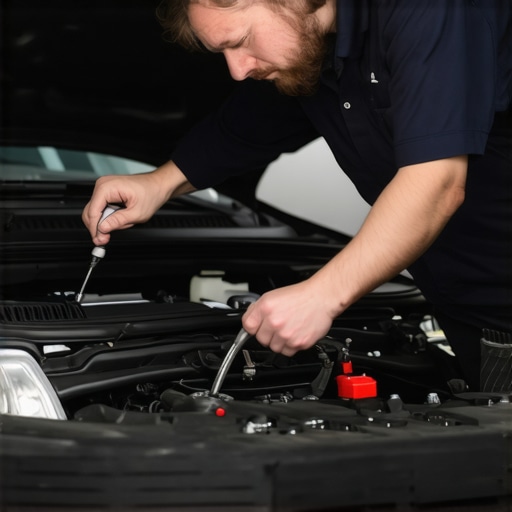
It was late afternoon, and I was just about to pick up my kids when I caught a whiff of something strange—that unmistakable, slightly sweet yet tangy smell of coolant. Panic set in because I knew enough to associate that scent with potential engine trouble, but I wasn’t sure where it was coming from. Went straight to my driveway, popped the hood, and stared at the engine like a detective in a mystery novel, hands trembling a bit. After some digging and a few false starts, I realized that identifying the source of a coolant smell isn’t just a matter of sniffing around—it’s about knowing what to look for and when to take action.
Nobody Wants to Remember the Last Time Their Car Smelled Off
That fleeting moment when you notice a strange smell can turn into a full-blown emergency if not handled properly. Coolant leaks, if left unchecked, can lead to overheating, engine damage, and costly repairs. But here’s the kicker: not every smell is an immediate sign that the engine is about to blow. Sometimes, it’s a minor leak, or even just residual fumes from a recent servicing. The key is to understand what this scent signifies and how to trace its source before it becomes a bigger problem.
Is the Coolant Smell Really Worth the Hassle?
Early on, I made the mistake of dismissing a faint coolant odor, thinking it was just a leftover from a recent top-up. That tiny oversight almost cost me a hefty repair. According to auto experts, ignoring coolant leaks can lead to engine overheating, which is a risk no car owner should take. Regularly checking your coolant system and understanding common leak points can save you a lot of trouble—and money. For more on maintaining your vehicle’s health, visit our comprehensive car maintenance checklist.
Now, let’s get into how you can identify where that suspicious smell is coming from—so you can keep your engine safe and your day on track. Ready to become a coolant detective? Keep reading!
Inspect the Coolant System Components
Start by examining the radiator, hoses, and clamps for visible leaks or cracks. Use a flashlight to check behind engine parts where leaks might hide. Look for wet spots, discoloration, or residue indicating coolant leakage. Recall a time I noticed a faint smell, and a detailed inspection revealed a tiny crack in a radiator hose that was easily replaced, preventing a costly engine overheating issue.
Check for Coolant Pooling or Residue
Look under your car for puddles or damp spots—coolant is often brightly colored (green, pink, or blue). If you see a pool or residue, trace it back to the leak point. Gently wipe surrounding areas with a cloth to see if the leak persists. Once, I found a small puddle under the engine, traced it to a loose hose clamp, tightened it, and avoided a potential breakdown.
Test for Pressure Loss
Use the engine’s pressure cap to check for pressure drops, indicating leaks. Carefully remove the radiator cap (when the engine is cool), and observe the coolant level. If it drops quickly or air bubbles form, there’s a leak. In my experience, a slow drop prompted me to seek a professional repair, which saved me from engine damage.
Listen and Smell for Clues
Start the engine and let it warm up. Listen for hissing sounds or bubbling, which can signal leaks. Smell around the engine bay—if the smell intensifies near a particular hose or component, that area likely leaks. I recall a day when I noticed the smell was strongest near the radiator, prompting a thorough inspection that uncovered a small hole in a hose.
Use a UV Dye for Hidden Leaks
If leaks aren’t obvious, use a UV dye compatible with your coolant. Add dye to the system, run the engine, then inspect components with a UV flashlight. Leaking dye glows under UV light. I helped a neighbor with this method—finding a tiny crack in the heater core that was invisible to the naked eye, saving him from future engine issues.
Monitor Engine Temperature and Performance
Keep an eye on gauges and warning lights. Overheating or steam can point to coolant loss. Regularly checking your dashboard helps catch issues early. In my case, noticing a sudden temperature spike after smelling coolant led me directly to the leak source.
Always remember, if you’re unsure or uncomfortable performing these checks, consulting a mechanic is wise. Regular inspections can prevent small leaks from turning into major engine repairs, saving you both time and money. For comprehensive maintenance tips, visit our car maintenance checklist.
Many car owners believe that following the manufacturer’s checklist suffices for optimal vehicle health. However, misconceptions about brake service, tune-ups, and general repairs are more prevalent than you might think. Contrary to popular belief, not all scheduled maintenance tasks are equally necessary at every interval, and some common practices can do more harm than good if not executed mindfully.
One widespread myth is that using generic or low-quality replacement parts is acceptable to save costs. In reality, as automotive experts emphasize, cheap components often wear out faster and can compromise safety and performance. For example, installing subpar brake pads might seem economical initially, but it can lead to uneven wear, brake fade, or even brake failure. To avoid such pitfalls, choosing OEM or high-quality aftermarket parts is crucial, and consulting with a trusted mechanic can ensure you’re making informed decisions. For an in-depth look at what actually influences brake longevity, visit our brake service myths article.
Another misconception involves the timing of tune-ups. Many owners think that scheduling a tune-up every 30,000 miles is a strict rule. However, modern vehicles equipped with advanced sensors and diagnostics often require less frequent maintenance, unless specific issues arise. Blindly adhering to outdated intervals can lead to unnecessary expenses, or worse, overlooking signs of trouble. For instance, irregular engine performance or decreased fuel efficiency could indicate the need for a targeted tune-up or repair, rather than a routine procedure. To stay ahead and optimize maintenance costs, review our tune-up strategies guide.
Many assume that auto repairs are only necessary when something visibly breaks or the check engine light illuminates. But this reactive mindset can cause preventable damage. Advanced diagnostics and regular inspections can identify lurking issues—like worn-out suspension components or failing sensors—before they escalate. This proactive approach not only saves money but also enhances safety.
### What Advanced Techniques Do Experts Use to Predict Failures?
With the advent of vehicle telematics and predictive analytics, mechanics today use sophisticated tools to anticipate problems before they manifest as breakdowns. Technologies such as OBD-II scanners and data trend analysis enable trusted shops to detect subtle irregularities. This forward-looking approach stands in sharp contrast to the outdated method of waiting for parts to fail. Staying informed about these advancements can empower you to push for comprehensive inspections during your next service appointment. For additional insights into upcoming industry trends, see our article on auto repair trends.
Beware the trap of assuming that all repairs are equal in urgency. Sometimes, seemingly minor components—like a slight wobble or a faint noise—may indicate a significant underlying issue. Ignoring these signs can lead to larger, costlier repairs down the line, such as transmission failure or engine damage. Regular diagnostics combined with expert advice are your best tools to maintain your vehicle in prime condition.
In summary, debunking these common myths and understanding the nuanced realities of auto maintenance allows you to make smarter decisions, save money, and ensure safety. Don’t let misconceptions hold you back from giving your vehicle the care it deserves. Have you ever fallen into this trap? Let me know in the comments.
Keeping Your Car in Top Shape with the Right Tools
Maintaining your vehicle’s performance over time requires more than just knowledge—having the right tools can make all the difference. As someone who’s tackled everything from brake pad replacements to engine tune-ups, I’ve found that investing in quality equipment not only streamlines repairs but also ensures safety and long-term durability. Today, I want to share the specific tools I personally rely on for consistent, effective auto maintenance.
Precision Torque Wrench for Proper Tightening
One of my top picks is a digital torque wrench. This tool is essential for tightening bolts to manufacturer specifications, especially when dealing with critical components like brake calipers or cylinder head bolts. I prefer models with a digital readout because they minimize human error and provide precise settings, vital for avoiding over-tightening that can damage parts or under-tightening that risks failures. Regularly calibrating your torque wrench, as recommended by experts, ensures continued accuracy over time.
Diagnostic Scanner for Early Problem Detection
I highly recommend a reliable OBD-II scanner compatible with your smartphone. In my experience, a Bluetooth-enabled scanner connected via apps like Torque Pro or OBDLink has saved me countless trips to the mechanic. It quickly reads trouble codes, helps interpret sensor data, and tracks emission-related issues. I stay ahead of auto problems by checking engine health periodically, especially after a tune-up or auto repair. As automotive diagnostic trends advance towards predictive analytics, investing in a good scanner positions you to catch issues early, potentially preventing costly breakdowns.
UV Leak Detector to Uncover Hidden Leaks
To identify elusive leaks, I swear by a UV dye injection kit. When I suspect a coolant or oil leak but can’t see anything obvious, adding dye, running the engine, and inspecting with a UV flashlight often reveals tiny cracks or hose malfunctions. This method is quick, non-invasive, and cost-effective—I’ve saved time and money by catching leaks before they escalate. For maintenance over time, incorporating UV dye testing into your routine checkups is a smart move, especially for those who prefer DIY diagnostics.
Impact Driver and Specialty Tools for Fast Repairs
An impact driver with a selection of sockets has been invaluable for loosening stubborn fasteners, such as rusted brake rotor bolts or stubborn suspension components. I prefer high-torque models with variable speed control, making tasks safer and more manageable. Additionally, having specialty tools like a brake caliper piston compressor or a bearing puller enhances your ability to handle complex repairs without relying solely on external shops.
Future of Automotive Maintenance Equipment
Looking ahead, I see a trend toward integrated diagnostic and maintenance systems, combining AI-driven insights with traditional tools. Advancements like wireless sensors and machine learning will likely further empower DIY enthusiasts and mechanics alike. Embracing these innovations now ensures you’re prepared for a future where car maintenance becomes more precise, efficient, and accessible.
How do I maintain tools over time?
Proper care is key to prolonging your investment. Regularly cleaning your tools after use, calibrating precision devices, and storing them in a dry, organized environment prevent corrosion and wear. For electronic scanners, keeping firmware updated ensures compatibility with newer vehicle models and features. As I’ve learned, investing a little time in maintenance pays off with reliable performance when you need it most. Remember, when in doubt about diagnostics or repairs, consulting a professional can provide valuable guidance. For tips on managing complex repairs, check out our troubleshooting guide. Try incorporating a UV leak detector into your toolbox—it’s a game changer for early detection of leaks, and you’ll thank yourself during your next maintenance routine.
Lessons That Changed My Approach to Car Maintenance
One of the biggest lightbulb moments I had was realizing that preventive measures trump reactive fixes every time. Waiting until a warning light appears or a component fails often results in costly repairs and unnecessary stress. I learned this the hard way when ignoring a faint coolant smell nearly caused engine overheating. Now, I schedule regular inspections and trust my instincts to catch issues early, saving money and extending my vehicle’s lifespan.
Another insight was understanding that not all parts are created equal. Cheap, off-brand components might seem tempting to cut costs, but they tend to wear out faster and can compromise safety. Switching to quality parts, like OEM or trusted aftermarket brands, has made a noticeable difference in performance and durability. This simple shift taught me that investing in good parts pays dividends over time.
Finally, I discovered that mastering certain diagnostic tools empowers me to address minor issues myself. Using a UV leak detector or a reliable OBD-II scanner, I can identify hidden leaks and sensor problems early. These tools have given me confidence and control, turning me into a proactive car owner instead of just a passenger in my own vehicle’s health.
Tools That Keep Me Ahead of Auto Surprises
Among the essential tools I rely on is a digital torque wrench, which ensures bolts are tightened to manufacturer specs—crucial for safety and longevity. I trust models with digital readouts because they minimize human error and are easy to calibrate, making every repair precise.
An OBD-II scanner compatible with my smartphone has become a game-changer. It provides real-time data, trouble codes, and system health reports, so I can address issues before they escalate. I find that regular diagnostics help me catch early warning signs, turning car maintenance into a proactive rather than reactive process.
For elusive leaks, a UV dye kit is indispensable. I add dye to the cooling system, run the engine, and inspect with a UV flashlight. That glow reveals even tiny leaks, saving me costly repairs and potential breakdowns. Combining this with a good UV leak detector has allowed me to tackle problems that would otherwise be hidden from plain sight.
Impact drivers and specialty hand tools have made challenging repairs more manageable. From loosening stubborn rusted bolts to replacing brake calipers, having the right gear means I can handle many tasks myself, saving time and money.
What I Wish I Knew When I Started
- Consistency Matters: Regular inspections and maintenance are less about waiting for trouble and more about prevention. Small leaks, worn belts, or low fluid levels are easier—and cheaper—to fix early on.
- Quality Parts Are Worth It: Cutting corners with cheap components often leads to higher costs later. Trusting reputable brands keeps your vehicle running smoothly longer.
- Diagnostics Can Be Your Friend: Learning to use diagnostic tools transforms maintenance from guesswork to certainty. It also gives you confidence during DIY repairs and when communicating with mechanics.
- Stay Curious and Informed: Automotive technology evolves fast. Staying updated through trusted resources helps you make smarter decisions and adapt to new repair techniques.
Next Steps and Trusted Resources for Your Car Journey
If you’re serious about extending your vehicle’s life, start with the basics: ensure your coolant levels are steady, and use quality parts during repairs. For detailed guidance, check out our tune-up tips to keep your engine in top shape.
Moreover, exploring advanced diagnostics can be empowering. Consider investing in an OBD-II scanner and learning how to interpret codes. For a comprehensive overview of upcoming industry innovations, visit auto repair trends for 2025.
Your Turn to Take Control
Car maintenance is no longer just a mechanic’s realm. With the right knowledge and tools, you can identify issues early, make smart decisions, and save money—all while ensuring your safety. Remember, every small step toward proactive care compounds into long-term vehicle health. What’s a maintenance step you’ve been hesitant to try but want to master? Share your experience below, and let’s learn together!