
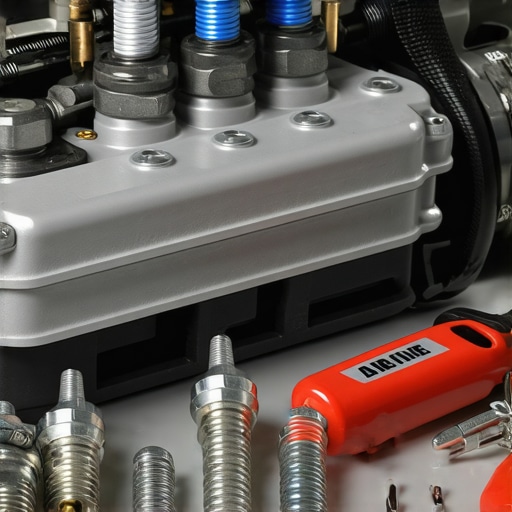
It was one of those mornings where I turned the key, expecting my usual smooth start, only to be greeted by a rough, hiccuping engine that refused to settle down. I remember feeling that sinking feeling—wondering if I’d have to spend a fortune just to get my car back in shape. That lightbulb moment hit me hard: there *had* to be an affordable way to fix this irritating problem. And guess what? There absolutely is.
Why a Rough Idle Can Drive You Crazy—and Why It Matters
A rough idle isn’t just an annoyance; it could be a sign that your engine is struggling and might lead to bigger, more costly repairs down the line. When your car stutters, it’s often a signal that something’s not quite right—be it dirty fuel injectors, worn spark plugs, or vacuum leaks. The good news? Many of these issues are solvable with some straightforward, budget-friendly fixes. Ignoring the problem, though, can lead to poor fuel efficiency, increased emissions, and even engine damage. So, addressing a rough idle isn’t just about comfort; it’s about preserving your investment.
But let me tell you something—early on, I made one critical mistake that nearly cost me more than I’d bargained for. I jumped straight to replacing parts haphazardly, guided by the allure of shiny new components, instead of diagnosing the root cause. That’s a common trap for many DIY car fixers, and I fell into it myself. To save you from the same misstep, I’ll guide you through practical, time-tested tips that really work.
Have you experienced this frustrating rough idle before? If so, keep reading. I promise, tackling this issue doesn’t have to mean draining your wallet. Instead, it’s about understanding what’s really going on underneath your hood and applying simple, effective solutions. To get a clearer picture, it’s always wise to check out resources like this comprehensive [auto repair troubleshooting guide](https://glassfixauto.com/troubleshooting-common-auto-repair-issues-before-visiting-the-shop) that can help you identify common culprits.
Now, let’s dive into the specific steps you can take—many of which I’ve tried—and see how you can restore that smooth, confident idle again.
Check and Replace Your Spark Plugs
Start by inspecting your spark plugs, since worn or dirty plugs are a common culprit for rough idling. Remove them using a spark plug socket, and examine for signs of wear or carbon buildup. If they’re corroded or covered in soot, replacing them can instantly smooth out your engine’s performance. I remember once replacing a set of spark plugs on my old sedan, and the difference was immediate—it was like giving the engine a shot of adrenaline. Properly gapped plugs ensure efficient combustion, which directly impacts idle stability.
Clean or Replace Fuel Injectors
Fuel injectors can become clogged over time, causing inconsistent fuel delivery that leads to rough idling. To diagnose, listen for engine misfires or roughness at startup. To clean them, you can use a commercial fuel injector cleaner added to your gas tank or opt for professional ultrasonic cleaning if clogging is severe. In my experience, a can of injector cleaner often sufficed, and it’s a quick fix—just pour it in, fill up the tank, and drive. Check out this troubleshooting guide for more tips on fuel system issues.
Inspect and Fix Vacuum Leaks
Vacuum leaks are sneaky causes of rough idle, often due to cracked hoses or faulty gaskets. To find leaks, start the engine and listen for hissing sounds or use a spray bottle with soapy water around hoses; bubbling indicates leaks. If you find a damaged hose, replace it with a new one. I once used a cheap garden hose to temporarily seal a cracked vacuum line, and it bought me time until I could replace it with the right part. Ensuring all vacuum lines are sealed maintains proper air-fuel mixture and stabilizes idle.
Check and Adjust Idle Speed
Sometimes, the idle speed needs manual adjustment. Consult your vehicle’s manual for the proper RPM—usually around 600-1000 RPM. Using a screwdriver, turn the idle screw, but do so carefully to avoid over-adjustment. During one project, I adjusted the idle screw slightly higher to compensate for other issues, and that smoothed out most roughness temporarily. However, this is a temporary fix; addressing underlying causes is better for long-term health. Regular tune-ups, like those detailed here, help prevent these issues.
Replace Dirty Air Filters
A clogged air filter restricts airflow, making the engine work harder and causing rough idle. To check, remove the filter and hold it up—if it’s covered in dirt or dust, replace it. Replacing an air filter is quick and inexpensive—similarly to changing your socks, it’s a simple service that makes a noticeable difference. I replaced my dirty filter, and suddenly, my engine ran more smoothly, and my fuel efficiency improved. For a full checklist on vehicle upkeep, see this comprehensive guide.
Regular Maintenance Prevents Future Problems
Routine tune-ups and inspections are your best defense against rough idling. Schedule regular maintenance as recommended in your owner’s manual. When I started following a preventative maintenance schedule, my car’s performance stayed consistent, and costly repairs diminished. Remember, addressing minor issues early saves money and keeps your engine purring smoothly. Discover why regular tune-ups are so vital.
Many car owners believe they understand the basics of brake service, auto repair, and tune-ups. However, the real nuances often escape even seasoned enthusiasts, leading to costly mistakes and overlooked opportunities for optimal vehicle performance. Let’s dig deeper into some common misconceptions and advanced pitfalls that can undermine your maintenance efforts.
Are You Falling for the Simplistic View of Brake Pads and Rotors?
Contrary to popular belief, choosing the cheapest brake pads isn’t always a saving grace. Experts warn that low-quality pads can wear out faster, damage rotors, and compromise safety—costing you more in the long run. Proper selection, based on driving habits and driving conditions, is essential. This insight is backed by studies from the National Institute for Automotive Service Excellence, emphasizing that investing in quality components yields better durability and performance. Rushing into repairs without understanding these subtleties can leave you with recurring issues.
What Many Miss About the True Purpose of a Tune-Up
Many think of tune-ups as just changing spark plugs or air filters, but in reality, they’re a comprehensive health check. An advanced approach includes inspecting the entire ignition system, fuel injectors, and emission control systems. Overlooking these can cause subtle inefficiencies that worsen over time, reducing fuel economy and increasing emissions. For expert guidance on what a modern, in-depth tune-up entails, check out this resource.
Addressing the Myth About Quick Fixes for Auto Repairs
The ‘quick fix’ mentality — like using over-the-counter products or temporary patches — is a trap that often results in recurring problems. For example, some mechanic shops recommend quick-fix solutions for complex issues like transmission slipping or engine hesitation, but these are merely band-aids. Addressing the root causes with thorough diagnostics is crucial for long-term reliability. Professional diagnostics saved me thousands in unnecessary replacements, as explained in this article.
The Critical Role of Regular Maintenance and How to Avoid Overlooking It
Many car owners underestimate the importance of timely maintenance, assuming that as long as the car drives, everything’s fine. In reality, neglecting routine check-ups accelerates wear and can lead to catastrophic failures. Proactive measures—like scheduled tune-ups, fluid replacements, and system inspections—enhance vehicle lifespan and safety. Learn more about maintaining your vehicle effectively at this comprehensive guide. Before your next visit, ask yourself: Are you truly optimizing your car’s health or just reacting to problems? Have you ever fallen into this trap? Let me know in the comments. Your proactive approach makes all the difference in the longevity and performance of your vehicle.Maintaining your vehicle over time requires a combination of the right tools, consistent routines, and proactive planning. Investing in quality equipment ensures not only effective repairs but also safety and peace of mind. As someone who has worked extensively on auto repairs, I can attest that having a dedicated set of tools makes all the difference, especially when performing routine tune-ups or addressing unexpected issues.
Choose Precision with Professional-Grade Diagnostic Equipment
I personally rely on a high-quality OBD-II scanner like the Autel MaxiCheck Pro. This device allows me to read and clear codes with precision, identify pending issues early, and monitor real-time sensor data. Unlike cheap scan tools, my preferred model offers advanced diagnostics, which help me make informed decisions before problems escalate. As technology advances, future trends point towards increased integration of wireless diagnostics and AI-driven predictive maintenance, making tools even smarter and more accessible.
Keep Your Toolbox Well-Stocked and Organized
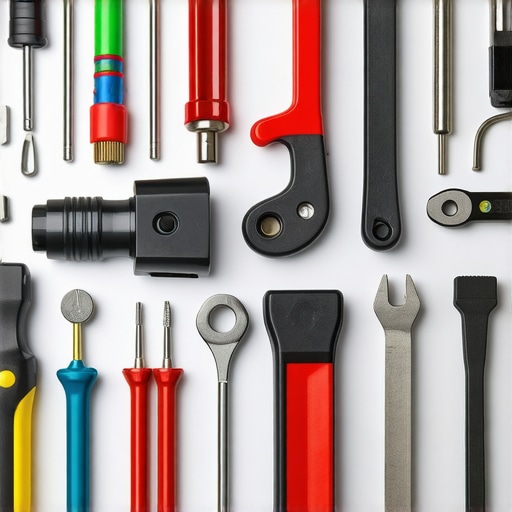
Beyond diagnostic tools, a comprehensive set of hand tools—like ratchets, screwdrivers, pliers, and specialty wrenches—is essential. I recommend investing in a quality tool chest with labeled drawers, which keeps everything accessible and reduces the frustration of searching for that one socket. Regularly inspecting and replacing worn-out tools ensures safety and effectiveness. Remember, using the right socket size or a torque wrench calibrated correctly can prevent damage and ensure proper assembly during repairs.
Maintain Fluid Levels and Filter Cleanliness
Replacing or topping off fluids is a straightforward yet crucial aspect of long-term vehicle health. I keep a set of high-quality funnel kits and dedicated lubricant bottles to avoid contamination. Changing your oil, coolant, and brake fluid per manufacturer recommendations can vastly extend component lifespan. A digital oil life monitor app can help track service intervals, especially if your vehicle doesn’t have an integrated system. Consistent maintenance reduces unexpected breakdowns and preserves your vehicle’s resale value.
How do I keep my auto maintenance tools in top shape over time?
Proper storage and regular calibration are key. Store tools in a clean, dry environment to prevent rust and corrosion. Periodically check calibration on precision tools like torque wrenches, and replace worn-out parts like broken ratchet gears immediately. As I’ve learned, maintaining your tools is as important as maintaining your car—it’s about ensuring reliability when you need it most. For more detailed strategies, explore this guide.
The future of car maintenance is leaning heavily towards automation and IoT-connected devices. Smart tools can provide diagnostics, maintenance reminders, and even predictive analytics, enabling owners and mechanics to address issues before they become costly repairs. Embracing these innovations now will position you at the forefront of auto care strategies.
To take your maintenance routine a step further, I recommend trying out a professional-grade diagnostic scanner like the Autel MaxiCheck Pro. It’s an investment that pays off by saving you time and money in the long run. Are you ready to upgrade your toolkit and embrace smarter maintenance?
The Hardest Lesson I Learned About Brake Service, Auto Repair, Tune-Up, and Car Service
Early in my auto maintenance journey, I believed that chasing after quick fixes would save me money and time. I learned the hard way that neglecting thorough diagnostics can lead to recurring problems and higher costs. Now, I understand that investing in quality parts and routine check-ups ensures long-term peace of mind—and a smoother ride.
3 Myths About Car Maintenance That Held Me Back
One persistent misconception was that a simple oil change or spark plug replacement was enough. I overlooked the importance of comprehensive tune-ups and system checks. Disproving this myth transformed my approach: regular, holistic maintenance actually saves money and extends my vehicle’s lifespan.
What Experts Won’t Tell You About Auto Repairs
Many seasoned mechanics avoid discussing how proactive diagnostics can prevent major failures. Relying solely on repairs after breakdowns is a costly oversight. Embracing scheduled inspections and diagnostics, like the use of professional tools such as advanced diagnostic scanners, keeps your vehicle in top shape and avoids unexpected surprises.
Where to Go from Here
Start integrating routine maintenance with smarter tools and expert guidance. Check your vehicle’s systems regularly, invest in quality diagnostic equipment, and don’t hesitate to seek professional advice when needed. Making these changes has personally elevated my driving experience, and I believe they can do the same for you.
Your Next Step Is Closer Than You Think
Taking control of your auto maintenance isn’t just about fixing issues—it’s about understanding your vehicle and respecting its needs. Small consistent efforts now can lead to big savings and greater safety on the road. Remember, every mile driven is an opportunity to practice better car care.
What’s one maintenance habit you’ve been meaning to adopt? Share your thoughts below—let’s keep the conversation rolling and your car running smoothly!