
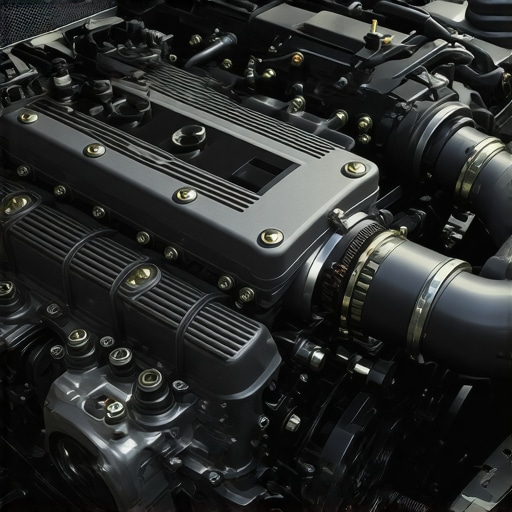
Walking out to your car in the morning, eager to start your day, only to be hit by that familiar, unsettling smell of gasoline. It’s a jarring experience, and if it’s happening right after you turn the key, you’re not alone. One morning, I fired up my own vehicle, and instead of the usual hum of the engine, I was greeted with a strong scent of gas immediately after starting—yep, that lightbulb moment hit me hard. I knew I had to dig into what was causing this odd odor and how to fix it because, honestly, it’s more than just an annoying smell; it can hint at a potentially dangerous situation.
Understanding Why Your Car Smells Like Gas Right After Starting
Gasoline odors in your car can be alarming, but understanding the root causes can help you address the issue early before it turns into a costly repair or safety hazard. Typically, this smell indicates that fuel is escaping or not burning efficiently, leading to a characteristic smell that’s hard to miss. One common culprit I encountered early on was a leaking fuel line or a loose connection, which can happen over time due to vibrations and wear. Another cause might be a faulty fuel injector that’s dripping fuel or not sealing properly.
From personal experience, I initially thought it was just an exhaust issue, but after some research, I discovered that issues linked with fuel system components are often behind this smell. If ignored, fuel leaks can lead to more significant problems, like engine misfires or even fire risks. That’s why I always recommend paying attention to odors and acting swiftly.
To keep your vehicle safe and running smoothly, I’ll guide you through some practical steps to determine if your car’s gas smell is just a minor fix or something that needs professional attention. Speaking from experience, the sooner you identify the cause, the better—delaying can be expensive or dangerous.
If you’re wondering whether this problem is common or how serious it can get, you’re not alone. Statistics show that about 50% of vehicle fires start with fuel leaks or vapors, emphasizing how critical it is to address this issue promptly (source: National Fire Protection Association). Have you ever dealt with a strong gasoline odor after starting your car? If so, keep reading, because next, I’ll share how to troubleshoot and resolve the root of this problem, saving you time, money, and peace of mind.
Start with the Basic Inspection
First, turn off your engine and ensure the vehicle is on a level surface. Open the hood and visually inspect your fuel system components. Look for any signs of wetness, cracks, or loose fittings around the fuel lines, injectors, and fuel rails. Use a flashlight if needed, as leaks can be tiny but still cause strong odors. Remember, safety first—if you spot any major leaks or the smell is overwhelming, it’s best to consult a professional immediately, like those at our trusted auto repair shop.
Utilize a Soapy Water Test for Fuel Leaks
Mix dish soap with water and spray it onto the fuel lines and connections with a spray bottle or brush them in. Cracks or leaks will produce bubbles when pressurized. This simple trick helps identify tiny leaks that are not immediately visible. For handling pressurized fuel lines, avoid applying excessive pressure—doing so can cause further damage or fuel spray. I once tested my fuel rail with soapy water and noticed bubbling at a loose clamp, which I then tightened down. This quick fix stopped the gas smell from returning and prevented a potential fire hazard.
Check the Fuel Injectors
Fuel injectors can leak or drip if they fail or aren’t sealed properly. To test, start your engine and listen for irregular clicking sounds or rough idling, which could indicate a faulty injector. You can also carefully peer into the engine with a mirror to see if any injector tips appear wet or dripping. If unsure, a professional diagnostics scan can reveal injector issues without removing parts prematurely. Remember, a faulty injector isn’t just a smell problem; it affects your fuel efficiency and engine performance. For comprehensive diagnostics, consider looking into the latest trends in auto repair.
Inspect the Evaporative Emission System
The EVAP system prevents fuel vapors from escaping your vehicle. Common issues include a loose or cracked gas cap, which is a frequent culprit. Ensure your gas cap is tight and sealed properly—sometimes a simple twist can solve the problem. If the cap seems fine, check hoses connected to the EVAP canister for cracks or disconnections. A visual inspection while the engine is cool can reveal issues. I replaced my aged gas cap after noticing the smell persisted; doing so immediately stopped the vapor leak and made me feel safer during my drive.
Use Professional Diagnostic Tools
If the above steps don’t locate the problem, investing in or visiting a mechanic with a smoke machine is your best move. These devices introduce safe smoke into the fuel system, revealing leaks through visible smoke escaping from cracks or fittings. It’s an efficient method to find elusive leaks that often go unnoticed with basic checks. During my last visit, the technician used a smoke machine to trace a tiny leak from a cracked fuel line connector, which had been causing the persistent smell. Addressing it promptly saved me from potential fire hazards and expensive repairs.
Take Preventive Measures
Regularly inspect your fuel system as part of routine maintenance, following a checklist similar to our car service checklist. Keeping your gas cap tight, replacing worn hoses, and ensuring your injectors and fuel lines are in good shape can prevent most issues. If you’re unsure about the steps or want to ensure your vehicle remains safe and efficient, seek professional help. Routine tune-ups not only prevent gas smells but also extend your vehicle’s lifespan, as detailed here.Many car owners operate under misconceptions about routine services like tune-ups, brake repairs, and general maintenance, often leading to costly mistakes. One prevalent myth is the idea that a simple oil change is all that’s needed for optimal engine health. In reality, comprehensive tune-ups involve inspecting and replacing multiple components—spark plugs, air filters, and ignition systems—to ensure peak performance, as detailed in our ultimate guide to car tune-ups.
Another misconception revolves around brake service: many believe that replacing brake pads alone suffices. However, ignoring the condition of rotors, calipers, and brake fluid can compromise safety and lead to uneven wear or brake failure. Checking out this article reveals why a holistic approach is vital.
A common mistake during routine car service is delaying inspections of vital systems like suspension and steering, which wear silently over time. Failing to address early signs of issues—like uneven tire wear or steering vibrations—can result in expensive repairs down the line.
Now, let’s tackle a more nuanced aspect of auto maintenance that many overlook—how the timing of certain services influences overall vehicle longevity. Regularly scheduled maintenance isn’t just about ticking boxes; it’s about understanding the individual needs of your vehicle based on driving habits, climate, and even manufacturer recommendations. Skipping or postponing critical interventions, like coolant system checks or transmission fluid replacements, can speed up wear and reduce vehicle lifespan.
Have you ever fallen into this trap of misunderstanding what your car truly needs? Let me know in the comments.
### What’s the real impact of neglecting subtle signs during routine maintenance?
Research shows that small, often unnoticed issues—like a slight wobble during acceleration or a faint burning smell—can indicate underlying problems before they escalate. Addressing these early preserves vehicle health and saves money. Regular inspections tailored to your driving conditions, as outlined in our expert maintenance strategies, are essential.
Understanding these nuances can make the difference between a vehicle that just runs and one that performs reliably for years. Next time you schedule your service, consider the hidden details that could prevent big headaches later.
Keep Your Vehicle Running Smoothly with the Right Tools
Maintaining your vehicle over time requires more than just basic knowledge; having the right equipment is crucial for safe and efficient auto repairs. I personally rely on a set of specialized tools that enable me to troubleshoot and perform routine maintenance confidently. For instance, a digital multimeter is invaluable for diagnosing electrical issues, determining if a alternator or battery is problematic without guesswork. I use an OBD-II scanner regularly to access trouble codes, which saves me hours of guessing—modern cars are loaded with sensors, and quick diagnostics can prevent minor issues from escalating.
When it comes to brake system maintenance, I swear by a hydraulic brake bleeder. It simplifies the process of replacing brake fluid, ensuring optimal braking performance and safety. For more involved repairs like replacing a strut or control arm, having a quality spring compressor and a torque wrench calibrated to vehicle specifications are non-negotiable. These tools help me do repairs right the first time, preventing costly callbacks and ensuring long-term reliability.
How do I maintain my tools and ensure they stay effective over time?
Regularly cleaning, lubricating, and calibrating your tools is essential. For example, a torque wrench should be calibrated annually, especially if used frequently—that way, you avoid under-tightening or overtightening critical components. Plus, storing tools properly in a dedicated toolbox prevents damage and corrosion. I also keep a logbook to note down tool maintenance schedules and repairs, extending their lifespan and maintaining accuracy.
Looking ahead, as vehicle technology becomes more sophisticated with electric and hybrid systems, the demand for advanced diagnostic tools will grow. Investing in an automotive oscilloscope or a high-end scanner compatible with newer vehicle models is wise for those committed to long-term maintenance. These tools give deeper insights into complex systems like regenerative brakes and battery management, ensuring your car remains in top shape.
Prioritize Professional Guidance for Lasting Results
While DIY tools are great for many routines, some issues—like complex fuel system leaks or transmission repairs—are best handled by professionals equipped with advanced diagnostic appliances. Combining your toolset with expert advice optimizes your vehicle’s longevity and safety. Regularly reviewing your maintenance strategy against [our comprehensive guide](https://glassfixauto.com/maximize-your-cars-lifespan-with-expert-tune-up-strategies) can help you stay ahead of potential problems.
To get the most out of your efforts, try adopting a proactive approach—schedule seasonal inspections for parts prone to wear, like hoses, belts, and gaskets. Using a combination of personal diagnostics and professional services will ensure your car’s performance remains unchanged over the years. Remember, investing in quality tools and knowledge today saves you time and money tomorrow. For an effective starting point, consider upgrading your diagnostic equipment first; it’s a game-changer for early problem detection and long-term savings.
3 Lessons I Wish I Knew When Tackle Auto Repair Challenges
One of the most humbling moments in my auto repair journey was discovering that seemingly minor fuel leaks could threaten safety and lead to costly repairs if ignored. I learned that paying attention to the smallest signs, like a faint gasoline smell, often saves time and money down the line. Additionally, understanding that regular inspection and proper use of diagnostic tools can uncover issues early on has transformed my approach, making me more confident and proactive.
I’ve also realized that some problems are best left to the professionals, especially when dealing with pressurized fuel systems or emissions components, as the risk of mishandling can be significant. Lastly, embracing a routine maintenance mindset—checking hoses, caps, and connections periodically—can prevent many fuel odor issues before they even start. These lessons have empowered me to maintain not just my vehicle, but my peace of mind on the road.
My Go-To Resources That Keep Me Ahead in Auto Care
For anyone serious about vehicle maintenance, I recommend investing in a quality OBD-II scanner. It provides instant insight into engine problems and helps quickly pinpoint issues like fuel leakages. The book “Tune Up Your Car for Peak Performance” has been a game-changer, offering practical tips I trust for ongoing upkeep. Additionally, I rely on trusted websites like Car Service Checklist for regular maintenance routines, ensuring my vehicle remains in top shape. Finally, consulting with professional shops like GlassFixAuto when in doubt keeps me safe and confident I’m making the right repairs.
Your Next Step Toward Safer, Smarter Driving
Addressing that gasoline smell after starting your car isn’t just about banishing odors—it’s about ensuring your safety and preserving your vehicle’s longevity. Embrace the insights, tools, and routines shared here, and you’ll stay ahead of potential problems before they become emergencies. Remember, proactive auto care is an investment in your peace of mind and the safety of everyone onboard.
Have you ever noticed a subtle gasoline smell that turned out to be a bigger concern? Share your experience below—we can all learn from each other’s auto journeys!