
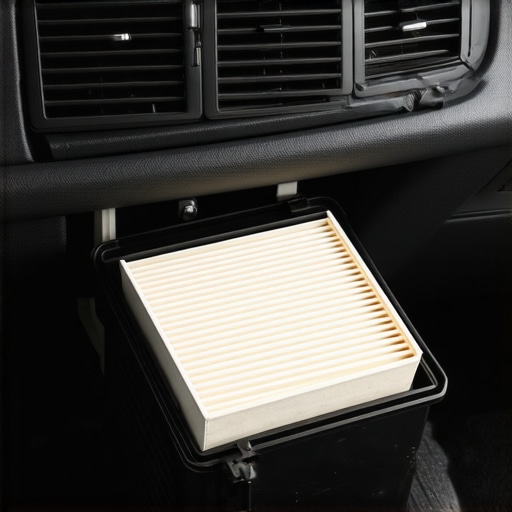
Have you ever been driving on a warm summer day, only to notice a strange musty smell or a sudden drop in air quality inside your vehicle? That sinking feeling when your car’s A/C suddenly seems ineffectual or the air feels stale can be really frustrating. I remember the first time I experienced this—thinking it was just a minor issue, only to realize later that a simple overlooked maintenance step was the culprit. It turned out that my cabin filter had been neglected during my routine service, and that tiny filter was the invisible barrier between fresh air and a musty, polluted cabin environment.
Why I Almost Missed the Cabin Filter, and Why You Shouldn’t
Are Cabin Filters Really Important?
Initially, I thought replacing the cabin filter was just a manufacturer’s gimmick or optional maintenance. How crucial could it be? Well, I made a costly mistake early in my car maintenance journey—ignoring that small, dusty filter lurking behind the glove box. It wasn’t until I suffered from a persistent allergy-like sensation and noticed how the air conditioning was blowing less effectively that I realized what I’d missed. Regularly checking and replacing your cabin filter can significantly improve indoor air quality, prevent musty odors, and even extend the life of your HVAC system.
According to experts, a clogged cabin filter can reduce airflow by up to 70%, making your AC work harder and increasing fuel consumption. A clean filter ensures that the air flowing into your vehicle is fresh and free of pollen, dust, and other allergens—something especially important for drivers with sensitivities. This small step is often overlooked during standard services, but it can be a quick fix that saves you money and discomfort in the long run.
What We’ll Cover Today
In this post, I’ll guide you through the signs indicating it’s time to check your cabin filter, how to inspect it yourself, and when to consider a replacement. If you’ve ever wondered, “Is my car service really comprehensive?” you’re not alone. Many car owners assume that a regular oil change or tire rotation covers everything—yet forget about adding cabin filter checks into their routine. By the end of this, you’ll know exactly what to look for and how to keep your air clean and your vehicle running smoothly.
Before we dive into the step-by-step process, think about this: Have you recently noticed a decline in air quality inside your car, or perhaps a strange smell after your last service? If so, it’s time to give your cabin filter some attention—trust me, you’ll thank yourself later. Ready to learn how to avoid being that driver who overlooks this vital maintenance step? Let’s get started!
Locate the Cabin Filter First
Start by consulting your vehicle’s manual or searching online for your car model’s cabin filter location. In most cars, it’s behind the glove box or under the dashboard. I once tackled this on my old sedan, which required removing the glove box to access the filter slot — a messy job that involved lots of stubborn clips but taught me a lot about my car’s interior design. Gathering your tools—screwdrivers or a trim removal tool—is essential to prevent damaging parts during removal.
Remove the Old Filter Properly
Once you’ve accessed the filter compartment, carefully slide out the used filter. Take note of the filter’s orientation—most filters have arrows indicating airflow direction. Be prepared for accumulated dust and debris; wearing gloves and a mask is a good idea to avoid inhaling allergens. If the filter is clogged or overly dusty, it’s a clear sign you need a replacement to restore proper airflow and air quality inside your vehicle.
Inspect and Clean the Filter Casing
Before inserting the new filter, inspect the housing for debris or mold. Use a damp cloth or compressed air to clean out any dust or dirt. Think of this step like cleaning out the air ducts in your house—imperative for quality air and system efficiency. Neglecting this can cause the new filter to clog quickly or lead to lingering odors, defeating the purpose of replacement. Keep in mind the importance of proper sealing; any gaps can allow unfiltered air to bypass the filter, so ensure everything fits tightly.
Install the New Filter
Insert the new filter, making sure the airflow arrows face the correct direction as per your manual or the previous filter’s positioning. Don’t force it—if it doesn’t slide in smoothly, check for proper alignment. This is like fitting a puzzle piece; if mismatched, airflow won’t be optimal. After reinstalling the cover or glove box, double-check all clips and screws to ensure everything is secure. This simple step can prevent rattles or rattling noises later, keeping your cabin quiet and comfortable.
Test the System for Proper Function
Now, turn on your vehicle’s AC system. Feel for consistent airflow with no strange smells or noises. If airflow feels weak or you notice odors, recheck the filter’s placement or inspect for leaks in the ductwork. Remember, a clean cabin filter will significantly improve air quality and HVAC performance. In my experience, taking the time to do this right saved me from frequent filter replacements and helped maintain a fresher cabin environment.
When it comes to auto maintenance, many drivers tend to focus only on the obvious tasks like oil changes or tire rotations, often ignoring the nuances that distinguish a good repair from a costly mistake. A common misconception is that brake service is just about replacing pads, but in reality, the situation is more complex. For instance, improper brake pad installation can lead to uneven wear and warped rotors, which if unnoticed, can escalate into expensive repairs. According to automotive experts, neglecting the full brake system can cause issues like brake fluid contamination or caliper sticking, which compromises safety and performance.
A hidden pitfall many fall into involves assuming that a quick tune-up addresses all engine-related concerns. While a tune-up is essential, focusing solely on spark plugs and filters without addressing the fuel injectors or sensors can leave your vehicle vulnerable to misfires and reduced efficiency. Learn how a comprehensive tune-up can improve your vehicle’s lifespan.
Advanced car owners might wonder: What are the subtle signs that my vehicle needs an immediate professional diagnostic rather than just routine maintenance? One clue is intermittent performance issues that seem unrelated to usual wear, which may hint at electronic or sensor malfunctions—issues often overlooked by amateurs. For example, a failing mass airflow sensor can cause poor fuel economy and sluggish acceleration, yet many drivers mistaken believe it’s just a minor glitch. Studies show that up to 40% of vehicle diagnostics are misdiagnosed due to neglecting these nuances, leading to unnecessary part replacements. Master troubleshooting before visiting the repair shop.
Be cautious of common myths like the idea that brake pads last forever or that all auto repairs are equally important. Overlooking critical components or misjudging repair priorities can cause more harm than good. Ensuring your mechanic checks the entire brake system—including fluid levels, rotor condition, and caliper function—is vital. You can learn more about brake system repairs and avoid being misled by misconceptions by visiting this comprehensive guide.
Remember, regular maintenance is about understanding your vehicle’s hidden needs, not just ticking boxes. By recognizing the subtle signs and avoiding common myths, you extend your car’s life and safeguard your safety. Have you ever fallen into this trap? Let me know in the comments.
Invest in Quality Diagnostic Equipment
Personally, I rely on a professional-grade OBD-II scanner like the BlueDriver Bluetooth Professional Scanner, which connects seamlessly to my smartphone. It provides real-time data and can read and clear engine codes, helping me catch potential issues early before they escalate. Modern scanners with advanced features can diagnose ABS, airbags, and transmission systems, providing comprehensive insights that save time and money on unanticipated repairs.
Embrace Preventive Maintenance Software
I recommend using maintenance scheduling apps such as MyCarfax or AUTOsist, which keep track of service intervals, oil changes, and part replacements. These tools help me stay ahead of wear and tear, especially for critical components like brakes and belts. Automated reminders ensure that I schedule upkeep proactively—crucial for avoiding breakdowns and extending vehicle lifespan.
Prioritize Regular Inspection Routines
Beyond digital tools, a meticulous visual inspection regularly has saved me from expensive repair surprises. Checking for loose connections, cracked hoses, or signs of corrosion around the battery and wiring allows early intervention. Combining these inspections with a comprehensive car service checklists seen on this resource guarantees thorough maintenance, aligning with manufacturer recommendations.
Optimize for Longevity with Tuned Performance
Consistency is key—I schedule professional tune-ups at intervals recommended in this guide. A well-maintained engine runs more efficiently and experiences fewer breakdowns. For instance, replacing spark plugs and air filters at proper intervals can boost fuel economy and reduce emissions, which benefits both your wallet and the environment.
Looking Ahead: Maintenance Trends to Watch
Advancements in diagnostic software and the integration of AI diagnostics indicate a trend toward more predictive maintenance, allowing vehicles to self-report issues before symptoms emerge. Staying current with these emerging tools will ensure your Maintenance Strategy remains effective. According to auto repair trends for 2025, embracing technology will be essential for longer vehicle lifespan and reduced repair costs.
Achieving Long-Term Reliability
How do I maintain my vehicle over time? The answer lies in a combination of reliable tools, consistent inspections, and embracing the latest diagnostic technology. Regularly scheduled tune-ups, using advanced diagnostic apps, and proactive inspections form a comprehensive strategy that minimizes unexpected failures and maximizes performance. For a deeper dive into optimizing your car’s lifespan, explore this detailed guide.
Remember, investing in the right tools isn’t just about fixing problems as they happen—it’s about preventing them in the first place. Try integrating a professional-grade scan tool into your routine, and observe how the early detection capabilities enhance your maintenance game. Regularly revisiting your diagnostic protocols will keep your vehicle dependable for miles to come, much like the thorough approaches recommended by experts at this trusted resource.
Lessons That Changed My Approach to Car Care
One of the most surprising realizations I’ve had is how often I overlooked the significance of small, seemingly insignificant maintenance tasks. For example, neglecting to replace my cabin filter led to poor air quality and higher energy consumption, which I only understood after experiencing discomfort and inefficiency firsthand. This taught me the importance of proactive checks rather than waiting for symptoms to worsen.
A hard-earned lesson was understanding that a proper inspection isn’t just about replacing parts but about diagnosing underlying issues. I once assumed that a quick brake pad replacement was all I needed until I learned that sticking calipers or contaminated brake fluid could cause more severe problems down the line. Insights from trusted resources helped me realize that comprehensive testing saves money and enhances safety.
Another lightbulb moment was leveraging advanced diagnostic tools. Using a quality OBD-II scanner revealed hidden faults that I couldn’t detect through visual inspections alone. This technology is a game-changer for anyone serious about maintaining vehicle reliability, reinforcing that investing in proper tools elevates your auto care routine from reactive to preventive.
Lastly, I discovered that consistency beats quick fixes. Regularly scheduled tune-ups, based on manufacturer recommendations, keep the engine running efficiently and prevent unexpected failures. It’s a reminder that discipline in maintenance practices is key to vehicle longevity and safety.
Tools and Guides That Have Shaped My Maintenance Strategy
- BlueDriver Bluetooth Professional Scanner: Trusted for its comprehensive diagnostics and user-friendly interface, this tool has helped me catch problems early. Its real-time data and ability to clear codes give peace of mind without needing frequent trips to the mechanic.
- MyCarfax and AUTOsist Apps: These apps keep my maintenance schedule organized, send reminders for oil changes and inspections, and track service history—making it easier to follow manufacturer guidelines and avoid forgetting crucial tasks.
- Car Service Checklist: I rely on detailed checklists like the one provided by specialists to verify every aspect of my vehicle’s health. Adhering to these checklists helps ensure no component gets neglected.
- Expert Articles from GlassFix Auto: Trusted for their clear explanations and practical tips on auto repairs and maintenance, these resources help me make informed decisions. Their guides on tune-ups and brake system repairs have been particularly valuable.
Step Into the Future of Auto Maintenance
Taking charge of your vehicle’s health doesn’t have to be overwhelming. The landscape is shifting toward smarter, more predictive maintenance with AI-driven diagnostics and connected tools. Embracing these innovations can extend your car’s lifespan and reduce unexpected breakdowns. Remember, the goal isn’t just fixing problems — it’s preventing them from happening in the first place.
Start small by integrating a reliable diagnostic scanner into your routine and scheduling regular inspections. With patience and the right resources, you’ll develop a peace of mind that comes from knowing your vehicle is operating at its best. Keep learning, stay curious, and your car will reward you with years of dependable service.
What Unexpected Insights Have You Gained From Maintaining Your Vehicle?
Have you ever discovered a hidden issue or learned an unexpected benefit from regular auto care? Share your experience below—your story might inspire someone to take that first proactive step in their vehicle maintenance journey.