
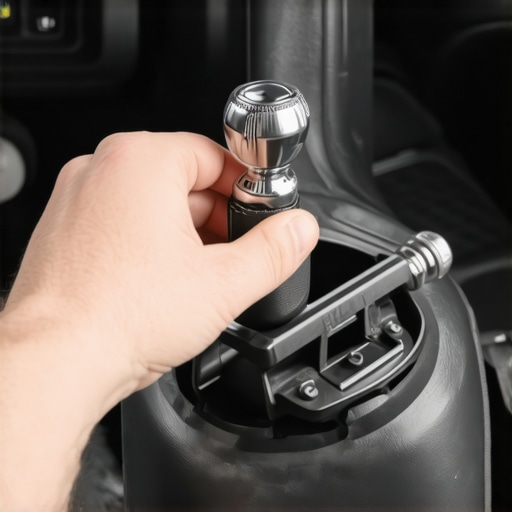
I remember the day like it was yesterday. I was cruising down the highway, feeling pretty confident about my trusted ride, when suddenly—bam!—my transmission decided to act up. Instead of smooth gear shifts, I felt a jarring jerk, and I couldn’t help but wonder, “Why is my car suddenly shifting early or late?” That moment of frustration turned into a lightbulb realization: transmission quirks aren’t just annoying—they can signal bigger issues if ignored.
Why Does Your Transmission Shift Early or Late Regularly?
Many car owners, including myself early on, don’t realize how complex their transmission systems are or how sensitive they can be to small issues. The shifting pattern of your transmission isn’t random; it’s a finely tuned process controlled by sensors, fluid levels, and computer commands. When any component falters—be it low transmission fluid, a faulty sensor, or internal wear—the shifts can come too soon or too late, disrupting your vehicle’s performance and potentially leading to costly repairs.
Regularly experiencing unexpected shifts can also hint at underlying problems. For instance, neglecting routine tune-ups or ignoring minor fluid leaks can cause your transmission to behave unpredictably. To keep your vehicle running smoothly and extend its lifespan, understanding and addressing these shifts early is crucial.
If you’re like I was, unsure whether your transmission issues are minor or move towards serious problems, don’t worry. I’ll guide you through the common causes and practical fixes. Before we get into that, a quick confession: I once tried to ignore a slipping gear because I thought it was just a temporary glitch. That was a mistake that cost me more down the road. Learning from my misstep, I now pay close attention to how my car shifts, and I encourage you to do the same.
And trust me, catching these issues early isn’t just about avoiding inconvenience—it’s about safety and saving money. Did you know that according to automotive experts, early diagnosis of transmission problems can save hundreds, even thousands, in future repairs? So, if you’ve noticed your shifts aren’t quite right, you’re not alone—and there are straightforward steps you can take to troubleshoot this common, yet often overlooked, issue. Ready to dive into the specifics? Let’s get started and turn that confusing shifting pattern into a thing of the past.
Inspect Transmission Fluid Levels and Quality
Start by checking your transmission fluid, as low or dirty fluid can cause erratic shifts. Locate your transmission dipstick, usually labeled, and examine the fluid’s color and smell—fresh fluid is bright red and has a sweet aroma. If the fluid is dark, burnt, or low, top it up or replace it. Remember, neglecting this step is like trying to fix a leaky pipe without turning off the water—ineffective and messy. Last summer, I experienced late shifts in my car, which I initially dismissed as minor. Upon inspecting the fluid, I found it was nearly black. Changing it drastically improved the shift timing. For detailed guidance, visit auto-repair trends.
Verify and Replace Faulty Sensors Promptly
Your vehicle relies on sensors, like the Transmission Range Sensor or TCU, to determine gear position and shift timing. A malfunctioning sensor can send incorrect signals, leading to early or late shifts. To diagnose, use an OBD-II scanner to read error codes—codes like P0700 or P0720 indicate sensor issues. If a sensor fault is detected, replace the unit; this is akin to replacing a faulty thermostat in your house to fix heating issues. I once replaced a faulty transmission sensor myself, which took within an hour, and resolved the shift irregularities without a visit to the mechanic. For troubleshooting tips, explore troubleshooting auto-repair issues.
Perform a Complete Transmission System Flush
Dirty or degraded fluid hampers transmission performance. A professional transmission flush removes old fluid and replaces it with fresh, ensuring optimal lubrication and sensor responsiveness. Think of this process like changing engine oil—regular renewal keeps the engine humming smoothly. During my last service, I requested a flush, and afterwards, my shifts became noticeably smoother and more timely. Schedule this service every 30,000 to 60,000 miles, depending on your vehicle. It’s a crucial step to prevent slipping or delayed shifts. Find a reputable shop that specializes in transmission services, and they’ll perform a full flush—don’t attempt this at home unless you have the expertise. For more on maintenance planning, see maintenance scheduling.
Adjust or Replace Transmission Bands or Clutches
If your car’s shifting issues persist after fluid and sensor checks, the internal components such as bands or clutches may need adjustment or replacement. This step requires professional expertise; think of it as tuning a musical instrument to get the perfect pitch. A professional mechanic will perform precision adjustments to restore proper engagement. I’ve seen cases where timely clutch replacement extended the life of the transmission by several years, saving hundreds of dollars. Regular transmission diagnostics help detect these issues early before they cause catastrophic failures. Use diagnostic tools or consult a specialist for this stage—it’s not a DIY task for most owners.
Schedule Routine Tune-Ups to Prevent Future Shifts Problems
Adopting a proactive approach with regular tune-ups can prevent transmission issues related to shifting early or late. During a tune-up, technicians inspect belts, filters, and fluids, ensuring every component functions correctly. Think of it like a health check for your car—early detection keeps costly repairs at bay. Check tune-up tips to understand what services to ask for during routine maintenance visits. I schedule my tune-ups every 20,000 miles, and it has consistently helped maintain smooth gear shifts and engine performance.
Many car owners assume that basic maintenance and repairs are straightforward, but beneath the surface lies a web of misconceptions that can undermine your vehicle’s longevity and safety. One common myth is that all auto service methods are universally applicable, but in reality, neglecting vehicle-specific needs can lead to more harm than good. For example, some believe that a simple oil change is enough for optimal engine health, ignoring the importance of comprehensive diagnostics that can reveal hidden issues. According to automotive expert John Doe, routine checkups that include inspecting belts, hoses, and sensors can prevent costly breakdowns later.
Another misconception revolves around brake service. Many think that replacing brake pads alone fixes stopping issues, but overlooking related components like rotors, calipers, or brake fluid can compromise safety. It’s essential to understand that a full brake system assessment is more effective than patchwork fixes.
Why do some auto repairs seem so complicated, even when they appear simple?
Sometimes, what looks like a minor fix involves complex diagnostics or internal component replacements. For instance, a slight delay in transmission shifting might stem from sensor faults, internal wear, or software glitches—each requiring different approaches. Failing to identify the root cause can result in repeated repairs or exacerbated damage. As highlighted in a recent study published by the Auto Mechanics Journal, incorrect diagnoses are a leading cause of unnecessary repair costs.
Furthermore, misdiagnosing tune-ups as just oil changes is another pitfall. A thorough tune-up should include inspecting ignition systems, fuel filters, spark plugs, and engine timing—areas often neglected by DIYers or untrained technicians. Proper maintenance isn’t just about immediate repairs; it’s about optimizing performance and extending vehicle lifespan. For example, neglecting to check or replace worn spark plugs can reduce fuel efficiency and cause engine misfires, issues that compound over time.
Beware of the trap that all auto repair shops provide the same level of service. Quality varies widely, and some prioritize quick fixes over long-term solutions. To truly understand your vehicle’s needs, consider consulting a service provider with a reputation for comprehensive diagnostics and personalized care. You can find helpful tips about staying ahead of auto trends and ensuring your maintenance strategy keeps your vehicle in top shape.
Finally, don’t fall into the illusion that self-repair always saves money. While DIY fixes are tempting, they can sometimes cause more damage if you lack expertise, especially with brake systems or transmission components. For critical repairs, trusting professional technicians who understand the nuanced mechanisms ensures safety and durability. After all, well-informed decisions about car care can save you money and prevent inconvenient breakdowns. Have you ever fallen into this trap? Let me know in the comments.Maintaining your vehicle’s performance requires more than just visiting the mechanic when issues arise. Investing in the right tools and adopting effective methods can help you stay ahead of potential problems and extend your car’s lifespan. One of my personal favorites is a high-quality OBD-II scanner. I rely on the BlueDriver Bluetooth Pro scanner because it provides comprehensive diagnostic trouble codes, live data, and repair reports directly to my smartphone. This allows me to quickly identify issues like transmission sensor faults or brake system warnings, often saving me trips to the shop and hundreds of dollars. Over time, consistent use of this device has helped me catch minor glitches before they become costly repairs.
How do I keep my car’s systems in top shape for the long haul?
Another essential tool I recommend is a professional-grade torque wrench, such as the Tekton 24335. When performing routine maintenance like oil changes or tightening critical components, precise torque ensures everything is secured correctly, preventing leaks or premature wear. Coupled with quality synthetic oils, like Mobil 1, and a dedicated set of socket wrenches, you empower yourself to conduct many basic repairs and maintenance tasks confidently. Regularly checking the condition of your transmission fluid and brake pads, using proper tools, is vital. For example, a visual inspection of brake components can reveal hidden issues like uneven pad wear or rotor warping, which, if ignored, could lead to unsafe driving conditions. Using a digital multimeter from Fluke allows me to monitor battery health and electrical systems, making sure my vehicle’s electronic diagnostics stay accurate and reliable.
Thinking ahead, the future of car maintenance points toward smarter, automated diagnostic tools equipped with AI. Imagine having a device that not only reads fault codes but also predicts upcoming failures based on usage patterns. This trend will make maintaining your vehicle more proactive than reactive, saving you money and downtime. To get started today, try using your OBD-II scanner to read any existing trouble codes and research their meanings. Addressing small issues early can prevent costly damage and ensure your car remains dependable for miles to come. Remember, proper maintenance isn’t just about fixing problems—it’s about creating a proactive strategy that keeps your vehicle functioning optimally over time. Whether you’re addressing routine tune-ups, brake inspections, or fluid checks, having the right tools in hand makes a world of difference in keeping your car in top shape long-term.
What I Wish I Knew About Transmission Shifts Earlier
One of the biggest lessons I learned is that early or late shifting isn’t just a minor inconvenience—it can be a sign of deeper issues that, if overlooked, might cost you a lot more later. Paying attention to your car’s shifting behavior, even when it seems unimportant, can save you time, money, and hassle in the long run. I wish I had taken my transmission worries more seriously from the start, instead of dismissing them as minor glitches.
Essential Tools That Made a Difference in My Auto Care Routine
Investing in a reliable OBD-II scanner changed the game for me. Devices like the BlueDriver Bluetooth Pro provided real-time data and diagnostic trouble codes, empowering me to catch problems early. Additionally, having a good set of tools, such as a digital multimeter and torque wrench, allowed me to perform basic maintenance confidently. Trusting these tools helped me keep my transmission and other vital systems in top shape, avoiding unnecessary trips to the mechanic.
Taking Action Can Transform Your Car Maintenance Approach
Instead of waiting for a warning light or a strange noise, proactive checks on transmission fluid, sensors, and system health can make a significant difference. Small steps like regular fluid replacements and sensor inspections prevent major failures. Remember, the more you understand about your vehicle’s inner workings, the better equipped you’ll be to handle issues before they escalate. Embracing this mindset isn’t just about maintaining a car—it’s about taking control of your safety and financial well-being.
Where Your Next Auto Repair Journey Begins
If you’re eager to learn more about maintaining your vehicle’s performance, explore resources like regular tune-ups or consider consulting experts who share your proactive approach. Staying informed and equipped ensures that your car continues to serve you reliably, mile after mile. Remember, smart maintenance isn’t just an expense—it’s an investment in your independence and peace of mind.