
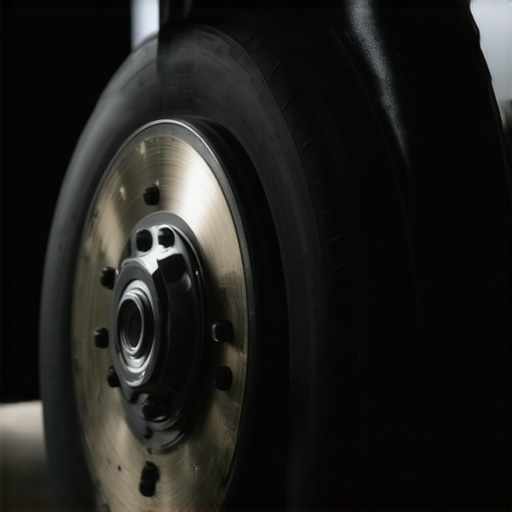
Ever been cruising down the road, feeling that sudden wobble in your steering wheel as you brake softly at a stop sign? That uncomfortable shudder? I’ve been there, and man, it’s frustrating. At first, I thought maybe I hit a pothole or my tires were out of balance. But after some digging and a few costly visits to the mechanic, I finally caught on: warped brake rotors. And let me tell you, it’s more common than you’d think among everyday drivers like us.
How a Simple Brake Problem Turns into a Road Hazard
Warped rotors are more than just a nuisance—they can compromise your safety. When rotors warp, your braking becomes uneven, increasing stopping distances and risking accidents. The good news? There are clear reasons why this happens and straightforward solutions to prevent it from happening again. Today, I’ll walk you through what I’ve learned from personal experience and expert advice—so you won’t have to go through the same costly, dangerous surprises.
Is Braking at High Speeds Always to Blame?
Early in my auto repair journey, I made a common mistake: assuming only aggressive braking during mountain drives or highway antics warped my rotors. Turns out, driving style is just part of the story. Heat buildup, especially from frequent stops in city traffic or heavy brake use, is a leading cause. According to a study by Car Bibles, excessive heat can cause rotor metal to expand and eventually develop warps. The key? Understanding how your driving habits and maintenance routines influence rotor longevity is crucial. If you’ve ever experienced this wobble after a short trip, it’s time to look into preventive measures rather than waiting until your brakes squeal or worse.
Now that I’ve set the stage with my own missteps and the stakes involved, let’s dive into practical ways you can keep your brake system in top shape. Because, trust me, a little knowledge and proactive maintenance can save you a lot of money—and maybe even your day.
Inspect Brake Components Regularly
Start by visually checking your brake system every 10,000 miles or so. Jack up your vehicle securely, remove the wheels, and examine the rotors for any noticeable ridges, uneven surfaces, or discoloration, which are signs of warping. During my last tire change, I took a moment to feel the rotors for any irregular hot spots or warping—this simple check saved me from a sudden wobble during braking. Regular inspections help catch issues early and prolong rotor life.
Effectively Bed-in New Rotors and Pads
When installing new rotors, I learned the hard way that proper bedding-in is essential. It involves a series of controlled stops: accelerate to about 35 mph, then gradually brake to a complete stop, repeating 8-10 times. This process creates a thin, even layer of transfer film between pad and rotor, reducing uneven heat buildup that causes warping. Think of it as seasoning a cast-iron skillet: a proper initial process enhances performance and longevity.
Compare to a seasoned skillet
Just like seasoning prevents sticking and uneven cooking, bedding your brake components prevents uneven heating that warps rotors, ensuring smooth stops over the long haul. For detailed instructions, check out brake service myths.
Manage Heat Accumulation During Driving
Heavy braking in quick succession generates excess heat, which is a primary factor in rotor warping. To mitigate this, try to anticipate stops—coast whenever possible and avoid riding the brakes downhill. During a recent mountain trip, I used engine braking to reduce reliance on the brake pedal, and my rotors remained cool. Installing a vented rotor system can also help dissipate heat more effectively, but consistent driving habits offer the best preventive measure.
Proper Brake Fluid Maintenance
Old or contaminated brake fluid can cause inefficient heat transfer and brake fade, contributing to uneven rotor wear. I replaced mine following the interval suggested in car service guide. Flushing brake fluid every 2-3 years ensures the system operates smoothly, reducing thermal stress on rotors and pads.
Use Quality Brake Parts
Cheaper brake pads or rotors often lack the heat dissipation features necessary to prevent warping under stress. During my last upgrade, I opted for OEM-quality components, and I noticed a significant difference in heat handling and overall performance. Remember, investing in durable parts can save money and safety headaches down the line.
Seek Professional Alignment and Balancing
Uneven tire wear can cause your vehicle to pull or vibrate, which increases uneven rotor stress. Routine wheel alignments and balancing align the forces acting on your rotors, preventing premature warping. I scheduled a check after noticing a slight pull, and the technician confirmed misalignment was the culprit, saving my rotors from undue stress.
While many car owners focus on immediate issues like replacing brake pads or changing oil, there’s a wealth of nuanced understanding that often gets overlooked. A widespread myth is that a simple tune-up or quick service can fix deeper, systemic problems—that’s rarely the case. Skilled technicians know that underlying causes, such as fuel system clogs or sensor failures, require targeted diagnostics rather than generic fixes.
Are You Missing the Tell-tale Signs of Subtle Mechanical Deterioration?
Many drivers underestimate the importance of subtle cues like slight vibrations or irregular engine sounds, which can indicate critical issues in their early stages. According to a recent study by the Automotive Service Association, ignoring these early warnings can lead to costly repairs down the line. It’s essential to differentiate between superficial symptoms and signs of core problems. For example, a rough idle might seem minor but could signal spark plug degradation or fuel injector problems. Therefore, regular comprehensive inspections are vital, not just reactive fixes. Focusing solely on components that visibly wear out or make noise ignores the complex interplay within your vehicle’s internal systems. For instance, a worn-out transmission fluid might not cause noticeable symptoms immediately but can lead to severe gear-shifting issues if neglected. To truly keep your vehicle in peak condition, consider employing advanced diagnostic tools and staying informed about the latest trends, such as electric vehicle maintenance, which are rapidly reshaping the industry. This approach aligns with best practices recommended by experts, emphasizing preventive care over reactive repairs—thinking ahead saves money and enhances safety. Remember, understanding the intricacies of your vehicle’s operation and maintenance nuances can set you apart from the average driver. Don’t fall into the trap of oversimplified repairs; instead, explore trusted resources like our auto repair trend articles to stay ahead of potential issues. Have you ever fallen into this trap? Let me know in the comments.
Maintaining your vehicle isn’t just about replacing parts when they break; it’s about implementing the right tools and habits to ensure longevity and performance. Over the years, I’ve found that investing in quality diagnostic equipment and adopting specific maintenance methods can save you time and money while keeping your car in peak condition.
Invest in a Reliable OBD-II Scanner
My go-to tool is a reputable OBD-II scanner, such as the BlueDriver or Autel Maxisys series. These devices allow me to diagnose engine codes, monitor real-time sensor data, and even reset warning lights without visiting the shop. Having one on hand means I can catch issues early, like coolant temperature anomalies or transmission slip codes, before they escalate. It’s a game-changer for DIY enthusiasts and helps bridge the gap between regular inspections and professional diagnostics. For detailed insights, see troubleshooting common auto issues.
Use a Quality Lubrication and Cleaning Service
Keeping moving parts well-lubricated reduces wear and heat buildup. I swear by synthetic lubricants for their stability across temperature ranges and longer service intervals. Applying high-grade ceramic brake grease on caliper pins and lubricating door hinges enhances performance and reduces squeaks. Regular cleaning of critical components prevents grime and corrosion from shortening their lifespan. This simple habit ensures your brake system and suspension stay responsive, extending your vehicle’s life.
How do I maintain car parts over time?
Implementing a routine schedule based on the manufacturer’s recommendations is vital. I reference tune-up guides to plan proactive maintenance, including oil changes, fluid flushes, and filter replacements. Maintaining a detailed record helps identify patterns and determine when to perform more comprehensive services. Additionally, investing in specialized tools like torque wrenches ensures every bolt and nut is tightened to spec—preventing issues caused by under- or over-tightening. Remember, consistent attention to detail creates long-term benefits.
Stick to a Routine About Brake System Checks
Brakes are arguably the most critical component for safety and should be inspected at least twice a year. I routinely check pad thickness, listen for unusual squeals, and feel for vibrations during stops. Using a digital feeler gauge helps me measure pad wear accurately, while visual inspections help catch rotor warping early. To better understand the nuances of brake maintenance, I recommend reading understanding brake system repairs. Early detection of uneven pad wear or brake fluid contamination ensures performance and prevents costly repairs down the line.
Preview Future Trends in Car Maintenance
The automotive industry is rapidly moving toward smarter, sensor-driven diagnostics integrated with software updates over-the-air. In the future, I predict that AI-powered diagnostic tools will become more accessible, making proactive diagnostics common for everyday drivers. Staying informed about these trends by following sources like auto repair trends can help you adapt your maintenance routine accordingly.
One advanced tip I recommend trying today is utilizing your OBD-II scanner to monitor real-time data during different driving conditions. This insight can help you understand your vehicle’s unique behavior and prevent minor issues from becoming emergencies.
What I Wish I Knew When Starting Out
- Always prioritize regular inspections over waiting for warning signs; catching issues early can save you from costly repairs and dangerous situations.
- Proper bedding-in of new brake components isn’t just a fancy step—it’s essential to ensure even heat distribution and prevent warping.
- Heat management during driving, especially in city traffic or hilly terrain, dramatically prolongs brake life and maintains safety.
- Using quality parts and tools isn’t just about brand prestige; it’s about ensuring your car’s safety performance under stress.
- Routine maintenance like brake fluid flushes and wheel alignments play a silent but vital role in keeping your braking system reliable.
Essential Tools and Resources That Changed My Approach
- Investing in a reputable OBD-II scanner such as BlueDriver transformed how I detect issues early and avoid unnecessary trips to the mechanic.
- Reading comprehensive guides like Understanding Brake System Repairs deepened my knowledge and boosted confidence in DIY checks.
- Following industry trends through auto repair trend articles keeps me alert to upcoming technologies that could make maintenance simpler and more effective.
- Maintaining a detailed record of every service helps me spot recurring issues and plan better preventive measures.
Your Next Drive Starts with Confidence
Remember, mastery of your car’s maintenance isn’t reserved for mechanics—it’s about being proactive and informed. With the right tools, habits, and mindset, you can protect yourself and your loved ones while driving with peace of mind. Think of every inspection and service as an investment in your safety and convenience. Keep learning, stay curious, and don’t hesitate to take charge of your vehicle’s health. The road ahead is smoother when you know your brakes and systems are in top shape. Ready to put these lessons into action? Your car—and everyone around you—will thank you for it.