
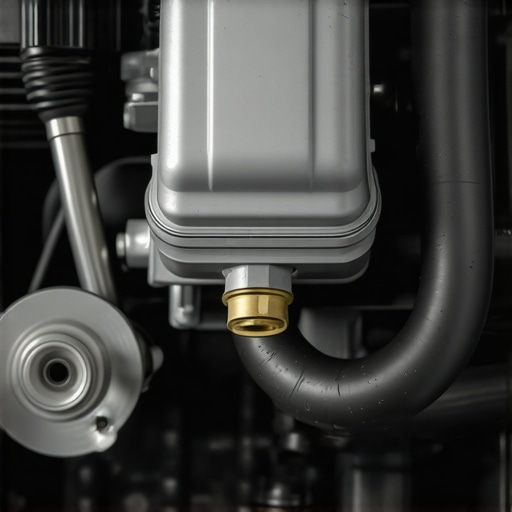
It was one of those chilly mornings, and as I fired up my car to head to work, I heard it—an annoying groan from the steering wheel that persisted just as the engine roared to life. That familiar, unsettling sound made my stomach tighten. I’ve been there: wondering if I was about to face a costly repair or if my vehicle was slipping into serious trouble. Over the years, I’ve learned that this particular groan isn’t just a nuisance; it’s a signal that something’s not quite right with your power steering system.
Understanding That First-Start Groan: Why Your Car’s Power Steering Squeals or Groans
Even though it might seem minor, that initial groan can indicate issues like low power steering fluid, worn-out pump bearings, or even belt problems. What’s interesting is that many car owners, including myself early on, mistake this sound for normal friction or a minor annoyance. However, ignoring it can lead to more severe problems down the line, like a complete power steering pump failure, which can be expensive and dangerous to drive with.
Is This a Common Problem People Actually Fix?
In my early days of car ownership, I thought topping off the power steering fluid was a quick fix. Turns out, I was only scratching the surface. Many overlook the importance of regular maintenance, leading to issues that could be easily prevented. According to automotive expert advice, regular tune-ups can significantly extend the life of your power steering components and prevent groaning sounds from becoming a costly repair.
So, why exactly does that groan happen when you start your car? Well, it often comes down to initial fluid circulation and component wear, which are both manageable with proper attention. Want to learn exactly how to troubleshoot and fix it? We’re about to dive into practical solutions that can save you time, money, and the frustration of an unexpected breakdown. Before that, though, let’s address the skepticism that often surrounds this issue. Is fixing a power steering groan really worth the effort, or is it just part of aging cars? Let’s explore that next.
Inspect and Top Off Power Steering Fluid
First, locate your power steering reservoir, often a small tank near the engine bay, with a cap labeled accordingly. Check the fluid level with the dipstick or sight window; if it’s low, carefully add the manufacturer-recommended fluid until it reaches the proper level. In my experience, a quick top-off can immediately reduce the initial groan, especially if the fluid was nearly empty, but this is just the start of a thorough tune-up.
Examine the Power Steering Pump Belt
Next, inspect the belt driving the pump. Look for signs of wear, cracks, or looseness. A slipping or worn belt can cause squeals or groans. To check tension, press down gently – it should have minimal slack. If the belt looks worn or loose, replace or tighten it. This step is like tightening a strap on a sagging backpack—it restores proper operation and prevents future issues. Remember, belt problems often produce noise during startup or when steering—similar to the initial groan you’re experiencing.
Flush and Replace the Power Steering Fluid
If the fluid is dark, gritty, or contaminated, a full flush can dramatically improve pump performance. Drain the old fluid, flush the system with fresh fluid, and refill with a high-quality power steering fluid. This maintenance reduces strain on the pump and prevents noise caused by worn or clogged fluid passages. During a previous repair, I used a turkey baster to remove as much old fluid as possible, then used a dedicated pump to flush the system—once done, the steering was noticeably smoother and quieter.
Check for Leaks and Damage
Look around the pump, hoses, and reservoir for signs of leaks. Oil traces, wet spots, or cracked hoses indicate leaks or damage, which can cause fluid loss and pump noise. If leaks are present, replacing damaged hoses or seals is crucial. This is like patching a leaky pipe—if left unresolved, it damages the entire plumbing, just as ongoing leaks harm your power steering system.
Test and Replace the Power Steering Pump if Needed
If after these steps the groan persists, the pump itself might be faulty. Audible signs include whining noises during steering or at startup that worsen over time. Replacing the pump involves removing the belt, disconnecting fittings, and installing a new unit. This procedure can be messy—expect fluid spills and residual pressure—but it’s worth it for restored steering performance. When I replaced my pump, I consulted a guide on troubleshooting common auto repair issues to ensure I didn’t miss any steps.
Prevent Future Problems with Regular Maintenance
Finally, schedule periodic checks of the power steering fluid, belts, and system components. Regular maintenance reduces unexpected groans and prolongs the lifespan of your system. Think of it like routine health checkups—small investments now save big expenses later. The ultimate guide to vehicle maintenance can help you develop a proactive approach to auto care, keeping your car running smoothly.
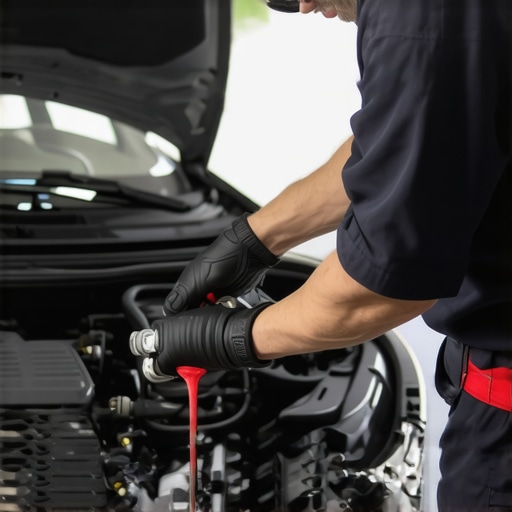 When it comes to automotive maintenance, many car owners operate under myths or overlook subtle nuances that can impact their vehicle’s longevity and safety. One common misconception is that routine oil changes and brake checks are all that matter, but in truth, understanding the intricacies behind these services can save you significant money and worries. For example, many believe that a simple brake pad replacement is sufficient, but neglecting to inspect the brake fluid and calipers can lead to uneven wear and expensive repairs. Proper diagnostics involves more than just replacing parts; it requires a comprehensive approach that considers the entire system. Moreover, a frequent trap is assuming that newer cars don’t need as much maintenance, which isn’t accurate—modern vehicles often require specialized attention to electronic sensors and software diagnostics, as discussed in our auto repair trends article. Advanced issues like slipping transmissions or misfiring engines aren’t always visible to the untrained eye and can be misdiagnosed if one relies solely on symptom-based fixes. An additional layer of complexity involves the tempting shortcut of using generic parts instead of OEM-certified components, which might seem cost-effective initially but can cause compatibility issues and reduce system lifespan. This nuance affects everything from brake components to spark plugs. To truly master vehicle care, one must understand the importance of regular scheduled maintenance and learn to read warning signs beyond the obvious. A common mistake is postponing repairs at the first sign of trouble, like steering vibration or engine hesitation, which can escalate into major failures. My advice is to stay informed about the latest in automotive technology and maintain a proactive attitude. For instance, newer diagnostics utilize OBD-II scanning, which can detect subtle faults before they manifest as noticeable issues—learn more in this troubleshooting guide. Remember, maintaining your vehicle isn’t just about replacing worn-out parts; it’s about understanding the underlying mechanisms that keep everything running smoothly. Regular check-ups with a trusted mechanic who embraces the latest diagnostic tools can prevent small problems from ballooning into expensive repairs. Have you ever fallen into this trap? Let me know in the comments.Ensuring your vehicle stays in top shape over the years requires the right tools and methods. I personally rely on a high-quality digital diagnostic scanner, like the BlueDriver Bluetooth Professional Scanner, because it allows me to quickly identify issues before they escalate. This device connects seamlessly to my smartphone, providing detailed error codes and real-time data, enabling proactive maintenance rather than reactive repairs.
How do I maintain my car’s performance tools over time?
Regular calibration of your diagnostic tools is essential to keep readings accurate. Additionally, investing in a reliable set of hand tools—such as a torque wrench like the Tekton 24335—ensures that fasteners are tightened to manufacturer specifications, preventing over-tightening or under-tightening that could cause long-term damage.
Beyond physical tools, software updates from your vehicle’s manufacturer play a vital role. Many modern cars require periodic updates to their electronic control units (ECUs) to optimize performance and address emerging issues. I subscribe to the manufacturer’s online portal and update my vehicle’s firmware during scheduled maintenance, which can be scheduled following our comprehensive maintenance schedule. This practice keeps the vehicle’s systems current, much like updating your phone’s OS for security and new features.
Preparing for long-term results
Consistency is key. I keep a detailed maintenance log, recording every service like fluid changes, brake inspections, and component replacements. This record not only helps track wear patterns but also adds value when selling or trading the vehicle. Moreover, I follow industry insights, such as those found in auto repair trend forecasts, which predict increased adoption of advanced diagnostic tools and predictive maintenance technologies. Investing early in such tools can save significant money and time down the line.
Scaling your vehicle upkeep effectively
As your portfolio of vehicles grows—say, if you manage a fleet or a collection—standardizing your maintenance approach becomes crucial. I recommend setting up a dedicated workshop with essential diagnostic equipment and a schedule aligned with each vehicle’s specific manufacturer recommendations. Also, leveraging software like Fleetio or RTA Tracking can automate reminders and maintain centralized records, making scaling manageable and efficient.
In conclusion, combining precise tools with disciplined maintenance routines will extend your car’s life and performance. Remember, who better than you to keep your vehicle running smoothly? Try integrating a diagnostic scanner into your routine, and see how much earlier you can catch issues before they become costly repairs or breakdowns. For detailed guidance on scheduling maintenance, check out our ultimate car service guide. If you need personalized advice or want to explore advanced tools suited to your specific vehicle, don’t hesitate to reach out to us.
What I Wish I Knew Before Ignoring That First Groan
One of the most valuable lessons I learned about car care is the importance of listening to your vehicle’s subtle signals. That initial groan during startup isn’t just a minor squeal—it’s a warning sign that, if ignored, can lead to costly repairs and unsafe driving conditions. Paying close attention to such cues taught me to prioritize regular maintenance, like fluid checks and belt inspections, which often save me from unexpected breakdowns.
Tools and Resources That Keep My Car Running Smoothly
Over the years, I’ve discovered that investing in quality diagnostic tools, such as a reliable scanner, empowers me to catch issues early. Enterprises like auto repair trend insights help me stay ahead, while resources like maintenance guides ensure I schedule the right services at the right times. Combining these tools and knowledge keeps my vehicle in top shape without breaking the bank.
Embrace the Journey of Proactive Auto Care
The truth I’ve come to cherish is that caring for your car isn’t just about fixing problems—it’s about cultivating a relationship with your vehicle. Every oil change, fluid flush, or belt replacement is an act of respect for something that provides freedom and mobility. If you start noticing early signs of trouble, don’t hesitate to educate yourself and act promptly. Your car’s longevity and your safety depend on your proactive approach. So, why not take the first step today? And tell me—have you ever caught a small issue before it turned into a big problem? Share your experience below!