
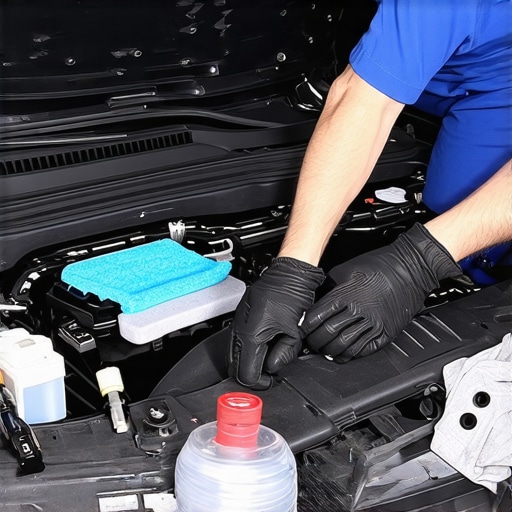
It was one of those mornings when I cranked up my car, expecting that smooth purr I was used to. Instead, I got a rough stumble, a rougher idle, and a warning light flickering on the dashboard. Frustration hit me—was my engine starting to give out? The culprit turned out to be something I had overlooked: the Mass Air Flow (MAF) sensor, a tiny component with a massive impact on my car’s performance. That lightbulb moment made me realize how many car owners—like you and me—don’t realize how vital this part is, and how simple it can be to fix with the right knowledge.
Why Clean Your MAF Sensor Before It Wrecks Your Drive
Your car’s ability to run smoothly relies heavily on precise air-fuel mixture management, and the MAF sensor plays a starring role in this process. When it gets dirty or greasy, it whispers problems—erratic idling, poor acceleration, increased fuel consumption, and even emissions issues. But here’s the kicker: many drivers ignore these signs, thinking they’re minor glitches. I made that mistake early on—believing a quick engine restart would fix it, only to find the problem lingering and worsening.
Regularly cleaning the MAF sensor can prevent costly repairs and keep your car running like new. It’s a quick fix that can save you from a frustrating breakdown, especially if you’re like me and love hitting the open road without worries. Plus, maintaining your MAF sensor fits into broader tune-up strategies that maximize your vehicle’s lifespan. For a comprehensive guide on keeping your car in top shape, I recommend checking out this [car service checklist](https://glassfixauto.com/car-service-checklist-how-to-keep-your-vehicle-in-top-shape).
Will Cleaning Damage My Sensor or Cause More Problems?
I truly understand the skepticism—after all, messing with tiny, sensitive parts can be intimidating. My early attempt was clumsy, and I worried I might ruin it. But I learned that with proper technique and the right cleaning agents, you can effectively tidy up your MAF sensor without harm. It’s about patience, gentle handling, and avoiding harsh chemicals. Remember, always disconnect your battery before starting and work in a clean, dust-free environment.
Now, armed with this motivation and a bit of confidence, let’s dive into the practical steps to clean your dirty MAF sensor safely. By doing so, you’ll give your car the fresh breath it needs to perform at its best—and maybe even extend its lifespan a little longer.
Detach the Sensor Carefully and Prepare Your Workspace
Begin by turning off your vehicle and disconnecting the negative terminal of the battery to prevent electrical issues. Locate the MAF sensor, typically found between the air filter and throttle body. Before touching anything, ensure you’re working in a clean, dust-free environment to avoid new contaminants. Remember, sensors are delicate; handle with care, like handling a fragile glass ornament.
Remove the MAF Sensor from Its Housing
Unclamp or unscrew the sensor housing gently using basic hand tools. Take your time to avoid breaking any clips or connectors. Once loose, carefully lift out the sensor, keeping track of all screws and small parts. This step reminds me of carefully extracting a delicate jewel—patience here pays off in avoiding damage.
Inspect the Sensor for Visible Contaminants
Examine the sensor’s wires or plates for dirt, grease, or dust buildup. If you see film or particles, it’s high time for cleaning. Use a soft brush or compressed air to remove loose debris without applying excessive force. Think of it as cleaning a camera lens—gentle, deliberate movements preserve the delicate surfaces.
Use Appropriate Cleaners for Effective Removal
Spray a specialized MAF sensor cleaner (do NOT use brake cleaner, carb cleaner, or other harsh chemicals) onto the sensing elements. Hold the spray at a spot and avoid directly spraying onto electronic components, like the wiring or connectors. I once used a paper towel soaked lightly in cleaner, which worked well without risking damage. The goal is to dissolve the grease without leaving residues.
Note: Avoid touching the sensing elements with your fingers or any tools, since oils can hinder performance.
Allow the Sensor to Dry Completely Before Reinstallation
Let the sensor air dry for a few minutes, ensuring all cleaner evaporates. Do not attempt to wipe the sensor directly, as this may cause damage. In my experience, patience here prevents re-contamination. If you’re in a hurry, a clean, dry compressed air blast can expedite drying—just ensure no moisture remains.
Reinstall the Sensor in Its Housing Securely
Once dry, carefully reattach the sensor to its housing, ensuring all clips and screws are tight but not overly forced. Reconnect the wiring plug firmly, and then reconnect the negative battery terminal. A firm, confident snap of connectors ensures stable electrical contact.
Turn on the Engine and Monitor Performance
Start your vehicle and observe the dashboard. If the check engine light turns off and idle is smooth, you’ve successfully completed the cleaning. If issues persist, consider repeating the process or consulting a professional. I remember my first attempt; it was a bit messy, but within minutes, I saw a noticeable improvement, reinforcing that patience and care are key.
Regular maintenance like this helps ensure your car runs efficiently, preventing problems linked to dirty sensors, and saves money in the long run. Keeping your MAF sensor clean is like giving your vehicle a breath of fresh air—simple, effective, and essential for optimal performance.
Many car owners believe they have the basics figured out when it comes to maintenance, but let’s dig deeper into some nuanced truths that can save you money and headaches. One widespread myth is that all brake pads are created equal. In reality, not all brake pads perform the same, and choosing the wrong type can lead to uneven wear or even damage to your rotors. For instance, cheap, low-quality brake pads might seem to save money upfront but can cause squealing, increased dust, and reduced stopping power over time, which is why it’s crucial to understand the difference.
Another common misconception is that tune-ups are solely about replacing spark plugs. While replacing the spark plugs is essential, a comprehensive tune-up also involves inspecting and potentially replacing other critical components like air filters, fuel filters, and checking ignition timing—steps that significantly impact your vehicle’s efficiency and longevity. Regular tune-ups, when done correctly, can boost fuel efficiency and ensure safer driving, aligning with expert advice from auto maintenance specialists. To learn more about maximizing your vehicle’s lifespan, explore this comprehensive tune-up strategies.
Now, let’s talk about the often overlooked aspect of auto repair—diagnostics. Many believe that if the check engine light doesn’t come on, there’s no issue. This thinking is flawed because modern cars have complex sensor systems that may fail or malfunction without alerting the driver immediately. Relying solely on dashboard indicators can lead to missed problems, expensive repairs, and even safety risks. Advanced diagnostic tools and professional expertise are crucial; for example, a subtle misfire might not trigger a warning but can severely affect performance and emissions. As the industry advances, staying ahead with proper diagnostics is more vital than ever, a point emphasized by automotive experts.
Furthermore, beware of the ‘more is better’ mentality in auto repair. Many assume that frequent oil changes or over-servicing always benefits the vehicle. Conversely, excessive maintenance can sometimes do more harm than good, such as overfilling fluids or replacing parts prematurely. Understanding your specific vehicle’s needs through manufacturer recommendations and consulting trusted professionals can prevent unnecessary expenses and potential damage. For detailed insights on optimal maintenance schedules, see this guide on regular tune-ups and fuel efficiency.
Being aware of these nuances means that you’re not just reacting to signs of trouble, but proactively maintaining your car with informed choices. Think about it—are you falling for any of these misconceptions? Have you ever fallen into this trap? Let me know in the comments and share your experiences. Remember, smarter maintenance starts with smarter knowledge.Maintaining your vehicle over the long haul requires the right tools, a disciplined approach, and knowledge of effective methods. Personally, I rely on a combination of high-quality diagnostic scanners and specialized cleaning agents to keep systems like the MAF sensor in top shape. An OBD-II scanner, such as the Autel MaxiCOM or Snap-On SOLUS, has become an indispensable part of my toolkit, allowing me to quickly identify and clear faults without costly visits to the mechanic. These devices connect seamlessly with your smartphone or PC, providing real-time data and error codes, aiding in proactive maintenance and preventing minor issues from becoming major repairs.
In addition to diagnostics, I swear by a set of precision screwdrivers and plastic pry tools. These help me disassemble components like the MAF sensor or restore brake calipers without damaging delicate parts. For cleaning, I exclusively use products like CRC MAF Sensor Cleaner, which safely dissolves grease and dirt without leaving residues. Regularly using such cleaners extends sensor lifespan and maintains optimal airflow readings—a critical aspect of efficient engine performance.
Looking ahead, I predict that the integration of artificial intelligence and machine learning will revolutionize auto maintenance. Future tools might automatically diagnose issues and suggest personalized repair plans, reducing reliance on manual troubleshooting. As vehicles become smarter, our maintenance routines will likely evolve to favor diagnostic and cleaning technologies that adapt to the vehicle’s unique history.
How do I keep my car systems in peak condition over time? Consistency. Setting a maintenance schedule based on manufacturer recommendations and leveraging advanced diagnostic tools ensures longevity. For example, scheduling a tune-up as outlined in this comprehensive guide helps prevent unexpected breakdowns.
One practice I highly recommend is routinely testing your car’s sensors with a multimeter or diagnostic scanner to catch issues early. Even some subtle symptoms like slight hesitations or unusual noises can be clues—being attentive makes a significant difference.
Try using a specialized cleaner on your MAF sensor this week—it’s a simple step that can dramatically improve acceleration and fuel efficiency. Remember, detailed attention to your vehicle’s small components today pays off by saving you time and money down the road. For more advanced tips on auto diagnostics, visit this expert resource.
Lessons Car Owners Don’t Learn Until It’s Too Late
– I once believed that a quick oil change was enough to keep my car healthy, but the truth is, neglecting small components like the MAF sensor can lead to significant issues down the line. Realizing this was a lightbulb moment, showing me that detailed attention to each part is key to longevity.
– I underestimated the importance of proper diagnostic tools. Using an affordable OBD-II scanner transformed my approach, allowing me to catch problems early and prevent costly repairs. That skill has been invaluable in saving time and money.
– The biggest lesson I learned is that maintenance isn’t just about fixing things after they break. Regularly scheduled tune-ups and sensor cleanings are investments that pay off by keeping your vehicle reliable and efficient, especially when you follow expert strategies like those here.
Tools and Resources That Changed My Way of Driving
– My first recommendation is an accurate diagnostic scanner such as the Snap-On SOLUS or Autel MaxiCOM. These devices give me peace of mind and ensure I can identify issues before they escalate.
– I swear by CRC MAF Sensor Cleaner—safe, effective, and easy to use. It helps me keep my airflow readings precise, which is essential for engine health.
– For a comprehensive approach, the expert tune-up strategies guide has been instrumental in customizing my maintenance schedule.
– Finally, staying informed with credible sources like this ultimate car service guide has empowered me to take proactive steps confidently.
Take Charge of Your Car’s Well-Being Today
Remember, consistent, informed maintenance is the secret to a smooth, reliable drive. Whether it’s cleaning your MAF sensor or scheduling regular tune-ups, every small effort adds up to a longer-lasting vehicle. You’re already on the right path—keep learning, keep caring, and enjoy every mile ahead.
Which step have you found most effective in maintaining your car? Drop your experiences below—I’d love to hear your stories!