
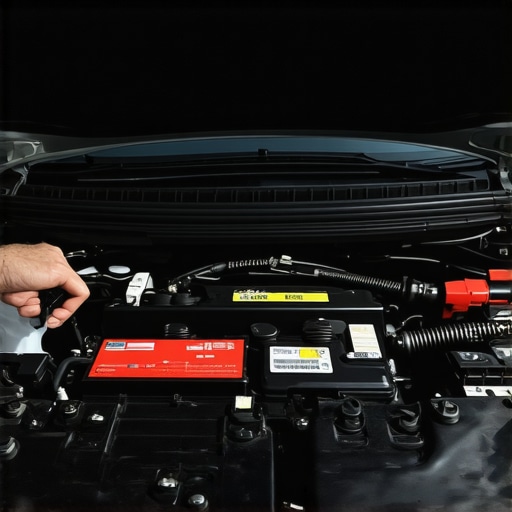
It was a chilly Monday morning when I turned the key in my new car, fully expecting a smooth start. But instead, I was met with a sluggish crank and that sinking feeling in my stomach. That moment, right there, was my realization—my brand-new battery was dead on arrival. How could something so recent fail so quickly? If you’ve experienced something similar, you know what a head-scratcher it can be.
The Silent Culprits That Wreck Your New Battery
Ever wonder why your shiny new battery isn’t living up to its promise? It turns out, several sneaky issues can drain even the freshest batteries faster than you’d expect. From parasitic drains to faulty alternators, the causes are deeper than just age. I remember early on thinking I’d caught a defective batch, but it was something else entirely. I also learned the hard way that simple mistakes—like leaving interior lights on—can wreak havoc. For a comprehensive approach, I recommend checking out auto repair trends for insights into modern vehicle maintenance and how they could prevent these issues.
Is your new battery just bad luck, or is something else at play?
Looking back, my mistake was overlooking what many car owners do: assuming a new battery is foolproof. The truth is, a brand-new battery isn’t immune to issues if the vehicle’s electrical system isn’t sound. I also didn’t realize how much hidden parasitic drain could cause my battery to die prematurely. This mistake is common, and it’s why I say: don’t just replace the battery—understand why it was draining in the first place. If you’re curious about other overlooked problems, explore troubleshooting tips that could save you from repeated replacements.
So, the question is—what’s really going on under your hood? And how can you prevent that fresh battery from dying before its time? Stay with me. The next sections will walk you through practical steps, based on real experience, to keep your battery healthy and your car reliable. By understanding these common pitfalls, you’ll avoid becoming the next victim of a dead battery saga.
Check for Parasitic Drains
Start by disconnecting the negative battery cable and then connect a multimeter set to current measurement between the disconnect terminal and the cable. Turn off all accessories and remove keys from the ignition. Observe the current; a reading over 50 milliamps indicates a parasitic drain. I once used this method and found that my interior lights were staying on due to a faulty door switch—that small fix saved my battery from early death. Regularly performing this test can prevent unexpected battery failures.
Inspect the Charging System
Test the Alternator Output
Next, verify if your alternator is functioning properly. Using a digital multimeter, measure the voltage across the battery terminals with the engine running. A healthy alternator should produce between 13.8 to 14.8 volts. I caught a failing alternator early this way when the voltage dipped below 13.5 volts, sparing me from a dead battery on a cold morning. If your reading is below or above this range, it’s time to schedule a brake system repair appointment to get the electrical system checked.
Prevent Common Mistakes
Avoid leaving interior lights or accessories on when the engine is off. Also, be cautious with aftermarket additions like alarms or stereo systems—they can draw unexpected power. When in doubt, perform a quick troubleshooting session to identify potential drains. I once neglected this and spent hours diagnosing a dead battery caused by a faulty aftermarket radio wiring—simple vigilance saved me time and money.
Schedule Regular Maintenance
Adopt a routine to check your battery terminals for corrosion, ensuring they are clean and tight. Corrosion can impede the flow of electricity, causing the battery to appear dead prematurely. In one instance, cleaning corroded terminals with a mixture of baking soda and water restored proper conductivity without replacing the battery. Additionally, keep your vehicle’s electrical system in top shape by adhering to scheduled regular maintenance to catch potential issues early. Simple steps like these extend your battery’s lifespan significantly.
Use a Battery Maintainer During Long Stops
If you plan to leave your car unused for more than two weeks, connect it to a smart battery maintainer. This device delivers a gentle charge, preventing self-discharge and sulfation. I integrated a maintainer into my garage setup, especially before winter, and saw my battery last much longer. Think of it as a health supplement for your battery—consistent care keeps it strong and reliable.
Know When to Replace
Even with diligent care, batteries have finite lifespans—usually 3 to 5 years. Pay attention to signs like slow engine cranking or dim headlights. Testing your battery voltage periodically, especially before extreme weather conditions, can alert you to impending failure. When replacement becomes necessary, choose quality batteries and have your technician perform a comprehensive tune-up to ensure your electrical system is optimized for the long haul.
Many car owners assume that once their vehicle is serviced or a repair is done, the job is straightforward and foolproof. However, this oversimplification can lead to costly mistakes and overlooked issues. One prevalent misconception is that all mechanics follow the same protocols, but in reality, the quality and thoroughness of service vary widely. For instance, some shops might skip detailed diagnostics, which can result in recurring problems or missed underlying causes. It’s crucial to understand that a standard oil change isn’t just about replacing fluids; it’s an opportunity to check for signs of wear that could indicate deeper system issues, such as with your brake system or engine components.
Why do so many believe that routine maintenance is optional rather than essential? During a tune-up, many overlook the importance of inspecting critical components like spark plugs, filters, or the timing belt. Neglecting these parts can lead to efficiency losses or even catastrophic failures. The key is proactive maintenance based on actual vehicle health rather than just age or mileage. Studies show that regular diagnostics and maintenance can extend the lifespan of your car significantly, saving you money in the long run. For more insights on optimizing your vehicle’s longevity, visit this guide.
Another often unseen nuance is the importance of understanding your vehicle’s unique needs. For example, not all brake pads are created equal—some are designed for performance, others for durability, and misselection can cause premature wear or increased noise. Relying solely on generic advice or choosing parts based only on price can backfire. Proper diagnosis of your vehicle’s specific use case ensures that the service not only fixes the immediate problem but also protects against future issues. Knowing the facts about brake service helps you make smarter choices.
Let’s address a common myth—many believe that auto repair is always about replacing parts. But in practice, diagnostics are where the real magic happens. Skilled technicians spend time interpreting fault codes, performing road tests, and inspecting components to identify root causes rather than symptoms. This approach prevents unnecessary part replacements and ensures repairs are lasting. Skipping these steps can lead to repeated visits, higher costs, and frustrated drivers. Make sure your mechanic prioritizes proper diagnostics before jumping into repairs. An expert’s perspective is available at auto repair trends.
Have you ever fallen into this trap? Let me know in the comments. The better you understand these hidden nuances, the more confident you’ll be in maintaining and repairing your vehicle effectively.
Tools I Trust for Long-Term Vehicle Care
Maintaining a vehicle’s performance over time requires not just routine checks but also the right equipment. Personally, I swear by a high-quality digital multimeter; it’s indispensable for diagnosing electrical issues like parasitic drains or charging system problems. I prefer models with data logging features—my favorite being the Fluke 115—which allows me to track voltage fluctuations during different engine states. Additionally, an infrared thermometer has become my go-to for quick engine temperature checks, helping me identify cooling issues before they escalate. These tools are cost-effective investments that save time and prevent unnecessary repairs.
Why I Rely on Advanced Diagnostic Software
Beyond physical tools, I utilize diagnostic software like OBD2 scanners with live data capabilities. For instance, the BlueDriver scanner connects via Bluetooth and offers detailed fault code reports, real-time sensor readings, and even restoration tips. It’s helped me pinpoint issues such as misfiring cylinders or emission system faults, ensuring that repairs are accurate the first time. Looking ahead, the integration of AI-driven diagnostics is set to revolutionize auto maintenance, enabling even more precise troubleshooting and predictive care—think of it as giving your mechanic a crystal ball to foresee potential failures.
Efficient Maintenance: A Systematic Approach
Regular scheduled maintenance is the backbone of long-term vehicle health. I follow a strict schedule for checking coolant levels, inspecting brake pads, and testing the battery. To streamline this, I use a comprehensive car service checklist, which ensures I don’t overlook critical components. This systematic approach not only extends your car’s lifespan but also keeps it running smoothly and safely.
How do I maintain auto repair tools over time?
Proper care of your diagnostic and repair equipment is crucial. After every use, I clean my tools with isopropyl alcohol—especially the contact points of my multimeter and scanner—to prevent corrosion. Calibration is another key step; I periodically test my multimeter against a known voltage source to ensure accuracy. Storing tools in a dry, organized toolbox also prolongs their lifespan. Remember, well-maintained tools deliver precise results, helping you avoid costly misdiagnoses in the future. For more insights, explore how regular tune-ups can incorporate proper diagnostic practices.
Scaling Your Maintenance Routine
If you own multiple vehicles or your fleet, automating maintenance becomes essential. Investing in a cloud-based tracking system allows you to log service history across all vehicles, schedule recurring tasks, and get alerts for upcoming checkups. For example, I use Fleetio, which integrates with vehicle OBD systems, providing real-time health data and maintenance reminders. As vehicle technology advances, predictive analytics will play an even bigger role in fleet management, forecasting issues before they manifest. Such foresight minimizes downtime and reduces overall costs—an intelligent approach that’s rapidly gaining ground in auto care.
Why stay ahead with smart tools?
Staying equipped with the latest technology not only simplifies maintenance but also improves safety and saves money. I challenge you to try integrating a diagnostic scanner with your routine inspections this month. It’s a small step that can uncover hidden issues early, preventing minor inconveniences from becoming serious breakdowns. Remember, proactive care today guarantees reliable performance tomorrow!
Lessons Only Veterans Car Depot
- One lightbulb moment for me was realizing that even a brand-new battery needs a thorough electrical system check—assuming everything’s fine simply because it’s new can be costly. I learned to perform regular parasitic drain tests, which saved me from unexpected failures.
- Another insight was understanding that quality installation matters just as much as quality parts. Proper tightening and terminal cleaning can extend the life of your new battery, preventing early death from seemingly minor issues.
- My biggest surprise was discovering how deeply the vehicle’s overall health affects the battery. Regularly inspecting the alternator’s output and ensuring proper system voltage prevents premature drain and keeps everything running smoothly.
- Investing in tools like a good multimeter and diagnostic software simplifies proactive maintenance. These tools provide real-time insights, turning guesswork into confident decisions, especially when diagnosing complex electrical issues.
- Lastly, I found that adopting a systematic maintenance routine—scheduled inspections, terminal cleaning, and using battery maintainers during long stops—dramatically improved my battery’s longevity, saving money and peace of mind.
Must-Have Resources for Every Car Owner
- Auto repair trends 2025— stays ahead of the game with insights into modern vehicle electrical systems and preventive measures that keep your battery resistant to common issues.
- Troubleshooting tips— practical guides to identify warning signs early, like parasitic drains or charging system faults, before they become costly repairs.
- Electrical diagnostics— insight into fine-tuning your vehicle’s electrical health with DIY checks and when to seek professional help.
- Vehicle maintenance checklists— comprehensive guides to keep all systems, including your battery, in check throughout the year for reliable performance.
Empowering Your Car Care Journey
Embarking on a journey to maintain your new car battery might seem daunting at first, but with the right knowledge and tools, it’s a fulfilling experience. Remember, your vehicle is a complex system where every component plays a role in overall health. Proactive measures, informed by real-world experience and trusted resources, will serve you far better than reactive fixes. Keep curiosity alive, stay diligent with scheduled maintenance, and don’t hesitate to seek expert guidance when needed. Your efforts today will ensure your car’s reliability for miles to come.
What’s the most surprising thing you’ve discovered about vehicle maintenance? Share your story below—your insights might help someone else avoid rookie mistakes!
,