
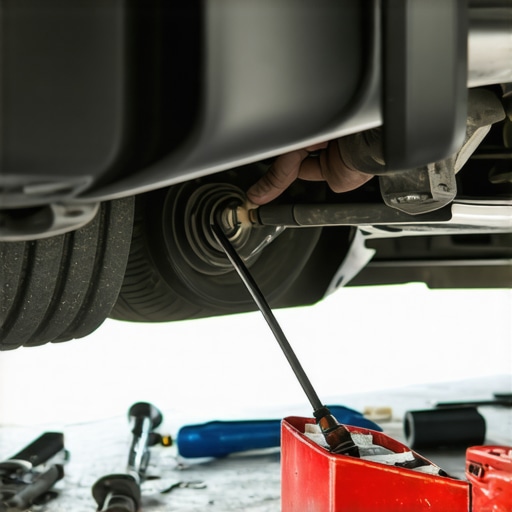
Ever tried to park on a steep driveway only to realize your emergency brake won’t budge? I remember the sinking feeling when I pulled that lever and nothing happened—no click, no resistance, just a stubborn cable rusted tight like it’s been frozen in time. It was one of those moments where I knew I had to get my hands dirty, but I also feared making things worse. Turns out, a rusty emergency brake cable isn’t just a minor annoyance; it’s a safety concern that can threaten your entire vehicle’s reliability if not handled properly.
Your Parking Brake Might Be Holding You Hostage
Is Freeing a Rusted Brake Cable Really Worth the Hassle?
Trust me, I’ve been there. Early on, I made the mistake of trying to force the cable loose without knowing the right technique—ended up damaging the cable or causing more corrosion. It’s a common mistake but one that can be avoided with a bit of patience and proper know-how. Today, I want to walk you through the steps I learned through trial and error that finally freed my brake cable without the need for expensive repairs. Because, let’s face it, if you don’t get that cable moving, your safety and your car’s performance are at risk.
Did you know that corrosion is a leading cause of brake system failures, and rusted cables are among the most notorious culprits? According to vehicle maintenance experts, regular inspection and timely lubrication can save you a lot of headaches down the road. If you’ve been staring at your stuck parking brake, wondering if it’s worth calling a mechanic or trying to fix it yourself, I promise that with the right approach, it can be manageable. And if you’re curious about maintaining your brake system to prevent future issues, check out this detailed guide.
Now, let’s get into how you can breathe new life into that stubborn, rusted cable and regain control of your vehicle’s safety features—your life might depend on it.
Start by Gathering Your Tools and Supplies
Before you begin, assemble a set of basic tools: jack, jack stands, wrench set, pliers, screwdriver, penetrating oil, and safety gloves. I learned this the hard way when I started without proper tools and wasted time searching for what I needed; having everything at hand makes the process smoother.
Lifting the Vehicle Safely
Park your car on a flat surface, engage the parking brake (if possible), and loosen the wheel lug nuts slightly. Use the jack to lift the car at the manufacturer’s recommended spot, then securely place jack stands under the frame. This setup prevents accidents. I once tried to work under my car without proper support—lesson learned!
Remove the Wheel and Locate the Brake Cable
Unscrew the lug nuts fully and remove the wheel to access the drum or disc brake assembly. Find the emergency brake cable—it’s a thick metal cable connected to the brake mechanism. Consulting the vehicle’s service manual can help you identify the exact location, especially if your model has a complex setup.
Apply Penetrating Oil to Rusted Joints
Spray penetrating oil generously on the rusted sections of the cable and its fittings. Let it sit for 10-15 minutes. I once rushed this step, and the cable resisted removal, causing frustration. Patience with this step pays off, making later disassembly easier.
Disconnect and Remove the Rusted Cable
Use pliers or a wrench to disconnect the cable from the brake mechanism and the lever under the hood if applicable. Carefully slide the cable out, wiggling gently to avoid snapping the cable or damaging nearby components. Remember, applying too much force can cause more harm; patience and gentle handling are key.
Inspect and Clean the Cable and Housing
Check the cable for severe rust, fraying, or corrosion. If it’s salvageable, clean the cable with a wire brush and lubricate it with brake or cable lubricant. If the rust is extensive, consider replacing the cable to ensure safety. I chose to replace mine after cleaning didn’t resolve the sticking, recognizing the importance of a reliable brake system.
Install the New or Cleaned Cable
Route the cable along the same path as the old one, connecting it first to the brake mechanism, then to the lever assembly. Tighten all fittings securely but avoid overtightening, which can cause damage. Double-check the connections to ensure smooth operation.
Test the Brake Function
Reinstall the wheel, tighten the lug nuts, and lower the vehicle back onto the ground. Engage and release the emergency brake several times to ensure proper movement. Confirm that the brake fully engages and releases. Testing prevents surprises when you need the brake in an emergency.
Final Checks and Safety Tips
Before heading out, verify the brake’s responsiveness and check for any abnormal noises or resistance. Remember, a rusted brake cable isn’t just a repair—it’s a safety upgrade that protects you and your loved ones. Regular inspections and maintenance can prevent this issue altogether, so consider scheduling a professional tune-up periodically.
Many vehicle owners fall prey to common misconceptions about car service, especially when it comes to routine maintenance like tune-ups and brake work. A prevalent myth is that a simple oil change or replacing brake pads is enough to keep the car performing optimally. In reality, neglecting the small nuances—such as the importance of inspecting the entire brake system or understanding the lifespan of components—can lead to costly repairs down the road. For instance, many assume that all brake pads wear evenly, but uneven wear can indicate underlying issues like caliper sticking or rotor warping, which often go unnoticed by the untrained eye. Regularly checking brake fluid discoloration, which can turn black over time and suggest contamination, is crucial for safety and performance. Surprisingly, a lot of drivers overlook the significance of a comprehensive tune-up that includes inspecting spark plugs, ignition components, and air filters, despite how much these affect fuel efficiency and engine longevity. Experts emphasize that up to 80% of roadside breakdowns could be prevented with proactive maintenance that includes a detailed system check, not just routine replacements. Be wary of the misconception that modern vehicles require less attention; in fact, advanced electronics and sensors demand careful monitoring and calibration during tune-ups, as outlined in detailed guides on maximizing car lifespan. Making a habit of these detailed inspections can drastically reduce unexpected failures and extend your vehicle’s valuable lifespan. Remember, an overlooked detail, such as a small coolant leak, can lead to engine overheating—a mistake that many drivers make until it’s too late. Regular diagnostic scans using specialized tools can reveal hidden issues often missed during standard service visits. Always ask your mechanic about the latest trends in auto repair, as technologies evolve rapidly, and staying informed can save money and enhance safety. By understanding these nuances and avoiding common traps, you elevate your vehicle maintenance from a chore into a strategic investment. Have you ever fallen into this trap? Let me know in the comments or visit our contact page for expert advice.
Investing in the Right Equipment Makes All the Difference
Maintaining your vehicle’s performance requires more than just basic knowledge; it demands reliable tools that can handle the nuances of auto repair and diagnostics. I personally swear by a high-quality digital multimeter, such as the Fluke 115, because it provides precise voltage and continuity checks, essential for diagnosing electrical issues like faulty sensors or wiring problems. When dealing with brake systems, a dedicated brake caliper piston tool saves time and prevents damage to expensive components. For tire maintenance, a digital tread depth gauge ensures even wear, extending tire lifespan and improving safety.
Utilize Advanced Software for Diagnostics
Beyond physical tools, modern vehicles benefit greatly from diagnostic software like AutoEnginuity or Snap-on’s SOLUS Ultra. These programs connect to your car’s OBD-II port and reveal detailed error codes, enabling you to identify issues such as pending sensor failures or transmission glitches before they escalate. I recommend investing in a Bluetooth OBD-II scanner compatible with your smartphone to access real-time data at home, which helps you monitor your vehicle’s health between professional tune-ups. Regularly reviewing diagnostic reports using these tools can help you catch developing problems early, saving you from costly repairs down the road.
Develop a Routine Maintenance Schedule
Consistency is key when it comes to long-term vehicle health. Setting a maintenance schedule based on your vehicle’s manufacturer recommendations, like intervals for oil changes, brake inspections, and fluid replacements, ensures that minor issues don’t snowball into major failures. Keep meticulous records of each service performed—digital apps like MyCarfax or a simple spreadsheet can come in handy. This documentation not only helps you stay on track but also boosts resale value if you decide to upgrade in the future.
Plan for Future Trends in Car Care
The auto industry is rapidly embracing electric vehicles and advanced driver-assistance systems. Staying informed about emerging tools and diagnostic methods will empower you to perform more complex repairs or coordinate effectively with professional mechanics. For instance, understanding how to interpret data from an electric vehicle’s battery management system can extend battery life and improve safety. Checking updated guides, such as auto repair trends for 2025, prepares you for these innovations. Mastering these skills now positions you as a savvier owner who can adapt to evolving technology.
How do I maintain my car’s performance over time?
Regularly inspect and service critical components like brakes, belts, and fluids; use diagnostic tools to identify issues early; and stay informed about new technology trends in auto repair. For a comprehensive guide, visit this resource. As a practical tip, try calibrating your tire pressure sensors using a digital gauge and follow the manufacturer’s recommended pressure levels to prevent uneven wear and ensure optimal fuel economy. Implementing these strategies will help keep your vehicle in prime condition, ensuring safety and performance for years to come.
Lessons the Garage Taught Me About Rust and Resilience
One of the toughest lessons I learned was that patience is your best tool when dealing with rusted brake cables. Rushing to force things apart only led to damaged parts and additional costs. Taking my time to apply penetrating oil and gently wiggle the cable out not only saved me money but also kept me safe. This experience made me realize that small, deliberate actions can prevent big safety hazards down the line.
Another insight was the importance of regular inspections. Rust doesn’t develop overnight, but neglect fast-tracks its progress. Catching early signs of corrosion means fewer headaches later. Integrating routine checks into my maintenance schedule significantly extended the life of critical components, including emergency brake cables, which are vital for safety.
The toughest part wasn’t the work itself but resisting the temptation to cut corners. I learned that replacing a cable when it’s severely rusted is a wise decision. Trusting the advice of experienced mechanics and thorough guides, like this comprehensive brake repair guide, helped me make informed choices that prioritized safety over quick fixes.
Tools That Transform Maintenance and Repairs
My go-to tools have become indispensable in tackling rust and wear. A quality penetrating oil like PB Blaster makes a world of difference in freeing stubborn cables. For diagnostic tasks, a Bluetooth OBD-II scanner connected to my smartphone offers real-time insights, reducing the guesswork in identifying issues early—see how emerging tech helps keep your vehicle reliable.
Don’t overlook the value of a wire brush for cleaning rust off cables, or a set of quality pliers to handle delicate fittings. Investing in these tools pays off by making repairs more precise and less stressful. They’re part of my essential toolkit, helping me extend my vehicle’s lifespan and ensure safety every step of the way.
Embrace the Drive Toward Safer Roads
Fixing a rusted brake cable isn’t just about avoiding repairs; it’s about taking control of your safety. Each maintenance task, no matter how small, builds your confidence and keeps you prepared for the unexpected. By staying proactive, informed, and equipped, you turn car maintenance from a chore into a rewarding routine. Your journey to safer driving starts with the choices you make today.