

Ever been caught in a heavy downpour, only to realize your windshield wipers are more of a distraction than a help? I remember the frustration. One rainy evening, I flipped on the wipers, expecting clear visibility, but instead, all I got were annoying streaks that seemed to worsen with every pass. It was a maddening, *blink-and-you’ll-miss-it* moment—realizing my trusty wipers had become enemies rather than allies. That light bulb moment led me down a rabbit hole of troubleshooting and experimenting, and let me tell you, the problem was more common than I thought.
Why Wipers Streak and What You Can Do About It
Streaking windshield wipers are a frequent headache, especially during seasons when dirt, grime, or weather conditions challenge their effectiveness. The real kicker? Most folks don’t realize that simple maintenance and the right materials can make your wipers perform like new—without the expense of constant replacements. Staying aware of the causes behind streaks can save you time, money, and a whole lot of anxiety during those unexpected rainfall moments.
Is This Problem Worth the Effort or Just a Waste of Time?
I used to dismiss streaky wipers as a minor annoyance, but ignoring it can actually compromise your safety. Plus, I made the mistake early on of assuming all wipers are created equal—turns out, that’s far from the truth. Proper care and maintenance are essential, especially since a dirty or damaged wiper blade can be a threat to your visibility and, ultimately, your safety on the road. Surprisingly, a study from the Vehicle Safety Administration shows that clear visibility can significantly reduce accidents caused by weather conditions. So, fixing those streaks isn’t just about convenience; it’s about protecting yourself and others.
If you’ve faced a similar frustration, know you’re not alone—and there’s a straightforward way to resolve it. Let’s dive into how you can banish streaks forever and see the road clearly again.
Start with a Proper Inspection of Wiper Blades
During my own experience, I once ignored the importance of examining the blades carefully. One rainy day, I noticed streaks and missed spots, which made driving stressful. So, I pulled the blades gently and inspected the rubber edge. If you see cracks, tears, or a hard, brittle surface, it’s time for replacement. Troubleshooting your blades early prevents more significant issues later.
Clean Your Wiper Blades Thoroughly
Next, I applied a simple cleaning method that made my blades work almost like new. Mix a few drops of dish soap with warm water, and use a soft cloth dipped in the solution to wipe the rubber edge. This removes grime, oil, and debris that causes streaking. After cleaning, rinse the blades with clean water and wipe dry. This step is vital; dirt buildup is a common culprit behind poor wiping performance.
Use the Right Wiper Fluid and Apply Properly
Ensure you’re using a high-quality windshield washer fluid suitable for your climate. During winter, switch to an anti-freeze formula. Fill the reservoir according to the manufacturer’s instructions, typically marked on the container. Then, activate your wipers and washer to distribute the fluid evenly across the glass. This helps loosen stubborn dirt and prepares the blades for optimal contact with the glass.
Adjust or Replace Wiper Blades as Needed
If cleaning and fluid application don’t improve streaks, check the pressure of the blades against the windshield. Gently lift the wiper arm and see if the blade conforms snugly to the glass surface. If it skips or doesn’t make full contact, consider replacing the blades. Installing new blades is straightforward; follow the instructions in your vehicle’s manual or consult a professional at places like GlassFix Auto. I learned this firsthand when I replaced mine myself, and the difference in clarity was immediate.
Test Your Setup in Various Weather Conditions
Finally, test your wipers during different weather conditions. Rain, light snow, or even dust can test their effectiveness. I once held off replacing blades until I experienced a light drizzle; the streaks still persisted. That prompted me to replace them altogether, which resulted in a crystal-clear view and safer driving experiences. Remember, regular maintenance increases your safety on the road and extends the life of your wiper system.
Many car owners operate under misconceptions about vehicle maintenance that can lead to costly repairs or safety issues. One prevalent myth is that all auto repairs are the same, and any mechanic can handle everything with ease. In reality, specialized knowledge is often required, especially for critical systems like brakes or the transmission. Relying on generic advice can result in misdiagnosis or unnecessary replacements. For deeper insights on proper maintenance, check out our comprehensive car service checklist.
Another common mistake involves neglecting the nuances of brake service. Many believe that pads are the only component needing attention, but the entire system—including rotors, calipers, and brake fluid—is interconnected. Ignoring these can cause vibrations, noise, or even brake failure. It’s crucial to understand that replacing pads without inspecting the rotors can lead to uneven wear and reduced stopping power. For a detailed guide, visit understanding brake system repairs.
What Advanced Car Maintenance Questions Are Often Overlooked?
One overlooked aspect is the importance of timely engine tune-ups. While many think a tune-up is only necessary when the engine runs rough, performing regular tune-ups optimizes performance, fuel efficiency, and longevity. However, it’s the nuanced details—like checking the condition of spark plugs, air filters, and catalytic converters—that make a significant difference. Modern vehicles benefit from diagnostic tools that can preempt issues before they escalate, saving money and preventing breakdowns. For expert advice, explore our tips on tuning your car for peak performance.
Applying these advanced insights and avoiding common traps can elevate your car maintenance routine from basic to expert level. Remember, regular service isn’t just about fixing problems; it’s about understanding the mechanics beneath the hood to prevent issues before they surface. Always consult trusted professionals and stay informed with reliable resources. Have you ever fallen into this trap? Let me know in the comments.
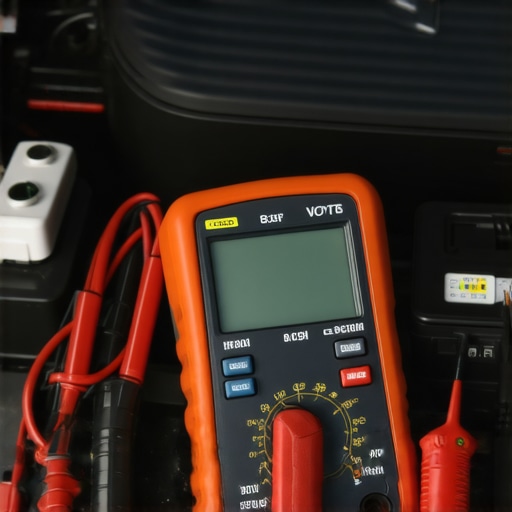
Maintaining your vehicle over time requires more than just basic checks; it demands the right tools and a systematic approach. Personally, I rely on a combination of professional-grade diagnostic equipment and simple, effective DIY tools to keep my car running smoothly for years. One of my favorite investments is a high-quality multimeter, which allows me to check electrical systems like the alternator and battery health with precision. This proactive approach helps me catch issues early, saving money and preventing breakdowns. Additionally, a reliable torque wrench ensures that critical components like wheel lug nuts and suspension parts are tightened to manufacturer specifications, which is vital for safety and longevity.
<# #>
#>
Another invaluable tool is a tear-down inspection mirror with an adjustable LED light. I use it to examine hard-to-reach areas, such as behind the engine bay or undercarriage components, without the need for lifting the car unnecessarily. Keeping a comprehensive maintenance log and scheduling regular service intervals, as outlined in our ultimate car service guide, helps ensure no aspect of your vehicle is neglected.
As technology advances, diagnostic software compatible with OBD-II scanners has become a game-changer. I personally favor OEM-specific scan tools that delve deeper than generic code readers, providing detailed reports that identify root causes rather than just symptoms. This approach aligns with insights from automotive experts who emphasize the importance of precise diagnostics in modern vehicle maintenance.
Looking ahead, the trend points toward integrating smart diagnostics into routine maintenance. Wearable sensors and cloud-connected devices will soon allow us to monitor vehicle health in real-time, enabling even more proactive care. Embracing these innovations can drastically extend your car’s lifespan and enhance safety.
How do I keep my car working flawlessly over time? Consistent use of the right tools combined with scheduled inspections and staying informed about emerging technologies. For example, regularly testing your battery’s voltage with a multimeter helps prevent unexpected failures, especially in colder months. Don’t wait until you’re stranded—try performing a comprehensive electrical system check today and see the difference it makes. Remember, investing in the right equipment and knowledge now paves the way for reliable performance tomorrow.
Looking back, one of the most valuable lessons I learned was that the smallest details in vehicle maintenance can have a big impact on safety. Fixing streaky windshield wipers taught me that proactive care—like inspecting rubber edges, choosing the right fluid, and replacing worn blades—can transform your driving experience. It’s easy to overlook these tasks, but that oversight can cost you in poor visibility during a sudden downpour. Embracing the mindset that diligent maintenance is an act of care—both for your safety and your time—has truly changed how I approach car care.
Beyond wipers, I realized that expert insights and reliable resources make all the difference. Whether it’s using high-quality diagnostic tools or consulting trusted channels like our comprehensive car service checklist, staying informed empowers you to make smarter decisions and avoid costly mistakes. When I started adopting these practices, my vehicle’s performance improved noticeably, and I felt more confident every time I hit the road.
Unlocking Hidden Car Care Lessons
- Small details matter. Overlooking simple checks can lead to big safety risks, especially in bad weather. Regular inspection of wiper blades and fluid levels is as vital as oil changes.
- Invest in quality tools and knowledge. Tools like a multimeter or an inspection mirror are game-changers. They help me catch issues early and prevent breakdowns, saving money and stress.
- Consistency beats quick fixes. Routine maintenance, guided by reliable resources and expert advice, prolongs your vehicle’s lifespan and keeps you safe.
- Proactive thinking saves worries. Addressing potential problems before they escalate means fewer surprises and safer travels.
- Stay curious and informed. The automotive world is always evolving. Reading trusted blogs and guides keeps me ahead of the curve and aware of emerging technologies that can benefit my vehicle and safety.
My Top Tools for Smarter Car Care
- High-quality multimeter: A must-have for electrical diagnostics. It’s helped me identify issues with my battery and alternator without guessing.
- Inspection mirror with LED light: Perfect for checking hard-to-see areas. It saves me time and effort during inspections.
- Reliable torque wrench: Ensures I tighten critical components correctly, preventing future problems.
- OBD-II scanner: Modern vehicles need modern diagnostics. I use an OEM-specific scanner that provides detailed insights, helping me troubleshoot effectively.
Keep Moving Forward with Confidence
I’ve learned that investing in the right knowledge and tools transforms car maintenance from a chore into a confident act of care. Regularly checking and maintaining your vehicle’s vital systems not only safeguards your safety but also extends its lifespan. Embrace this mindset, stay curious, and make proactive choices—your journey depends on it. Ready to take the next step? Dive into more tips and expert advice at our ultimate car service guide and keep your vehicle performing at its best!