
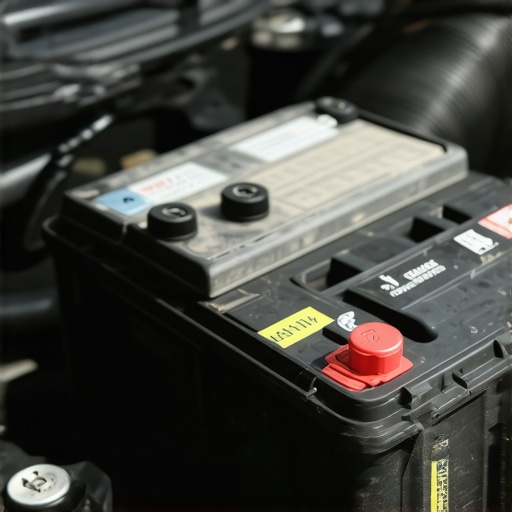
Ever had that sinking feeling when you turn the key, and your car stubbornly refuses to start? Maybe it dies right when you’re running late or during the coldest mornings, leaving you stranded and frustrated. I used to think my car’s battery just had a limited lifespan—something inevitable. But after a series of dead batteries every two years, I realized I was missing a bigger picture. It was like my car was telling me, “Hey, there’s more to this than just bad luck!”
The Real Reason Behind Your Car Battery’s Short Life
Over the years, I learned that countless drivers face the same cycle: a new battery, quick trouble, and then dead within two years. What many don’t realize is that **the root causes are often preventable**. Factors like parasitic drains, poor maintenance, or faulty wiring can accelerate battery wear out. In fact, a study by AAA found that roughly 60% of battery failures could be avoided with proper maintenance and awareness.
Early on, I made a costly mistake—ignoring the warning signs of corrosion or forgetting to check my charging system. That oversight cost me multiple batteries and unnecessary trips to the shop. Trust me, learning the proper care and understanding what drains your battery can save you money and headaches in the long run. If this sounds familiar, don’t worry—because we’re about to dive into practical solutions that actually work.
Is Your Battery Truly Dead, or Is Something Else Draining It?
One of the biggest misconceptions I had was assuming every dead battery was simply past its prime. But often, other issues are to blame—like a malfunctioning alternator or even a parasitic drain caused by a light or accessory staying on. Correct diagnosis is crucial. For detailed troubleshooting tips, you can check out this helpful guide. Recognizing these signs early can prevent your new battery from becoming a costly, short-lived investment.
Now that we’ve identified the common pitfalls, let’s explore what steps you can take to give your battery—and your wallet—a longer, happier life. Ready to become the car owner who beats the system and keeps their ride powered for years? Great. Let’s start with the essentials of proper maintenance and quick checks that can make all the difference.
Start with a Visual Inspection
Before diving into complex tests, open your hood and look for obvious signs of wear—corrosion around terminals, loose cables, or a swollen battery case. I remember a time when I noticed white powdery buildup on my terminals; cleaning it saved me from an unexpected breakdown. Use a wire brush and baking soda solution to remove corrosion—it’s quick and effective. Ensure terminals are tightly secured after cleaning to prevent parasitic drains that can shorten your battery’s lifespan.
Test Your Battery’s Charge Regularly
Invest in a digital multimeter—it’s affordable and vital. Set it to 20V and connect the red lead to the positive terminal and the black to negative. A healthy, fully charged battery should read around 12.6 volts; anything below 12.4 indicates a partial charge. I tested mine after a cold night and found it at 12.2V; a quick charge restored full capacity. Performing this test monthly helps catch issues early before your battery dies unexpectedly.
Inspect and Maintain Charging System Components
The alternator plays a key role in keeping your battery healthy. To check it, start your car and run the voltmeter test again—this time, it should read between 13.8 to 14.4 volts. If it’s lower or higher, your charging system might be faulty. I once ignored a weak alternator, which led to a dead battery in the middle of my commute. Regularly inspecting your serpentine belt for cracks and ensuring connections are snug prevents overloading your battery or damaging your alternator.
Manage Parasitic Draws Effectively
Some accessories or lights left on overnight can drain your battery. To diagnose, turn off your vehicle and disconnect the negative terminal. Set your multimeter to amps and attach it between the terminal and cable. Any reading over 50 milliamps signals a parasitic drain. I found my rear dashcam was staying powered, slowly sipping the battery—the fix was simple but effective. If you find a drain, identify and disconnect the culprit to prevent unnecessary wear.
Keep Your Battery Clean and Secure
Loose or dirty terminals hinder electrical flow. Use a mix of baking soda and water to clean corrosion and ensure terminals are clamped tightly. Also, check the battery mounting bracket—vibration can cause internal damage over time. I once discovered my battery was slightly loose; tightening the hold-down clamp improved stability and prevented rattling, which can harm internal plates and reduce lifespan.
Schedule Professional Tune-Ups
While DIY checks help, regular professional maintenance offers peace of mind. An experienced mechanic can test your entire system thoroughly and spot issues you might overlook. For comprehensive tune-up strategies that boost overall vehicle health, visit this guide. Staying ahead with scheduled tune-ups preserves your battery and ensures your car runs reliably long-term.
Many drivers go into a brake service appointment expecting a quick fix—simply replacing pads and calling it a day. But in my experience, this approach often misses the hidden nuances that truly determine your brake system’s longevity and safety. Contrary to popular belief, brakes aren’t just about stopping power; they involve complex interactions between components, driving habits, and maintenance routines that most overlook.
One of the biggest myths I encounter is the idea that replacing brake pads alone solves all issues. While new pads are essential, neglecting the condition of rotors, calipers, and fluid can lead to premature wear or even dangerous failure. For instance, uneven rotor surfaces can cause vibrations or squealing, which many attribute solely to worn pads. A thorough understanding of brake system repair reveals that a complete inspection often uncovers hidden damage, saving you from costly future repairs.
Are your brake pads wearing evenly, or are hidden issues lurking?
This is a question worth asking, especially since uneven wear often indicates caliper problems or contaminated brake fluid. Many drivers miss the signs—like a soft pedal or pulsing—they just assume it’s normal wear and tear. But these clues can preempt catastrophic failures. An advanced mistake I see is ignoring brake service myths. For example, some believe that brake fluid only needs changing every 60,000 miles, but a study by the National Institute for Automotive Service Excellence emphasizes that fluid condition directly affects brake performance and safety.
Now, let’s address a common trap: thinking that brake replacements are always unnecessary prior to the manufacturer’s recommended interval. This can be perilous if your driving style involves heavy braking or mountainous terrain. As an expert, I recommend customized maintenance schedules—these can significantly improve safety and reduce total repair costs. Don’t simply rely on the mileage estimates; consider the ultimate guide to car maintenance for tailored advice.
Thinking about all this, you might wonder, Why do so many drivers still get it wrong? Partly because of the silent complexity within brake systems. Even a minor issue like contaminated brake fluid can cause a cascade of problems, including increased pedal travel or brake fade under heavy use. Addressing these nuances requires a proactive mindset—one that doesn’t wait for brake failure to occur. Regular inspections and understanding the system’s intricacies are crucial for peace of mind and safety.
So, next time you get a brake service, ask questions about the condition of your rotors, calipers, and fluid. Don’t fall for the misconception that simply replacing pads suffices. Proper maintenance is a nuanced dance—skipping steps can cost you dearly. Want to learn more about how advanced auto repairs are evolving? Check out auto repair trends to watch in 2025. Have you ever fallen into this trap? Let me know in the comments.
Gear Up with Precision Tools for Consistent Maintenance
To ensure your vehicle remains reliable over the long haul, investing in quality diagnostic and repair tools is essential. I personally rely heavily on a digital multimeter, which has saved me countless trips to the mechanic. A reliable multimeter allows me to quickly check battery voltage, alternator output, and even diagnose parasitic drains without leaving the driveway. When choosing one, look for a model with auto-ranging capability and a reasonable refresh rate—these features prevent false readings and save time.
Beyond basic testers, a good code scanner is invaluable. I recommend models compatible with both OBD-II and Bluetooth-enabled smartphones, enabling faster diagnostics and access to manufacturer-specific codes. An advanced scanner can tell you more than just the check engine light—you can monitor real-time sensor data, which is critical for complex issues like misfires or emissions faults. Consistently using these tools helps me catch problems early, translating into fewer emergency repairs and cost savings.
Prioritize Routine Checks for Long-Lasting Performance
Besides high-tech equipment, establishing a routine inspection schedule is key. Manual checks like inspecting tire pressure, fluid levels, and brake pad thickness are simple yet impactful. I set a monthly reminder to perform these checks, incorporating visual inspections for corrosion or leaks. This habit aligns with advice in this comprehensive service checklist, which emphasizes proactive care before problems manifest.
One effective method I’ve adopted is maintaining a maintenance log. Recording inspections, repairs, and part replacements enables me to identify trends over time. For example, noticing increased brake pad wear could signal caliper issues or misaligned rotors. This data-driven approach allows me to schedule preventive repairs well before components fail, avoiding costly emergency fixes and extending the lifespan of critical systems.
The Future of Auto Maintenance: Smart Technology and Predictive Care
Looking ahead, the trend is moving toward integrated diagnostic systems that alert you to issues before symptoms appear. Electric and hybrid vehicles often feature built-in sensors that monitor health metrics in real-time, sending alerts directly to your smartphone. This evolution will make preventative maintenance more accessible and less time-consuming. I predict that advancements in artificial intelligence—like predictive analytics—will soon assist even traditional vehicles in anticipating failures, enabling owners to act preemptively.
How do I maintain my car’s health over time?
The secret lies in combining the right tools with consistent care routines. Regularly using diagnostic equipment, conducting manual inspections, and keeping detailed records empower you to catch problems early. For instance, try performing a battery load test every six months, as recommended in advanced maintenance guides. These small investments in time and equipment can save you from major repairs down the line. Ready to elevate your maintenance game? Dive into using a multimeter for quick checks—it’s a game-changer for proactive auto care and can be your first step toward longer-lasting vehicle health. For more guided tips on maximizing your car’s lifespan, visit this expert strategy guide. Don’t wait for breakdowns—start diagnosing smarter today.
The Hardest Lesson I Learned About Brake Service and Auto Repair
One of my most eye-opening experiences was realizing that routine inspections aren’t just busywork—they’re lifesavers. I once ignored uneven brake wear, thinking all pads are created equal. That oversight led to costly rotor replacements. Now, I know that catching early signs of caliper issues or fluid contamination can mean the difference between a minor tweak and a major expense.
My Unexpected Discovery About Proper Car Care
I always thought changing oil and tires was enough. But during a deep dive into vehicle maintenance, I uncovered that neglected electrical connections and charging system checks can silently kill your battery’s lifespan. Regularly testing your alternator’s output and keeping terminals clean prevents those embarrassing breakdowns, rattling your confidence—and wallet.
Why You’ve Been Missing the Real Reasons Behind Your Car Problems
Many drivers, including myself, assume that if it’s not starting, the battery is dead. Yet, diagnostic tools revealed that parasitic drains from accessories like dashcams can silently sap power. Investing in a multimeter and learning to interpret its readings has become my secret weapon in maintaining reliable vehicle health.
Lessons That Keep Me Ahead of Breakdowns
Slow leaks in brake lines or contaminated brake fluid don’t announce themselves loudly—they creep up until you feel a soft pedal or hear squeals. I now perform monthly checks on brake fluid clarity and pedal feel, preempting expensive repairs and safer driving. It’s about the small, consistent actions that build long-term peace of mind.
Looking Back: What I Wish I Knew When Starting Out
If I could go back, I’d tell my beginner self to master simple diagnostic techniques—like checking battery voltage and inspecting cables—before rushing to replace parts. These skills, complemented by trusted guides like the comprehensive auto repair trend report, transform maintenance from a chore into a proactive safeguard. The earlier you learn these lessons, the more you save—and drive confidently.
Gear Up: Tools That Make Maintenance Easier
Equipping yourself with a quality multimeter and an advanced OBD-II scanner is a game-changer. Personally, these tools have alerted me to issues long before warning lights turn on, especially in complex systems like the charging circuit or ABS sensors. I recommend investing in models that sync with smartphones, allowing you to diagnose on the go and avoid unforeseen breakdowns.
The Value of Routine Checks and Smart Scheduling
Simple monthly inspections—checking tire pressures, fluid levels, and visual crawl through engine bay—keep small issues from snowballing. I keep a maintenance log to track these observations, which has helped me spot trends and schedule proactive repairs, often saving hundreds in emergency fixes. It’s about creating habits that turn maintenance from reactive to preventive.
The Future of Auto Care is Smarter and More Accessible
With innovations like vehicle-to-smartphone alerts and AI-powered diagnostics, staying ahead of problems is easier than ever. I’m excited about how these advancements will democratize maintenance, making it accessible for everyone. To keep pace, I embrace continuous learning—reading guides like this essential maintenance guide helps me stay informed and proactive.
Your Turn to Take Control of Your Car’s Health
Remember, the most valuable auto care investment begins with knowledge and small, consistent actions. Mastering simple diagnostics and proactive inspections can dramatically extend your vehicle’s lifespan and your peace of mind. Don’t wait for a breakdown to get serious—start today, equip yourself with the right tools, and embrace smarter maintenance routines. Your car—and your wallet—will thank you for it.
What’s the one maintenance habit you’ve found most effective in keeping your vehicle reliable? Share your experiences below—I’d love to hear your tips!