
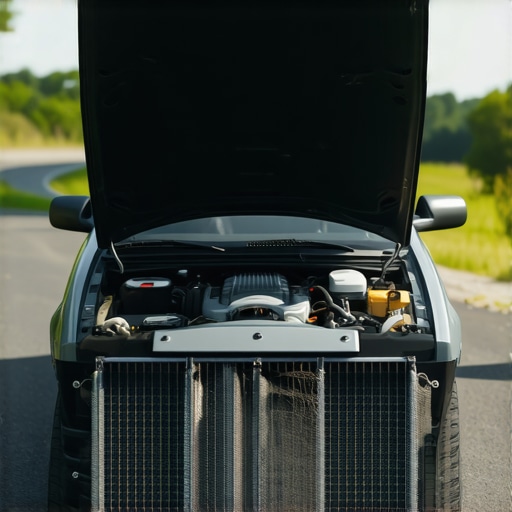
I remember the moment vividly: cruising down the highway, the sun blazing, and suddenly feeling a strange hesitation in my car’s shift. My heart sank. It was a hot summer day, and my transmission was sluggish—an ominous sign that I was pushing my car’s cooling system to its limits. That lightbulb moment hit me hard: how many of us unknowingly risk overheating our transmissions during these scorching trips? Today, I promise to share the practical steps I took to keep my transmission cool and ensure a smooth ride, even in the heat.
Why Overheating Transmission During Summer Trips Can Ruin Your Day—and Your Car
Summer road trips are the best, right? But if you’re like me, you’ve probably faced the stress of your vehicle overheating or, worse, the transmission acting up at the worst moment. Transmissions operate under immense stress, especially in the heat; the hotter it gets outside, the more demanding it is for your cooling system to keep everything running smoothly. Over time, neglecting this can lead to costly repairs, breakdowns, and ruined vacations. My early mistake was thinking a simple coolant flush was enough—only to realize that my transmission temperature was still climbing dangerously high during long drives. That’s a common oversight, and an easy fix involves understanding the core mechanisms that keep your transmission cool and ensuring they’re functioning properly. For more on routine maintenance, check out [this car service checklist](https://glassfixauto.com/car-service-checklist-how-to-keep-your-vehicle-in-top-shape).
Have you ever experienced a transmission warning light flickering just as the heat index skyrocketed? If so, you’re not alone. In fact, a study by the National Highway Traffic Safety Administration found that heat-related breakdowns increase significantly during the summer months. Recognizing the signs early and knowing how to prevent overheating can save you hundreds, if not thousands, in repairs. Today, I’ll walk you through the most effective ways to keep your transmission cool and avoid that dreaded hot-ride hiccup.
Is Transmission Overheating Actually Worth the Hype?
Early in my journey, I dismissed some advice about transmission cooling, thinking, “It’s just hot weather; my car will handle it.” Wrong. One mistake I made was ignoring the signs of rising transmission temperature because I assumed it was normal summer behavior. I’ve since learned that ignoring these signs can lead to severe damage—think of it like ignoring body fatigue; it catches up with you. If you want your summer adventures to be smooth and worry-free, understanding how to monitor and prevent transmission overheating is a must. To get a comprehensive idea, visit [this troubleshooting guide](https://glassfixauto.com/troubleshooting-common-auto-repair-issues-before-visiting-the-shop). Next, let’s look at practical steps to ensure your transmission stays cool under the blazing sun.
Monitor Transmission Temperature Regularly
Start by installing a reliable transmission temperature gauge if your vehicle doesn’t already have one. I did this on a particularly hot weekend when I was preparing for a road trip to Albuquerque. During a routine drive, I noticed my transmission temperature creeping higher than usual. Catching this early allowed me to pull over and let the system cool down, preventing potential damage. For detailed guidance on vehicle maintenance, check out this car service checklist.
Flush and Replace Transmission Fluid
If your transmission fluid is old or contaminated, it hampers cooling efficiency. During my own tune-up, I drained and replaced the fluid, which improved cooling performance. Think of it like changing the oil in your engine to keep everything running smoothly. Regularly scheduled tune-ups are essential for maintaining optimal transmission temperatures, especially in summer.
Install a Transmission Cooler
Adding an auxiliary transmission cooler is like installing an extra radiator for your transmission. I had the professional at my local shop install one after noticing my car struggled on steep inclines during hot days. The cooler was connected inline with the existing system, significantly lowering transmission temps during intensive drives. This investment not only prevents overheating but also extends your transmission’s lifespan.
Inspect and Maintain Cooling System Components
A well-maintained radiator, water pump, and hoses are critical to preventing heat buildup. I checked my cooling system for leaks and ensure the radiator fan was working properly. When one component failed unexpectedly, I learned firsthand how neglecting this step could lead to overheating. Regular inspections and replacements are vital, especially before long trips. For a comprehensive understanding, see how tune-ups improve your car’s safety.
Drive Conservatively and Avoid Excessive Loads
Rapid acceleration and heavy towing increase transmission heat exponentially. During my trip, I consciously avoided aggressive driving, which kept the transmission cooler. Think of your transmission like a person running a marathon; pacing yourself conserves energy and prevents overheating. Planning ahead to avoid steep grades or heavy gear helps maintain safer temperatures throughout your journey.
Utilize Cooling Fans and Ventilation
When stuck in traffic or idling, turn on your cooling fans manually if possible. I once kept my windows down during a long traffic jam, which helped dissipate some heat from the engine bay, indirectly benefiting the transmission. This simple action can be surprisingly effective, especially during peak summer days.
Many car owners operate under myths that can hinder proper maintenance, leading to costly repairs down the line. For instance, a widespread belief is that frequent oil changes are unnecessary if the car isn’t showing issues. However, regular tune-ups and oil changes are essential to prevent engine wear and improve fuel efficiency; you can learn more about this in auto repair trends to watch in 2025. Another common misconception is that brake pads need replacement only when they squeal. Still, visual inspection reveals that pads can wear unevenly or become damaged without noise, emphasizing the importance of routine brake service; explore more about brake myths at brake service myths.
One hidden nuance many overlook involves transmission fluid. Many believe that the “lifetime” fluid needs no change; however, studies show that even sealed transmissions benefit from periodic fluid replacements to prevent overheating and extend lifespan see why transmission fluid changes matter.
A critical trap is assuming that all car services are equally urgent. Skipping scheduled tune-ups can lead to unnoticed issues like worn belts or failing sensors, which compromise safety and performance. Regular maintenance, including verifying cooling system components, can prevent overheating—a topic often misunderstood, leading to neglect. For a detailed guide, visit car service scheduling tips.
Ever wondered why a simple car inspection can detect hidden issues before they escalate? Because advanced diagnostics and understanding of nuanced auto mechanics allow us to catch problems early, saving money and ensuring safety. For example, misdiagnosing a transmission issue as a minor slip leads to bigger repairs later—stay ahead by understanding the signs. Many drivers are unaware of the latest auto repair trends and modern diagnostic tools that can identify problems at an early stage.
Don’t fall into the trap of neglecting small but critical details in your vehicle’s maintenance routine. Be informed, ask questions, and ensure your mechanic follows comprehensive checklists and procedures. A well-maintained vehicle not only runs smoothly but maintains its value longer. Have you ever fallen into this trap? Let me know in the comments.Keeping your vehicle in top shape requires more than just occasional visits to the mechanic. It involves using the right tools and adopting effective maintenance strategies to ensure long-term performance. One of my go-to tools is a high-quality digital scan tool like the BlueDriver Bluetooth Professional OBD2 Scanner, which allows me to read and clear diagnostic trouble codes quickly. I use this device regularly to monitor engine and transmission health, preventing small issues from escalating into costly repairs. Additionally, investing in a reliable infrared thermometer helps me pinpoint overheating parts, especially during summer trips, ensuring that cooling systems are functioning correctly. When it comes to maintenance routines, I rely on detailed service checklists like the one at this checklist to stay organized and proactive. These tools and methods have helped me identify potential problems early, saving time and money. Looking ahead, I believe the trend toward integrated vehicle diagnostics—combining scan tools with smartphone apps—will revolutionize auto maintenance by making DIY diagnostics even more accessible.
How do I maintain long-term performance without getting overwhelmed?”},Lessons from the Road Less Traveled
One of the most valuable lessons I learned was that prevention beats repair—trust me, ignoring minor signs of overheating can turn into costly repairs down the line. I also discovered that investing in a quality transmission cooler and regular fluid changes saved me from unexpected breakdowns during the hottest months. Lastly, I realized that consistent monitoring and conservative driving can significantly reduce stress on your transmission, especially when the thermometer hits triple digits.
My Essential Kit for Summer Transmission Care
Beyond basic maintenance, I rely on a trustworthy digital scan tool for early diagnostics and an infrared thermometer to spot hot spots before they cause damage. These tools empower me to handle small issues proactively, making routine checks a part of my summer routine. For comprehensive maintenance, I always refer to this detailed service checklist. What tools do you swear by to maintain your vehicle’s health during peak seasons?
Fuel Your Drive with Confidence
Taking charge of your transmission health isn’t just about equipment—it’s a mindset. Embrace routine checks, stay informed about your vehicle’s needs, and don’t hesitate to seek professional advice when in doubt. Remember, your vehicle’s longevity depends on your vigilance and proactive care. Whether it’s a simple fluid change or installing a transmission cooler, every step adds up to a safer, smoother journey. So, are you ready to take control and give your car the summer care it deserves? Share your experiences and questions below—let’s keep the conversation rolling!