
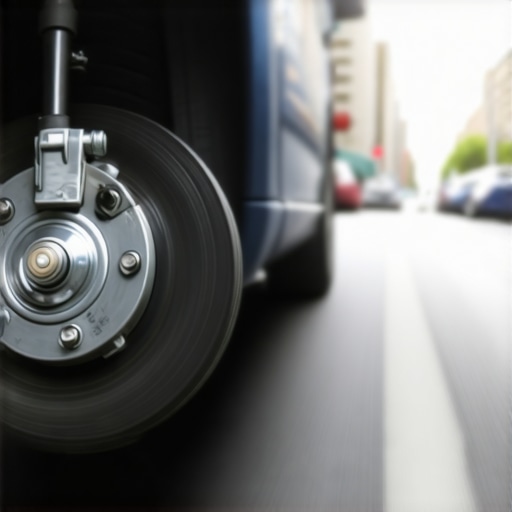
I remember a particular morning when I was running late, clutching my coffee as I reversed out of the driveway. Suddenly, I felt an unusual tug to the right every time I pressed the brake pedal. That unexpected pull was more than just a minor annoyance; it was a wake-up call that something was seriously off with my car’s brake system. At first, I thought it might be a simple alignment issue or uneven tire pressure, but as I dug deeper, I realized that this common problem often points to more complex underlying causes. Have you ever experienced your car pulling to one side only when you brake? If so, you’re not alone, and I want to help you understand what’s happening and, more importantly, how to resolve it.
Understanding Why Your Car Drifts During Braking
When your vehicle pulls to one side under braking, it can feel like the car is fighting against you. This issue can be caused by several factors, including uneven brake pad wear, a stuck caliper, or a problem with the brake fluid distribution. One of the most common culprits is a sticking caliper, which causes uneven pressure on the brake pads, resulting in that unsettling pull. Another frequent cause is uneven tire pressure or worn suspension components, which can influence how your car responds during braking.
Addressing this problem early is crucial because it directly impacts your safety and can lead to more costly repairs if left unchecked. According to a recent automotive safety report, improper brake function accounts for a significant percentage of road accidents annually. Taking care of your brakes not only keeps you safe but also extends the lifespan of your vehicle’s braking system. For a comprehensive understanding of the brake system and what might be causing your specific issue, I recommend reading this detailed guide.
If you’re experiencing this tug, it might be tempting to ignore it, thinking it’s just a minor inconvenience. However, even seemingly small issues can escalate quickly, leading to uneven brake wear or complete brake failure. I’ve learned from personal experience that addressing brake concerns promptly saves you money and keeps your driving safe.
Is Self-Diagnosing Your Brake Pulls Really Worth It?
Early on, I made the mistake of assuming I could fix my brake issue without proper knowledge, which only made things worse. Many folks dive into repairs or replacements without understanding the root cause, often wasting time and money. The truth is, proper diagnosis is key. While it’s tempting to jump straight to brake pad replacement or caliper cleaning, understanding the true source can save you from unnecessary expenses. To ensure you’re on the right track, consider consulting a professional or trustworthy resources that explain auto repair secrets. Curious about how to assess and fix your braking system effectively? You might find this article on brake service myths very enlightening.
So, if your vehicle is pulling to one side every time you brake, don’t dismiss it as a minor nuisance. With the right knowledge and prompt action, you can restore safety and confidence behind the wheel. Up next, I’ll walk you through the practical steps to diagnose and fix this common but critical problem—making your car safer and your drive smoother.
Inspect Brake Components First
Begin by safely parking your car on a level surface, turning off the engine, and engaging the parking brake. Remove the wheel on the side where the car pulls—that’s like peeling back the curtain to see what’s happening inside. Check for obvious signs of uneven brake pad wear or sticking calipers, which often cause pulling. If you spot uneven pads or a caliper that doesn’t move freely, that’s your culprit. Remember, brake pads are like shoe soles; uneven wear signals something’s not right, and replacing them without addressing the root cause can lead to uneven wear again. For a detailed insight, review this guide.
Use a Brake Caliper Compression Tool
If your calipers are sticking or not retracting properly, you’ll need a brake caliper compression tool—a device similar to a giant clamp. Apply it carefully to push the piston back into the caliper housing, which restores proper function. I remember struggling with this step because the piston was stubborn, and I nearly slipped, but patience and slow, steady pressure saved me from damaging the caliper. Once compressed, reassemble and test drive to see if the pull persists. Proper compression ensures even pressure on the brake pads, preventing your car from pulling during stops. For more details, check auto repair trends.
Bleed the Brake System
Air bubbles trapped in the brake lines can cause uneven braking, leading to pulling. Bleeding the brakes involves removing these air pockets, like squeezing the extra air out of a balloon. You’ll need a partner or a brake bleeding kit. Start at the wheel farthest from the master cylinder and work your way closer, opening the bleeder valve, and asking your helper to press the brake pedal slowly. Watch for bubbles escaping, then tighten the valve. Repeat until the fluid flows without bubbles. This step is critical—air in the lines acts like a blockage, reducing hydraulic pressure. I once attempted to bleed brakes without proper tools and ended up with a spongy pedal, but taking it slow and using quality gear made all the difference. Learn more at Troubleshooting guide.
Check Tire Pressure and Suspension
Evenly inflated tires and healthy suspension components are key to consistent braking. Use a tire pressure gauge to ensure all tires match the recommended PSI—like balancing the scales before weighing. Worn or misaligned suspension can also yank the vehicle to one side. If your suspension feels loose or if you notice uneven tire wear, it may be time for a professional tune-up. Think of your suspension as the foundation of a house—if it’s compromised, every part above suffers. For comprehensive maintenance tips, see tune-up essentials.
Test Drive and Fine-Tune Adjustments
After completing these steps, take your car for a controlled test drive. Accelerate to a moderate speed, then gently apply the brakes, paying close attention to how the vehicle behaves. If pulling persists, revisit the previous steps, checking for missed issues. Remember, sometimes minor adjustments can solve the problem—like tightening a clamp or rechecking brake fluid levels. Keep a notebook of what you did and the results to trace what worked best. Proper diagnostics and persistent fine-tuning are the backbone of effective auto repair. For more troubleshooting tips, visit auto repair trends.
Many vehicle owners believe that all auto repairs, especially brake service and tune-ups, are straightforward and that following generic advice guarantees safety and longevity. However, as an experienced mechanic, I’ve seen countless misconceptions that can lead drivers astray. For instance, a prevalent myth is that replacing brake pads alone will solve all braking issues. In reality, if underlying problems like caliper sticking or uneven rotor wear aren’t addressed, the issues will recur quickly, often damaging new parts and increasing costs. Another mistake is thinking that regular tune-ups are only necessary when the car shows symptoms. Actually, proactive maintenance—like inspecting belts, fluids, and sensors—can prevent costly breakdowns. Many people overlook the importance of diagnosing the exact cause of symptoms, assuming a simple fix will suffice. This approach can backfire, leading to incomplete repairs or overlooking hidden issues such as vacuum leaks or failing wheel bearings that subtly affect braking performance. A common trap in auto repair is the reliance on cheap, quick-fix solutions advertised online, which sometimes use inferior parts or skip crucial steps. This compromises safety and can damage your vehicle further. Advanced car systems today, including electronic stability control and ABS, require precise diagnostics; ignoring this complexity is a risky oversimplification. For example, a misdiagnosed ABS sensor malfunction might lead a driver to believe the entire brake system needs overhaul, when strategic cleaning or calibration would suffice. Studies show that improper service practices not only cost more long-term but also diminish vehicle safety. According to automotive safety research, about 40% of brake failures can be traced back to incomplete or improper repairs. Remember, routine maintenance isn’t just about replacing parts; it’s about understanding your vehicle’s nuanced systems. For a comprehensive approach, consulting a seasoned professional or utilizing detailed guides, like this [auto repair trends](https://glassfixauto.com/auto-repair-trends-to-watch-in-2025-staying-ahead-of-the-curve), can make all the difference. Don’t fall into the trap of thinking that auto repairs are simple or that one-size-fits-all solutions work. Vehicles are complex machines, and each mileage, driving style, and environment impacts their maintenance needs. Often, it’s the small overlooked details—the uneven brake rotor surface, the subtle play in suspension components—that are the real issues. Making assumptions based on superficial inspection can overlook dangerous problems. Always prefer a thorough diagnosis over quick fixes. This is especially true given the increasing integration of electronic systems into modern cars. Expertise in reading diagnostic codes and understanding system interrelations is essential. For instance, a mechanic who merely replaces brake pads without inspecting ABS sensors or brake fluid conditions might miss the root cause of pulling or squealing. Ultimately, your vehicle’s safety relies on properly understanding and addressing these nuances. Regular, detailed inspections help prevent minor issues from escalating into costly repairs or safety hazards. Consider reviewing [this](https://glassfixauto.com/understanding-brake-system-repairs-a-guide-for-vehicle-owners) for a deeper dive into brake system maintenance. Have you ever fallen into this trap? Let me know in the comments.
Investing in the Right Gear for Auto Care
Maintaining your vehicle’s performance over time requires more than just basic knowledge; it demands reliable, precise tools. Personally, I swear by a high-quality digital multimeter for diagnosing electrical issues—it’s invaluable for checking batteries, sensors, and wiring without guesswork. For brake system assessments, a professional-grade brake caliper piston tool ensures I can service calipers correctly without damaging components, which is critical given how sensitive modern brake systems are. When it comes to wheel alignments and suspension diagnostics, a laser alignment system has become essential for ensuring accurate readings and preventing uneven tire wear. These tools may seem costly upfront, but they save money in the long run by allowing accurate, timely repairs instead of guesswork or unnecessary replacements.
In addition to physical tools, software plays an increasingly vital role. Maintenance tracking apps like Torque or OBDLink help monitor your vehicle’s health by reading diagnostic trouble codes directly from the car’s computer. I use these to preemptively catch issues before they escalate, especially with complex electronic systems that are common in newer vehicles. Embracing these digital diagnostics has significantly boosted my ability to perform efficient tune-ups and repairs, ensuring my car stays in top shape over the years.
How do I keep my auto maintenance routine effective over time?
Consistency is key. Regularly scheduled inspections—at least bi-annually—paired with these precise tools, form the backbone of effective long-term vehicle care. For example, verifying brake fluid conditions with a dedicated tester can prevent caliper sticking and rotors from warping. Also, employing an air compressor with a pressure regulator helps in cleaning and maintaining suspension components, especially if you drive in harsh conditions. I recommend reviewing this resource to refine your routine and ensure every aspect of your vehicle’s health is addressed.
Looking ahead, the integration of smarter diagnostic tools and AI-based predictive maintenance systems promises to Revolutionize auto care. These advancements will empower vehicle owners to anticipate problems before they manifest physically, saving money and improving safety. I predict that in the coming years, even casual drivers will have access to handheld devices capable of comprehensive system analysis, similar to professional shop equipment. Preparing now by investing in quality tools and learning how to interpret data can put you ahead of the curve.
What about ongoing maintenance? How do I keep systems in check without getting overwhelmed?
Establishing a disciplined schedule is vital. Regular coolant flushes, brake system reviews, and fluid level inspections should become second nature. For instance, checking brake fluid clarity every six months using a simple testing strip can alert you to potential issues—preventing caliper corrosion or brake pad uneven wear. Moreover, maintaining your suspension and steering components through proper lubrication and timely replacements helps keep handling sharp and predictable. Remember, proactive care is more about routine checks than waiting for symptoms to show. For detailed guidance on routine procedures, feel free to visit this checklist.
If you really want to step up your maintenance game, consider trying an advanced tip I personally use: periodically calibrate your tire pressure monitoring system with a professional scanner. Accurate TPMS readings can catch slow leaks or sensor malfunctions early, preventing uneven tire wear and ensuring safety. Certified auto techs often recommend using a diagnostic scanner like the Autel MaxiScan or equivalent for this task, which I’ve found incredibly effective. Investing in such tools and incorporating routine calibration into your maintenance plan can significantly enhance your vehicle’s lifespan and safety.
Three Hidden Truths That Changed My Approach to Brake Service
One of the most eye-opening lessons I learned was realizing that even the tiniest uneven wear patterns on brake pads can be indicators of deeper issues. Ignoring these signs can result in recurring problems and costly repairs later. Another insight was discovering how critical proper caliper maintenance is—sticking calipers don’t just cause pulling; they can also lead to uneven rotor wear, compromising your safety. The most surprising lesson was understanding the importance of regular brake fluid testing; contamination or air in the lines can silently sabotage your braking system, leading to dangerous delays during stops. Embracing these lessons transformed my approach from reactive repairs to proactive maintenance, ensuring safer, smoother drives for myself and my clients.
Tools and Resources That Truly Elevate My Auto Care Routine
My essential toolkit includes a high-quality digital multimeter—it’s indispensable for diagnosing electrical issues that can subtly affect your brakes or ABS sensors. I trust the comprehensive brake repair guide because it offers in-depth insights that help me make informed decisions. For calibration and advanced diagnostics, a professional-grade brake caliper compression tool makes all the difference, ensuring I can service calipers without causing damage. Lastly, staying updated with auto repair trends helps me anticipate future challenges and adapt my practices effectively. These tools and resources have elevated my auto care approach beyond basic fixes, allowing me to deliver lasting safety and reliability.
Ignite Your Drive—It’s Time to Take Action
Keeping your vehicle’s braking system in top shape isn’t just about fixing problems—it’s about actively preventing them. By applying the insights and tools I’ve shared, you can transform your auto maintenance routine and gain confidence every time you hit the road. Remember, small, consistent steps can lead to significant safety benefits and longer-lasting vehicle performance. Don’t wait for noticeable issues to become emergencies—start incorporating proactive brake care into your regular schedule today. Your safety and peace of mind depend on it. If you’ve ever wondered about the subtle signs of brake trouble or want personalized advice, I’m here to help. Let’s keep your car running smoothly and safely!