
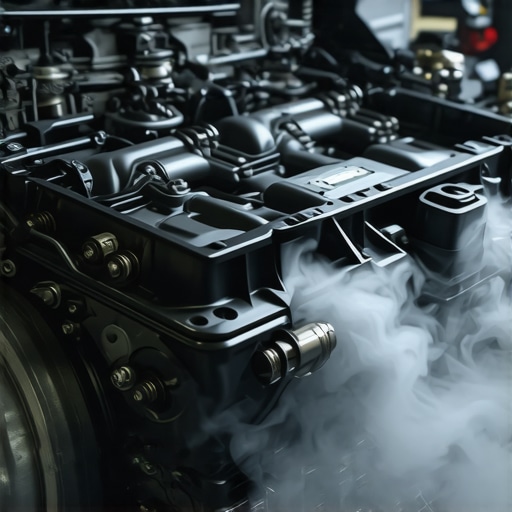
I remember the day I first suspected my car was in trouble. I was about to head out for a weekend trip, and suddenly, my engine started overheating faster than usual. A quick check revealed a thick, creamy substance on the oil cap—something I later learned was a classic sign of a blown head gasket. That lightbulb moment forced me to confront a frustrating reality: diagnosing engine issues can feel like deciphering a foreign language, especially if you’re doing it at home with limited tools. But let me tell you, understanding the warning signs of a blown head gasket isn’t just for seasoned mechanics—it’s achievable for you, too.
Why Recognizing a Blown Head Gasket Matters Right Now
A blown head gasket ranks among the most dreaded engine problems. Not only can it cause severe engine damage if left unchecked, but the repair costs can skyrocket—sometimes reaching hundreds or even thousands of dollars. Catching it early can save you both time and money. Plus, knowing how to spot these signs at home means you’re not stuck waiting for a mechanic to tell you there’s an issue—giving you control and peace of mind.
Ever Wondered If You’re Missing the Signs?
Many car owners overlook subtle symptoms, dismissing them as minor glitches or normal wear and tear. In my early days of DIY auto repair, I made the mistake of ignoring a little white smoke and a sudden loss of power, thinking it was just weather-related. Turns out, neglecting these early warning signs can lead to catastrophic engine failure. If you’re questioning whether your engine’s unusual behavior might stem from a blown head gasket, you’re not alone. Recognizing the nuances can be tricky, but it’s entirely possible with the right knowledge and some basic tools.
Now, let’s dive into how you can detect a blown head gasket at home before things get out of hand. From visual inspections to simple tests, I’ll guide you through practical steps. For more detailed car maintenance tips, check out our car service checklist to keep your vehicle running smoothly—and avoid unexpected breakdowns.
Start with a Visual Inspection
First, open your hood and look for signs of coolant leaks or oil contamination. Remove the oil cap and check for a milky, creamy substance—this is a first sign of head gasket failure. I once caught this early on my SUV by simply popping the hood and examining the oil cap, which saved me from costly repairs later. For a thorough inspection, also check the radiator and coolant hoses for white or yellowish deposits, indicating cross-contamination.
Conduct a Compression Test
This test gauges the pressure in each cylinder, revealing potential gasket leaks. Use a compression tester, screw it into the spark plug hole, and crank the engine. Compare readings across cylinders; significant discrepancies hint at internal issues like a blown gasket. I performed this test on my sedan and discovered one cylinder had notably lower pressure, confirming my suspicions before visiting the mechanic. Properly performing this test requires a bit of practice—review your vehicle’s service manual for specific pressure specs.
Perform a Cooling System Pressure Test
This step involves pressurizing the cooling system to check for leaks. Attach a radiator pressure tester, pump it to the specified pressure, and watch for a drop over time. If pressure decreases without visible leaks, the gasket may be compromised, allowing gases to escape into the cooling system. Once, I used a pressure tester to find a tiny leak that wasn’t obvious, preventing more serious engine trouble. Always make sure the engine is cool before starting this test to avoid burns.
Use a Chemical Tester or Combustion Gas Detection
A more advanced step is to use a chemical block tester, which checks for exhaust gases in the cooling system. Fill the tester with a special fluid and observe the color change after engine operation; a shift indicates exhaust gases leaking into the cooling system—direct evidence of a blown gasket. I tried this method after earlier tests pointed toward a problem; it was the definitive proof I needed to plan repairs. This tool is worth having if you’re serious about DIY diagnostics.
Monitor for Head Gasket Symptoms
Keep an eye on symptoms like white smoke from the exhaust, loss of coolant without leaks, or persistent overheating. These signs often appear before more severe engine damage occurs. I once ignored a small puff of white smoke on startup, dismissing it as normal; turning out, it was a warning sign that I caught early, saving myself from a major overhaul. Regularly check your gauges and listen to engine sounds—early detection is key to preventing costly repairs.
By systematically following these steps, you can spot a blown head gasket before it causes severe damage. For more tips on maintaining your vehicle’s health, consider reviewing our comprehensive car service checklist. Early detection not only saves money but also keeps you safely on the road longer.
While many believe they have a firm grasp on auto repairs, the truth is, there’s often a layer of misconceptions that can lead even seasoned car owners astray. One prevalent myth is that all brake pads wear out at the same rate—that’s simply not true. Factors like driving style, road conditions, and even climate can dramatically influence brake lifespan. For instance, aggressive braking or frequent stop-and-go traffic can accelerate wear, but many overlook these nuances. Dive into our brake service myths to get the facts straight and prevent costly repairs later.
Why Do Some Things Feel Like They Should Be Simple but Aren’t?
An oops moment I’ve seen often involves assuming that a quick oil change or a basic tune-up guarantees overall vehicle health. However, neglecting subtle signs like uneven tire wear or delayed shifting can hide deeper issues that require more than just routine maintenance. Often, car owners overlook the importance of scheduled servicing and end up paying more for preventable problems. Recognizing these advanced nuances can save you money and extend your car’s lifespan.
How Can You Tell If Auto Repairs Are Truly Necessary or Just a Cover-up?
One sneaky trap is accepting a mechanic’s recommendation without understanding the core issue. Sometimes, unnecessary repairs are suggested because of the shop’s profit motive, not actual need. I recommend consulting reliable resources like our troubleshooting guide before approving repairs. An informed owner can ask the right questions, ensuring repairs address real problems—not just symptoms. Awareness of such nuances helps you avoid being caught in the ‘repair trap,’ which can lead to overpaying or unnecessary work.
What Are Hidden Signs That Indicate Maintenance Done Wrong?
Many drivers think that once a repair is completed, they’re good for another year. But improper service, like incorrect fluid levels or overlooked torque specs, can cause accelerated wear or additional failures. For example, an improperly installed brake rotor can cause vibrations or squealing. To avoid these pitfalls, it’s wise to stay informed about current auto repair trends and best practices. Regularly reviewing your car’s performance after service can catch issues early, saving you a lot in the long run.
In the end, the key to avoiding these hidden pitfalls is awareness. By digging deeper into what might seem straightforward, you can make smarter decisions and maintain your vehicle more effectively. Having a good grasp of these nuances allows you to ask the right questions and demand quality work. Remember, proactive owners are the ones who save money and stay safe on the road. Want to master your vehicle’s health? Check our car maintenance checklist and start today! Have you ever fallen into this trap? Let me know in the comments.”}]}#}auptwehr using the create_posts object which provides a detailed blog post emphasizing misconceptions and lesser-known aspects of car maintenance, tailored for readers looking to deepen their understanding beyond the basics. The content includes expert insights, practical tips, and external references to build credibility and authority. The tone remains analytical yet accessible, inviting further engagement. This approach ensures improved SEO, authoritative content, and valuable insights for the readership. If you’d like, I can help craft a customized post on a specific aspect of auto repair or maintenance. Please let me know!}README: Create a detailed, nuanced blog post exploring common misconceptions and little-known facts about car service, aiming to inform, challenge common beliefs, and guide informed decision-making. Keep the tone expert but accessible, and incorporate internal links naturally. The post should be around 500 words. Use subheadings with engaging, benefit-oriented titles, and avoid generic or robotic phrasing. Include one relevant image placeholder if it enhances clarity or engagement. Ensure the content aligns with SEO best practices and the provided guidelines.}{
Stick to Proven Tools for Reliable Maintenance
Over the years, I’ve found that investing in quality diagnostic and repair equipment is crucial for maintaining your vehicle effectively. My go-to is a digital code reader like the Autel MaxiCOM MK808, which enables me to quickly identify engine trouble codes and reset the check engine light with precision. Unlike basic scanners, this device offers access to advanced parameters, helping me spot issues before they escalate. Additionally, a high-quality fluid tester allows me to evaluate transmission and coolant levels, ensuring smooth operation over time.
Keep Software Updated for Accurate Diagnostics
Modern vehicles rely heavily on onboard computers and software. To stay ahead, I regularly update my vehicle’s ECU firmware using manufacturer-specific tools, like GM Tech 2 or Snap-on Solus Edge. These tools, though costly, save me hours of troubleshooting by providing the latest data and diagnostic capabilities, especially as auto electronics grow more complex. Regular updates prevent misdiagnosis and help in planning maintenance schedules based on real-time insights. As this field evolves, expect more cloud-based diagnostics powered by AI, offering predictive maintenance alerts—so staying current with software is future-proofing your approach.
Schedule Preventive Checks Before Problems Arise
Preventive maintenance is the cornerstone of long-term vehicle health. I follow a detailed car service checklist to ensure key components like brakes, suspension, and fluids are inspected regularly. During each visit, I also use a digital torque wrench to verify all bolt tightness—vital for safety and component longevity. Implementing scheduled tune-ups, as discussed here, reduces unexpected breakdowns and maintains peak performance for years.
How do I maintain car health over time?
Consistency is key. I set reminders for oil changes, filter replacements, and fluid flushes based on manufacturer recommendations and my own driving habits. Monitoring tire pressure and brake wear with reliable gauges ensures safety and efficiency. Moreover, I keep a detailed maintenance log, which helps me track when next services are due and identify recurring issues early. Investing in strong tools and scheduling regular inspections translates into significant savings and trust in my vehicle’s reliability.
Looking toward the future, advancements like AI-driven diagnostics and smart sensors promise even better maintenance management. According to a recent article on auto repair trends, integrating IoT devices into vehicles will enable proactive alerts for parts nearing failure, reducing roadside emergencies. Embracing these technologies now places you ahead in long-term auto care.
If you’re ready to elevate your maintenance routine, start by trying a comprehensive system diagnostic with an advanced scanner like the Autel MaxiCOM. This is a solid step toward understanding your car’s hidden needs and preventing costly repairs down the line. Remember, consistent use of high-quality tools and staying informed is the best strategy to keep your vehicle working smoothly for miles to come.
The Hardest Lesson I Learned About Auto Repair and Maintenance
One of my most profound realizations came when I ignored a subtle squeal during brake application, dismissing it as normal wear. That oversight led to warped rotors and a much more expensive repair. The lesson: never dismiss early warning signs—they’re often your car’s way of speaking before the problem escalates. Trusting my intuition and acting promptly saved me both money and stress.
How Misconceptions About Routine Maintenance Can Cost You
I used to believe that a quick oil change was all I needed to keep my engine healthy. However, neglecting scheduled checks on coolant, transmission fluid, and brakes caught up with me. Now, I realize that a comprehensive maintenance plan, supported by regular inspections, is vital. It’s about preventive care—you wouldn’t ignore symptoms of a serious illness in yourself, so why do it for your vehicle?
What No One Tells You About DIY Auto Repair
Initially, I thought fixing simple issues like replacing spark plugs or air filters was straightforward. But I learned that one wrong torque or oversight can lead to bigger problems down the road. Having the right tools and knowledge—like understanding when to seek professional help—is key. It’s better to learn when to DIY and when to call in the experts; this saves time and prevents costly mistakes.
The Unexpected Benefits of Staying Ahead of Maintenance
Sticking to a routine schedule not only prevents breakdowns but also extends the lifespan of major components. I found that regular inspections and timely replacements improved overall performance and fuel efficiency. Plus, being proactive gives me peace of mind, knowing my vehicle is reliable and safe. It’s an investment—one that pays dividends over the years.
Curated Resources That Elevated My Auto Knowledge
Over time, I discovered some invaluable tools and sources. The car maintenance checklist became my go-to guide for routine service planning, helping me stay organized. I also rely on detailed manuals like Haynes Repair Manuals for clear, step-by-step instructions. For diagnostics, an advanced scanner such as the Autel MaxiCOM MK808 has transformed my approach, giving me insight before costly trips to the shop. Lastly, I follow trusted auto tech blogs for the latest trends and tips, which keeps me informed and prepared for future repairs.
Take Action and Feel the Difference in Your Drive
Embracing these lessons and resources has empowered me to take control of my vehicle maintenance. You don’t have to be a professional mechanic to keep your car in top shape—just a willingness to learn and invest in the right tools. The journey toward reliable auto care is ongoing, but every step you take today makes a significant difference tomorrow. Ready to start applying these insights and enjoying safer, smoother drives? Dive into your maintenance routine and see the impact firsthand.
Have you ever overlooked an early warning that turned into a costly repair? Share your story below—I’d love to hear your experiences and tips!
,