
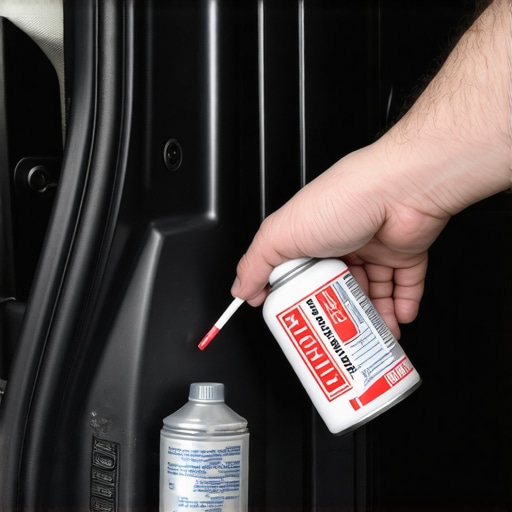
Ever been in a rush to leave for work, only to find your car window refusing to roll up? That frustrating jam can turn a quick trip into a major hassle. I remember the first time it happened to me — I was trying to leave a drizzly Saturday morning, and my driver’s side window was stuck halfway. I felt a surge of annoyance, looking for a quick fix without the hassle of a costly repair shop.
Why a Sticky Power Window Can Ruin Your Day — And How To Fix It Easily
Realistically, most of us don’t have endless patience for auto repairs, especially when a simple solution exists. I learned that a can of silicone spray might just be your best friend in these sticky situations. Not only is it affordable and easy to find, but it also offers a safe way to lubricate those stubborn window tracks and mechanisms. No need to crawl under the dashboard or order expensive parts online.
Is Silicone Spray Really Worth the Hype?
Early on, I made the mistake of thinking WD-40 was the magic solution for everything, including my car windows. Turns out, while WD-40 is great for freeing rusted parts, it can leave a greasy film that attracts dirt and might cause future problems. Silicone spray, on the other hand, provides a slick, long-lasting coating that repels dust and keeps your window moving smoothly. If you’re skeptical, just ask yourself this: Why do professionals prefer silicone for window lubrication?
Sticking windows aren’t just a minor annoyance; they can signal underlying issues like worn-out tracks or deteriorated lubricants. Recognizing these problems early can save you from more expensive repairs later. For a comprehensive understanding of vehicle maintenance, I recommend visiting [this guide](https://glassfixauto.com/car-service-checklist-how-to-keep-your-vehicle-in-top-shape) to ensure your car stays in top shape.
Now, let’s get into how you can put this simple fix into action, and get your window gliding like new again.
Prepare Your Workspace and Gather Materials
First, park your car in a well-lit, dry area away from harsh sunlight. Ensure the engine is off and the window switch is in the “off” position. Gather a can of silicone spray, a clean microfiber cloth, and a screwdriver if you need to remove any panels. I remember one rainy afternoon when my window was halfway down, and I decided to fix it myself — I grabbed the silicone spray and some tools, then headed to the driveway.
Identify the Problem Spot and Access the Track
Next, lower the offending window as far as it will go, or if it’s stuck, carefully pry off the door panel using the screwdriver or plastic trim tools. Look for any debris, dirt, or corrosion along the window tracks and mechanisms. In my case, I noticed some dirt accumulation at the top of the window track that was preventing smooth movement.
Clean the Window Tracks and Mechanisms
Use the microfiber cloth to wipe away dirt, dust, and old lubricant from the tracks. For stubborn grime, slightly dampen the cloth with water or a mild cleaner, being careful not to damage electrical components. Clear visibility of the tracks helps in applying lubricant effectively and ensures the spray reaches all moving parts.
Apply Silicone Spray Precisely
Shake the can of silicone spray well. Hold it about 6 inches from the tracks and spray evenly along the entire length, ensuring coverage on the sides and bottom of the track where the window slides. I made sure to spray a little on the window regulator gear too, which I learned can improve overall movement.
Allow Spray to Set and Test
Let the silicone sit for a few minutes—this allows it to penetrate into the tracks and mechanisms. Then, carefully operate the window switch to raise and lower the window a few times. This helps distribute the lubricant evenly and assess if the window moves smoothly. When I did this, I saw my window glide up effortlessly without hesitation.
Reassemble and Final Check
If you removed the door panel, reattach it securely, ensuring all clips and screws are in place. Double-check the window operation multiple times to confirm it now moves smoothly and is properly aligned. Regularly lubricating your window tracks with silicone spray can prevent future sticking issues, saving you time and money. For more tips on maintaining your vehicle’s systems, visit this comprehensive car maintenance guide.Many car owners operate under myths that can lead to costly mistakes. One common misconception is that a simple oil change is all that’s needed to keep a vehicle performing well; however, neglecting comprehensive inspections can result in unnoticed issues escalating over time. Additionally, the idea that DIY fixes are always cheaper often backfires, as improper repairs may cause more damage and void warranties.
Why Do People Overlook Advanced Diagnostics in Auto Repair?
Expert auto technicians know that modern vehicles are increasingly complex, featuring electronic systems and sensors that standard visual inspections can’t detect issues with. Relying solely on basic troubleshooting neglects the importance of specialized diagnostic tools, which can pinpoint hidden faults before they become major failures. According to industry research, employing advanced diagnostics can reduce unnecessary repairs by up to 30%, saving drivers significant money in the long run (source: Auto Repair Trends 2025).
Another trap many fall into pertains to brake service. There’s a widespread belief that brake pads need replacement only when they squeal loudly. In reality, brake performance can deteriorate silently, especially if brake fluid is contaminated or mc was unrecognized prematurely. Waiting for obvious symptoms may compromise safety. Instead, routine inspections based on manufacturer schedules, which you can find outlined in comprehensive maintenance guides, help catch these issues early.
What about tune-ups? A common mistake is prioritizing only spark plug replacements without checking other vital components like the fuel injectors or air filters. These parts work together to ensure optimal engine performance. Focusing solely on a single component overlooks the holistic nature of engine health, leading to subpar results. For advanced vehicle maintenance, I recommend exploring strategic tune-up strategies.
Let’s also address an often overlooked aspect: fluid services. Many assume that only coolant or oil need regular changing. However, transmission fluid, power steering fluid, and brake fluid degrade over time, impacting safety and drivability. Using outdated fluid can cause component wear or failure. Regularly scheduled fluid replacements, according to your vehicle’s manual, are critical. Find detailed guidance here: auto repair trends.
In conclusion, understanding the nuances of car maintenance—beyond the basics—can save you from unexpected breakdowns and expenses. Have you ever fallen into this trap? Let me know in the comments.
Keeping It Working: Essential Tools for Auto Maintenance
To ensure your vehicle stays in top condition over the years, investing in quality tools is a game-changer. I personally swear by a professional-grade multimeter for diagnosing electrical issues. It helps me quickly identify faulty connections or failing sensors without guesswork, saving time and money. Additionally, a reliable torque wrench ensures that bolts—especially critical ones like lug nuts and suspension components—are tightened to manufacturer specs, preventing premature wear or accidents. For inspecting brake systems, a digital brake caliper gauge provides precise measurements to determine pad wear and rotor thickness, aligning with the advice given in comprehensive brake repair guides.
Don’t overlook software tools either. Maintaining a vehicle’s electronic health is crucial, and modern OBD-II scanners like the Autel MaxiScan can read factory code definitions, allowing me to spot issues before they lead to breakdowns. As vehicle electronics evolve, these diagnostic tools will become even more indispensable, with industry experts predicting a surge in their capabilities by 2025 (Auto Repair Trends 2025).
Establishing a Routine for Long-Term Results
Consistency is vital. I recommend setting a schedule based on your vehicle’s manual, but supplement it with semi-annual inspections. Tasks like fluid analysis and brake pad measurements prevent minor issues from escalating. For example, sampling brake fluid with a simple test strip, as outlined in this article, can reveal contamination early. Regularly changing fluids—engine oil, transmission fluid, and coolant—extends component lifespan and maintains optimal performance.
What’s Next for Scaling Your Auto Maintenance?
As your experience grows, leveraging advanced diagnostic software connected to cloud-based maintenance logs can streamline scheduling and record-keeping. Apps like AutoMate integrate with Bluetooth scanners to provide real-time health reports, making maintenance more proactive. Industry experts believe that by integrating these technologies, car owners will soon be able to predict failures before symptoms manifest, reducing unexpected downtime.
Want to elevate your auto care game? Start by trying a professional-grade multimeter or a digital brake caliper gauge to get precise readings. Incorporating these tools today prepares you for the future of vehicle maintenance—where data-driven decisions will keep your car running longer and safer. For more on optimizing your vehicle’s longevity, check out these expert tune-up strategies.
Why I Realized DIY Fixes Can Sometimes Backfire
Early on, I believed every minor car issue was an easy fix—until I underestimated the complexity of modern vehicle systems. Not every squeal or warning light means a simple solution, and rushing into DIY repairs without proper knowledge or tools can lead to costly damage. This taught me the importance of knowing when to call in a professional and trusting their expertise over quick fixes.
The Power of the Right Tools in Auto Maintenance
Having invested in quality diagnostic and repair tools, I discovered how they transformed my approach to car care. A digital brake caliper gauge or an advanced OBD-II scanner gave me insights I couldn’t get from visual checks alone. These tools don’t just save time; they prevent unnecessary repairs by catching issues early—a lesson worth every cent.
Small Habits That Save Big Money Over Time
Routine checks, like regular fluid changes and track cleanings, might seem trivial but compound into significant savings, longevity, and safety. I learned that sticking to a maintenance schedule based on my vehicle’s manual, supplemented with semi-annual inspections, keeps my car running smoothly and minimizes unexpected breakdowns. Think of these small habits as investing in your car’s future.
Insider Wisdom for Preventing Common Pitfalls
- Don’t Rush Blindly: Always research before attempting repairs. Understanding the underlying cause helps prevent recurrence.
- Recognize Your Limits: Know when a problem exceeds your skill set, especially with electronic systems or complex mechanisms, and consult professionals.
- Trust the Experts, but Stay Informed: Educate yourself on basic maintenance tips to communicate effectively with your mechanic and avoid being misled.
Resources That Keep My Knowledge Sharp
- Comprehensive car maintenance guide: An industry staple that offers detailed schedules and tips, helping me plan my check-ups.
- Brake service myths busted: Uncovering common misconceptions saved me from unnecessary replacements and extended my brake system’s life.
- Troubleshooting tips: Empowered me to identify issues early, saving time and money.
Your Next Move for a Safer, Smarter Drive
Taking control of your car’s health is more accessible than ever, especially with the right knowledge and tools. Embrace proactive maintenance habits, stay curious, and don’t hesitate to seek professional advice when needed. Your car will reward you with safer journeys and longer service life. Remember, consistent care isn’t just about fixing problems—it’s about preventing them and enjoying peace of mind on every trip.