
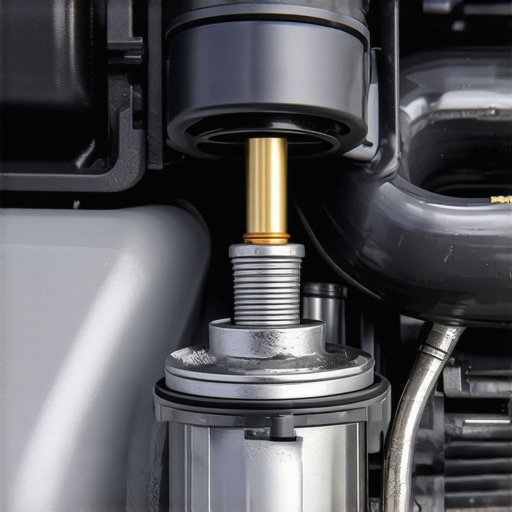
It was a chilly morning, and as I started my car, I noticed an unusual smell of burning oil wafting into the cabin. A quick glance under the hood revealed a telltale puddle of dark, greasy liquid—an oil leak that was slowly transforming my budget into a black hole. It hit me then: a simple, overlooked part was at the root of this expensive trouble. That moment marked my lightbulb realization about the crucial role of the PCV valve and how a clogged one can silently sabotage your vehicle’s health and your wallet.
The Hidden Culprit Behind Expensive Oil Leaks
Many car owners neglect the importance of the Positive Crankcase Ventilation (PCV) system, yet it’s vital for engine health. When the PCV valve becomes clogged or stuck, it disrupts the oil and vapor flow within your engine. This blockage causes pressure buildup, forcing oil past seals and gaskets that aren’t designed for such stress. Over time, this leads to leaks that can cost hundreds to repair. What’s worse? These leaks often go unnoticed until they become severe, leaving you with hefty repair bills.
The good news is, addressing a clogged PCV valve is often straightforward and affordable—if you catch it early. Regular maintenance checks can save you from that sinking feeling of discovering a puddle under your car, and from the bitterness of a hefty repair bill.
Curious if your vehicle might be affected? Keep reading, and I’ll guide you through how to identify the signs before they turn into costly problems.
Is the hype about PCV valves exaggerated or actually worth the fuss?
In my early days of auto repair attempts, I made the mistake of ignoring the importance of the PCV system, thinking it was just a minor component. Turns out, I was dead wrong. Failing to maintain it can lead to more than just leaks; it can cause engine misfires, increased emissions, and poor fuel economy. The simple act of replacing or cleaning a clogged PCV valve can prevent these issues. Curious about how to keep your car running smoothly? Visit [this comprehensive guide](https://glassfixauto.com/troubleshooting-common-auto-repair-issues-before-visiting-the-shop) for troubleshooting tips.
By understanding the underlying mechanics, you’ll be better equipped to avoid the costly cycle of leaks and repairs. Now, let’s look at how you can spot the warning signs and take action before damage escalates.
Locate and Access the PCV Valve
Start by opening your vehicle’s hood and identifying the PCV valve, typically found on or near the valve cover. It’s a small, rubber or metal component connected to a hose. To access it, remove any engine covers or obstructions. Remember, safety first: ensure the engine is cool to avoid burns. Once located, disconnect the hose attached to the valve.
Remove and Inspect the PCV Valve
Carefully pull out the PCV valve using pliers if necessary. Examine it for signs of clogging, dirt, or damage. A clogged valve may appear dirty or sluggish, and may be sticky or have carbon deposits. Micro-story: I once replaced a seemingly fine-looking PCV valve, only to find subsequent oil leaks. After cleaning and reinstalling, the leaks ceased—saving me costly repairs. This highlights the importance of thorough inspection.
Clean or Replace the Valve
If the PCV valve is just clogged, clean it with carburetor cleaner or compressed air. Make sure to remove carbon buildup and deposits. If it’s damaged or too dirty to clean effectively, replace it with a new one. Consult your vehicle’s manual or visit our contact page for assistance. Regular cleaning or replacement ensures proper venting, preventing pressure buildup.
Reinstall and Test
Reattach the cleaned or new PCV valve to its port, connecting the hose securely. Start the engine and observe for smooth operation. Check under the hood for any leaks or abnormal sounds. Monitoring your engine’s performance post-repair helps catch issues early. Also, incorporate this routine into your maintenance schedule; regular upkeep can prevent costly engine problems, as detailed in this guide.
Monitor for Signs of a Healthy System
Ensure your engine runs smoothly, with no rough idling or excessive smoke. If issues persist, re-examine the PCV system and ensure hoses are clear and tight. Remember, a well-maintained PCV valve contributes to better fuel efficiency, reduced emissions, and a longer engine lifespan. Regular checks and timely replacements are key to avoiding the silent damage caused by clogs.
 Many vehicle owners operate under misconceptions about brake service, tune-ups, and general auto repairs that can lead to costly mistakes. First, a widespread myth is that all brake pads wear evenly, but in reality, uneven wear often indicates underlying issues like caliper problems or misaligned rotors, which require more than simple pad replacement. Relying solely on brake pad thickness can be deceptive; regular inspection of rotor surface and caliper function is essential for safety and longevity.
Another misconception is that tune-ups are only necessary after the engine starts misfiring or performance drops. In truth, proactive tune-ups—such as replacing spark plugs, air filters, and checking fuel injectors—before symptoms appear can significantly improve fuel efficiency and prevent unexpected breakdowns. This preventative approach is backed by experts in automotive maintenance, emphasizing the importance of periodic professional check-ins, as detailed in this guide.
Has your perspective on routine auto care changed? Let me know in the comments.
Many drivers also believe that all auto repairs are the same, but the nuances for different systems are critical. For example, replacing brake pads without addressing potential caliper sticking can result in rapid pad wear and uneven rotor damage. Similarly, ignoring the signs of a failing transmission — like slipping gears or delayed engagement — can escalate into complete transmission failure, often costing thousands. Staying informed on these nuances helps you make smarter maintenance decisions, avoiding unnecessary expenses.
Beware of the trap of thinking minor repairs are insignificant; small issues often snowball into major problems if left unaddressed, as shown in this troubleshooting resource. Regular vehicle checkups that target these nuanced aspects of car health can save money and extend the life of your vehicle. Have you ever fallen into this trap? Let me know in the comments.
Investing in the Right Equipment for Your Auto Care Routine
Maintaining your vehicle over time requires more than just knowing what to do; it demands the right tools to do it efficiently and safely. Personally, I rely on a combination of specialized diagnostic software and quality hand tools to ensure my car stays in top shape. One such indispensable item is a high-quality
Beyond physical tools, I incorporate diagnostic software like OBDLink MX+ via my smartphone to monitor real-time engine data and catch potential issues early. This proactive approach aligns with predictive maintenance principles, which I see gaining traction as vehicles become more technologically sophisticated. As we move toward the future, integration of AI-driven diagnostics and wireless IoT sensors will make vehicle care more continual and less reactive, ultimately extending lifespan and enhancing safety.
For long-term results, it’s crucial to establish a regular maintenance schedule. Consult this comprehensive guide to create an effective plan tailored to your vehicle’s needs. Consistent use of your chosen tools, paired with routine check-ups, can significantly reduce the risk of costly repairs down the line.
How do I maintain auto repair tools over time?
Proper maintenance of your tools ensures longevity and reliability. Regularly clean and lubricate moving parts, store them in a dry, organized space, and perform calibration checks on precision instruments like your torque wrench or multimeter. For electronic devices, ensure firmware is up to date and batteries are charged or replaced as needed. Remember, well-maintained tools not only make your work easier but also safeguard against causing damage to your vehicle during repairs. Keep your gear in prime condition, and you’ll find preventive maintenance becomes more manageable and effective.
Looking to streamline your maintenance game? I recommend trying a digital multimeter like the Fluke 117 for quick, accurate diagnostics. This investment pays off by helping you identify electrical issues before they escalate. Stay ahead of car troubles, and your vehicle will thank you for it.
Why I Stopped Believing in One-Size-Fits-All Solutions
Early in my auto repair journey, I thought changing brake pads or tuning up the engine was just about following standard procedures. But I quickly learned that every vehicle has its unique quirks—what works for one might not for another. Paying attention to the subtle signs and understanding your own car’s behavior can prevent costly missteps.
Little Details Make the Difference
I’ve found that regularly inspecting small components like the PCV valve or engine hoses often reveals hidden issues before they escalate. It’s easy to overlook these parts, but their condition can drastically influence overall performance and longevity. Trust me; taking time to observe these details is worth its weight in savings.
Investing in Quality Tools Is Always Worth It
Those cheap socket sets or trial-and-error fixes can turn into bigger expenses. I’ve personally benefited from a reliable digital multimeter and a good torque wrench—tools that turn complex diagnostics into straightforward tasks. Using top-tier gear ensures safety and accuracy, making maintenance less stressful and more effective.
Soreness of Ignorance Can Be Expensive
One hard lesson I learned was neglecting the importance of routine maintenance, assuming that minor issues could wait. The truth is, small problems often snowball. Regular check-ups, using trusted resources like this comprehensive maintenance guide, help catch issues early and save money in the long run.
Reading Between the Lines of Auto Repair
Engaging with expert blogs and forums exposed me to nuances that aren’t in typical repair manuals—like how a slightly uneven brake pad wear could hint at caliper issues or why a warming engine might signal coolant problems. Tuning into these subtleties empowers you to act proactively rather than reactively, preserving your vehicle’s health.