
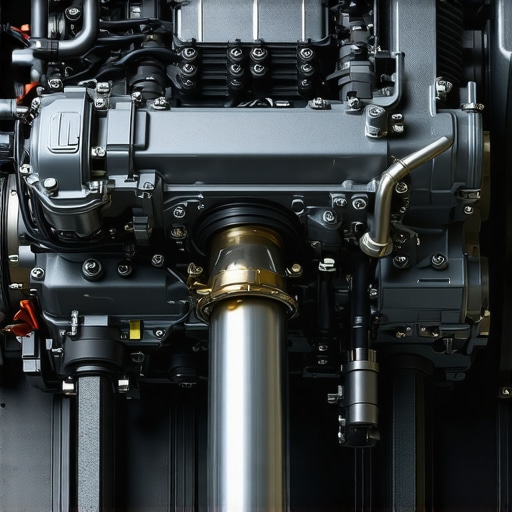
Imagine cruising down the highway, feeling confident in your ride, when suddenly—an unmistakable, noxious odor fills the cabin. You sniff, and yep—that awful smell of rotten eggs. My first time experiencing this was a wake-up call. I was just trying to get to work smoothly, but that pungent odor made me stop dead in my tracks. It’s a sudden, jarring experience that leaves you wondering, “What in the world is going on?” Thankfully, I found out it’s a common issue with a straightforward fix. If you’ve ever faced this problem, you’re not alone—and you’re about to learn what causes it and how to get rid of that miserable smell for good.
Understanding the Eggy Smell Under the Hood
Is This Problem Worth Worrying About?
At first, I thought it was just a quirky thing my car did, but I soon realized that the rotten eggs smell indicates something more serious. It’s not just unpleasant; it’s a warning sign that something is off with your vehicle’s exhaust or emissions system. Surprisingly, according to automotive experts, that sulfuric smell often points to a failing catalytic converter—a crucial component that reduces harmful emissions. Ignoring it can lead to costly repairs, or worse, your vehicle failing emissions tests. Early detection and maintenance can save you time and money. One mistake I made early on was dismissing that smell as a temporary issue, but it only got worse until I replaced the converter. Trust me, addressing this issue early is always the smarter move.
If you want to keep your car running efficiently and breathe easy on your drives, understanding what triggers this smell is the first step. In the upcoming sections, I’ll show you exactly how to diagnose the problem and what actions you need to take to eliminate that dreaded rotten eggs odor permanently. So, let’s dive into what’s really happening beneath the hood—and how you can fix it fast.
Start with a thorough inspection of the exhaust system
My first encounter fixing this issue involved crawling under my car with a flashlight after noticing the smell persisted despite driving for days. I looked for obvious signs of damage or leaks around the catalytic converter, which acts like the body’s detox organ. If you notice a misfire or a drop in fuel efficiency, these are signs the converter may be clogged or failing. To check the catalytic converter, listen for a rattling sound when tapping it gently with a rubber mallet—this indicates internal damage. Replacing or repairing the converter is crucial, as it filters harmful gases, and neglecting it could lead to more expensive repairs later.
For more detailed info on vehicle components, visit Understanding the Brake System Repairs and expand your auto repair knowledge.
Diagnose the oxygen sensors
Next, I checked the oxygen sensors, which monitor the exhaust gases. Faulty sensors can cause the engine to run rich, producing excess sulfur compounds that contribute to that rotten smell. Using an OBD-II scanner, I connected to my vehicle’s computer to see if any error codes were present, specifically P0130 or P0150. If codes are present, replacing the sensors often solves the odor problem. This step is like having a mechanic’s intuition; it helps you target the problem before costly repairs.
Need a guide on car diagnostics? Check out Troubleshooting Common Auto Repair Issues to master the art of DIY diagnostics.
Clean or replace the fuel system components
Clogged fuel injectors or dirty fuel filters can cause incomplete combustion, leading to sulfurous exhaust. I scheduled a tune-up, which involved replacing the fuel filter and cleaning the injectors with a specialized fuel system cleaner. Doing this improves combustion efficiency and reduces emissions of foul-smelling gases. Think of it like cleaning the lungs of your engine—more air and cleaner fuel mean less smell. Regular maintenance, like consulting Tune Up Your Car for Peak Performance, prevents these issues from escalating.
Inspect the engine’s air filter
A clogged air filter suffocates your engine, causing it to work harder and produce more sulfur odor. I replaced mine with a fresh filter, which is a quick and cost-effective fix. Visual inspection involves removing the air filter and holding it up to a light—if you can’t see through it clearly, it’s time for a replacement. This simple step often makes a noticeable difference in reducing unpleasant smells and improving overall engine performance.
Learn more about maintaining your vehicle at Car Service Checklist.
Check for coolant leaks
Sometimes, coolant leaks cause a sulfur smell inside the car. I examined the radiator and hoses for signs of leaks or corrosion. Using a flashlight and a mirror, I checked for any bright green or orange residue—indicative of coolant. If coolant is leaking, it can enter the exhaust system and produce that rotten egg smell. Sealing leaks or replacing faulty hoses avoids this issue and keeps your engine running smoothly.
For professional help, contact experts through Contact Us whenever in doubt about leaks or repairs.
Final steps and preventive care
After addressing these core areas, I drove the car briefly to see if the smell had dissipated. Regular preventive maintenance like scheduled vehicle service ensures components stay in top shape. Also, I kept an eye on dashboard warning lights and performed periodic inspections of exhaust components to prevent the problem from recurring. This systematic approach is like normal hygiene—catch issues early before they become costly. Remember, consistent tune-ups and inspections are your best allies in avoiding foul odors and keeping your vehicle running smoothly.Many car owners believe they understand the basics of tune-ups, brake service, and overall auto repairs, but in reality, several misconceptions persist that can lead to costly mistakes. One widespread myth is that all maintenance tasks are interchangeable and can be performed at any interval. However, manufacturers specify precise schedules for different components; neglecting these can accelerate wear and tear or cause damage. For example, skipping or delaying a scheduled car service can result in preventable issues that compromise safety and efficiency.
Another misconception is that brake pads and rotors last indefinitely. many drivers ignore subtle signs like vibrations or squealing, assuming these are normal. In truth, delaying brake service when these symptoms appear can lead to uneven wear, increased stopping distances, and even accidents. Regular inspections can catch problems early, saving money and lives.
Advanced vehicle maintenance involves nuanced understanding. For instance, many assume that a simple oil change suffices when certain components, such as filters and fluids, may need simultaneous attention. Moreover, many overlook the importance of addressing issues like coolant leaks or sensor malfunctions that aren’t immediately obvious but can severely impair vehicle performance.
Let’s examine the trap of thinking all auto repairs require extensive disassembly. Often, experienced technicians can perform diagnostic checks and minor fixes without dismantling entire systems, which minimizes downtime and cost. For example, skilled diagnosis using troubleshooting techniques can precisely target problems like faulty sensors or leaks.
Ever fallen for a quick-fix that turned into a bigger problem? Share your experience below. Understanding these common myths and nuances can significantly extend your vehicle’s lifespan and safety. To stay ahead, consider reading more about how regular tune-ups improve fuel efficiency and learning to recognize subtle warning signs before they escalate.
Investing in the Right Equipment for Long-Term Maintenance
Maintaining your vehicle’s peak performance requires more than just basic tools; it demands precision instruments and reliable software. Personally, I depend heavily on a quality OBD-II scanner like the Autel MaxiScan MS300. It’s compact, budget-friendly, and provides comprehensive diagnostic codes, enabling me to identify issues before they become costly repairs. I also use a digital multimeter such as the Fluke 115 to troubleshoot electrical problems accurately, which saves me time and prevents unnecessary parts replacements. When it comes to routine checks, a magnetic inspection mirror becomes invaluable for inspecting hard-to-see engine bays, ensuring I don’t miss any leaks or damages that could affect performance.
For cleaning and preventive maintenance, I prefer an air blower to remove dust from delicate components and a microfiber cloth for applying lubricants and cleaning surfaces gently. Regular use of these tools ensures small issues don’t escalate into major repairs, prolonging your car’s lifespan and keeping costs down. As automotive technology advances, synchronization with specialized automotive software like OBDLink software provides real-time data analysis, helping me fine-tune my car at home effectively.
How do I maintain tools over time for continued reliability?
I make it a point to calibrate my diagnostic devices annually and store tools in a clean, organized space. Regularly replacing consumable parts, like sensor batteries or filters, is crucial for accurate readings. This proactive approach ensures my tools remain effective and my vehicle stays in great shape.
Looking ahead, I predict that integrating AI-driven diagnostics will become standard, making it even easier for car owners to identify issues early. Embracing these innovations now allows you to stay ahead of potential problems and minimize downtime. To optimize maintenance routines, consider scheduling regular vehicle service intervals and investing in advanced tools that grow smarter over time.
How do I keep my car running flawlessly with minimal fuss?
Consistent, proactive approaches—like routine software updates and sensor calibrations—are vital. Additionally, staying informed about new diagnostic techniques ensures you’re prepared for the evolving automotive landscape. For instance, regularly updating your diagnostic software can help catch issues early, preventing major headaches down the road.
One practical tip is to periodically perform a deep scan using advanced diagnostic tools. This can reveal underlying problems before warning lights appear, giving you a head start in repairs. I challenge you to try this method on your next maintenance day—it’s a game-changer for long-term reliability.
Remember, investing in quality tools and maintaining them properly is just as important as the repairs you perform. Authentic calibration and careful storage ensure your gear remains accurate, saving you time and money. As the trend moves toward smarter vehicle diagnostics, embracing these tools today will prepare you for the automotive innovations of tomorrow. Stay ahead of the curve by exploring the latest tech in maintenance and repair—your vehicle will thank you.
Secrets the Pros Won’t Tell You About Maintaining Your Car
Over the years, I’ve learned that much of automotive maintenance isn’t just a checklist—it’s about understanding your vehicle’s unique nuances. A key lesson was realizing that paying close attention to the subtle signs of wear can save you thousands down the road. For instance, that faint squeal during brake applying isn’t just annoying; it’s a warning that your brake service might be overdue. Recognizing these small cues early has taught me that proactive care truly pays off.
My Go-To Tools for Real Auto Repair Confidence
My trusty OBD-II scanner, a durable digital multimeter, and a reliable inspection mirror have transformed how I approach car maintenance. These tools empower me to diagnose issues swiftly, avoid unnecessary costs, and ensure my vehicle runs smoothly longer. Trusting quality gear has become my secret weapon in promoting longevity and reliability.
Emotional Strength Through Knowledge and Action
Taking control of vehicle care can feel overwhelming at first, but I’ve discovered that consistent learning and hands-on practice build confidence. Knowing when to replace an air filter or how to interpret diagnostic codes can make a huge difference—not just in fixing problems but in preventing them. It’s about cultivating a mindset where you’re not just reactive but proactive, ensuring your car stays in top condition and your mind at ease. Remember, every repair or maintenance task you master adds to your sense of empowerment—so go ahead, take that first step today.
Have you ever caught a small issue early and saved yourself a big headache? Share your experience below!
By integrating these insider lessons, curated tools, and a proactive approach, you’re well on your way to mastering car care. Keep learning, stay steady, and enjoy the ride—your vehicle will thank you for it!