
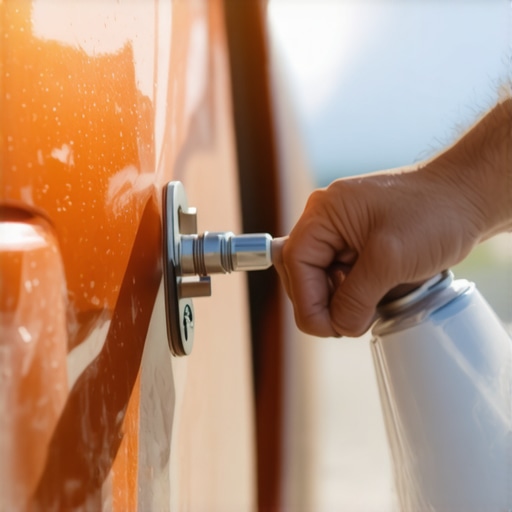
I was standing in the middle of a grocery store parking lot, the sun beating down so hard I could feel the heat radiating off the hood of my sedan. I swung the driver’s side door shut, expecting that solid, reassuring click. Instead? Boing. The door literally bounced off the frame and swung back wide. I tried again. Clang. Nothing. I looked like a fool, and for a second, I thought I was going to have to drive home holding the handle with my left hand while steering with my right. It’s a common, infuriating problem: car doors that refuse to latch when the mercury rises. Today, I’m going to show you exactly how to bypass the frustration and get that latch to catch without calling a tow truck.
Stop Slamming That Door Before You Break the Glass
When I first dealt with this, I made the classic rookie mistake. I figured if it didn’t close with a gentle push, it needed more force. I slammed that thing so hard I thought I’d shattered the window. Don’t do that. It doesn’t help. The problem usually isn’t that the door is “stuck” in the way we think; it’s that the internal components have expanded or the old grease has turned into a thick, tacky glue. If you’ve been troubleshooting common auto repair issues before visiting the shop, you know that heat is the enemy of precision. I once spent an hour in a parking lot because I didn’t realize that a tiny bit of heat-induced friction was keeping the pawl from engaging. It’s a specialized issue that rarely shows up on a standard car service checklist, but when it happens to you, it feels like the end of the world. Trust me, learning when and why to schedule maintenance is great, but some problems are just between you, the sun, and a can of lubricant.
Wait, is this just a cheap plastic part failing?
You might be thinking this is a sign your car is falling apart. It’s not. Even high-end vehicles can suffer from this because the tolerance between the latch and the striker is incredibly tight. According to the Society of Automotive Engineers, internal car door temperatures can soar to over 150 degrees Fahrenheit when parked in direct sun, causing metal components to expand just enough to miss their mark. I remember trying to spray some heavy-duty industrial grease in there, thinking I was being smart. Total disaster. That grease just collected grit and made the latch even more stubborn the next time it got hot. While I love staying on top of auto repair trends to watch in 2025, this is an old-school mechanical physics problem. Have you ever been stranded by a door that just wouldn’t stay shut? Let me know in the comments because I felt like the only person on earth it happened to at the time. Setting the stage for the fix is simple: we need to cool it down and clear the gunk.
Get That Door to Stay Shut Now
The very first thing you need to do is stop fighting the door and start working with the physics of it. If your car has been baking, find a patch of shade or use a damp rag to cool down the latch area. Heat causes metal and plastic to expand, and in a mechanism as tight as a door latch, a fraction of a millimeter is the difference between a secure lock and a door that bounces back at you. While you wait for it to cool, take a look at the striker—that metal loop on the car frame. If it looks scratched or dented on the top or bottom, your door might be sagging. This happens over time as hinges wear out, making it harder to maximize your cars lifespan with expert tune-up strategies. If the alignment is off, no amount of slamming will help; you actually need to lift the door slightly as you close it to help the latch clear the striker bar.
The Screwdriver Reset Trick
I remember standing in a gas station parking lot in Georgia, sweat dripping down my face, while my door refused to stay shut. I looked like a maniac trying to tie it closed with a bungee cord until an old trucker walked over with a simple flathead screwdriver. He showed me that sometimes the latch gets stuck in the ‘closed’ position while the door is actually open. When you try to shut the door, the closed latch hits the striker and bounces off like a hammer hitting an anvil. 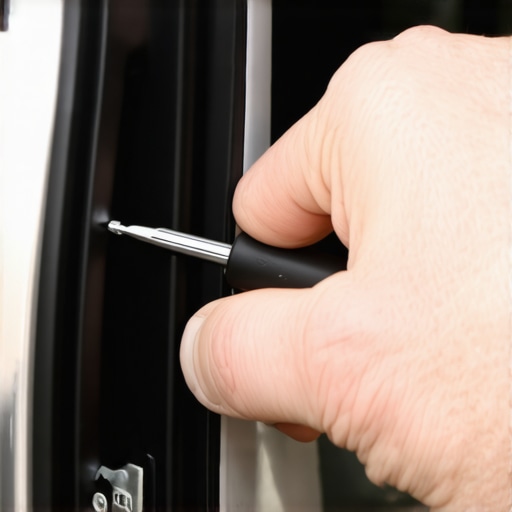 To fix this, stick a screwdriver or even a sturdy pen into the ‘mouth’ of the latch on the edge of the door. While pulling the interior or exterior door handle to the ‘open’ position, use the screwdriver to flick the latch mechanism back into its open, ready state. It should click twice. When I finally heard that second click, it was the most satisfying sound of my life. It’s a bit like learning the correct way to jumpstart a car without frying the computer; it’s a small mechanical trick that prevents a massive headache.
Clean Out the Grime for a Smoother Catch
If the reset doesn’t work, you’re likely dealing with ‘gunked up’ internals. Old factory grease mixed with road dust turns into a thick paste that hardens in the sun. Grab a can of brake cleaner or even a bit of WD-40 just to flush out the old, sticky residue. Spray it directly into the latch mechanism and work the handle back and forth. You’ll see black liquid start to drip out—that’s the enemy. Once it’s clean, don’t leave it dry. Use a high-quality silicone spray or white lithium grease. This is the same logic you’d use if you were learning how to fix a sticking power window with a can of silicone spray. A dry latch will eventually grind itself down, leading to an expensive repair that isn’t usually covered in a basic car tune-up. Keeping these moving parts slippery ensures they can snap into place even when the metal expands in the midday heat. If you find yourself doing this often, it might be time to check your car service checklist to see if you’ve been neglecting the basic lubrication of your door’s moving parts.
Stop Spraying WD-40 on Everything That Squeaks
Most people assume that if a part is sticking, the solution is to drown it in a multi-purpose lubricant like WD-40. In my experience, this is actually the quickest way to kill a latch mechanism for good. Traditional WD-40 is a solvent-based water displacer, not a long-term lubricant. When you spray it into a hot door latch, it thins out whatever factory grease is left, provides a few minutes of slickness, and then evaporates, leaving the metal bone-dry and vulnerable to friction. Even worse, it acts as a magnet for road salt and dust. If you are trying to tune up your car for peak performance, you need to understand that less is often more. I have seen countless DIYers turn a five-minute cleaning job into a three-hundred-dollar replacement because they created a ‘grinding paste’ inside their door. Much like brake service myths that suggest any grease will do for caliper pins, using the wrong lubricant on your door latch is a recipe for disaster. Have you ever fallen into this trap? Let me know in the comments because I certainly did when I first started wrenching.
Is Your Door Latch Actually an Electrical Problem in Disguise?
In modern vehicles, the mechanical latch and the electronic actuator are often housed in the same plastic shell. This is where things get complicated. Sometimes the heat isn’t just expanding the metal pawl; it’s increasing the resistance in the copper windings of the door lock actuator motor. According to the Automotive Service Association, electrical resistance increases significantly as temperatures rise, which can cause an already weak motor to fail only when the sun is at its peak. This is a nuance many people miss when troubleshooting common auto repair issues before visiting the shop. If your door latches fine when you manually move the mechanism with a screwdriver but refuses to stay shut when you use the key fob, you aren’t dealing with a physical jam—you have an electrical ghost. 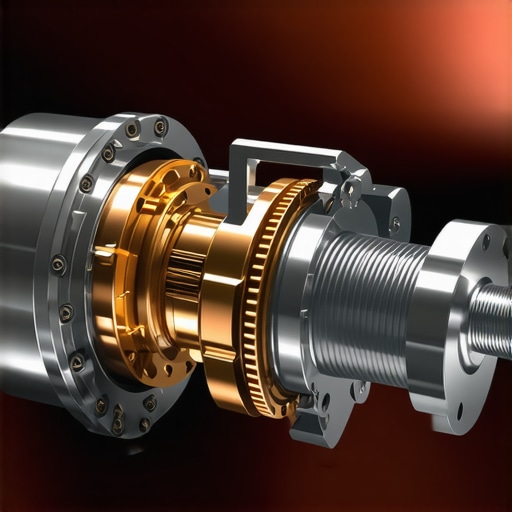 This is similar to the frustration of trying to figure out the reason your dashboard lights dim when you roll up the windows; it’s all about the load on the system.
The Fatal Mistake of Mixing Grease Types
If you do decide to lubricate, never mix a petroleum-based grease with a silicone-based one. I learned this the hard way: they can react and turn into a waxy substance that is nearly impossible to remove without a complete teardown. This kind of specialized knowledge is what separates a quick fix from a long-term solution. When you are trying to maximize your cars lifespan with expert tune-up strategies, the details matter. Just like I never trust the oil life monitor on my dashboard blindly, I don’t trust a ‘stuck’ door to just be a mechanical fluke. It is usually a symptom of aging seals or sagging hinges that throw the geometry off just enough to be noticeable only during thermal expansion. Knowing how to tell if your car needs a simple tune-up or a major repair starts with observing these small changes before they become total failures. If you’ve been putting off a car service checklist, let this be your sign that the summer heat is going to find every weak point in your vehicle’s armor.The truth is, most people ignore their door latches until they are literally bouncing off the frame in a Target parking lot. But if you want to avoid that embarrassment, you need a specific kit in your garage. I don’t just grab whatever is on the clearance rack. For years, I’ve sworn by 3-IN-ONE Professional Silicone Lubricant because it’s a “dry” lubricant. Unlike standard oils, it doesn’t leave a sticky residue that invites grit to the party. If you are trying to tune up your car for peak performance, you have to treat your door hardware with the same respect as your engine. I’ve seen latches that were so gummed up with “all-purpose” grease they looked like they’d been dipped in molasses. A quick blast of a dedicated silicone spray every six months keeps the plastic-on-metal parts sliding without the friction-induced heat expansion that causes the “boing” effect.
Reach for Dry Silicone Instead of Greasy Gunk
Consistency is the name of the game. I always tell people that a car service checklist isn’t just about oil and filters; it’s about the points of contact. Every spring, before the heat hits, I perform what I call the “Latch Flush.” I use a non-chlorinated brake cleaner to strip away the old, oxidized grease, then reapply a thin coat of white lithium grease only on the striker and the inner “jaw” of the latch. This prevents the metal-on-metal galling that eventually leads to a complete mechanical failure. This is part of how you maximize your cars lifespan with expert tune-up strategies. If you wait until the door is already sticking, you’ve likely already worn down the nylon coating on the latch pawl, and at that point, no amount of spray will truly fix the underlying damage.
How do I keep my car doors closing smoothly over time?
As we look at auto repair trends to watch in 2025, the mechanical door latch is actually becoming a relic. We are seeing a massive shift toward “e-latches”—purely electronic solenoids that pop the door with a button. According to the Bosch Automotive Handbook (10th Edition), these systems are designed to withstand over 100,000 cycles, but they introduce a whole new set of headaches, like dead batteries leaving you locked out. While the technology is getting smarter, the basic physics of thermal expansion still applies to the emergency manual releases. Even in a high-tech future, knowing when and why to schedule maintenance for your door’s physical components will save you from a very expensive dealership visit.  If you want to stay ahead of the curve, I challenge you to go out to your car right now with a flashlight. Look at the striker plate on the B-pillar. If you see shiny silver metal where there used to be black paint or plastic, your door is sagging. Don’t wait for it to stop latching; check it now and adjust the striker before you’re stuck in the sun.
The Brutal Lessons I Learned While Sweating Over a Stuck Door
After years of wrestling with stubborn latches, I’ve realized that the “boing” sound is actually your car’s way of asking for a specialized kind of help. Here is what I wish I’d known from day one.
- A clean latch is a functional latch. Most people keep adding grease, but the real secret is removing the old, baked-on gunk first. If you’ve already mastered how to fix a sticky gear shifter without taking the console apart, you know that cleaning is 90% of the battle.
- Alignment is an invisible enemy. Heat expands the metal door frame just enough that a slightly sagging hinge becomes a total failure. I always check for “silver scars” on the striker; they tell the story of a door that’s slowly falling out of place.
- Don’t ignore the electrical ghost. If your door behaves in the shade but dies in the sun, it’s rarely mechanical. Learning how to tell if your electrical problem is a blown fuse or a bad ground wire can save you from replacing a perfectly good latch assembly.
- Gravity can be your best friend. Sometimes, just pulling up on the exterior handle while slamming gently is enough to overcome thermal expansion in a pinch.
#IMAGE_PLACE_HOLDER_E#
The Maintenance Kit I Keep in My Trunk
I don’t leave home without these four items, especially during a Southern summer. They turn a potential tow-truck disaster into a five-minute roadside fix. First, Non-Chlorinated Brake Cleaner. I use this to blast out the “molasses” that old grease turns into when it hits 100 degrees. Second, Dry Silicone Spray. This is the only lubricant I trust because it doesn’t attract the grit that kills door mechanisms. It’s as essential as knowing the easy fix for a squeaky drivers seat. Third, a magnetic LED work light. You can’t fix what you can’t see, and those latch internals are dark and deep. Finally, a T30 Torx Bit. Most modern strikers are held in by these, and having the tool to tighten a loose striker can be the difference between a secure door and one that pops open on the highway.
Keep Your Vehicle Safe and Secure
At the end of the day, a door that won’t shut is more than just an annoyance; it’s a major safety risk. By incorporating latch lubrication into your car service checklist, you ensure that you’re never the one standing in a grocery store parking lot looking frustrated. Take fifteen minutes this weekend to clean those strikers and spray a little silicone. Your car—and your sanity—will thank you.
Have you ever had a car door refuse to latch at the most embarrassing moment possible? Tell me your story in the comments below!