
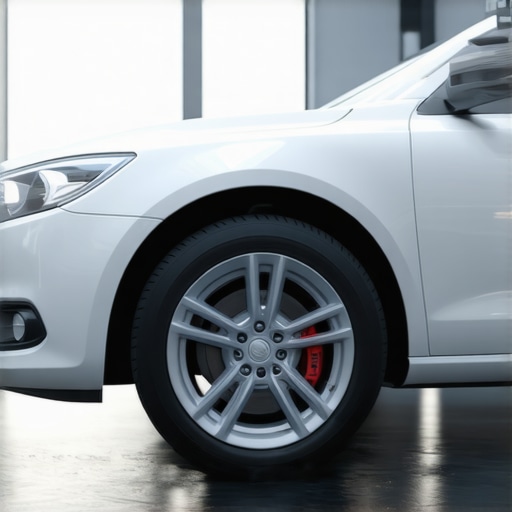
It was one of those mornings when I stepped out to start my car, only to be greeted by a thick layer of grime caked onto my wheels. The dreaded brake dust had turned my once shiny rims into a muddy mess, and I knew this was just the beginning of a frustrating battle. That lightbulb moment hit me hard: if I didn’t tackle the brake dust now, it would only get worse, costing me more time and money down the road.
Why Brake Dust Is More Than Just a Surface Problem
Brake dust isn’t merely an eyesore. According to automotive experts, accumulated brake dust can lead to corrosion, reduce braking efficiency, and even cause long-term damage to your wheels if left unchecked. I’ve learned that neglecting this issue can turn minor maintenance into costly repairs. Lucky for us, I’m sharing proven strategies I’ve tested personally to keep brake dust in check and maintain that fresh look and optimal safety.
Is Cleaning Your Brakes Worth the Effort or Just a Waste of Time?
Early in my journey, I mistakenly believed that a quick wipe of the wheels was enough. I didn’t realize how stubborn brake dust can be and how it hides behind calipers and vents. Trust me, I made the mistake of ignoring deeper cleaning, which only led to more grime buildup, more frequent cleanings, and, ultimately, compromised braking performance. To avoid this costly lesson, I discovered that effective brake dust removal involves specific techniques and regular maintenance. Want to learn how to clean your brakes efficiently? Check out some tips on how to stop squealing and clean your brakes.
So, what’s the plan? In the next sections, I’ll walk you through four tested tactics to combat brake dust, helping you save time, money, and your car’s lifespan. Are you ready to transform your brake cleaning routine and keep your wheels looking sharp? Let’s dive into the solutions that actually work.
Gather Your Tools and Prepare the Workspace
Start by assembling a bucket of warm water, a dedicated wheel cleaner or mild car soap, soft-bristled brushes, microfiber towels, and a hose with a spray nozzle. Park your vehicle in a shaded area to prevent soap from drying too quickly and making cleaning more difficult. Remember, safety first: wear gloves and eye protection if necessary.
Perform a Preliminary Rinse
Use the hose to rinse off loose dirt and grime from the wheels and tires. Think of this as brushing off the clutter before organizing a bookshelf; it makes the detailed cleaning later much easier. A thorough rinse ensures that abrasive debris doesn’t scratch your paint during the scrubbing phase.
Apply the Wheel Cleaner and Let It Sit
Spray a generous amount of wheel cleaner onto the rims, covering all surfaces, including behind spokes and inside vents. Manufacturers often recommend letting the solution sit for a few minutes, which loosens brake dust particles, making them easier to remove. During my last cleaning session, I found that letting the cleaner dwell for five minutes significantly improved grime removal, especially on stubborn spots.
Scrub the Rims Effectively
Use soft brushes to scrub the wheels gently but thoroughly. Start with the face of the rim, then move to inner areas and behind spokes where brake dust tends to hide. Think of it like polishing jewelry—gentle, consistent strokes yield the best shine without scratching the surface. For tight spaces, an old toothbrush can reach delicate areas without damage.
Rinse and Dry the Wheels
After scrubbing, rinse the wheels thoroughly with clean water to wash away loosened dust and soap residue. Dry with microfiber towels, which are gentle and absorbent, preventing water spots. I personally dry each wheel carefully to inspect for remaining grime and ensure a spotless finish.
Seal and Protect for Longer-Lasting Results
Consider applying a wheel wax or sealant to prevent brake dust from sticking as soon in the future. This creates a barrier that makes subsequent cleanings easier and helps keep your wheels looking fresh longer. Regularly maintaining your brakes and wheels can be a game-changer; learn more about [brake service signs](https://glassfixauto.com/4-signs-your-brake-service-is-overdue-for-2026-road-trips) to stay ahead of costly repairs. Proper care extends beyond cleaning—consult with professionals if you notice persistent dust buildup that won’t come off or surface corrosion.
Maintain Your Brake System for Dust Reduction
Wooden brushes or compressed air can help dislodge brake dust from calipers and vents without disassembling components. For persistent issues, a professional brake service might be necessary to inspect for worn pads or damaged calipers contributing to excessive dust. Remember, regular tune-ups not only improve brake efficiency but also minimize brake dust accumulation. If your vehicle shows signs of brake issues, check out [signs that your brake service is overdue](https://glassfixauto.com/4-signs-your-brake-service-is-overdue-for-2026-road-trips) to plan a timely maintenance.
Watch Your Technique to Avoid Damage
Use gentle, consistent pressure during scrubbing. Avoid steel brushes or harsh chemicals that can scratch rims or deteriorate protective coatings. When in doubt, opt for softer materials and test on a small, inconspicuous area first. Proper technique not only preserves your wheels’ appearance but also extends their lifespan, saving you money in the long run.
Schedule Regular Cleanings
Establish a routine, such as every 3,000 to 5,000 miles or monthly, depending on driving conditions. Consistent care prevents brake dust from becoming stubborn and reduces the need for aggressive scrubbing. Regular maintenance also minimizes long-term damage, ensuring safety and aesthetics are preserved. To enhance overall vehicle performance, consider a comprehensive tune-up, which can address underlying issues causing excessive brake dust, such as sticking calipers or worn pads. Learn more about [preventive tune-up tips](https://glassfixauto.com/3-critical-tune-up-steps-for-aging-2020s-cars-in-2026).When it comes to car maintenance, many car owners rely on popular myths that can actually impede proper care. One widespread misconception is that all brake services are unnecessary unless there’s a noticeable problem. However, seasoned mechanics emphasize the importance of regular inspections to prevent minor issues from escalating into costly repairs, as highlighted in expert insights about preventing brake failure. Additionally, some believe that cheap, quick fixes suffice, but cutting corners often leads to long-term damage and safety hazards. Proper tune-ups involve more than just changing oil; they include meticulous checks of ignition timing, spark plugs, and fuel systems to ensure optimal engine performance. Overlooking these nuances can result in decreased fuel efficiency and engine longevity. Most drivers also assume that modern vehicles are maintenance-free or require less attention. While advancements have improved durability, neglecting routine services can accelerate wear and tear. For instance, failing to replace worn-out spark plugs affects combustion efficiency, ultimately stressing your entire engine system.
Are You Falling for Auto Repair and Service Myths That Cost You?
To avoid these pitfalls, seek advice from trusted sources and ask your mechanic about specific service needs tailored to your vehicle’s age and usage. Remember, skipping regular tune-ups might save you short-term money but can cause damage that costs much more over time. For example, regular engine maintenance reduces the risk of overheating and engine stalling, issues common among neglected cars. Be cautious of the misconception that all repairs are overpriced; understanding fair pricing and verifying quotes can help you avoid shops that inflate costs. Check out how to verify your auto repair quotes to ensure transparency. Moreover, many drivers overlook the importance of correct brake service procedures. Inadequate brake fluid replacement or improper caliper adjustments can compromise safety, as detailed in comprehensive guides on brake fluid management. Misunderstanding these nuances might seem minor but could lead to brake failure, especially in emergency situations. Therefore, educate yourself on the signs of overdue brake service and schedule regular inspections. Also, a proactive approach to tune-ups—adjusting valves, cleaning intake systems, and checking sensors—can significantly extend your car’s lifespan and performance. Regularly reviewing vehicle condition doesn’t just save money; it enhances safety and driving comfort. Before heading for your next service appointment, read through expert articles on signs your brake service is overdue for peace of mind. Challenging these misconceptions and understanding the true complexity of auto care empowers you to make smarter choices. So, next time you hear that a quick fix is all you need, remember that deeper insights often lead to better results. Have you ever fallen into this trap? Let me know in the comments.
Keep It Running: Best Tools for Auto Maintenance
Maintaining your vehicle over time requires more than just routine check-ups; it demands the right tools that can handle the nuances of auto repair and servicing. Personally, I swear by a few specialized pieces of equipment that have revolutionized how I approach car maintenance, ensuring longevity and peak performance.
Precision Torque Wrench for Accurate Bolts
One tool I can’t do without is a high-quality torque wrench. When working on brakes or installing new components, applying the correct torque ensures you don’t overtighten or under-tighten parts, which could lead to future issues. I recommend models with a digital display for easy reading, such as the Tekton Digital Torque Wrench. This investment pays off by preventing damage to sensitive components and maintaining safety standards.
OBD-II Scan Tool for Real-Time Diagnostics
Modern cars are equipped with complex electronic systems, making an OBD-II scanner indispensable. I personally use the BlueDriver Bluetooth Professional Scan Tool connected to my smartphone. It provides detailed trouble codes, live data, and repair reports, helping me diagnose issues early. This proactive approach allows me to schedule repairs before problems escalate, ultimately saving money.
Qualitative Multi-Function Jump Starter
Being stranded with a dead battery is frustrating. I recommend a portable jump starter like the NOCO Boost Plus. It’s compact, reliable, and doubles as a power bank for your devices. Having this in your trunk ensures you’re prepared for emergencies, especially during long trips or adverse weather conditions.
Mastering Maintenance for Longevity and Savings
Incorporating these tools into your routine extends your vehicle’s life, enhances safety, and reduces repair costs. Combining physical tools with software solutions like the BlueDriver app helps keep track of your car’s health and plan maintenance proactively.
How do I keep my vehicle running smoothly over the years?
Regularly scheduling tune-ups and diagnostics, along with using the right equipment, is key. For instance, staying ahead of signs like loss of fuel efficiency or unusual vibrations can prevent severe damage. If your vehicle starts misfiring or showing signs of sluggishness, consider performing a thorough tune-up, which could include checking your spark plugs, air filters, and fuel injectors. For specific tips, explore five effective tune-up fixes to improve engine efficiency.
Looking ahead, the trend is toward integrating more diagnostic tools with vehicle systems, possibly through wireless connections, simplifying maintenance even further. Embracing these advancements can make your car’s health monitoring continuous and less invasive.
Don’t forget, consistent maintenance isn’t just about tools—it’s also about habits. I suggest setting a calendar reminder every few thousand miles to revisit your diagnostics and inspect critical components.
For instance, using a high-quality scan tool regularly can alert you to emerging issues before they become costly repairs. Advanced models now even assist with firmware updates and calibrations, ensuring your vehicle’s systems are always optimized. Try integrating these practices into your maintenance routine and experience the difference in longevity and performance.
Remember, proactive care combined with the right tools can save you hundreds, if not thousands, over the life of your vehicle. Stay ahead of problems and keep your car reliably cruising for years to come.
The Hardest Lesson I Learned About Auto Repair and Brake Maintenance
One of my biggest takeaways was realizing that quick fixes often lead to longer-term issues. Ignoring stubborn brake dust or neglecting regular brake inspections can escalate minor problems into costly repairs. It took me experiencing unforeseen brake failures to understand the importance of proactive maintenance and proper cleaning techniques.
Myths About Car Service That Held Me Back
I used to believe that a simple wash was enough to keep my wheels looking new. However, I discovered that without deep cleaning and protective sealants, brake dust would quickly settle back. Debunking this myth taught me that investing time and effort into proper brake system care results in better safety and longevity.
What Experts Won’t Tell You About Long-Term Brake Care
Many overlook the significance of sealing and protective products like wheel waxes. I found that applying a quality sealant after cleaning creates a barrier, making future cleanings easier and preventing brake dust from clinging to surfaces. This small step has saved me countless hours and kept my wheels looking pristine.
Curated Tools That Transformed My Maintenance Routine
The right equipment can turn a tedious task into a straightforward process. I swear by a high-quality torque wrench to ensure proper assembly, an OBD-II scan tool that helps catch issues early, and a reliable portable jump starter for emergencies. These tools provide peace of mind and keep my vehicle in optimal condition—saving me money and stress in the long run.
From Frustration to Confidence: Your Turn to Act
Now that I’ve learned these lessons, I encourage you to take charge of your auto maintenance routine. Regularly inspecting and cleaning your brakes, using the right tools, and not falling for common myths can extend your vehicle’s lifespan and boost safety. Remember, consistent care isn’t just about appearance; it’s about keeping your car safe and reliable for every journey ahead.
What’s been your biggest challenge when maintaining your brakes or wheels? Share your experiences below—I’d love to hear and help you find simple solutions!
,